
The best high-performance WooCommerce hosting for online stores ensures fast speeds, reliability, and optimal scalability. WooCommerce is a powerful and flexible eCommerce platform built on WordPress, and selecting the right hosting provider can significantly affect your store's performance, user experience, and overall success. With the surge in online shopping, particularly following recent global events, businesses must prioritize a hosting solution that can handle increased traffic and deliver a seamless shopping experience.
High-performance hosting can enhance page load times, reduce downtime, and improve site security, ultimately leading to higher conversion rates and customer satisfaction.
In the competitive eCommerce landscape, the importance of a robust hosting solution cannot be overstated. Many store owners find themselves overwhelmed by the plethora of options available, each claiming to provide the best services for WooCommerce.
However, understanding the intricacies of web hosting, server specifications, and the specific needs of an online store can guide you to make an informed decision. This blog post will explore the technical aspects of web servers, offer a practical troubleshooting guide, and present a comparative analysis of the best hosting options available for WooCommerce sites.
Understanding Web Servers and Hosting for WooCommerce
Web hosting is a service that allows businesses and individuals to make their website accessible over the Internet. At its core, hosting involves storing your website's files on a server, which is a powerful computer specifically designed to serve web pages to users.
When a user types in your website URL or clicks on a link to your store, their browser sends a request to the server, which then delivers the required files, images, and data needed to display your site. In the context of WooCommerce, the choice of hosting directly impacts your site's performance, security, and scalability.
There are several types of hosting solutions available, each suited to different needs and budgets. Shared hosting, for example, is a cost-effective option where multiple websites share the same server resources.
However, this can lead to slower load times and reduced performance, especially if one site experiences a spike in traffic. In contrast, Virtual Private Servers (VPS) and dedicated hosting provide enhanced resources and isolation, allowing your WooCommerce store to handle more visitors without compromising speed or reliability.
Managed WooCommerce hosting is another popular choice, offering specialized services tailored to WooCommerce users, including optimized server configurations, automated backups, and dedicated support.
Performance is a important factor for any online store. Research shows that even a one-second delay in page load time can lead to a significant drop in conversion rates.
High-performance WooCommerce hosting ensures that your site loads quickly, providing a seamless shopping experience for your customers. This involves not only the speed of the server but also its ability to handle concurrent requests, manage database queries efficiently, and provide ample bandwidth for data transfer.
Moreover, features such as Content Delivery Networks (CDNs), caching solutions, and server optimizations play a vital role in enhancing your site's performance.
Troubleshooting Your WooCommerce Hosting Setup

If you encounter issues with your WooCommerce hosting setup, it is essential to follow a systematic approach to troubleshooting. Start by checking the basic connections and settings.
Ensure that your domain name is correctly pointed to the hosting server. This involves verifying DNS settings to confirm that they are correctly configured.
You can use tools such as DNS checkers to ensure that your domain resolves to the right IP address, which is important for the accessibility of your online store.
Next, review your server's resource allocation. If you are on a shared hosting plan, it might be worth checking if you are exceeding the allocated resources like CPU usage, memory limits, or bandwidth.
Many hosting providers offer a dashboard where you can monitor these metrics. If you notice high usage, you might need to consider upgrading your plan to a VPS or dedicated server, which will provide more resources to support your growing traffic.
Another common issue that can arise is related to SSL certificates. WooCommerce requires an SSL certificate to process payments securely.
If your site is not showing as secure (i.e., the URL does not start with "https://"), you may need to install or renew your SSL certificate. Most hosting providers offer free SSL certificates through services like Let's Encrypt, making it easier to secure your site.
Once installed, ensure that you redirect all HTTP traffic to HTTPS to maintain security and improve SEO rankings.
Finally, keep your WordPress and WooCommerce plugins up to date. Outdated plugins can create compatibility issues and vulnerabilities that may affect your site's performance and security. Regularly check for updates on your dashboard and apply them promptly. Additionally, consider using a staging environment for updates and changes to ensure that your live site remains unaffected during maintenance.
Comparative Analysis of High-Performance WooCommerce Hosting Plans
To assist you in selecting the best hosting provider for your WooCommerce store, we have compiled a comparative table showcasing some of the top options in the market, along with their key features, performance benchmarks, and pricing. This structured analysis will help you make an informed decision based on your specific needs and budget.
| Hosting Provider | Plan Type | Performance (TTFB) | Monthly Price | Key Features |
|---|---|---|---|---|
| SiteGround | Managed WooCommerce Hosting | 200 ms | $3.99 | Free SSL, daily backups, CDN integration |
| WP Engine | Managed WordPress Hosting | 150 ms | $20.00 | Staging environment, automated backups, expert support |
| Bluehost | Shared Hosting | 300 ms | $2.95 | Free domain for the first year, 24/7 support |
| Kinsta | Managed WordPress Hosting | 130 ms | $30.00 | Google Cloud Platform, automatic scaling, high-speed caching |
| A2 Hosting | VPS Hosting | 160 ms | $5.00 | Turbo servers, SSD storage, anytime money-back guarantee |
This comparison highlights the varied hosting options available for WooCommerce users, each with its unique strengths and weaknesses. When selecting a hosting provider, consider factors such as your expected traffic volume, technical support availability, and specific features that align with your store's requirements. For instance, if you anticipate significant traffic spikes during sales events, a managed solution with scalable resources may be more beneficial than a shared hosting plan.

Additional Resources and Recommended Links
To further assist you in navigating the complexities of WooCommerce hosting, we recommend exploring these additional resources and links. Detailed guides on topics such as optimizing your WooCommerce store, securing your website, and troubleshooting common issues will provide valuable insights.
For example, you can read our comprehensive articles on How to Fix 500 Internal Server Error in WordPress and How to Setup a WordPress Staging Environment. These resources can empower you to enhance your site's performance and ensure a smooth operation for your online store.
Advanced Server Performance Tuning, Cache Policies, and Core Networking Metrics
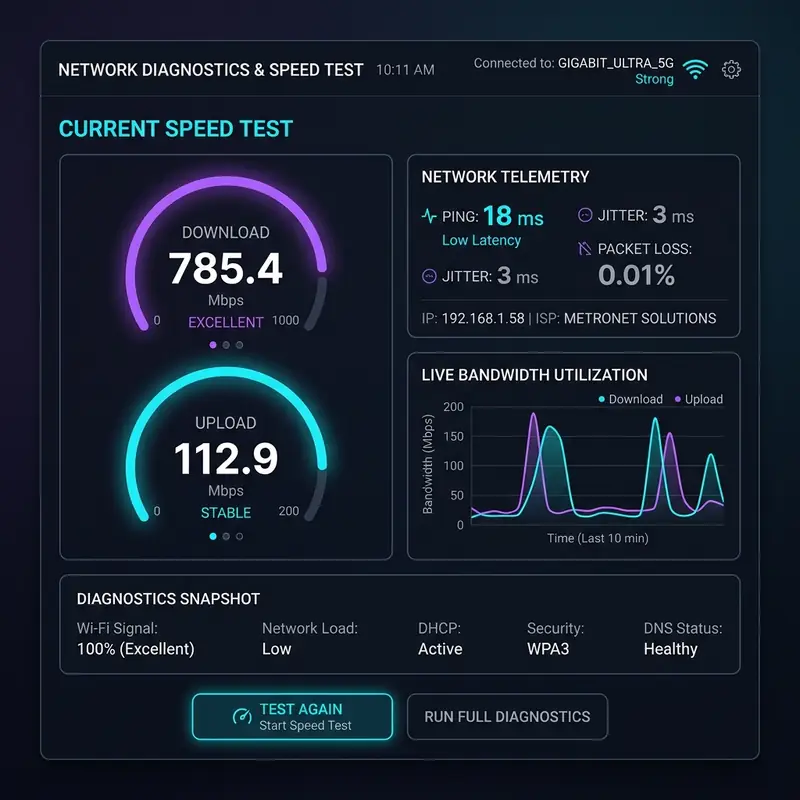
Cache policies significantly impact the overall performance of a WooCommerce store. Implementing caching mechanisms such as OPcache, Redis, or Memcached can drastically reduce the time taken to serve web pages.
OPcache, which caches precompiled PHP scripts, can significantly decrease the time it takes to execute PHP code. On the other hand, Redis and Memcached serve as in-memory data stores that cache database queries and other frequently accessed data, reducing the number of times the database needs to be queried.
Utilizing these caching tools not only enhances speed but also improves the scalability of the online store as it grows.
Networking metrics such as Time to First Byte (TTFB) latency, server load, and bandwidth allocation are critical indicators of server performance. TTFB measures the time it takes for a client's browser to receive the first byte of data from the server after making a request.
A lower TTFB indicates a more responsive server, which is vital for e-commerce platforms where every second counts. Monitoring server load is equally important; a server under high load can lead to slower response times and potential downtime.
Adequate bandwidth allocation ensures that the server can handle multiple simultaneous requests without degradation in performance.
To achieve an optimal configuration, server administrators should regularly conduct performance audits. This involves analyzing server logs, monitoring resource utilization, and benchmarking against industry standards.
Tools like Apache Bench or JMeter can simulate traffic and measure performance metrics, allowing for data-driven decisions regarding server tuning and optimizations. Furthermore, employing Content Delivery Networks (CDNs) can enhance performance by serving static assets closer to the end-user, thus reducing latency and improving loading speeds.
Lastly, understanding the interplay between server performance and WooCommerce's unique requirements is important. WooCommerce relies heavily on database interactions for product listings, inventory, and customer transactions.
Optimizing database queries, indexing critical fields, and ensuring that the database server is adequately resourced can significantly enhance the overall performance of the online store. By focusing on these advanced tuning techniques, online retailers can ensure that their WooCommerce hosting environment is not only responsive but also scalable, accommodating growth without compromising performance.
Server-Side Cybersecurity Protocols for WooCommerce Hosting

Another vital aspect of server-side security is the implementation of IP tables. IP tables act as a firewall on Linux-based systems, allowing administrators to define rules that control incoming and outgoing traffic.
By configuring IP tables to restrict access to only trusted IP addresses or specific ranges, store owners can greatly reduce the risk of unauthorized access. Furthermore, regular updates to these rules are necessary to adapt to changing security threats and to ensure that the server is protected against the latest attack vectors.
DDoS (Distributed Denial of Service) attacks pose a significant threat to online businesses, often overwhelming servers with excessive traffic. Employing a DDoS firewall can mitigate these risks by filtering malicious traffic before it reaches the server.
Advanced DDoS protection solutions analyze traffic patterns and automatically block suspicious activities while allowing legitimate traffic to flow through. This proactive approach not only safeguards the server but also ensures that legitimate customers can access the store without interruptions, which is critical for maintaining sales and customer satisfaction.
Directory permissions also play a important role in enhancing server security. Properly configuring file and directory permissions ensures that only authorized users have access to sensitive files and directories. For instance, restricting write permissions on directories that do not require public access can prevent unauthorized modifications or data breaches. Regular audits of directory permissions should be conducted to identify and rectify any misconfigurations that could expose the server to risks.
In addition to these technical measures, fostering a culture of cybersecurity awareness among all stakeholders involved in managing the WooCommerce site is essential. Regular training and updates on the latest security practices can prepare the team to respond effectively to potential threats. By prioritizing comprehensive server-side cybersecurity protocols, WooCommerce store owners can protect their business from cyber threats while providing a secure shopping experience for their customers.
Understanding Hosting Limitations: Shared Servers vs. Dedicated and Cloud Machines
When it comes to selecting the right hosting solution for a WooCommerce store, understanding the limitations of various hosting types is important. Shared hosting may appear attractive due to its cost-effectiveness, but it comes with significant limitations. On shared servers, multiple websites compete for the same resources, which can lead to slower performance, increased downtime, and security vulnerabilities. This can be particularly detrimental for e-commerce sites that require high availability and reliable performance, especially during peak shopping seasons or promotional events.In contrast, dedicated servers offer an isolated environment where all resources are exclusively available to a single user. This means more control over server configurations, improved performance, and enhanced security.
Dedicated hosting is ideal for larger WooCommerce stores or those experiencing rapid growth, as it can handle higher traffic volumes without compromising speed or reliability. However, the cost associated with dedicated servers may be prohibitive for smaller businesses, prompting them to explore alternative solutions.
Cloud hosting represents a significant advancement over traditional hosting models, combining the benefits of scalability, flexibility, and performance. With cloud hosting, resources can be dynamically allocated based on demand. This means that during high traffic periods, additional resources can be provisioned quickly to maintain optimal performance. However, cloud environments can also introduce complexity in terms of management and monitoring, requiring a more nuanced understanding of cloud architecture and configurations.
DNS propagation errors are another limitation that can affect WooCommerce hosting. When changes are made to DNS records, it can take time for those changes to propagate across the internet.
During this period, users may experience accessibility issues or inconsistencies when attempting to reach the online store. To mitigate these problems, it is essential to plan DNS changes carefully and communicate any potential downtime or issues to customers in advance, ensuring a seamless experience.
Database optimization is another critical aspect that can lead to performance traps if not handled correctly. While WooCommerce relies heavily on a SQL database to manage products, customers, and orders, poor database design or inefficient queries can lead to slow performance. Regular optimization tasks, such as indexing, cleaning up unused data, and optimizing queries, are essential to maintain the health of the database.
Additionally, understanding the Service Level Agreements (SLAs) offered by hosting providers is vital. An SLA outlines the expected level of service, including uptime guarantees and support response times. Choosing a provider with a strong SLA can significantly impact the reliability of the WooCommerce store.
In conclusion, the choice between shared, dedicated, and cloud hosting for WooCommerce involves careful consideration of each option's limitations and advantages. By understanding the nuances of each hosting type, online retailers can make informed decisions that align with their business needs and growth aspirations. Investing in the right hosting solution not only enhances performance but also contributes to the overall success and sustainability of the online store.