![Best Cheap Domain Registrars for Registering Domains [2026]](https://umoaupsqhrhivceztycp.supabase.co/storage/v1/object/public/media/posts/wifi-office.webp)
Finding the best cheap domain registrars in 2026 can save you money while establishing your online presence. In today's digital landscape, selecting the right domain registrar is critical for anyone looking to create a website or an online business. With a plethora of options available, it's easy to feel overwhelmed by the sheer number of choices.
However, understanding the nuances of each registrar's offerings can empower you to make the best decision for your needs. This guide aims to shed light on the best cheap domain registrars, comparing features, pricing, and additional offerings like WHOIS privacy to help you navigate the market effectively.
As we delve deeper into the world of domain registration, we will explore various aspects that are essential for making an informed decision. From the technical intricacies of web servers and hosting to practical troubleshooting steps, this blog post will provide a comprehensive overview.
We will also provide a comparative table of the registrars available, benchmarking their services against key metrics. As you read through, keep in mind the importance of selecting a registrar that not only fits your budget but also meets your technical requirements.
Understanding Web Servers and Hosting
Web servers and hosting play a significant role in the overall functionality of websites. A web server is a specialized computer designed to process requests from clients, typically web browsers. When a user types in a domain name, the request is sent to the web server, which retrieves the corresponding website files and sends them back to the user's browser for display. This interaction is fundamental to the web's architecture and is something every domain owner should understand.Hosting, on the other hand, refers to the service that enables individuals and organizations to make their websites accessible via the internet. Hosting providers offer a variety of plans that include different levels of resources and features.
For instance, shared hosting is a cost-effective option that allows multiple websites to share the same server resources, while dedicated hosting provides exclusive access to a server, ensuring better performance and security. Understanding these various hosting options is important for anyone looking to register a domain, as the chosen hosting plan will influence the website's performance, scalability, and overall user experience.
Furthermore, many registrars now bundle domain registration with hosting services, creating an all-in-one solution. This can be beneficial for users who are just starting and want a seamless process.
By understanding how web servers and hosting work, you can make a more informed decision when comparing domain registrars. This knowledge will also help you understand the importance of features like uptime guarantees, server locations, and customer support, all of which are critical to maintaining a successful online presence.
Step-by-Step Guide to Registering a Domain
Registering a domain name might seem like a straightforward process, but there are several steps to ensure that you select the right name and registrar. Follow this detailed guide to navigate through the registration process smoothly.1. **Brainstorm Domain Names**: Start by brainstorming several domain name ideas that reflect your brand, business, or personal website. Keep it simple, memorable, and relevant to your content. Utilizing keywords that describe your niche can also improve your search engine visibility.
2. **Check Domain Availability**: Once you have a list of potential names, the next step is to check their availability. Most registrars provide a search tool on their website where you can enter your desired domain name to see if it is already taken. If it is, consider variations, such as different extensions (.net, .co, etc.) or slight modifications to the name.
3. **Choose a Registrar**: After finding an available domain name, you need to select a registrar. Look for providers that offer competitive pricing, good customer support, and features that meet your needs, such as WHOIS privacy. Reading reviews and comparisons can be helpful in making your decision.
4. **Create an Account**: Once you’ve selected a registrar, you will need to create an account. This typically involves providing your email address and creating a password. Make sure to use a strong password to protect your account.
5. **Add Domain to Cart**: After creating your account, search for your chosen domain and add it to your cart. Many registrars offer additional services such as email hosting or website builders, which you can consider adding at this stage.
6. **Review Your Order**: Before finalizing your purchase, carefully review your order. Check the domain name, selected services, and total cost. Some registrars may try to upsell additional features, so ensure that you are only paying for what you need.
7. **Provide Registration Details**: You will need to fill out your registration details, including your name, address, and contact information. This information is important for domain ownership and will be publicly visible unless you opt for WHOIS privacy.
8. **Payment**: After entering your details, proceed to the payment stage. Most registrars accept various payment methods, including credit cards and PayPal. Ensure that you choose a secure payment method.
9. **Confirm Registration**: Once your payment is processed, you will receive a confirmation email. This email will contain important information about your new domain, including access details and instructions for managing your account.
10. **Set Up Domain and Hosting**: With your domain registered, you can now set up your hosting or link the domain to an existing website. Most registrars provide comprehensive guides on how to point your domain to your hosting server, making this step easier.

Comparative Table of Cheap Domain Registrars
To assist you in making an informed decision, the following table compares some of the best cheap domain registrars available in 2026. The comparison includes pricing, additional services, and key features like WHOIS privacy.| Registrar | Price (per year) | WHOIS Privacy | Additional Features | Customer Support |
|---|---|---|---|---|
| Namecheap | $8.88 | Free | Free email forwarding, DNS management | 24/7 live chat |
| GoDaddy | $11.99 | $7.99 | Website builder, 1-click WordPress install | 24/7 phone support |
| Bluehost | $12.99 | Free | Free SSL certificate, 1-year free hosting | 24/7 live chat |
| HostGator | $10.95 | Free | Free website builder, Cloudflare integration | 24/7 phone and chat support |
| 1&1 IONOS | $1.00 | Free | Free email account, website builder | 24/7 customer support |
The comparative table above provides a snapshot of the various registrars, highlighting key aspects that can influence your decision. Each registrar has its unique offerings, and understanding these can help you find the best deal for your domain registration needs.

Additional Resources and Recommended Links
As you embark on your journey to register a domain, it’s important to stay informed and updated about the latest trends and resources in the web hosting and domain registration industry. For further reading, consider checking out our other posts, such as Cheap Unlimited Web Hosting Plans and Best Free Web Hosting Control Panels for Linux VPS. These articles provide valuable insights and recommendations that can enhance your understanding and help you make better decisions for your online presence.Advanced Server Performance Tuning, Cache Policies, and Core Networking Metrics
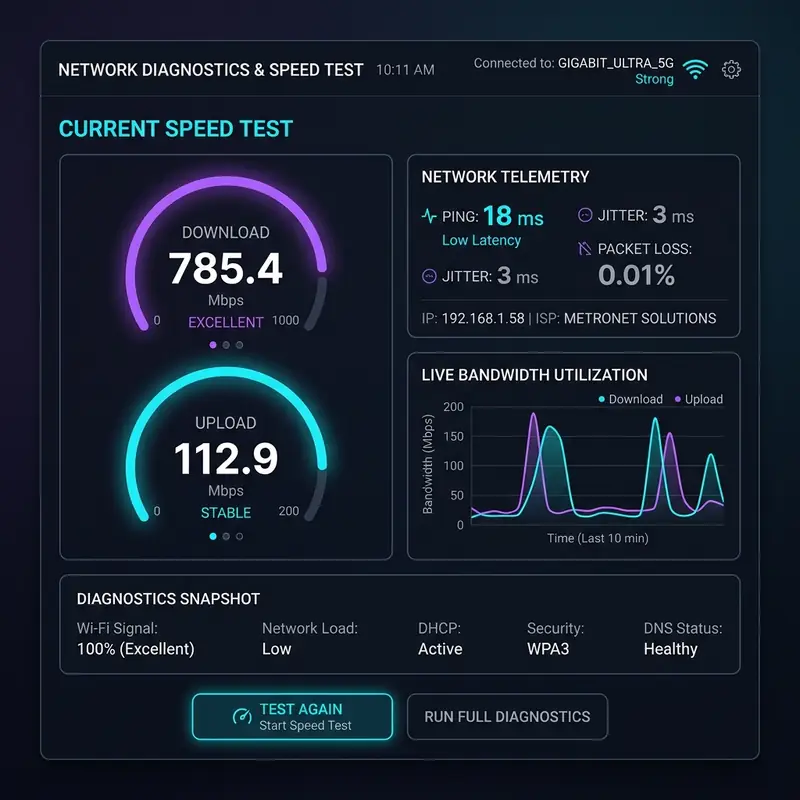
When managing a website, particularly one that relies heavily on user interaction or data processing, understanding and implementing advanced server performance tuning is invaluable. This process often begins with optimizing server configurations and ensuring that resources are used efficiently. Factors such as server load, Time to First Byte (TTFB) latency, and bandwidth allocation are critical components that can significantly impact overall site performance. TTFB measures the time taken for a user's browser to receive the first byte of data from the server, which can be influenced by various factors including server responsiveness and network latency. By analyzing this metric, webmasters can identify bottlenecks in their server setup and make necessary adjustments to improve overall speed.
Effective caching policies are a cornerstone of server performance optimization. Technologies like OPcache, Redis, and Memcached can dramatically improve loading times by storing frequently accessed data in memory, reducing the need for repeated database queries. OPcache, for example, is a PHP extension that caches precompiled script bytecode in memory, thus eliminating the need for PHP to load and parse scripts on every request. Redis and Memcached, on the other hand, are in-memory key-value stores that can cache data objects and support complex data structures, which can be leveraged for rapid data retrieval. Implementing these caching strategies not only enhances performance but also reduces server load, allowing for more efficient resource allocation.
Another important area of focus is core networking metrics, which help diagnose issues with server performance and user experience. Bandwidth allocation is critical, especially when dealing with high traffic. A well-configured server should have sufficient bandwidth to handle peak loads without compromising performance. Regular monitoring of bandwidth usage can aid in identifying trends and potential issues, allowing webmasters to adjust their hosting plans or server configurations accordingly. Additionally, analyzing server load metrics can help determine if the server is being pushed beyond its limits, prompting the need for scaling solutions or load balancing to distribute traffic efficiently.
Furthermore, the synergy between server performance tuning and caching strategies becomes even more pronounced when integrated with Content Delivery Networks (CDNs). CDNs enhance performance by distributing content across multiple geographic locations, ensuring that users receive data from the nearest server, thereby reducing latency. By combining CDN usage with advanced caching policies, websites can achieve remarkable improvements in loading times, ultimately leading to enhanced user satisfaction and engagement.
Ultimately, the goal of advanced server performance tuning is to create an optimal environment that not only meets current demands but is also scalable for future growth. Regular assessments of TTFB, server load, bandwidth allocation, and caching mechanisms will enable webmasters to maintain a robust infrastructure that can withstand the test of time and evolving web standards. Investing in these technical optimizations is not merely a best practice but a necessity for maintaining a competitive edge in the digital landscape.
Implementing Robust Server-Side Cybersecurity Protocols

In an increasingly interconnected world, implementing robust server-side cybersecurity protocols is fundamental to protecting sensitive data and maintaining user trust. SSL (Secure Sockets Layer) certificates are among the first lines of defense against potential threats. By encrypting data transmitted between the user's browser and the server, SSL certificates ensure that sensitive information such as login credentials and payment details remain confidential. Proper configuration of SSL certificates is essential; misconfigurations can lead to vulnerabilities that attackers may exploit. Tools like SSL Labs can be utilized to evaluate SSL configurations, providing insights into the strength of encryption and potential weaknesses that need addressing.
Beyond SSL certificates, configuring IP tables is a critical component of server security. IP tables act as a firewall, controlling the incoming and outgoing traffic on a server. By establishing specific rules and policies, server administrators can block unauthorized access and mitigate potential threats. For instance, limiting access to certain IP ranges or denying specific protocols can significantly reduce the server's attack surface. Regularly reviewing and updating these rules in response to emerging threats is vital for maintaining effective security measures.
DDoS (Distributed Denial of Service) attacks pose a significant threat to online services, often overwhelming servers with excessive traffic. Implementing a DDoS firewall can act as a protective barrier, filtering out malicious traffic before it reaches the server. Solutions such as Cloudflare or AWS Shield provide robust DDoS protection, leveraging advanced algorithms to differentiate between legitimate users and attackers. Continuous monitoring of traffic patterns is essential to respond quickly to any unusual spikes, ensuring that legitimate users can still access services during an attack.
Another critical aspect of server-side security involves managing directory permissions. Incorrectly set permissions can lead to unauthorized access to sensitive files, making it important to implement the principle of least privilege. This principle states that users should only have access to the files and directories necessary for their roles. Regular audits of directory permissions help identify and rectify any misconfigurations, ensuring that sensitive areas of the server remain protected from unauthorized access. Utilizing tools that automate permission checks can streamline this process, providing additional layers of security.
In addition to these measures, fostering a culture of cybersecurity awareness among team members is vital. Regular training sessions on recognizing phishing attempts and secure password practices can significantly reduce the risk of human error, which is often a weak link in the security chain. By integrating these protocols into the overall server management strategy, organizations can create a more secure environment that protects not only their data but also their reputation in the digital marketplace.
Exploring Hosting Limitations: Shared Servers vs Dedicated/Cloud Machines
When considering the type of hosting environment for a domain, it's essential to evaluate the limitations and capabilities of shared servers versus dedicated and cloud machines. Shared hosting is typically the most economical option, allowing multiple websites to reside on a single server. However, this comes with inherent limitations, such as restricted access to server configurations and limited resources. Performance can suffer during peak traffic times, as resources are allocated among several users, potentially leading to slow loading times and downtime. For small websites or personal blogs, shared hosting might suffice, but as a business grows, the drawbacks can become significant.
On the other hand, dedicated servers and cloud machines provide a more robust hosting solution, better suited for high-traffic websites and applications. Dedicated servers offer complete control over the server environment, allowing for tailored configurations and optimizations that meet specific needs. This flexibility comes at a higher cost, but for businesses that require consistent uptime and superior performance, the investment often pays off. Cloud hosting, meanwhile, leverages a network of virtual servers, providing scalability and resilience. With cloud solutions, resources can be adjusted dynamically based on demand, making them particularly advantageous for websites with fluctuating traffic patterns.
Another aspect worth considering is DNS propagation errors, which can occur during domain registration or server migration. DNS changes can take time to propagate across the internet, leading to temporary accessibility issues. Understanding the TTL (Time to Live) settings on DNS records can help mitigate these problems, as lowering the TTL before making changes can expedite propagation. However, it's important to strike a balance; excessively low TTL values can lead to increased DNS query load, potentially affecting performance. This consideration is especially relevant for shared hosting environments, where server resource management is critical.
Database optimization is a key factor that can often trap website owners, particularly those using shared hosting. Shared environments can limit the performance of database queries, leading to slow retrieval times and overall sluggishness. On dedicated or cloud servers, administrators can implement optimization techniques such as indexing, query caching, and proper normalization to enhance database performance. These optimizations not only improve user experience but also reduce server load and increase efficiency, allowing for better resource allocation.
Lastly, understanding Service Level Agreements (SLAs) is important when selecting a hosting provider. An SLA outlines the expected level of service, including uptime guarantees, support response times, and compensation for service failures. Reviewing SLAs can help businesses ensure that their hosting provider aligns with their operational requirements and values. For instance, a web application relying on near-instantaneous load times may prioritize a provider with an uptime SLA of 99.9% or higher. Evaluating these critical factors allows businesses to make informed decisions about their hosting solutions, ensuring they choose an environment that can support their growth and operational needs.