Solar Energy for Condos and Apartments: How It Works and Who Pays
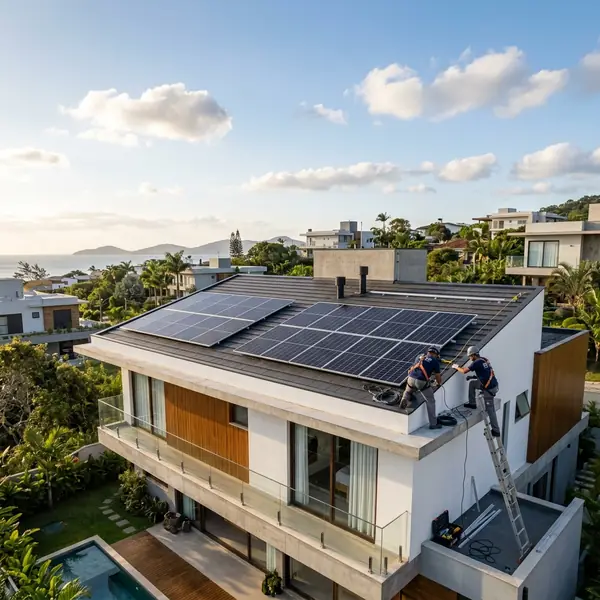
Solar energy is a viable solution for condos and apartments, providing renewable energy while sharing costs among residents.
Understanding Solar Energy Systems
Solar energy systems convert sunlight into usable electricity through photovoltaic (PV) cells. These systems can significantly reduce energy costs for residential complexes.
Solar panels are typically installed on rooftops or in shared spaces, allowing multiple units to benefit from the generated power.
How Solar Energy Works in Multi-Unit Dwellings
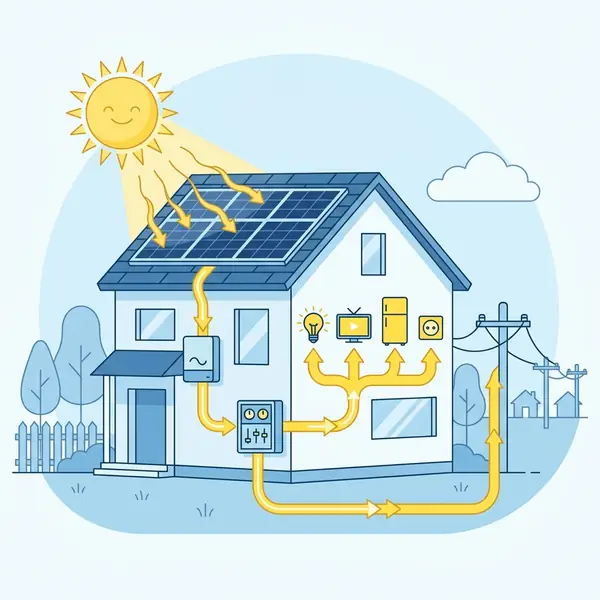
The process begins with sunlight hitting the solar panels, which then convert this light into electricity. This electricity can be used directly by the building or fed back into the grid.
In condominiums or apartment buildings, shared solar installations allow for the distribution of electricity to all units, making it more efficient and cost-effective.
Components of a Solar Energy System
A typical solar energy system includes solar panels, an inverter, and a monitoring system. Solar panels capture sunlight, while the inverter converts the DC electricity generated into AC electricity for household use.
Monitoring systems track performance, ensuring optimal efficiency and allowing for maintenance when necessary.
Types of Solar Energy Systems for Condos
There are two main types of solar energy systems that can be implemented in condominiums: on-grid and off-grid systems. On-grid systems are connected to the local utility grid, while off-grid systems operate independently.
Choosing between these systems depends on factors such as energy needs, budget, and local regulations. For more detailed information, refer to this article on on-grid vs off-grid solar.
Cost Considerations for Solar Installations
Initial installation costs for solar energy systems can be significant, but several financial incentives exist. Tax credits, rebates, and financing options can substantially lower upfront costs.
In many cases, costs are shared among residents, making solar solutions more affordable for individual unit owners.
Financing Options for Residents
Diverse financing options are available for condo and apartment residents looking to invest in solar energy. Common methods include solar loans, power purchase agreements (PPAs), and leasing agreements.
These options allow residents to choose the best financial approach based on their unique circumstances and preferences.
Benefits of Solar Energy for Condos and Apartments
Implementing solar energy systems in residential complexes offers numerous advantages. These include reduced energy bills, increased property value, and a smaller carbon footprint.
Solar energy contributes to sustainability goals, promoting a cleaner environment and reducing dependence on fossil fuels.
Environmental Impact
Switching to solar energy can significantly decrease greenhouse gas emissions. This transition plays a crucial role in combating climate change and promoting renewable energy sources.
Furthermore, solar energy contributes to energy independence by reducing reliance on non-renewable energy sources.
Challenges and Considerations
While the benefits of solar energy are substantial, challenges may arise in the implementation process. Factors such as space limitations, structural assessments, and community agreements can complicate installation.
Additionally, the variation in local regulations and incentives can affect the feasibility of solar projects in different regions.
Community Engagement and Decision-Making
Engaging the community is essential for successful solar energy projects in multi-unit dwellings. Meetings should be held to discuss the benefits, challenges, and financial implications of solar installations.
Building a consensus among residents facilitates smoother decision-making and project implementation.
To expand on this subject, it is highly useful to also explore how to how residential solar works in detail.
Frequently Asked Questions
What is the average cost of solar installation for condos?
The average cost can vary significantly depending on the size of the system and available incentives, but costs typically range from $15,000 to $30,000 for a shared system.
Can residents opt-out of a community solar program?
Yes, residents can often choose to opt-out, but this may affect the overall cost savings for the entire building.
How is the electricity generated from solar panels distributed?
Electricity generated from solar panels is typically distributed through the building's electrical systems, allowing units to draw power as needed.
What are the maintenance requirements for solar panels?
Maintenance is generally low, but regular inspections and cleaning may be required to ensure optimal performance of the solar panels.
Is it possible to sell excess energy back to the grid?
Yes, many regions allow residents to sell excess energy back to the grid, providing additional financial benefits.
Understanding Solar Energy Systems (Market overview analysis)
Solar energy systems convert sunlight into electricity using photovoltaic (PV) cells. These systems can be installed on rooftops or integrated into building designs, providing a renewable energy source for condos and apartments.
Solar panels generate direct current (DC) electricity, which is then converted into alternating current (AC) electricity for use in residential settings. This process is facilitated by an inverter, a critical component of any solar energy system.
Installation Checklist for Solar Panels
Before installation, a comprehensive site assessment is essential. This includes evaluating roof orientation, shading from nearby structures, and structural integrity to support the solar panels.
Obtaining necessary permits and approvals is crucial, as local regulations may dictate specific installation practices. Engaging with a certified solar installer can streamline this process and ensure compliance with all legal requirements.
Financial Considerations for Solar Energy
Cost assessments for solar installations involve evaluating system size, type of panels, and installation complexity. Financial incentives, such as tax credits and rebates, can significantly reduce the initial investment.
Long-term savings on electricity bills should also be calculated, as solar energy can lead to substantial cost reductions over the lifespan of the system. Analyzing financing options, including loans and leases, is recommended to determine the best approach for individual circumstances.
Warranties and Maintenance of Solar Systems
Most solar panels come with a performance warranty lasting 25 years, ensuring a minimum level of energy production. Additionally, manufacturers typically offer a product warranty that covers defects and material failures.
Routine maintenance is necessary to ensure optimal performance, including regular cleaning of panels and inspection of system components. An established maintenance schedule can help identify and address potential issues before they escalate.
Troubleshooting Common Solar Energy Issues
Common issues with solar energy systems can include decreased energy production and inverter malfunctions. Monitoring system output can help detect performance drops, prompting further investigation.
If panels are underperforming, checking for shading, dirt accumulation, or damage is advised. Inverter issues may require a reset or, in some cases, professional service to rectify the problem.
Community Solar Programs for Multi-Unit Residences
Community solar programs allow multiple residents to share the benefits of solar energy without individual installations. This model is particularly beneficial for renters or those living in multi-unit buildings with limited roof space.
Participants typically subscribe to a share of a larger solar farm, receiving credits on their electricity bill based on their subscription. Understanding local community solar options can provide an accessible pathway to renewable energy for all residents.
Impact of Solar Energy on Property Value
Installing solar energy systems can enhance property value, making condos and apartments more attractive to potential buyers. Properties equipped with solar panels are often perceived as modern and energy-efficient, appealing to eco-conscious consumers.
Research indicates that homes with solar installations can sell for a premium compared to non-solar properties. This trend underscores the financial viability of investing in solar energy for residential buildings.
Understanding Solar Energy Basics
Solar energy harnesses sunlight to generate electricity or heat. This renewable energy source is increasingly popular among residential buildings, including condos and apartments.
How Solar Panels Work
Solar panels consist of photovoltaic (PV) cells that convert sunlight into electricity. When sunlight hits these cells, it creates an electric field that generates direct current (DC) electricity.
Components of a Solar Energy System (Market overview analysis)
- Solar Panels: Capture sunlight and convert it into electricity.
- Inverters: Convert DC electricity from the panels into alternating current (AC) electricity for use in homes.
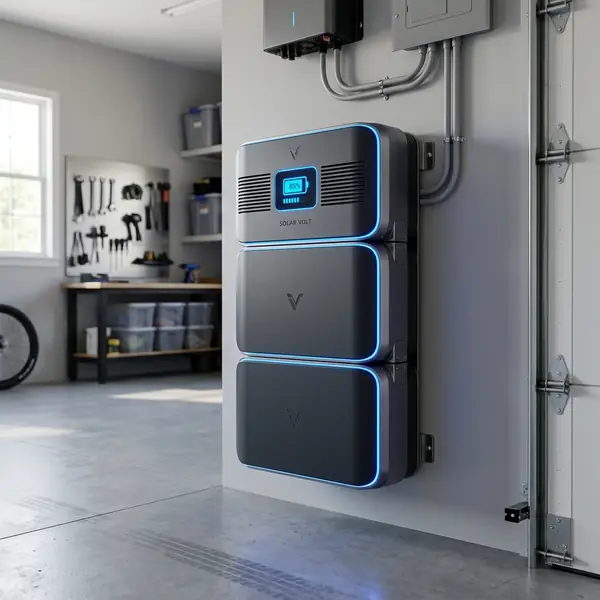
- Batteries: Store excess energy for use during cloudy days or at night.
- Mounting Systems: Secure the solar panels to roofs or other structures.
Benefits of Solar Energy for Condos and Apartments (Market overview analysis)
Using solar energy can significantly reduce electricity bills for residents. Additionally, it contributes to environmental sustainability by reducing reliance on fossil fuels.
Cost Savings
Solar energy reduces monthly utility costs, making it an attractive investment for condo and apartment dwellers. Many regions also offer tax credits and incentives for solar installations.
Environmental Impact (Market overview analysis)
Solar energy is a clean and renewable source of energy that decreases carbon footprints. Reducing greenhouse gas emissions helps combat climate change and promotes healthier living environments.
Types of Solar Energy Systems for Multi-Unit Dwellings
Several solar energy systems can be implemented in condos and apartments, depending on the building's structure and design. Each system has its unique advantages and considerations.
Rooftop Solar Systems
Rooftop solar panels are the most common installation method for condos. They can be installed on individual units or collectively for the entire building.
Shared Solar Programs
Shared solar allows multiple units to benefit from a single solar array located off-site. This system is ideal for buildings with limited rooftop space.
Community Solar Gardens
Community solar gardens are larger solar farms that provide energy to multiple residents. Participants can buy into the project and receive credits on their electricity bills.
Financing Options for Solar Energy Systems
Financing solar energy systems can be a significant barrier for many residents. However, various options are available to ease the financial burden.
Purchase and Installation Costs
Residents can buy solar panels outright, incurring upfront costs but reaping long-term savings. This option may require a significant initial investment.
Solar Loans
Solar loans allow residents to borrow money to install solar panels. Monthly payments are typically offset by the energy savings generated by the system.
Leases and Power Purchase Agreements (PPAs)
Leasing solar panels or entering into a PPA allows residents to use solar energy without the upfront costs. Payments are made based on energy production rather than ownership.
Who Pays for Solar Energy Systems?
The question of who pays for solar energy systems in condos and apartments can vary based on ownership structures and agreements. Understanding these dynamics is crucial for residents considering solar energy.
Individual Unit Owners
In some cases, individual unit owners may choose to install solar panels on their rooftops. This option typically requires approval from the condo association or management.
Condo Associations
Condo associations may decide to install solar panels for the entire building. In this case, costs are often shared among residents through monthly fees or special assessments.
Landlords and Property Managers
In rental apartments, landlords may invest in solar energy systems to reduce operating costs. This investment can enhance property value and attract eco-conscious tenants.
Regulatory Considerations
Understanding local regulations and incentives is essential for implementing solar energy systems. Different regions have varying laws regarding solar installations.
Building Codes and Permits
Compliance with building codes and obtaining necessary permits is crucial for solar installations. Local regulations can dictate the design and placement of solar panels.
Net Metering Policies
Net metering allows solar system owners to sell excess energy back to the grid. This policy can significantly enhance the financial viability of solar projects.
Challenges of Solar Energy in Multi-Unit Dwellings
While solar energy offers numerous benefits, several challenges can arise in condos and apartments. Addressing these challenges is vital for successful implementation.
Space Limitations
Many condos and apartments may lack sufficient rooftop space for solar panels. Creative solutions, such as shared solar, can help overcome this limitation.
Decision-Making Dynamics
In multi-unit buildings, reaching consensus on solar installations can be challenging. Effective communication and collaboration among residents and management are essential.
Conclusion
Solar energy presents a viable solution for condos and apartments seeking to reduce energy costs and environmental impact (Market overview analysis)s. Understanding how solar energy systems work and financing options available can empower residents to make informed decisions.
DomineTec Tip: Research local incentives and financing options to make solar installations more affordable for residents.




