How Does Residential Solar Energy Work? Complete Guide [2026]
![How Does Residential Solar Energy Work? Complete Guide [2026]](https://umoaupsqhrhivceztycp.supabase.co/storage/v1/object/public/media/posts/solar_panels_home.webp)
Financial Benefits of Residential Solar Energy
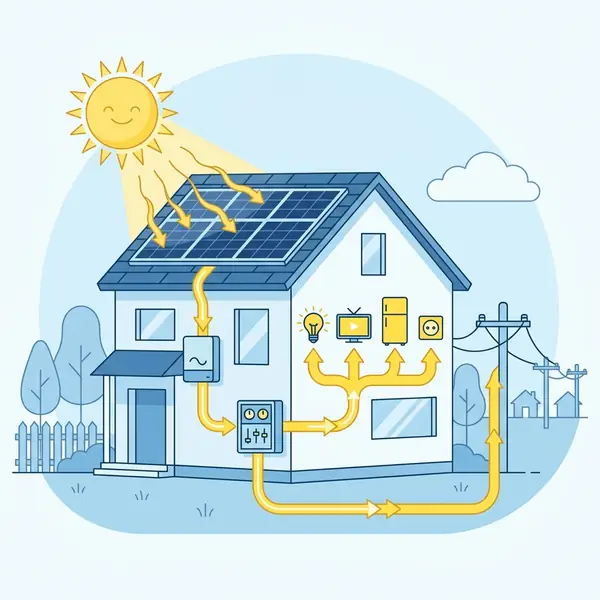
Residential solar energy works by capturing sunlight with photovoltaic panels, converting it into DC electricity, and using an inverter to supply AC power. Choosing and installing the right system ensures energy independence and long-term utility bill reductions.
Residential solar energy works by capturing sunlight with photovoltaic panels, converting it into DC electricity, and using an inverter to supply AC power. Choosing and installing the right system ensures energy independence and long-term utility bill reductions.
Investing in residential solar energy can lead to substantial financial savings. As of 2026, the average cost of solar panel installation in the U.S. is approximately $2.50 to $3.50 per watt, making the total system cost for a typical home around $15,000 to $25,000 before incentives.
Homeowners can expect a payback period of 5 to 7 years, depending on local energy prices and available tax credits.
Tax incentives, such as the federal solar investment tax credit (ITC), currently allows homeowners to deduct 30% of their solar installation costs from their federal taxes. This can significantly reduce the upfront cost and improve return on investment, making solar energy more accessible for many households.
Additionally, solar energy systems can increase property values. A study by the National Renewable Energy Laboratory (NREL) found that homes with solar installations sold for an average of $15,000 more than comparable homes without solar energy systems.
Choosing the Right Solar System for Your Home
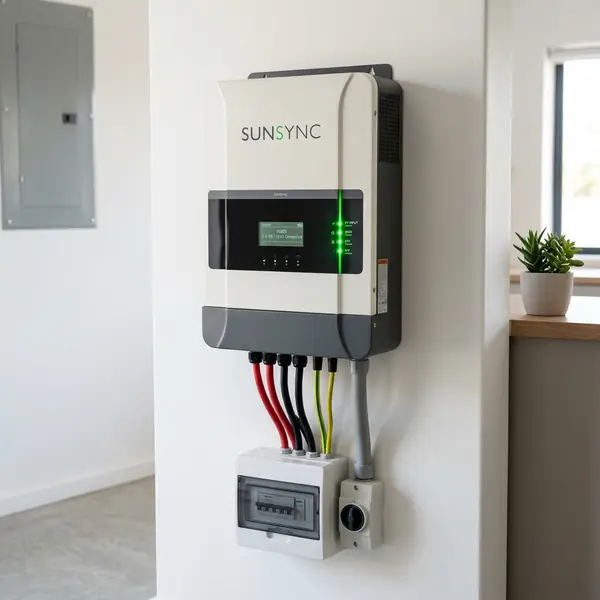
When selecting a solar energy system, consider factors such as your energy consumption, roof space, and budget. A solar installer can conduct a site assessment to determine the optimal system size and configuration for your specific needs. It’s important to evaluate the energy efficiency of your home before investing in solar, as reducing overall consumption can enhance the benefits of your solar system.
For example, if your average monthly electricity bill is $150, you may require a system that generates around 6 kW of power, which can cost between $15,000 and $21,000. However, investing in energy-efficient appliances and insulation could lower your consumption, allowing for a smaller, more cost-effective solar system.
Additionally, some homeowners opt for community solar programs, which allow them to purchase or lease a portion of a larger solar array. This can be a viable option for those who may not have suitable roof space or cannot afford the upfront costs of a personal solar installation.
Understanding Net Metering
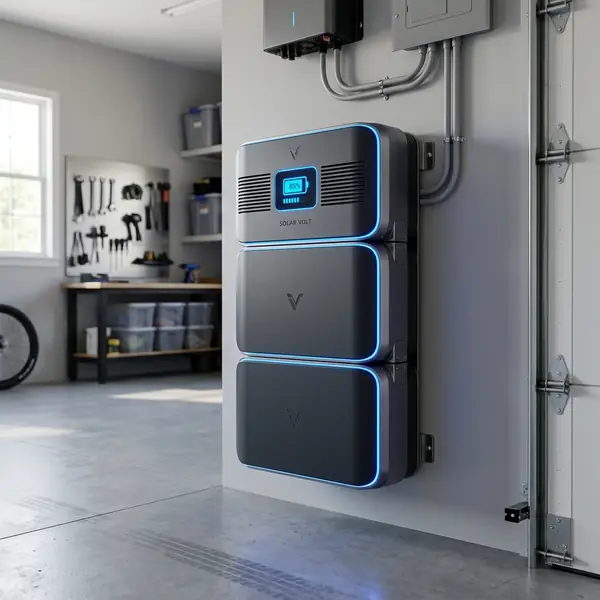
Net metering is a billing arrangement that allows homeowners with solar systems to receive credits for excess electricity they generate and feed back into the grid. In many states, this means that during sunny days when your system produces more power than you need, the extra energy is sent to your utility, and you receive a credit on your bill.
As of 2026, around 40 states and Washington D.C. have net metering policies in place, with varying compensation rates. This can significantly enhance the financial benefits of solar energy, as homeowners can effectively reduce or even eliminate their electricity bills over time.
It’s important to check your local utility’s net metering policy, as some utilities may have caps on the amount of solar energy that can be net metered, which can affect the overall savings potential of your solar investment.
Maintenance and Longevity of Solar Systems
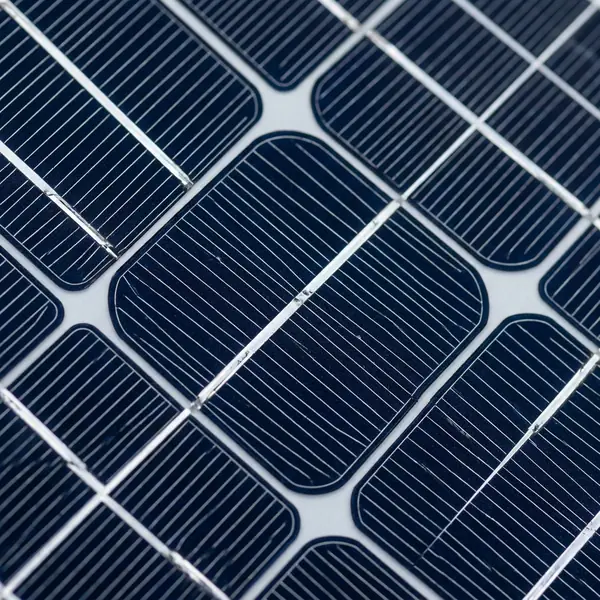
One of the advantages of solar panels is their low maintenance requirements. Most solar systems come with warranties ranging from 20 to 25 years, and they are designed to withstand various weather conditions. Regular cleaning and inspections can help maximize efficiency and ensure long-term performance.
Homeowners should clean their solar panels occasionally, especially in areas with heavy dust or pollen. Moreover, routine inspections by a qualified technician can help spot any potential issues early, ensuring the system operates efficiently throughout its lifespan.
In many cases, solar inverters may need to be replaced after 5 to 15 years, depending on the type. Staying informed about your system's performance can help you catch problems early and maintain your energy savings over time.
Comparison of Solar Panel Types
| Type of Solar Panel | Efficiency | Cost per Watt (USD) | Durability | Best Use |
|---|---|---|---|---|
| Monocrystalline | 15-22% | $3.00 - $4.00 | 25+ years | Homes with limited roof space |
| Polycrystalline | 13-16% | $2.50 - $3.50 | 25+ years | Homes with ample roof space |
| Thin-Film | 10-12% | $1.50 - $2.50 | 15-25 years | Large commercial installations |
This comparison highlights the different types of solar panels available, each with its own advantages and disadvantages. Homeowners should consider their unique circumstances, such as roof space and budget, when selecting the right type of solar panel for their needs.
In conclusion, the decision to invest in residential solar energy can provide substantial long-term benefits, both financially and environmentally. By understanding the technology, financial incentives, and maintenance requirements, homeowners can make informed decisions that align with their energy goals.
Understanding Solar Energy Components
To fully grasp how residential solar energy works, it's important to understand the main components involved in a solar energy system. These components include solar panels, inverters, mounting systems, and battery storage options.
Solar panels, typically made of silicon, convert sunlight into electricity. The inverter then transforms this direct current (DC) into alternating current (AC), which is used in homes.
Mounting systems secure the panels on the roof or ground, while battery storage allows homeowners to store excess energy produced during the day for use at night or during cloudy periods.
Evaluating Solar Energy Efficiency
Efficiency is a critical factor when considering solar energy systems. It measures how much sunlight is converted into usable electricity.
Modern solar panels have efficiencies ranging from 15% to over 22%. Higher efficiency panels can generate more electricity in limited space, making them ideal for smaller rooftops.
Factors affecting solar panel efficiency include temperature, shading, and the angle at which the panels are installed. Regular maintenance and cleaning can also help maintain optimal efficiency.
Financial Incentives and Rebates for Solar Energy
Various financial incentives can significantly reduce the cost of installing solar energy systems. Federal tax credits, state-specific incentives, and local rebates can make solar more accessible.
As of 2026, the federal solar tax credit allows homeowners to deduct 26% of the total installation cost from their taxes, with some states offering additional incentives.
Additionally, many utility companies provide rebates for solar installations, which can further lower upfront costs. Researching and utilizing these incentives can greatly improve the return on investment for solar systems.
Environmental Impact of Solar Energy
Switching to solar energy not only benefits homeowners financially but also has positive environmental impacts. Solar energy is a clean, renewable resource that helps reduce greenhouse gas emissions.
According to the National Renewable Energy Laboratory (NREL), a typical residential solar system can offset about 100 tons of carbon dioxide over its lifetime. This translates to the equivalent of taking several cars off the road.
Moreover, solar systems contribute to energy independence by reducing reliance on fossil fuels, promoting a more sustainable energy future.
| Component | Function | Average Cost (2026) |
|---|---|---|
| Solar Panels | Convert sunlight into electricity | $0.70 - $1.00 per watt |
| Inverter | Convert DC to AC electricity | $1,000 - $3,000 |
| Mounting System | Secure panels on the roof or ground | $300 - $1,000 |
| Battery Storage | Store excess energy for later use | $5,000 - $15,000 |
DomineTec Tip: Always check for local incentives and rebates before installing solar panels to maximize savings.
How do I choose the right solar panel for my home?
Choosing the right solar panel involves considering efficiency, cost, warranty, and manufacturer reputation. It's also beneficial to consult with local solar installers for tailored recommendations.
Can I install solar panels myself?
While some homeowners choose to install solar panels themselves, it's usually recommended to hire professionals. They ensure compliance with local codes and optimize system performance.
What happens to solar panels when it rains or snows?
Rain can actually help clean solar panels, maintaining their efficiency. Snow typically melts off during sunny conditions, allowing panels to generate electricity once again.
Are solar panels worth the investment?
Solar panels can be a worthwhile investment due to long-term savings on electricity bills, increased home value, and available incentives, making them financially beneficial for many homeowners.
Understanding the Components of Residential Solar Energy Systems
Residential solar energy systems consist of several key components that work together to convert sunlight into usable electricity. The primary components include solar panels, inverters, mounting systems, and battery storage.
Solar panels, typically made from silicon, capture sunlight and convert it into direct current (DC) electricity. Inverters then convert the DC electricity to alternating current (AC), which is the standard power format used in homes.
Mounting systems secure the panels to rooftops or ground mounts, ensuring they are optimally positioned to harness sunlight. Battery storage systems, while optional, allow homeowners to store excess energy for use during non-sunny periods, enhancing energy independence.




