On-Grid vs. Off-Grid Solar System: Key Differences Explained

Understanding On-Grid vs. Off-Grid Solar Systems
The main difference between on-grid and off-grid solar is that on-grid systems connect to the utility grid, while off-grid systems use batteries. Choosing and installing the right system ensures energy independence and long-term utility bill reductions.
The main difference between on-grid and off-grid solar is that on-grid systems connect to the utility grid, while off-grid systems use batteries. Choosing and installing the right system ensures energy independence and long-term utility bill reductions.
When considering solar energy for your home, it's important to understand the differences between on-grid and off-grid solar systems. Both systems harness solar energy, yet they operate in fundamentally different ways. Understanding these differences will help you make a well-informed decision.
On-grid systems are connected to the local utility grid, allowing homeowners to use grid electricity when their solar panels aren’t producing power. In contrast, off-grid systems operate independently of the utility grid. These systems rely entirely on solar energy, providing complete energy autonomy.
On-Grid Solar Systems Explained
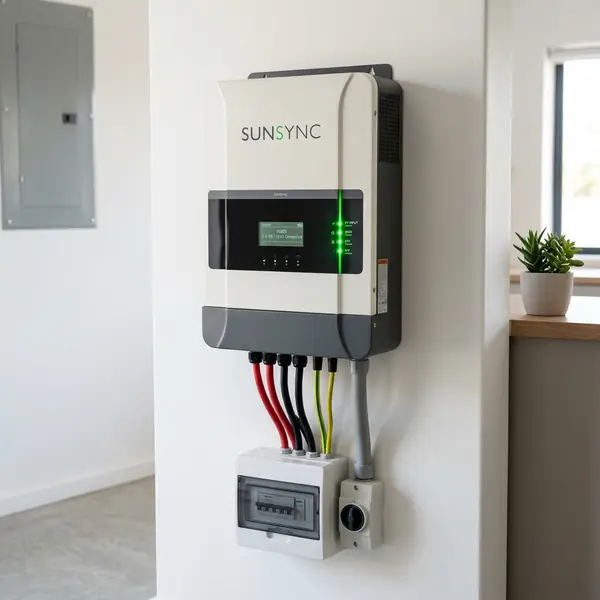
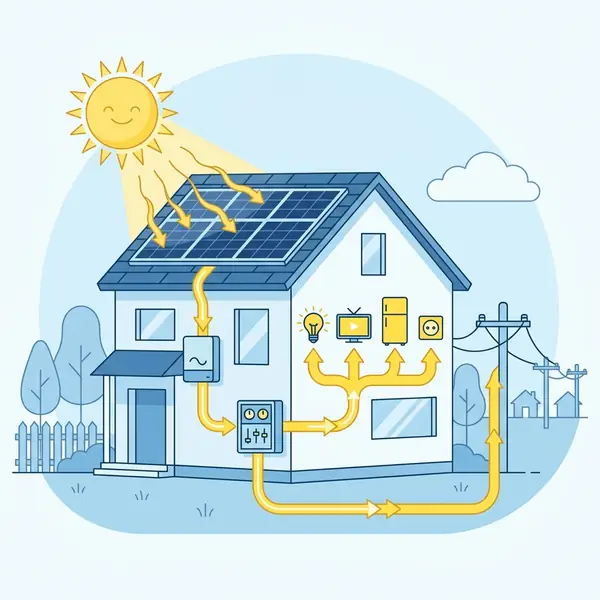
An on-grid solar system connects directly to the utility grid. This enables homeowners to draw electricity from the grid when solar production is insufficient. This is especially useful during cloudy days or at night when solar panels generate no energy.
One of the significant advantages of on-grid systems is net metering. This allows homeowners to sell excess energy back to the grid, often at the same rate they purchase it. As of 2026, the average cost for residential solar systems is around $3.00 per watt, making a typical 6 kW system approximately $18,000 before incentives.
Net metering can significantly reduce electricity bills. According to the National Renewable Energy Laboratory (NREL), homeowners can expect a payback period of about 5 to 7 years, depending on local incentives. This makes on-grid systems an attractive option for many homeowners.
Off-Grid Solar Systems Explained
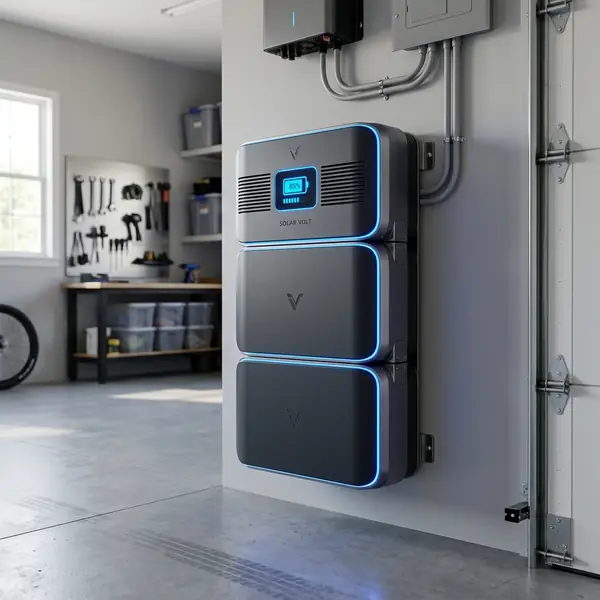
Off-grid solar systems operate independently of the utility grid. They are designed for areas where grid access is unavailable or unreliable. These systems include solar panels, an inverter, and a battery storage system to store excess energy.
Battery storage is key in off-grid systems, as it allows homeowners to use stored energy during periods of low sunlight. The initial investment for off-grid systems is generally higher, averaging around $4.00 to $5.00 per watt due to the cost of batteries and other components. A typical 6 kW off-grid system can cost between $24,000 and $30,000.
Despite the higher upfront costs, off-grid systems provide energy independence. Homeowners can avoid utility rate increases and power outages. However, careful planning is important to ensure that the system is adequately sized for energy needs.
Cost Comparison of On-Grid and Off-Grid Systems
Understanding the financial implications of both systems is key when deciding which solar solution to pursue. On-grid systems typically have lower installation costs due to the absence of battery storage, averaging $18,000 for a 6 kW system.
In contrast, off-grid systems can range from $24,000 to $30,000 for the same capacity, primarily due to the expense of battery storage and additional equipment. According to the Solar Energy Industries Association (SEIA), these costs can vary widely based on local market conditions and available incentives.
| Feature | On-Grid System | Off-Grid System |
|---|---|---|
| Connection to Utility Grid | Yes | No |
| Average Cost per Watt | $3.00 | $4.00 - $5.00 |
| Typical System Cost (6 kW) | $18,000 | $24,000 - $30,000 |
| Payback Period | 5-7 years | 10-15 years |
| Energy Independence | No | Yes |
Practical Tips for Choosing Solar Systems
When deciding between on-grid and off-grid solar systems, consider your energy needs, location, and budget. If you live in a region with reliable grid access and favorable net metering policies, an on-grid system is often more economical.
For those in remote areas or those seeking energy independence, an off-grid system may be the better choice. It's important to calculate your energy consumption accurately to size your system correctly, especially for off-grid installations.
Real-World Examples and Case Studies
Many homeowners have successfully transitioned to solar energy, showcasing both on-grid and off-grid systems. For example, a family in California installed a 6 kW on-grid system and reported a reduction in their electricity bill by over 50%, achieving payback in just 5 years.
Conversely, a remote cabin owner in Colorado opted for a 5 kW off-grid system, spending around $28,000. They appreciated the energy independence it provided, allowing them to enjoy their property without worrying about utility outages or rising electricity costs.
The Future of Solar Energy Systems
Looking ahead, the solar energy market in the U.S. is projected to grow significantly. According to the U.S.
Energy Information Administration (EIA), solar power is expected to make up 20% of the nation's electricity generation by 2030.
This growth is driven by technological advancements, decreasing costs, and increasing awareness of renewable energy benefits. Homeowners should stay informed about the latest incentives and rebates available, making solar energy more accessible than ever.
Cost Analysis: On-Grid vs. Off-Grid Solar Systems
When considering a solar system, cost is a significant factor. On-grid systems generally have a lower initial investment compared to off-grid systems due to reduced equipment needs. The average cost of an on-grid solar system in the U.S.
is around $3,000 to $4,000 per installed kilowatt, whereas off-grid systems can range from $4,000 to $7,000 per kilowatt, depending on battery storage requirements.
Additionally, on-grid systems can benefit from net metering, allowing homeowners to sell excess energy back to the grid. This can help offset installation costs and lead to a faster return on investment. In contrast, off-grid systems require a larger upfront investment in batteries and inverters, often extending the payback period to 10-15 years.
Environmental Impact: A Comparative Look
Both on-grid and off-grid solar systems provide clean energy alternatives, but their environmental impacts can vary. On-grid systems contribute to a reduced carbon footprint by utilizing existing infrastructure and reducing reliance on fossil fuels. They facilitate greater energy efficiency by balancing supply and demand through the grid.
Off-grid systems, while also eco-friendly, require more resources for battery production and maintenance. However, they offer energy independence and can be key in remote areas. For those concerned about sustainability, choosing high-quality solar panels and batteries can mitigate some environmental impacts associated with off-grid systems.
Technological Advances in Solar Energy Systems
Recent advancements in solar technology have significantly impacted both on-grid and off-grid systems. Innovations such as bifacial solar panels, which capture sunlight on both sides, have improved efficiency and energy production. Additionally, smart inverters now optimize energy usage and can provide real-time data monitoring.
Battery technology has also seen considerable improvements, with lithium-ion batteries becoming more efficient and affordable. These advancements are making it easier for off-grid systems to provide reliable energy storage solutions, thereby reducing the cost and complexity of these setups. As technology continues to evolve, both system types will likely see further enhancements in efficiency and affordability.
Future Trends in Solar Energy Systems
The solar energy landscape is changing rapidly, driven by policy shifts, technological advancements, and consumer demand. On-grid systems will likely see increased integration with smart home technologies, allowing for better energy management and efficiency. Homeowners may utilize energy management systems that can adjust energy consumption based on availability and cost.
For off-grid systems, innovations in battery technology and solar panel efficiency will make these setups more appealing to a broader audience. As the cost of solar continues to decline, more individuals may consider off-grid options for their homes, particularly in areas with limited access to traditional utilities. The growing focus on sustainability and energy independence will further shape these trends in the coming years.
Comparison Table: Key Features of On-Grid vs. Off-Grid Solar Systems
| Feature | On-Grid Solar Systems | Off-Grid Solar Systems |
|---|---|---|
| Initial Cost | $3,000 - $4,000 per kW | $4,000 - $7,000 per kW |
| Battery Storage | Not required | important |
| Net Metering | Available | Not available |
| Maintenance | Lower | Higher due to battery upkeep |
| Payback Period | 5-7 years | 10-15 years |
| Energy Independence | Depends on grid reliability | Completely independent |
DomineTec Tip: Consider your energy needs, budget, and location when deciding between an on-grid and off-grid solar system. Each option has its advantages and can be tailored to suit specific requirements.
Are on-grid systems more cost-effective in the long run?
Yes, on-grid systems typically have lower upfront costs and benefit from net metering, making them more cost-effective in the long run compared to off-grid systems.
Can off-grid solar systems be expanded?
Yes, off-grid systems can be expanded by adding more solar panels and battery storage as energy needs grow, although this requires careful planning and additional investment.
What maintenance is required for solar battery systems?
Solar battery systems require regular monitoring of battery health, electrolyte levels (for lead-acid batteries), and ensuring connections are secure. Maintenance frequency will depend on the battery type.
What should I consider when choosing between on-grid and off-grid solar systems?
Consider factors such as budget, energy needs, location, and access to the utility grid. Each type of system has its unique advantages and is suited for different situations.
Understanding System Components
Both on-grid and off-grid solar systems consist of key components that serve different functions. On-grid systems typically include solar panels, an inverter, a meter, and connection to the utility grid. In contrast, off-grid systems require additional components such as batteries for energy storage, charge controllers, and sometimes backup generators.
The solar panels convert sunlight into electricity, while the inverter transforms this direct current (DC) into alternating current (AC) for household use. In off-grid systems, batteries store excess energy generated during sunny days for use during nighttime or cloudy periods, ensuring a continuous power supply.
Financial Considerations: Costs and Incentives
When evaluating solar energy options, understanding the financial implications is important. On-grid solar systems generally have lower upfront costs due to the absence of battery storage. As of 2026, the average cost of installing an on-grid solar system is approximately $2.50 to $3.50 per watt, significantly lower than off-grid systems, which can range from $3.50 to $6.00 per watt due to additional components.




