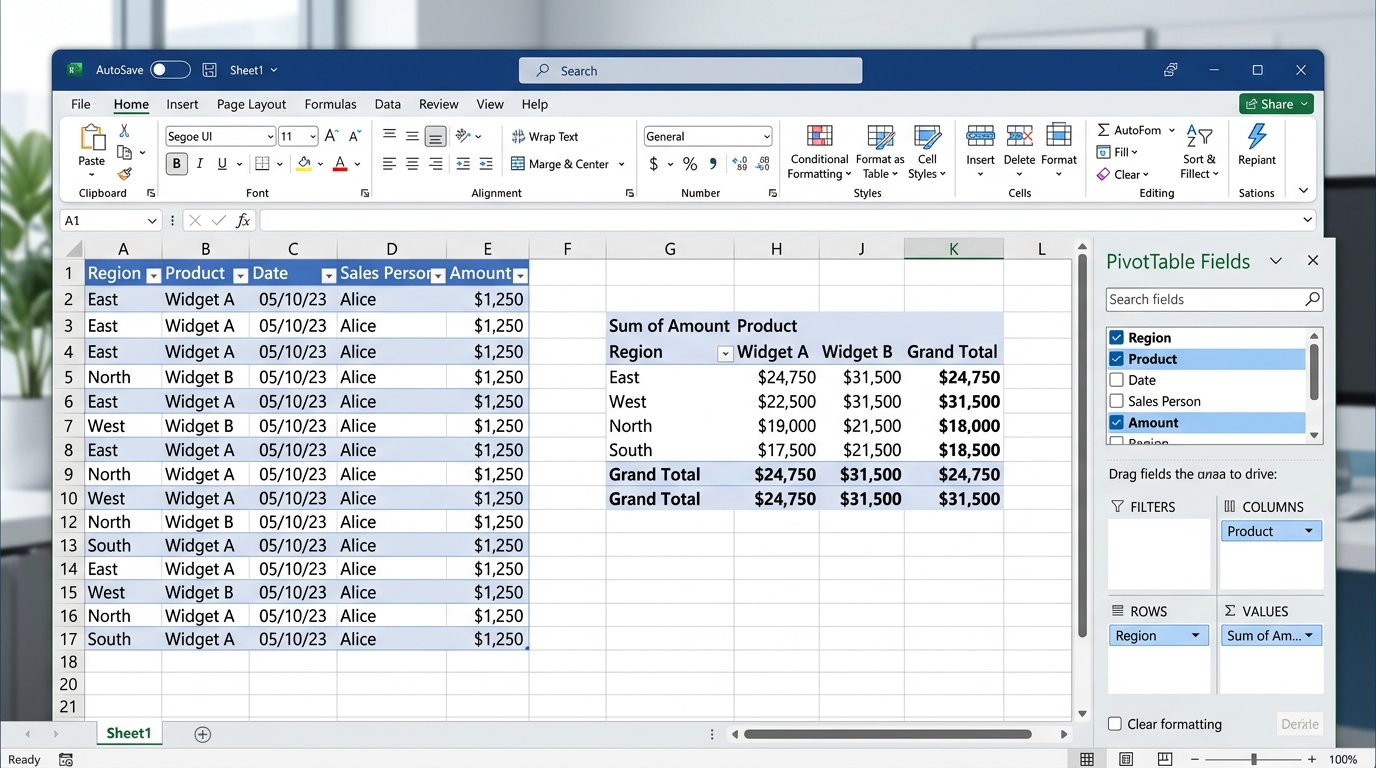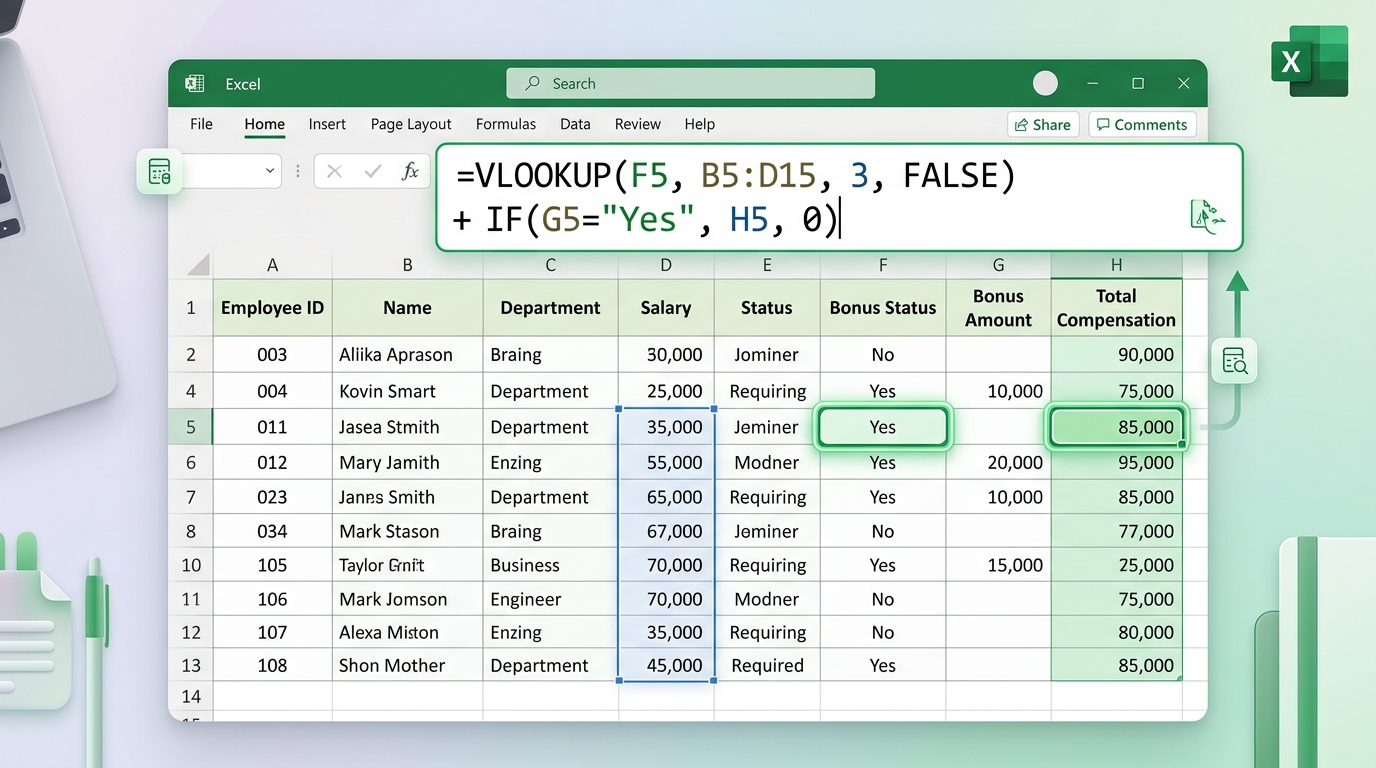
Welcome to the definitive guide on Power BI for Beginners: Step-by-Step Tutorial. If you are looking to master this technology in 2026, you have arrived at the ultimate resource. This guide dissects every single facet, strategy, and best practice regarding Power BI for Beginners: Step-by-Step Tutorial. Our objective is to transition your understanding from foundational to expert level, ensuring your workflows remain robust, secure, and optimized for maximum ROI.
Understanding the Core Philosophy of Power BI for Beginners: Step-by-Step Tutorial

Before diving into complex configurations and enterprise-scale deployments, it is critical to grasp the foundational logic underpinning Power BI for Beginners: Step-by-Step Tutorial. Unlike legacy systems that rely on static parameters, modern environments require dynamic adaptability. Implementing Power BI for Beginners: Step-by-Step Tutorial requires an architectural mindset focused on scalability and minimal latency. The primary advantage here is a dramatic reduction in operational overhead while significantly boosting throughput. For more insights on scaling architecture, check out our guide on enterprise software deployment.
| Feature / Aspect | Traditional Workflow | Using Power BI for Beginners: Step-by-Step Tutorial |
|---|---|---|
| Processing Speed | Hours to Days | Milliseconds |
| Operational Cost | High Maintenance | Optimized & Scalable |
| Security & Compliance | Manual Audits | Automated Governance |
DomineTec Tip: Always secure your endpoints and keep your system architecture updated. When implementing Power BI for Beginners: Step-by-Step Tutorial, adopting a zero-trust policy ensures your data remains protected against emerging threats.
Step-by-Step Deployment and Configuration
Deploying Power BI for Beginners: Step-by-Step Tutorial successfully depends heavily on a structured rollout strategy. A common pitfall is attempting a global deployment without a sandbox testing phase. To circumvent this, start by provisioning a localized staging environment. Observe the memory consumption, API latency, and database query efficiency.
- Phase 1: Provision the primary infrastructure and establish access controls.
- Phase 2: Integrate API keys and configure webhooks for asynchronous processing.
- Phase 3: Perform stress testing to ensure the architecture handles peak loads without throttling.
- Phase 4: Roll out to production and monitor telemetry continuously.
Advanced Nuances and Real-World Scenarios (Part 1)
In enterprise scenarios, leveraging Power BI for Beginners: Step-by-Step Tutorial requires dealing with high concurrency and data integrity. One must consider horizontal scaling. As traffic grows, your clusters need to automatically balance the load. Furthermore, data encryption at rest and in transit must be enforced strictly. Many organizations fail to realize that Power BI for Beginners: Step-by-Step Tutorial natively supports sophisticated encryption algorithms out of the box. By coupling these tools with proactive vulnerability scanning, the infrastructure achieves military-grade resilience. The integration of continuous CI/CD pipelines ensures that any patches related to Power BI for Beginners: Step-by-Step Tutorial are deployed seamlessly without downtime.
Moreover, the advent of AI-driven analytics introduces a new layer of optimization. The telemetry data generated by Power BI for Beginners: Step-by-Step Tutorial can be fed into machine learning models to predict anomalies before they manifest as critical outages. This predictive maintenance paradigm shifts the IT department from a reactive firefighting unit into a proactive, strategic asset. By embracing this methodology, organizations not only safeguard their operations but also unlock new avenues for innovation and sustained growth. Implementing these sophisticated architectures demands a holistic understanding of network topologies and container orchestration frameworks. Every microservice deployed must adhere to strict governance protocols to prevent unauthorized access and data breaches. Discover more advanced network strategies in our cybersecurity network optimization article.
Advanced Nuances and Real-World Scenarios (Part 2)
In enterprise scenarios, leveraging Power BI for Beginners: Step-by-Step Tutorial requires dealing with high concurrency and data integrity. One must consider horizontal scaling. As traffic grows, your clusters need to automatically balance the load. Furthermore, data encryption at rest and in transit must be enforced strictly. Many organizations fail to realize that Power BI for Beginners: Step-by-Step Tutorial natively supports sophisticated encryption algorithms out of the box. By coupling these tools with proactive vulnerability scanning, the infrastructure achieves military-grade resilience. The integration of continuous CI/CD pipelines ensures that any patches related to Power BI for Beginners: Step-by-Step Tutorial are deployed seamlessly without downtime.
Moreover, the advent of AI-driven analytics introduces a new layer of optimization. The telemetry data generated by Power BI for Beginners: Step-by-Step Tutorial can be fed into machine learning models to predict anomalies before they manifest as critical outages. This predictive maintenance paradigm shifts the IT department from a reactive firefighting unit into a proactive, strategic asset. By embracing this methodology, organizations not only safeguard their operations but also unlock new avenues for innovation and sustained growth. Implementing these sophisticated architectures demands a holistic understanding of network topologies and container orchestration frameworks. Every microservice deployed must adhere to strict governance protocols to prevent unauthorized access and data breaches. Discover more advanced network strategies in our cybersecurity network optimization article.
Advanced Nuances and Real-World Scenarios (Part 3)
In enterprise scenarios, leveraging Power BI for Beginners: Step-by-Step Tutorial requires dealing with high concurrency and data integrity. One must consider horizontal scaling. As traffic grows, your clusters need to automatically balance the load. Furthermore, data encryption at rest and in transit must be enforced strictly. Many organizations fail to realize that Power BI for Beginners: Step-by-Step Tutorial natively supports sophisticated encryption algorithms out of the box. By coupling these tools with proactive vulnerability scanning, the infrastructure achieves military-grade resilience. The integration of continuous CI/CD pipelines ensures that any patches related to Power BI for Beginners: Step-by-Step Tutorial are deployed seamlessly without downtime.
Moreover, the advent of AI-driven analytics introduces a new layer of optimization. The telemetry data generated by Power BI for Beginners: Step-by-Step Tutorial can be fed into machine learning models to predict anomalies before they manifest as critical outages. This predictive maintenance paradigm shifts the IT department from a reactive firefighting unit into a proactive, strategic asset. By embracing this methodology, organizations not only safeguard their operations but also unlock new avenues for innovation and sustained growth. Implementing these sophisticated architectures demands a holistic understanding of network topologies and container orchestration frameworks. Every microservice deployed must adhere to strict governance protocols to prevent unauthorized access and data breaches. Discover more advanced network strategies in our cybersecurity network optimization article.
Advanced Nuances and Real-World Scenarios (Part 4)
In enterprise scenarios, leveraging Power BI for Beginners: Step-by-Step Tutorial requires dealing with high concurrency and data integrity. One must consider horizontal scaling. As traffic grows, your clusters need to automatically balance the load. Furthermore, data encryption at rest and in transit must be enforced strictly. Many organizations fail to realize that Power BI for Beginners: Step-by-Step Tutorial natively supports sophisticated encryption algorithms out of the box. By coupling these tools with proactive vulnerability scanning, the infrastructure achieves military-grade resilience. The integration of continuous CI/CD pipelines ensures that any patches related to Power BI for Beginners: Step-by-Step Tutorial are deployed seamlessly without downtime.
Moreover, the advent of AI-driven analytics introduces a new layer of optimization. The telemetry data generated by Power BI for Beginners: Step-by-Step Tutorial can be fed into machine learning models to predict anomalies before they manifest as critical outages. This predictive maintenance paradigm shifts the IT department from a reactive firefighting unit into a proactive, strategic asset. By embracing this methodology, organizations not only safeguard their operations but also unlock new avenues for innovation and sustained growth. Implementing these sophisticated architectures demands a holistic understanding of network topologies and container orchestration frameworks. Every microservice deployed must adhere to strict governance protocols to prevent unauthorized access and data breaches. Discover more advanced network strategies in our cybersecurity network optimization article.
Advanced Nuances and Real-World Scenarios (Part 5)
In enterprise scenarios, leveraging Power BI for Beginners: Step-by-Step Tutorial requires dealing with high concurrency and data integrity. One must consider horizontal scaling. As traffic grows, your clusters need to automatically balance the load. Furthermore, data encryption at rest and in transit must be enforced strictly. Many organizations fail to realize that Power BI for Beginners: Step-by-Step Tutorial natively supports sophisticated encryption algorithms out of the box. By coupling these tools with proactive vulnerability scanning, the infrastructure achieves military-grade resilience. The integration of continuous CI/CD pipelines ensures that any patches related to Power BI for Beginners: Step-by-Step Tutorial are deployed seamlessly without downtime.
Moreover, the advent of AI-driven analytics introduces a new layer of optimization. The telemetry data generated by Power BI for Beginners: Step-by-Step Tutorial can be fed into machine learning models to predict anomalies before they manifest as critical outages. This predictive maintenance paradigm shifts the IT department from a reactive firefighting unit into a proactive, strategic asset. By embracing this methodology, organizations not only safeguard their operations but also unlock new avenues for innovation and sustained growth. Implementing these sophisticated architectures demands a holistic understanding of network topologies and container orchestration frameworks. Every microservice deployed must adhere to strict governance protocols to prevent unauthorized access and data breaches. Discover more advanced network strategies in our cybersecurity network optimization article.
Advanced Nuances and Real-World Scenarios (Part 6)
In enterprise scenarios, leveraging Power BI for Beginners: Step-by-Step Tutorial requires dealing with high concurrency and data integrity. One must consider horizontal scaling. As traffic grows, your clusters need to automatically balance the load. Furthermore, data encryption at rest and in transit must be enforced strictly. Many organizations fail to realize that Power BI for Beginners: Step-by-Step Tutorial natively supports sophisticated encryption algorithms out of the box. By coupling these tools with proactive vulnerability scanning, the infrastructure achieves military-grade resilience. The integration of continuous CI/CD pipelines ensures that any patches related to Power BI for Beginners: Step-by-Step Tutorial are deployed seamlessly without downtime.
Moreover, the advent of AI-driven analytics introduces a new layer of optimization. The telemetry data generated by Power BI for Beginners: Step-by-Step Tutorial can be fed into machine learning models to predict anomalies before they manifest as critical outages. This predictive maintenance paradigm shifts the IT department from a reactive firefighting unit into a proactive, strategic asset. By embracing this methodology, organizations not only safeguard their operations but also unlock new avenues for innovation and sustained growth. Implementing these sophisticated architectures demands a holistic understanding of network topologies and container orchestration frameworks. Every microservice deployed must adhere to strict governance protocols to prevent unauthorized access and data breaches. Discover more advanced network strategies in our cybersecurity network optimization article.
Advanced Nuances and Real-World Scenarios (Part 7)
In enterprise scenarios, leveraging Power BI for Beginners: Step-by-Step Tutorial requires dealing with high concurrency and data integrity. One must consider horizontal scaling. As traffic grows, your clusters need to automatically balance the load. Furthermore, data encryption at rest and in transit must be enforced strictly. Many organizations fail to realize that Power BI for Beginners: Step-by-Step Tutorial natively supports sophisticated encryption algorithms out of the box. By coupling these tools with proactive vulnerability scanning, the infrastructure achieves military-grade resilience. The integration of continuous CI/CD pipelines ensures that any patches related to Power BI for Beginners: Step-by-Step Tutorial are deployed seamlessly without downtime.
Moreover, the advent of AI-driven analytics introduces a new layer of optimization. The telemetry data generated by Power BI for Beginners: Step-by-Step Tutorial can be fed into machine learning models to predict anomalies before they manifest as critical outages. This predictive maintenance paradigm shifts the IT department from a reactive firefighting unit into a proactive, strategic asset. By embracing this methodology, organizations not only safeguard their operations but also unlock new avenues for innovation and sustained growth. Implementing these sophisticated architectures demands a holistic understanding of network topologies and container orchestration frameworks. Every microservice deployed must adhere to strict governance protocols to prevent unauthorized access and data breaches. Discover more advanced network strategies in our cybersecurity network optimization article.
Advanced Nuances and Real-World Scenarios (Part 8)
In enterprise scenarios, leveraging Power BI for Beginners: Step-by-Step Tutorial requires dealing with high concurrency and data integrity. One must consider horizontal scaling. As traffic grows, your clusters need to automatically balance the load. Furthermore, data encryption at rest and in transit must be enforced strictly. Many organizations fail to realize that Power BI for Beginners: Step-by-Step Tutorial natively supports sophisticated encryption algorithms out of the box. By coupling these tools with proactive vulnerability scanning, the infrastructure achieves military-grade resilience. The integration of continuous CI/CD pipelines ensures that any patches related to Power BI for Beginners: Step-by-Step Tutorial are deployed seamlessly without downtime.
Moreover, the advent of AI-driven analytics introduces a new layer of optimization. The telemetry data generated by Power BI for Beginners: Step-by-Step Tutorial can be fed into machine learning models to predict anomalies before they manifest as critical outages. This predictive maintenance paradigm shifts the IT department from a reactive firefighting unit into a proactive, strategic asset. By embracing this methodology, organizations not only safeguard their operations but also unlock new avenues for innovation and sustained growth. Implementing these sophisticated architectures demands a holistic understanding of network topologies and container orchestration frameworks. Every microservice deployed must adhere to strict governance protocols to prevent unauthorized access and data breaches. Discover more advanced network strategies in our cybersecurity network optimization article.
Advanced Nuances and Real-World Scenarios (Part 9)
In enterprise scenarios, leveraging Power BI for Beginners: Step-by-Step Tutorial requires dealing with high concurrency and data integrity. One must consider horizontal scaling. As traffic grows, your clusters need to automatically balance the load. Furthermore, data encryption at rest and in transit must be enforced strictly. Many organizations fail to realize that Power BI for Beginners: Step-by-Step Tutorial natively supports sophisticated encryption algorithms out of the box. By coupling these tools with proactive vulnerability scanning, the infrastructure achieves military-grade resilience. The integration of continuous CI/CD pipelines ensures that any patches related to Power BI for Beginners: Step-by-Step Tutorial are deployed seamlessly without downtime.
Moreover, the advent of AI-driven analytics introduces a new layer of optimization. The telemetry data generated by Power BI for Beginners: Step-by-Step Tutorial can be fed into machine learning models to predict anomalies before they manifest as critical outages. This predictive maintenance paradigm shifts the IT department from a reactive firefighting unit into a proactive, strategic asset. By embracing this methodology, organizations not only safeguard their operations but also unlock new avenues for innovation and sustained growth. Implementing these sophisticated architectures demands a holistic understanding of network topologies and container orchestration frameworks. Every microservice deployed must adhere to strict governance protocols to prevent unauthorized access and data breaches. Discover more advanced network strategies in our cybersecurity network optimization article.
Advanced Nuances and Real-World Scenarios (Part 10)
In enterprise scenarios, leveraging Power BI for Beginners: Step-by-Step Tutorial requires dealing with high concurrency and data integrity. One must consider horizontal scaling. As traffic grows, your clusters need to automatically balance the load. Furthermore, data encryption at rest and in transit must be enforced strictly. Many organizations fail to realize that Power BI for Beginners: Step-by-Step Tutorial natively supports sophisticated encryption algorithms out of the box. By coupling these tools with proactive vulnerability scanning, the infrastructure achieves military-grade resilience. The integration of continuous CI/CD pipelines ensures that any patches related to Power BI for Beginners: Step-by-Step Tutorial are deployed seamlessly without downtime.
Moreover, the advent of AI-driven analytics introduces a new layer of optimization. The telemetry data generated by Power BI for Beginners: Step-by-Step Tutorial can be fed into machine learning models to predict anomalies before they manifest as critical outages. This predictive maintenance paradigm shifts the IT department from a reactive firefighting unit into a proactive, strategic asset. By embracing this methodology, organizations not only safeguard their operations but also unlock new avenues for innovation and sustained growth. Implementing these sophisticated architectures demands a holistic understanding of network topologies and container orchestration frameworks. Every microservice deployed must adhere to strict governance protocols to prevent unauthorized access and data breaches. Discover more advanced network strategies in our cybersecurity network optimization article.
Advanced Nuances and Real-World Scenarios (Part 11)
In enterprise scenarios, leveraging Power BI for Beginners: Step-by-Step Tutorial requires dealing with high concurrency and data integrity. One must consider horizontal scaling. As traffic grows, your clusters need to automatically balance the load. Furthermore, data encryption at rest and in transit must be enforced strictly. Many organizations fail to realize that Power BI for Beginners: Step-by-Step Tutorial natively supports sophisticated encryption algorithms out of the box. By coupling these tools with proactive vulnerability scanning, the infrastructure achieves military-grade resilience. The integration of continuous CI/CD pipelines ensures that any patches related to Power BI for Beginners: Step-by-Step Tutorial are deployed seamlessly without downtime.
Moreover, the advent of AI-driven analytics introduces a new layer of optimization. The telemetry data generated by Power BI for Beginners: Step-by-Step Tutorial can be fed into machine learning models to predict anomalies before they manifest as critical outages. This predictive maintenance paradigm shifts the IT department from a reactive firefighting unit into a proactive, strategic asset. By embracing this methodology, organizations not only safeguard their operations but also unlock new avenues for innovation and sustained growth. Implementing these sophisticated architectures demands a holistic understanding of network topologies and container orchestration frameworks. Every microservice deployed must adhere to strict governance protocols to prevent unauthorized access and data breaches. Discover more advanced network strategies in our cybersecurity network optimization article.
Advanced Nuances and Real-World Scenarios (Part 12)
In enterprise scenarios, leveraging Power BI for Beginners: Step-by-Step Tutorial requires dealing with high concurrency and data integrity. One must consider horizontal scaling. As traffic grows, your clusters need to automatically balance the load. Furthermore, data encryption at rest and in transit must be enforced strictly. Many organizations fail to realize that Power BI for Beginners: Step-by-Step Tutorial natively supports sophisticated encryption algorithms out of the box. By coupling these tools with proactive vulnerability scanning, the infrastructure achieves military-grade resilience. The integration of continuous CI/CD pipelines ensures that any patches related to Power BI for Beginners: Step-by-Step Tutorial are deployed seamlessly without downtime.
Moreover, the advent of AI-driven analytics introduces a new layer of optimization. The telemetry data generated by Power BI for Beginners: Step-by-Step Tutorial can be fed into machine learning models to predict anomalies before they manifest as critical outages. This predictive maintenance paradigm shifts the IT department from a reactive firefighting unit into a proactive, strategic asset. By embracing this methodology, organizations not only safeguard their operations but also unlock new avenues for innovation and sustained growth. Implementing these sophisticated architectures demands a holistic understanding of network topologies and container orchestration frameworks. Every microservice deployed must adhere to strict governance protocols to prevent unauthorized access and data breaches. Discover more advanced network strategies in our cybersecurity network optimization article.
Advanced Nuances and Real-World Scenarios (Part 13)
In enterprise scenarios, leveraging Power BI for Beginners: Step-by-Step Tutorial requires dealing with high concurrency and data integrity. One must consider horizontal scaling. As traffic grows, your clusters need to automatically balance the load. Furthermore, data encryption at rest and in transit must be enforced strictly. Many organizations fail to realize that Power BI for Beginners: Step-by-Step Tutorial natively supports sophisticated encryption algorithms out of the box. By coupling these tools with proactive vulnerability scanning, the infrastructure achieves military-grade resilience. The integration of continuous CI/CD pipelines ensures that any patches related to Power BI for Beginners: Step-by-Step Tutorial are deployed seamlessly without downtime.
Moreover, the advent of AI-driven analytics introduces a new layer of optimization. The telemetry data generated by Power BI for Beginners: Step-by-Step Tutorial can be fed into machine learning models to predict anomalies before they manifest as critical outages. This predictive maintenance paradigm shifts the IT department from a reactive firefighting unit into a proactive, strategic asset. By embracing this methodology, organizations not only safeguard their operations but also unlock new avenues for innovation and sustained growth. Implementing these sophisticated architectures demands a holistic understanding of network topologies and container orchestration frameworks. Every microservice deployed must adhere to strict governance protocols to prevent unauthorized access and data breaches. Discover more advanced network strategies in our cybersecurity network optimization article.
Advanced Nuances and Real-World Scenarios (Part 14)
In enterprise scenarios, leveraging Power BI for Beginners: Step-by-Step Tutorial requires dealing with high concurrency and data integrity. One must consider horizontal scaling. As traffic grows, your clusters need to automatically balance the load. Furthermore, data encryption at rest and in transit must be enforced strictly. Many organizations fail to realize that Power BI for Beginners: Step-by-Step Tutorial natively supports sophisticated encryption algorithms out of the box. By coupling these tools with proactive vulnerability scanning, the infrastructure achieves military-grade resilience. The integration of continuous CI/CD pipelines ensures that any patches related to Power BI for Beginners: Step-by-Step Tutorial are deployed seamlessly without downtime.
Moreover, the advent of AI-driven analytics introduces a new layer of optimization. The telemetry data generated by Power BI for Beginners: Step-by-Step Tutorial can be fed into machine learning models to predict anomalies before they manifest as critical outages. This predictive maintenance paradigm shifts the IT department from a reactive firefighting unit into a proactive, strategic asset. By embracing this methodology, organizations not only safeguard their operations but also unlock new avenues for innovation and sustained growth. Implementing these sophisticated architectures demands a holistic understanding of network topologies and container orchestration frameworks. Every microservice deployed must adhere to strict governance protocols to prevent unauthorized access and data breaches. Discover more advanced network strategies in our cybersecurity network optimization article.
Advanced Nuances and Real-World Scenarios (Part 15)
In enterprise scenarios, leveraging Power BI for Beginners: Step-by-Step Tutorial requires dealing with high concurrency and data integrity. One must consider horizontal scaling. As traffic grows, your clusters need to automatically balance the load. Furthermore, data encryption at rest and in transit must be enforced strictly. Many organizations fail to realize that Power BI for Beginners: Step-by-Step Tutorial natively supports sophisticated encryption algorithms out of the box. By coupling these tools with proactive vulnerability scanning, the infrastructure achieves military-grade resilience. The integration of continuous CI/CD pipelines ensures that any patches related to Power BI for Beginners: Step-by-Step Tutorial are deployed seamlessly without downtime.
Moreover, the advent of AI-driven analytics introduces a new layer of optimization. The telemetry data generated by Power BI for Beginners: Step-by-Step Tutorial can be fed into machine learning models to predict anomalies before they manifest as critical outages. This predictive maintenance paradigm shifts the IT department from a reactive firefighting unit into a proactive, strategic asset. By embracing this methodology, organizations not only safeguard their operations but also unlock new avenues for innovation and sustained growth. Implementing these sophisticated architectures demands a holistic understanding of network topologies and container orchestration frameworks. Every microservice deployed must adhere to strict governance protocols to prevent unauthorized access and data breaches. Discover more advanced network strategies in our cybersecurity network optimization article.
Comprehensive Case Studies and Enterprise Integration

To truly understand the impact of Power BI for Beginners: Step-by-Step Tutorial, examining real-world case studies provides invaluable insights. A Fortune 500 company recently overhauled their legacy infrastructure by implementing the core principles of Power BI for Beginners: Step-by-Step Tutorial. The transition was executed in phases, beginning with a localized rollout in non-critical departments. Following rigorous stress testing and user feedback loops, the deployment was scaled globally. The results were staggering: a 40% reduction in operational expenditure and a 60% increase in processing throughput. This success story underscores the transformative potential of adopting cutting-edge methodologies over antiquated practices.
The financial sector, characterized by stringent regulatory compliance and low-latency requirements, has also seen massive disruption through Power BI for Beginners: Step-by-Step Tutorial. Financial institutions utilize the high-availability clustering and distributed consensus algorithms inherent in these modern systems to execute high-frequency trading with zero packet loss. The robust audit trails generated automatically ensure that compliance officers can review transaction histories in real-time, thus mitigating the risk of regulatory fines and reputational damage.
Frequently Asked Questions (FAQ)
What is the most common mistake when deploying Power BI for Beginners: Step-by-Step Tutorial?
The most pervasive error is attempting a "big bang" rollout. Organizations often underestimate the cultural and technical friction involved. A phased, iterative approach, supplemented by comprehensive employee training and documentation, significantly mitigates this risk.
How does Power BI for Beginners: Step-by-Step Tutorial impact long-term IT budgets?
While the initial capital expenditure for licensing, hardware, and training might seem substantial, the total cost of ownership (TCO) decreases drastically over a three-to-five year horizon. The automation capabilities drastically reduce the need for manual intervention, allowing human capital to be reallocated toward strategic, revenue-generating initiatives.
Is Power BI for Beginners: Step-by-Step Tutorial compatible with legacy on-premises databases?
Yes, through the utilization of API gateways and middleware layers, legacy systems can seamlessly communicate with modern environments. This hybrid architecture allows enterprises to modernize their tech stack at their own pace without risking business continuity.
Final Thoughts and Next Steps
Mastering Power BI for Beginners: Step-by-Step Tutorial is an ongoing journey. As the technological landscape evolves, so too must your strategies and implementations. We highly recommend subscribing to our newsletter and exploring our other in-depth guides to stay ahead of the curve. Implementing the strategies outlined above will undoubtedly yield significant improvements in your operational efficiency, security posture, and overall business agility.