
To point your GoDaddy domain to HostGator nameservers, you'll need to update your DNS settings on GoDaddy's platform. This is a important step in managing your online presence since it allows your domain name to link effectively with your hosting services. The process involves changing the DNS (Domain Name System) settings so that they direct traffic to HostGator's servers.
Properly pointing your domain ensures that visitors can access your website without delay or confusion, maintaining a seamless user experience.
When you purchase a domain from GoDaddy, it comes with its own set of nameservers that control where your domain points. In contrast, HostGator will provide you with new nameservers that you must configure in your GoDaddy account.
This seemingly straightforward task can be daunting, especially for those unfamiliar with DNS settings and web hosting. Nevertheless, understanding how to point your GoDaddy domain to HostGator nameservers is essential for anyone looking to host their website with HostGator.
This guide will walk you through the necessary steps and provide you with all the information you need to make this transition smoothly.
Detailed Introduction to the Technical Concept of Web Servers and Hosting
Web servers and hosting are foundational elements of the internet, enabling websites to be accessible to users around the globe. A web server is essentially a computer that stores, processes, and delivers web pages to users.
When a user types a domain name into their browser, the web server associated with that domain responds by sending the requested web page back to the browser. This process involves complex networking protocols, including HTTP (Hypertext Transfer Protocol) and TCP/IP (Transmission Control Protocol/Internet Protocol), which work together to facilitate the transfer of information across the internet.
Hosting, on the other hand, refers to the service that makes websites accessible on the internet. Hosting providers, like HostGator, offer the infrastructure needed to store your website's files, data, and applications.
When you choose a hosting plan with HostGator, you gain access to their powerful servers, which are equipped with the necessary software and bandwidth to ensure your website remains operational and efficient. The type of hosting you select—be it shared, VPS (Virtual Private Server), or dedicated—will significantly impact your site's performance, reliability, and overall user experience.
Understanding the connection between your domain name and the hosting server is vital. The Domain Name System (DNS) serves as the phonebook of the internet, translating human-friendly domain names into IP addresses that computers can understand.
When you point your GoDaddy domain to HostGator's nameservers, you are essentially telling the DNS to direct all traffic for your domain to HostGator's servers. This is a important step in the website setup process, as failing to configure your nameservers correctly can lead to downtime or accessibility issues for your site.
Step-by-Step Practical Guide to Pointing GoDaddy Domain to HostGator Nameservers
To successfully point your GoDaddy domain to HostGator nameservers, follow this detailed, step-by-step guide. This process is important for ensuring that your website operates smoothly after you have chosen HostGator as your hosting provider. Before starting, make sure you have your HostGator nameservers handy. Typically, they will look something like `ns1.hostgator.com` and `ns2.hostgator.com`, but these can vary based on your specific account.

1. **Log in to Your GoDaddy Account**: Begin by navigating to the GoDaddy website and logging into your account. You will need your account credentials, such as your username and password. Once logged in, find the "My Products" section on your account dashboard, where you will see a list of domains associated with your account.
2. **Select Your Domain**: In the "My Products" section, locate the domain name that you wish to point to HostGator. Click on the "DNS" button or the "Manage" link next to your domain. This will take you to the DNS Management page, where you can view and modify your domain's DNS settings.
3. **Update Nameservers**: On the DNS Management page, scroll down to the "Nameservers" section. You will see your current nameserver settings listed here. Click on the "Change" button to begin the process of updating your nameservers. You will typically have the option to either choose GoDaddy's default nameservers or enter custom nameservers. Select the option for custom nameservers.
4. **Enter HostGator Nameservers**: Now, you will need to enter the HostGator nameservers. Input the first nameserver (e.g., `ns1.hostgator.com`) in the first field and the second nameserver (e.g., `ns2.hostgator.com`) in the second field. If HostGator provided you with more than two nameservers, you can add additional fields by clicking the "Add Nameserver" option. Ensure that you enter the nameservers accurately to avoid connectivity issues.
5. **Save Your Changes**: After entering the nameservers, review your inputs for accuracy. Once confirmed, click the "Save" button to apply your changes.
You should receive a confirmation message that your nameservers have been updated successfully. Keep in mind that it may take anywhere from a few minutes to up to 48 hours for the DNS changes to propagate across the internet.
During this period, your domain may experience intermittent accessibility issues as it transitions to the new nameservers.
6. **Verify the Changes**: After waiting for a sufficient amount of time, you can verify that your domain is correctly pointing to HostGator. Use online tools such as "What's My DNS" or "DNS Checker" to see if your domain's nameservers have updated properly. Simply enter your domain name into the tool, and it will show you the current nameserver records associated with your domain.
By following these steps, you will successfully point your GoDaddy domain to HostGator nameservers, linking your domain to the HostGator dashboard. This configuration is vital for ensuring that your website is accessible to visitors and functions as expected.
Comparative Table of Hosting Options and Plans
Choosing the right hosting plan is essential for the success of your website. With so many options available, it can be challenging to determine which plan best fits your needs. Below is a structured comparative table highlighting key features of various hosting plans offered by HostGator. This table provides a quick snapshot of what each plan offers, allowing you to make informed decisions based on your requirements.
| Hosting Plan | Storage | Bandwidth | Free SSL | Free Domain | Price/Month |
|---|---|---|---|---|---|
| Hatchling Plan | 1 Website | Unmetered | Yes | 1 Year | $2.75 |
| Baby Plan | Unlimited Websites | Unmetered | Yes | 1 Year | $3.50 |
| Business Plan | Unlimited Websites | Unmetered | Yes | 1 Year | $5.25 |
In this comparative table, you can see the fundamental differences between the Hatchling, Baby, and Business plans offered by HostGator. Each option comes with varying levels of storage, bandwidth, and additional features that cater to different types of users.
For instance, the Hatchling Plan is ideal for beginners and those who plan to host only one website, while the Baby and Business plans provide the flexibility to host multiple sites, making them suitable for growing businesses or web developers.

Additional Resources and Recommended Links
For further reading and resources that can assist you in optimizing your website and managing your hosting effectively, consider exploring the following links. These resources offer valuable insights into various aspects of web development, hosting configurations, and performance enhancements.
You can learn about essential topics that complement your domain and hosting management, such as How to Setup and Configure Cloudflare on WordPress and How to Configure Redis Object Cache for WordPress on VPS. These articles delve into advanced techniques that can enhance your website’s performance and security, ensuring you get the most out of your hosting experience.
Advanced Server Performance Tuning: Cache Policies and Core Networking Metrics
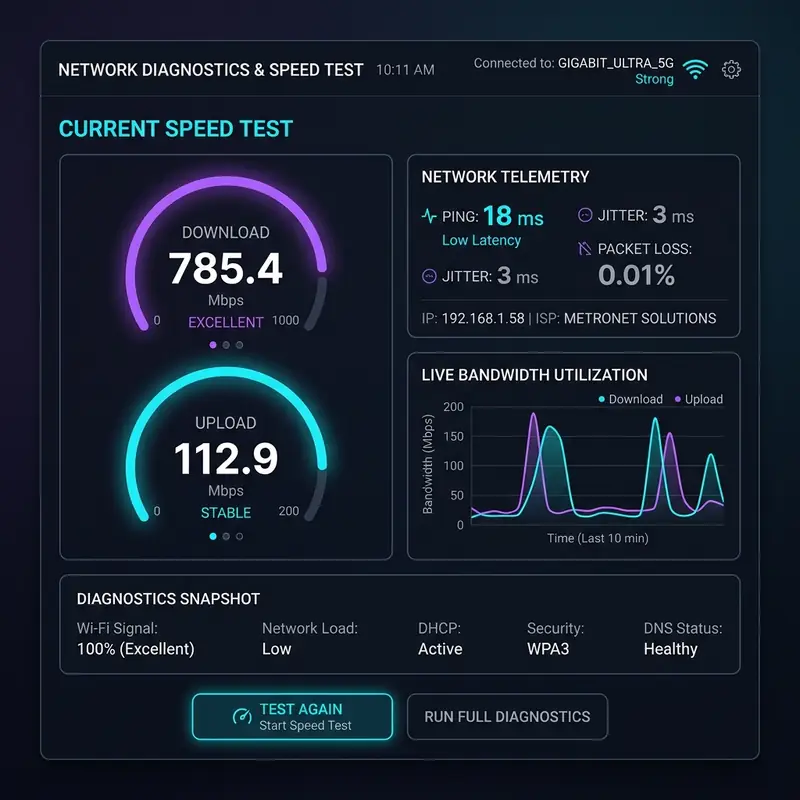
In the realm of web hosting, performance tuning is paramount to ensuring that a website operates efficiently under varying loads. One of the most effective methods to enhance server performance is through the strategic implementation of caching mechanisms. Technologies such as OPcache, Redis, and Memcached provide avenues for reducing server response times and improving overall user experience. OPcache, a built-in caching engine for PHP, optimizes the performance of PHP applications by storing precompiled script bytecode in shared memory. This eliminates the need for PHP to load and parse scripts on each request, significantly reducing Time to First Byte (TTFB).
Redis and Memcached take caching a step further by offering in-memory data stores that can serve dynamic content and reduce query times for database interactions. Redis, with its advanced data structures, allows for more complex caching strategies, such as caching entire sessions or complex objects. On the other hand, Memcached is known for its simplicity and speed, making it an excellent choice for straightforward key-value pair caching. Implementing these caching strategies can lead to reduced server load and improved bandwidth allocation, ultimately resulting in a faster website.
Monitoring core networking metrics is equally vital for maintaining optimal server performance. TTFB latency is a critical metric that measures the time taken from the initial request until the first byte of data is received. A high TTFB can indicate issues such as server overload, inefficient database queries, or network latency. Regularly assessing this metric can help administrators identify bottlenecks and adjust server resources accordingly. Understanding server load is also essential; it represents the amount of computational work that a server handles at any given time. Administrators should aim to balance server load by optimizing resource allocation and, if necessary, scaling servers to accommodate traffic spikes.
Bandwidth allocation plays a significant role in server performance as well. It determines how much data can be transmitted over a network in a given time. Insufficient bandwidth can lead to slow page load times and affect user experience. Web hosting providers often offer various bandwidth options, and selecting the right plan is important for websites expecting high traffic. It's advisable for website owners to analyze their traffic patterns and choose a hosting plan that not only meets their current needs but can also scale as their website grows.
Finally, an effective performance tuning strategy requires continuous monitoring and adjustments. Utilizing tools such as New Relic or Google PageSpeed Insights can provide valuable insights into performance metrics, allowing administrators to make data-driven decisions to enhance server performance continuously. By combining advanced caching strategies with a thorough understanding of networking metrics, website owners can ensure their sites remain responsive and efficient, ultimately leading to improved user satisfaction and engagement.
Implementing Robust Server-Side Cybersecurity Protocols for Protection

As cyber threats become increasingly sophisticated, implementing robust server-side cybersecurity protocols is no longer an optional consideration for website owners. One of the foundational elements of server security is the proper configuration of SSL certificates. An SSL (Secure Socket Layer) certificate encrypts the data exchanged between the user's browser and the web server, ensuring that sensitive information, such as login credentials and payment details, are transmitted securely. It's critical to ensure that SSL certificates are not only installed correctly but also configured to utilize the latest protocols, such as TLS 1.3, which offers improved security and performance over its predecessors.
Beyond SSL, effective IP table management is essential in safeguarding servers from unauthorized access. IP tables act as a firewall that controls incoming and outgoing traffic based on predefined security rules. By establishing stringent rules that dictate which IP addresses can access specific server resources, administrators can limit exposure to potential attacks. Regular audits of IP tables ensure that outdated or unnecessary rules are removed, reducing the likelihood of security vulnerabilities. Furthermore, employing a DDoS (Distributed Denial of Service) firewall can provide an additional layer of protection, mitigating the risks associated with large-scale attack attempts aimed at overwhelming server resources.
Directory permissions are another vital aspect of server security that is often overlooked. By setting strict permissions on directories and files, administrators can prevent unauthorized users from accessing sensitive parts of the server. For instance, using the principle of least privilege, where users are granted only the permissions necessary for their role, can significantly minimize security risks. Regularly reviewing and updating these permissions, especially after changes in staff or website functionality, is important in maintaining a secure server environment.
Additionally, employing security practices such as regular software updates and patch management is essential for protecting against vulnerabilities. Outdated software can be a gateway for cyber attackers, as many exploits target known vulnerabilities that have been addressed in later versions. Automating the update process can help ensure that the server runs the latest versions of software, reducing the risk of exploitation. Moreover, implementing intrusion detection systems (IDS) can provide real-time monitoring and alerts for suspicious activities, enabling administrators to respond promptly to potential threats.
Finally, a comprehensive cybersecurity strategy should also include regular backups and disaster recovery planning. In the event of a security breach or data loss, having a reliable backup system in place can facilitate quick recovery and minimize downtime. Backups should be stored securely and tested regularly to ensure they can be restored effectively. By combining these server-side cybersecurity protocols with proactive monitoring and response strategies, website owners can fortify their defenses against an increasingly complex threat landscape.
Understanding Hosting Limitations: Shared vs. Dedicated Servers and Common Pitfalls
When selecting a hosting plan, understanding the limitations inherent in different server types is important for making informed decisions. Shared hosting, while often the most cost-effective option, comes with significant constraints that can impact performance and scalability. In a shared hosting environment, multiple websites share the same server resources, which can lead to slower load times during traffic spikes and limited control over server configurations. For smaller websites or those with minimal traffic, shared hosting may suffice. However, as a website grows, the limitations of shared hosting can become increasingly apparent, leading to potential downtime and performance issues.
In contrast, dedicated servers and cloud hosting solutions offer enhanced performance, control, and scalability. A dedicated server provides exclusive access to the server's resources, allowing website owners to customize configurations and optimize performance according to their specific needs. Moreover, dedicated servers often come with superior security features, as the isolation from other users reduces the risk of security breaches. Cloud hosting, on the other hand, utilizes a network of interconnected servers to distribute resources dynamically. This flexibility allows for seamless scaling as traffic demands fluctuate, making it an ideal solution for websites expecting rapid growth or unpredictable traffic patterns.
Despite the advantages of dedicated and cloud hosting, there are common pitfalls that website owners must navigate. One such issue is DNS propagation errors, which can occur when changes to DNS settings take time to propagate across the internet. This delay can result in users experiencing inconsistent access to a website during the transition period. It is essential to plan DNS changes carefully and communicate potential downtimes to users to mitigate confusion and frustration.
Another frequent challenge arises from database optimization traps. Many website owners, eager to enhance performance, may implement aggressive optimization strategies that inadvertently lead to decreased efficiency or data loss. It's vital to approach database optimization with a comprehensive understanding of the website's architecture and traffic patterns. Regularly monitoring database performance and making incremental adjustments can yield significant improvements without jeopardizing data integrity.
Finally, considerations regarding Service Level Agreements (SLAs) are paramount when choosing a hosting provider. An SLA outlines the expected level of service, including uptime guarantees, support response times, and compensation for service failures. Understanding the terms of an SLA ensures that website owners have realistic expectations regarding the performance and reliability of their hosting service. By carefully evaluating the limitations and advantages of different hosting options, along with potential pitfalls, website owners can make informed decisions that align with their long-term goals and needs.