Manus AI is a next-generation autonomous artificial intelligence agent designed to execute end-to-end tasks inside web browsers and operating systems, serving as a true general-purpose virtual assistant.
In early 2026, Manus AI emerged as one of the leading forces in the agentic "Computer Use" race. While traditional chatbots are limited to answering text prompts, Manus AI operates on an active loop: it receives a natural language command, launches a secure virtual desktop session, opens browser windows or third-party applications, and interacts with screen layouts autonomously to achieve the user's objective. This technological breakthrough shifts the paradigm of traditional digital process automation, offering unprecedented adaptability in dynamic online environments. It represents a quantum leap in user interface manipulation and screen-based decision-making architectures, redefining standard robotic process automation parameters. Furthermore, the development of these systems indicates a clear trend toward unified, multi-platform, human-mimicking software operations that perform highly repetitive office functions automatically, changing the landscape of professional efficiency.
| Feature Compared | Traditional Chatbot | ChatGPT Agent (Back-end) | Manus AI (Autonomous General Agent) |
|---|---|---|---|
| Core Interface | Standard chat window. | Structured APIs and JSON requests. | Headless/visual virtual desktop (VDI). |
| Execution Method | Generates text answers based on prompts. | Dispatches backend calls and runs python sandboxes. | Controls mouse coordinates, clicks, and keys visually. |
| Self-Correction | Low (requires user feedback). | Medium (handles program exceptions). | High (analyzes visual layout errors and closed modais). |
| System Compatibility | Web search engines or base training. | Modern systems with developer APIs and endpoints. | Any visual software interface, legacy or modern. |
| Blocking Resilience | Cannot navigate screen roadblocks. | Fails unless complex proxies are coded. | Identifies and solves visual CAPTCHAs and consent bars. |
What is Manus AI and its Value Proposition?
Developed by Monica, Manus AI stood out due to its simple setup for complex operations. Unlike other systems that demand intensive virtual desktop configurations or local Docker setup, Manus AI provides a cloud environment out of the box. Users input commands and observe the agent's progress via a live visual stream, watching the browser launch, retrieve data, download documents, and structure spreadsheets in real time. This simplified approach makes visual computing automation accessible to non-technical users and small business owners alike. It minimizes the steep learning curve traditionally associated with programming frameworks, allowing everyday users to deploy agents effortlessly. The platform acts as an interface translation layer that requires absolutely zero knowledge of coding protocols or accessibility structures.
This "Zero-Setup Automation" model is ideal for business environments lacking developer resources but needing to streamline daily administrative routines. It is a powerful tool to improve workspace productivity without building complex scraping scripts or writing custom database connectors, providing a smooth integration path across enterprise tools. By offloading mechanical tasks to Manus AI, teams can dedicate more resources to analytical growth and client retention strategies, knowing the repetitive clicks are handled reliably by the autonomous system. It acts as an operational multiplier that bridges organizational tool gaps without heavy upfront investments, lowering setup costs and removing developmental barriers from day one. Businesses can simply focus on defining goals rather than maintaining fragile codebases. This approach changes how organizations scale their internal procedures.
The Core Technology Behind Manus AI
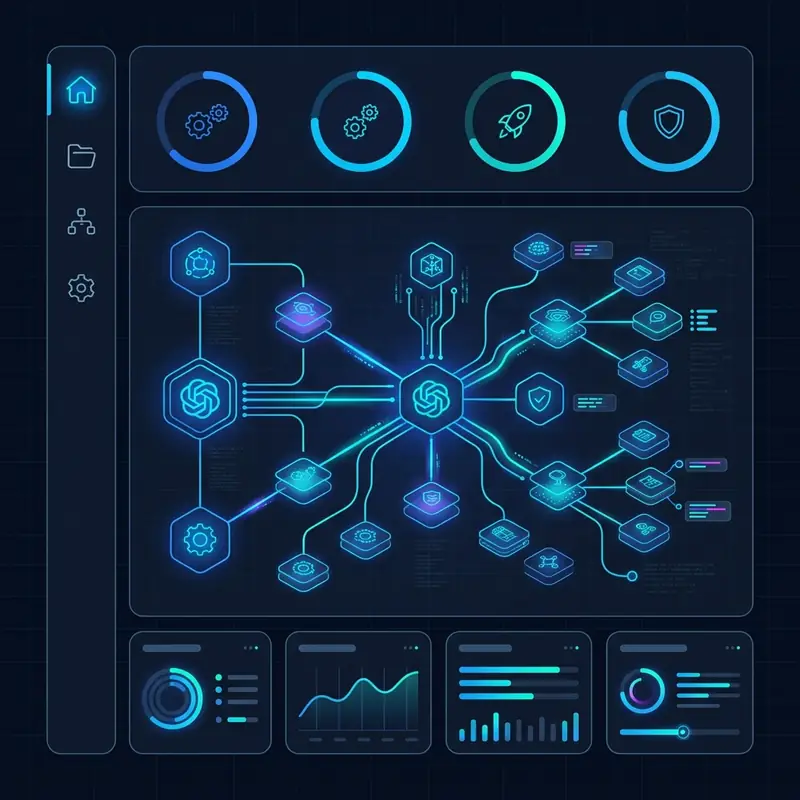
The operational framework of Manus AI relies on an integrated pipeline combining natural language logic, advanced computer vision, and secure virtualization controls to mimic human interactions on computer systems. Every action is calculated based on real-time screen coordinates and state verification models. The internal engine processes actions sequentially through several critical steps:
1. Hierarchical Task Planning Loops
When tasked with a high-level goal ("Research top CRM systems, list pricing models, and create a slide deck"), Manus AI designs a roadmap of subtasks. It plans which websites to access, what search inputs to trigger, and which templates to open, keeping track of task progress until the final goal is met. This task list is evaluated dynamically, allowing the agent to switch paths if a site goes offline or presents unexpected errors. This hierarchical strategy allows it to handle long-horizon tasks that span across hours of continuous operations, providing true autonomous navigation. It establishes logical goals and routes resources intelligently to maximize output efficiency, keeping performance metrics predictable and stable.
2. Multimodal Vision-Language Models (VLMs)
The perception layer is managed by visual AI models. The agent captures sequential screenshots of the workspace at every step. It parses interface elements visually (e.g. search bars, menu icons, close buttons) and calculates e-coordinate mappings to direct the virtual pointer without reading the underlying HTML structures. This ensures structural changes to a website's source code do not break the automated workflow, making it highly resilient to front-end updates. The vision models are fine-tuned on hundreds of thousands of UI elements, allowing them to differentiate subtle buttons, dynamic slider bars, and nested menus easily. Visual representations are translated into semantic graphs, allowing the agent to comprehend the relationships between different buttons and labels. This mathematical translation ensures pointer precision remains high across various screens.
3. OS Virtualization and Input Emulation
Logical decisions are translated into operating system events. The agent moves the mouse pointer, triggers double clicks, scrolls pages, and inputs keyboard characters. To prevent anti-bot measures from flagging the workflow, Manus AI adds realistic latency intervals between steps, mirroring natural human typing speeds and click patterns on virtual systems. This human-like interaction signature is critical for bypassing aggressive bot blockers on public portals, ensuring workflows execute without interruptions. Pointer paths are computed dynamically using smooth curves that emulate mechanical movement jitter, minimizing detection risks, and guaranteeing smooth transition states during execution.
4. Self-Correction Perception Loops
If a website loads with formatting errors or unexpected layout variations, Manus AI detects the issue visually. It dismisses unwanted promotional overlays, reloads the browser, or targets alternative data sources, reducing execution failures during critical automated business processes. This autonomous self-healing ability ensures long-running tasks complete without requiring developer intervention, ensuring robust and unattended execution across unstable platforms. The agent logs every visual block and updates its screen parsing filters continuously, establishing historical references for future runs.
Manus AI vs. OpenAI Operator: A Technical Comparison
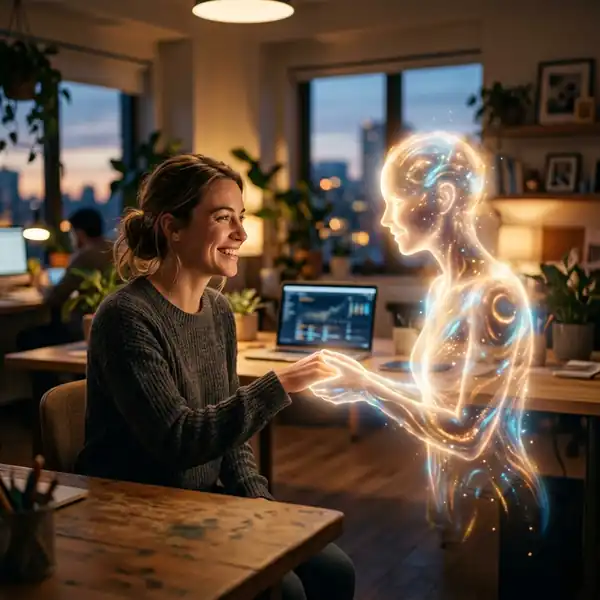
As the autonomous agent market expands, the core comparison for enterprise automation centers on Manus AI versus OpenAI Operator. While both utilize visual "Computer Use" perception, their implementation strategies address different business profiles and technical integration needs:
- UI Accessibility and Platform Design: Manus AI delivers an out-of-the-box, user-friendly platform. Corporate employees can deploy agents and monitor their screens from any browser. OpenAI Operator offers a more developer-focused, API-driven design, ideal for engineering teams building custom applications in-house via API connections and custom codebase scripts. It provides the low-level hooks needed for developers to shape the UI agent's environment directly, creating deep API integrations.
- Token Costs and Budgeting: Manus AI operates on subscription models that simplify operational cost forecasting. OpenAI Operator relies on ongoing VLM token usage for screen parsing, requiring strict IT governance, token limits, and usage monitors to avoid budget overruns during scaling phases. Managing visual tokens at scale demands a structured monitoring framework to control infrastructure budgets and prevent high billing surprises.
- Execution Precision: OpenAI Operator excels at low-latency mouse actions and precise input coordinate mappings due to OpenAI's deep visual model integrations. Manus AI thrives on multi-app integrations and ready-to-use cloud workspaces (including spreadsheet tools and word editors) built directly into the agent portal, optimizing worker interactions.
The Business Impact of Manus AI
Deploying autonomous agents like Manus AI changes how administrative work is handled. Tasks that once required hours of manual cross-referencing and data entry are completed in minutes. Common enterprise use cases include:
- Market Research and Lead Generation: The agent browses directories, extracts contact info, validates corporate domains, and formats leads into Excel spreadsheets for sales teams, saving hours of manual copy-pasting and search operations. It can query hundreds of pages and consolidate them without typing errors.
- Financial Conciliations: Manus AI logs into financial gateways, downloads PDF bank statements, extracts variables, and matches entries inside legacy ERP accounting databases without custom APIs, reducing human errors in financial records. It provides high precision in structured data handling across separate interfaces and legacy platforms.
- Content Assembly and Workflows: The agent retrieves references across databases, drafts reports, and interacts with visual design tools to build marketing materials, similar to workflows managed by conversational ChatGPT Agents, optimizing administrative routines and increasing workflow performance.
Enterprise Security and Sandbox Environments

Allowing AI agents to manage logins and corporate databases requires strict security measures. Manus AI isolates each user workflow inside temporary virtual machines (VMs) in the cloud. Once the task finishes, the VM is destroyed, erasing temporary browser caches, cookies, and local session files, preventing data leakage and protecting sensitive company credentials from unauthorized access. This ensures that no residual security footprint is left behind on the host machines, maintaining high data compliance.
For corporate environments, IT departments must apply the Principle of Least Privilege, creating dedicated agent credentials with restricted data permissions. Agent network calls should go through secure VPN tunnels and firewalls. For deployments involving local Windows networks, setups should mirror security guidelines detailed in our Windows 11 manual to protect sensitive data files from unauthorized access. A secure infrastructure minimizes compliance risks during wide-scale deployment of visual agent tools, keeping corporate secrets safe from external threats. Network segments are carefully monitored to block the agent from visiting suspicious destination IP addresses. Security teams can review full event logs retroactively.
Visual Screen Segmentation and Parsing
Manus AI uses visual segmentation rather than reading standard DOM HTML trees. The vision system groups screen pixels into logical structures, identifying input areas, action buttons, and scrollbars. This visual approach ensures the agent remains resilient even when target websites update their source code or alter div classes. By avoiding reliance on DOM elements, it ensures high stability across complex web pages, adapting to updates smoothly. Segmented layout nodes are checked against semantic patterns to identify interactive grids dynamically, avoiding page coordinate drifting.
This code-independent design allows Manus AI to navigate dynamic JavaScript web pages and legacy desktop applications inside cloud VDIs. It makes the system far more robust than classic CSS selector-based scrapers that break during minor interface updates, opening new doors for automating legacy software databases. It marks a clear transition from brittle syntax-based scrapers to intelligent visual actors, improving long-term maintenance costs and decreasing development lifecycle times.
Human-in-the-Loop (HITL) and Compliance Guidelines
Despite Manus AI's advanced autonomy, corporate governance requires human review for critical business actions. The **Human-in-the-Loop (HITL)** model must be integrated into sensitive workflows:
- Financial Approvals: Manus AI can fill billing forms, but the final submit or transaction button must require physical human confirmation to prevent accidental purchases or incorrect wire transfers.
- Credential Management: Corporate credentials should reside in secure password managers that supply temporary tokens, avoiding displaying primary passwords to the agent visually on the VDI monitor.
- Data Audits: AI-compiled financial logs should undergo human review before being forwarded to tax regulators or board members to ensure strict compliance with federal laws and industry regulations, avoiding compliance penalties.
The Outlook for Agentic Software Architectures
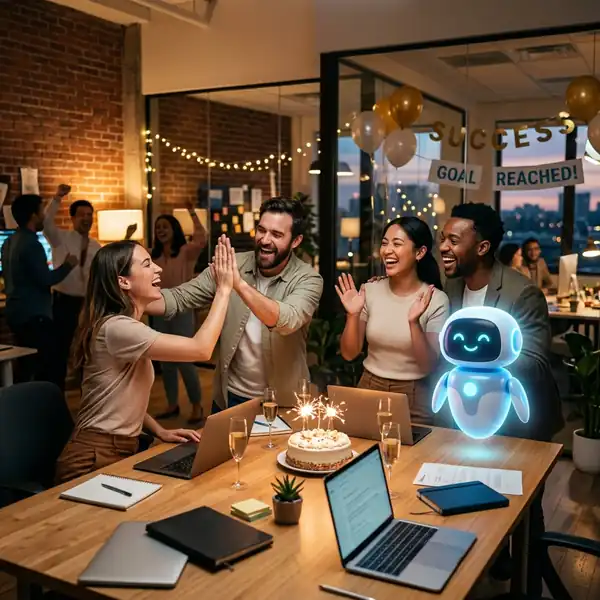
As we transition to fully agentic environments, legacy integration barriers will fade. Combining multimodal vision models with virtual cloud sandboxes allows professionals to automate complex workflows using voice commands or short text instructions in natural language. The paradigm of computing will shift from typing commands to managing goals, simplifying how humans utilize digital tools. Systems will become conversational layers that translate human intents into structured desktop action series.
Human roles will shift from manual data entries to strategic system oversight, focusing on process optimization, security validation, and aligning agent targets with business goals, elevating the analytical value of human workers in the tech-focused era. Ultimately, visual AI agents will redefine corporate workflows, making digital interaction smoother and faster for everyone. The coordination of multi-agent fleets will become a standard operational capability, unlocking growth vectors across all sectors. This technology guarantees that organizations can upgrade their automation portfolios without waiting for official developer APIs to be released by third parties. Visual execution platforms represent the future of digital execution architectures.
Recommended Reading: Explore our comprehensive guide on Manus AI Review: Is it Worth it? and the in-depth comparison OpenAI Operator: Complete Guide.
Disclaimer: DomineTec is an independent tech portal. The tutorials and reviews provided on this website are for educational purposes. We advise performing professional security audits on all automated workflows before production deployment to maintain maximum data compliance and protect core assets.