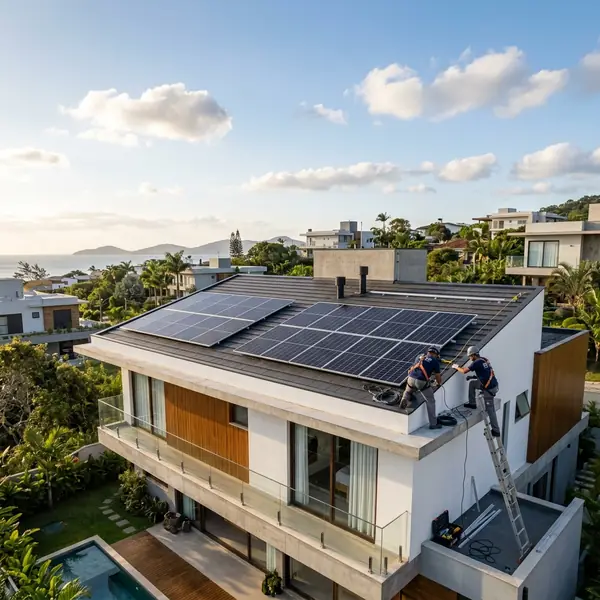
A solar water heater is worth it because it can reduce home electricity bills by 30% to 40% with a short payback period of 3 to 5 years. official NREL website
For more information, read our guide on whether a home solar panel kit is worth it and check how residential solar panels work under different conditions.
Introduction to Solar Water Heating
Solar water heaters utilize sunlight to heat water for residential use. This technology is efficient and can significantly lower energy costs. Homeowners are increasingly considering solar water heaters to enhance sustainability.
These systems can provide hot water for various household needs, including bathing, cooking, and cleaning. By tapping into a renewable energy source, they reduce dependence on traditional electricity or gas heating.
The installation of a solar water heater can lead to substantial savings over time. In this article, we will analyze the costs and benefits associated with solar water heating systems.
Understanding Solar Water Heating Systems
Types of Solar Water Heaters
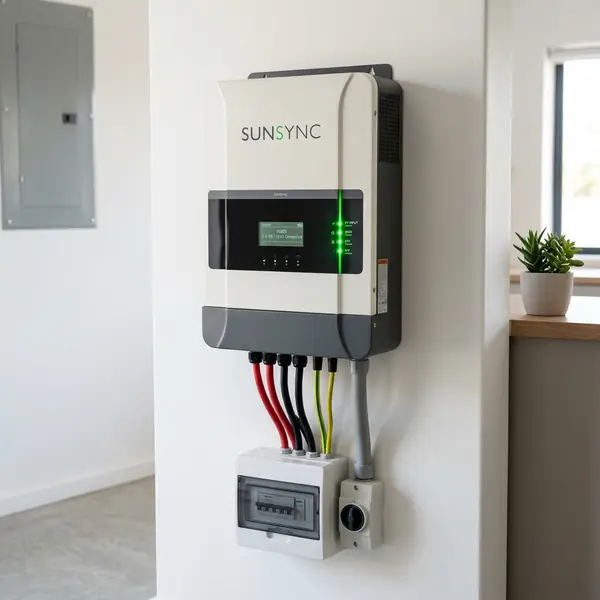
There are two main types of solar water heaters: active and passive systems. Active systems use pumps to circulate water through the collectors. Passive systems rely on natural convection, making them simpler and less expensive.
Active systems are generally more efficient and can provide hot water even on cloudy days. However, they may have higher installation costs. Passive systems, while cheaper, may not perform as well in colder climates.
Components of a Solar Water Heating System
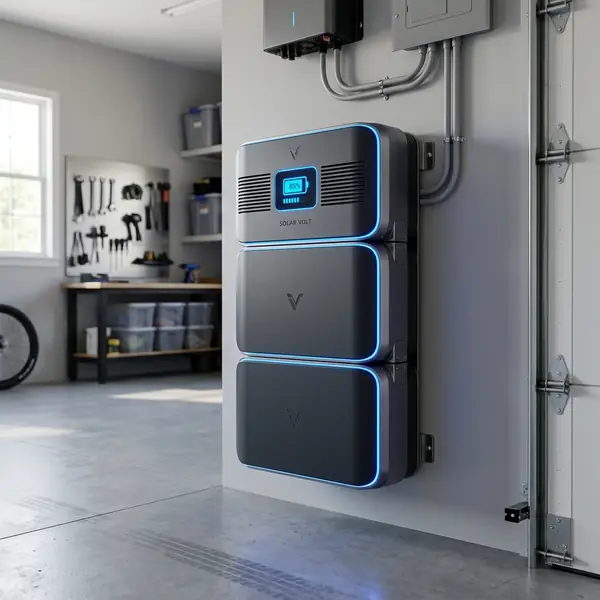
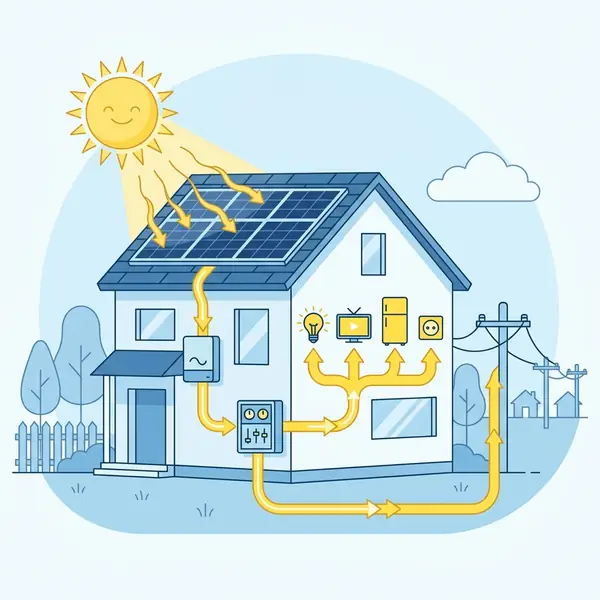
A typical solar water heating system includes solar collectors, a storage tank, and a control system. The solar collectors, often mounted on roofs, capture sunlight and convert it into heat. This heat is then transferred to the water in the storage tank.
The control system regulates the operation of the pumps and ensures that the water reaches the desired temperature. Some systems also include backup heating options for cloudy days or high-demand periods.
Cost Analysis of Solar Water Heaters
Initial Investment
The average cost of a solar water heating system ranges from $3,000 to $7,000. This includes equipment and installation expenses. Prices may vary based on the system type, size, and location.
It's important to consider local incentives and rebates, which can significantly reduce the upfront costs. For instance, federal tax credits can offer up to 26% off the installation costs, making the investment more attractive.
Operating Costs and Maintenance
Solar water heaters are relatively low-maintenance. Regular maintenance, such as checking for leaks and cleaning the collectors, is necessary. These tasks can often be performed by the homeowner with minimal tools.
Annual maintenance costs may add around $100 to $200 per year. However, these costs are significantly lower than the ongoing expenses of traditional water heating systems.
Financial Savings and Payback Period
Homeowners can expect to save between $200 and $500 annually on energy bills. This translates to a payback period of 3 to 5 years, depending on energy prices and system efficiency. Over the lifespan of the system, which can exceed 20 years, the savings can be substantial.
For example, if you invest $5,000 in a solar water heater and save $300 annually, the payback period would be approximately 16.7 years. However, factoring in incentives can shorten this period significantly.
Environmental Impact
Using a solar water heater reduces greenhouse gas emissions. Traditional water heating methods often rely on fossil fuels, contributing to climate change. By switching to solar, homeowners can significantly lower their carbon footprints.
According to the National Renewable Energy Laboratory (NREL), solar water heaters can reduce CO2 emissions by up to 4,000 pounds per year for a typical household. This environmental benefit adds value to the financial savings.
Comparative Analysis of Solar Water Heaters and Traditional Systems

To give a clearer picture, let's compare solar water heaters with traditional electric water heaters in terms of cost, efficiency, and environmental impact.
| Feature | Solar Water Heater | Traditional Electric Water Heater |
|---|---|---|
| Initial Cost | $3,000 - $7,000 | $300 - $2,000 |
| Annual Operating Cost | $100 - $200 | $300 - $600 |
| Payback Period | 3 - 5 years | N/A |
| CO2 Emissions | 4,000 lbs/year reduction | Varies |
DomineTec Tip: Consider local incentives and rebates when calculating your costs, as they can significantly reduce your initial investment.
Factors Influencing the Decision to Install
Location and Climate
The efficiency of a solar water heater largely depends on the location and climate. Areas with abundant sunlight will benefit the most from these systems. Conversely, regions with frequent cloud cover may not see as significant savings.
In colder climates, a well-insulated system can still provide adequate heating. However, the initial investment might need to be weighed against potential savings.
Household Hot Water Needs
Understanding your household's hot water requirements is critical. A larger family will typically require more hot water, which can influence the size and type of system needed. Assessing your daily hot water usage can help determine the best system for your needs.
For example, a family of four may require a larger system than a single-person household. This factor will affect the initial costs and potential savings over time.
System Durability and Lifespan
Solar water heaters can last 20 years or more with proper maintenance. The lifespan of traditional electric heaters is generally shorter, around 10 to 15 years. This durability can translate into more significant long-term savings.
Investing in quality components can further extend the life of your solar water heater. Look for warranties that cover both the collectors and the storage tank.
Financing Options for Solar Water Heaters
Loans and Incentives
Several financing options are available to homeowners considering solar water heaters. Many banks and credit unions offer specific loans for renewable energy projects. Additionally, local and federal incentives can help reduce the overall cost.
Home equity loans and personal loans are also viable options for financing. Be sure to compare interest rates and terms to find the most favorable arrangement.
Leasing vs. Ownership
Homeowners can choose to lease a solar water heater instead of purchasing one outright. Leasing can reduce upfront costs but may limit long-term savings. Owning the system often leads to greater financial benefits over time.
When deciding between leasing and ownership, consider the long-term financial implications. Calculate the total costs over the system's lifespan to make an informed decision.
Regulatory Considerations
Before installing a solar water heater, check local regulations and building codes. Many areas have specific guidelines and permits required for installation. Ensuring compliance can help avoid fines and ensure safe operation.
Also, some municipalities may offer incentives for solar installations. Researching these opportunities can lead to additional savings.
Conclusion: Is a Solar Water Heater Worth It?
A solar water heater can be a worthwhile investment for many homeowners. The potential for significant savings on energy bills, combined with environmental benefits, makes it an attractive option. The payback period is relatively short, and systems can last for over 20 years.
While the initial investment may be higher than traditional systems, the long-term savings can offset these costs. Homeowners should evaluate their specific circumstances, including location, hot water needs, and financing options, to determine if a solar water heater is right for them.
How long do solar water heaters last?
Most solar water heaters can last 20 years or more with proper maintenance. Regular inspections and maintenance can extend their lifespan.
Can I install a solar water heater myself?
While some homeowners may choose to install their systems, it is often recommended to hire a professional. Proper installation ensures efficiency and compliance with local codes.
What incentives are available for solar water heaters?
Incentives vary by location, but federal tax credits and local rebates can significantly reduce the cost of installation. Check your local government website for specific programs.
How do I choose the right solar water heater?
Consider your household's hot water needs, location, and budget. Research different types of systems and consult with professionals to find the best option for your home.
Is a Solar Water Heater Worth It? Cost Savings Analysis
When considering a solar water heater, it’s important to analyze both the upfront costs and the long-term savings. The initial investment typically ranges from $3,000 to $7,000, depending on the system size, type, and installation complexities. While this may seem steep, it’s important to weigh these costs against the potential savings on your utility bill.
Solar water heaters can reduce your water heating costs by 50% to 80%. This percentage depends on your local climate, the size of your household, and the efficiency of the system you choose. For instance, in sunny regions, homeowners can expect greater energy savings compared to areas with less sunlight.
To accurately assess the financial viability, consider your current water heating costs. The average American household spends approximately $300 to $600 annually on water heating, depending on usage and local energy prices. By implementing a solar water heater, you could potentially save $150 to $480 each year.




