Is a Home Solar Panel Kit Worth It? Cost and Savings Analysis

Understanding Home Solar Panel Kits
A home solar panel kit is worth it because it can reduce electricity bills by up to 95% and offers a payback period of 4 to 8 years. Choosing and installing the right system ensures energy independence and long-term utility bill reductions.
A home solar panel kit is worth it because it can reduce electricity bills by up to 95% and offers a payback period of 4 to 8 years. Choosing and installing the right system ensures energy independence and long-term utility bill reductions.
Home solar panel kits have gained popularity as more homeowners seek sustainable energy solutions. These kits offer a way to harness solar energy, potentially reducing electricity bills and carbon footprints. But is a home solar panel kit worth it?
Let's explore the costs, savings, and other factors involved.
Cost Breakdown of Home Solar Panel Kits
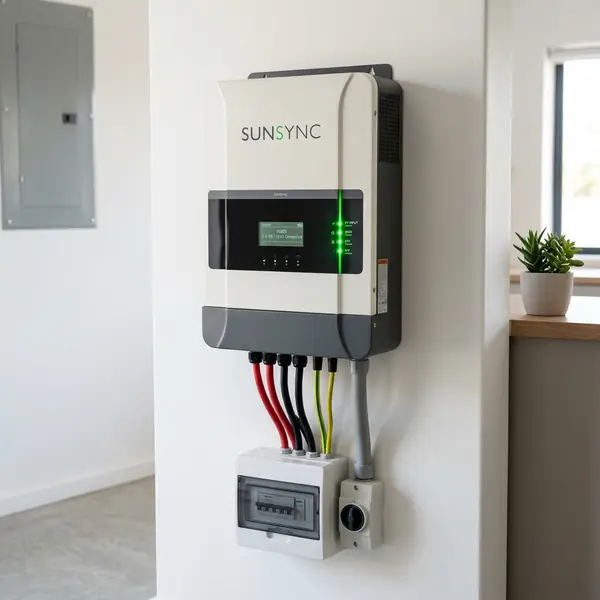
The cost of a home solar panel kit varies based on several factors. On average, homeowners can expect to spend between $10,000 to $30,000 for a complete installation. This price typically includes solar panels, inverters, and other necessary components.
Installation costs can range from $2.50 to $3.50 per watt. For example, a 6 kW solar system (which is common for many homes) could cost between $15,000 and $21,000. This price often includes labor, equipment, and permits.
Additionally, many states offer incentives or rebates that can lower upfront costs. Federal tax credits, such as the Investment Tax Credit (ITC), currently allow homeowners to deduct 26% of the installation costs from their federal taxes.
Potential Savings from Solar Energy
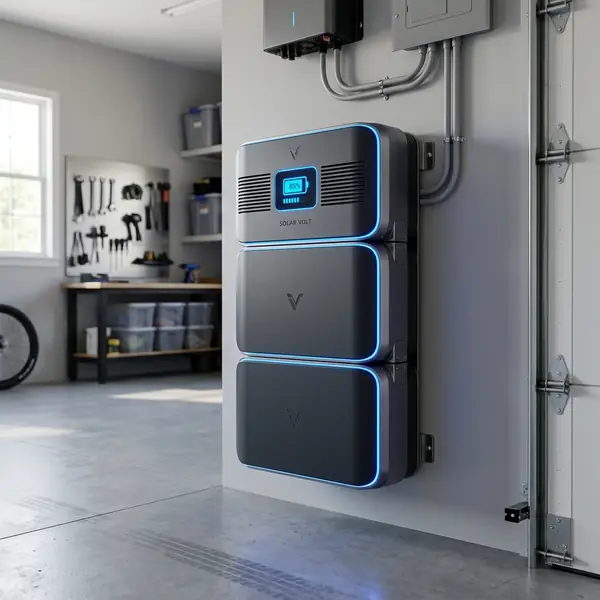
One of the most compelling reasons to invest in a home solar panel kit is the potential savings. Homeowners can save an average of $1,500 to $2,500 annually on electricity bills. This figure can vary based on energy consumption and local electricity rates.
Over a 25-year lifespan, solar panels can save homeowners upwards of $30,000. The actual savings depend on the initial installation costs, energy efficiency of the system, and local energy prices.
Payback Period for Solar Panel Kits
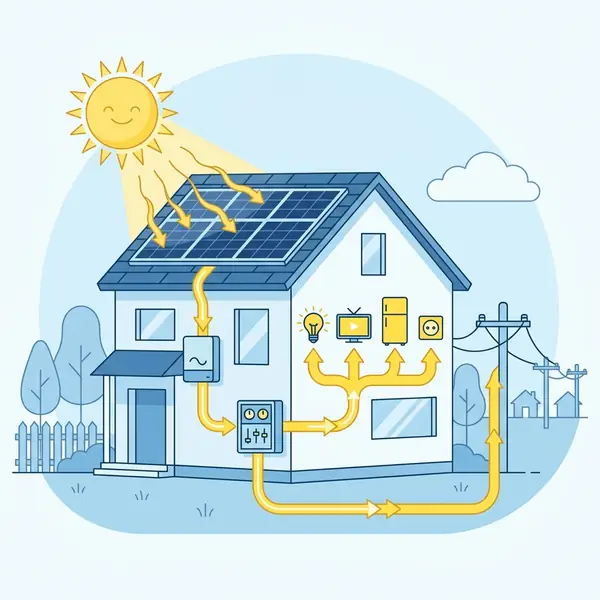
The payback period refers to how long it takes for the savings from a solar panel kit to equal the initial investment. Most homeowners can expect a payback period of 5 to 10 years. This timeframe can be shorter in states with high electricity rates and robust incentive programs.
For instance, if a homeowner spends $20,000 on a solar panel kit and saves $2,000 annually, the payback period would be 10 years. After this period, the energy generated is essentially free, leading to considerable long-term savings.
Financing Options for Home Solar Panel Kits

Financing solar panel kits can be an effective way to manage upfront costs. Options include cash purchases, solar loans, and leasing arrangements. Each option has its benefits and considerations, depending on your financial goals and current budget.
Solar loans typically require a down payment and allow homeowners to pay for the installation over time. Monthly payments can be offset by the savings on electricity bills, making this an attractive choice for many.
Leasing, on the other hand, allows homeowners to install solar panels without upfront costs. Monthly lease payments are made, often lower than previous electricity bills, but the homeowner does not own the system or benefit from tax credits.
Choosing the Right Solar Panel Kit for Your Home
When selecting a solar panel kit, it's important to consider factors like energy needs, roof space, and local regulations. Conducting a detailed energy audit can help determine how much power your household consumes and the size of the system needed.
Additionally, researching different brands and their efficiencies can yield better long-term results. Popular brands like SunPower and LG often provide higher efficiency panels, which can generate more energy in limited space.
Consulting with a professional installer can also provide insights into the best options tailored to your home, ensuring you make an informed decision.
Real-World Case Studies of Solar Panel Installations
Several homeowners have successfully installed solar panel kits with significant benefits. For instance, the Smith family in California invested $18,000 in a 7 kW system. They report saving approximately $2,200 annually, leading to a payback period of just over 8 years.
In contrast, the Johnsons in Texas opted for a $15,000 system but faced slightly higher energy costs. Their savings average $1,800 per year, resulting in a payback period of about 10 years.
These case studies illustrate how geographical differences and energy needs can affect the financial outcomes of solar panel investments.
Environmental Impact of Solar Energy
Investing in home solar panel kits not only provides financial benefits but also contributes to environmental sustainability. By generating clean, renewable energy, homeowners can significantly reduce their carbon footprint.
According to the National Renewable Energy Laboratory (NREL), a typical residential solar system can offset approximately 100 tons of carbon dioxide over its lifetime. This impact rivals the emissions produced by an average car over 200,000 miles.
Moreover, as more homeowners adopt solar energy, the collective impact can lead to a decrease in reliance on fossil fuels, promoting a cleaner energy future.
Comparison of Home Solar Panel Kits
| Solar Kit Brand | System Size (kW) | Estimated Cost (USD) | Annual Savings (USD) | Payback Period (Years) |
|---|---|---|---|---|
| SunPower | 6 | $18,000 | $2,200 | 8 |
| LG | 7 | $20,000 | $2,500 | 8 |
| Canadian Solar | 5 | $15,000 | $1,800 | 10 |
| Q CELLS | 6.5 | $17,000 | $2,000 | 8.5 |
Maintaining Your Solar Panel System
Proper maintenance is key for maximizing the life and efficiency of your solar panel system. Regular cleaning and inspections can help prevent issues such as dust accumulation and damage from debris.
Most systems require minimal maintenance, but it’s advisable to have a professional check the system every 1 to 2 years. This ensures all components are functioning optimally and identifies any potential issues before they escalate.
Additionally, keeping track of energy production can help homeowners understand the performance of their system and alert them to any significant drops in output.
Understanding Solar Panel Kits: Types and Components
Solar panel kits come in various configurations, each suited for different energy needs and installation preferences. The most common types include grid-tied, off-grid, and hybrid systems. Understanding the components and their functions helps you make an informed decision.
Grid-Tied Systems
Grid-tied solar panel kits are the most popular choice for homeowners. They connect directly to the utility grid, allowing you to use solar power during the day and rely on grid electricity at night. These systems often include net metering, which credits you for excess energy sent back to the grid.
Off-Grid Systems
Off-grid solar panel kits are ideal for locations without access to the grid. They require batteries to store energy for nighttime use and during cloudy days. While they offer energy independence, off-grid systems can be more expensive due to battery costs and additional equipment.
Hybrid Systems
Hybrid solar panel kits combine elements of both grid-tied and off-grid systems. They allow homeowners to use the grid while also storing energy in batteries. This flexibility ensures a reliable power supply and can be particularly beneficial during outages.
Financial Considerations: Initial Costs vs. Long-Term Savings
The initial investment for a solar panel kit can vary widely based on system size and type. As of 2023, the average cost of a residential solar panel system is approximately $3.00 to $4.00 per watt, translating to about $15,000 to $25,000 for a typical 5 kW system before any incentives. It's key to weigh these upfront costs against long-term savings.
In terms of savings, homeowners can expect to reduce their electricity bills by 50% to 90% with solar energy. Depending on your location and energy consumption, the average payback period ranges from 5 to 10 years. After the payback period, homeowners can enjoy decades of virtually free electricity, significantly enhancing overall savings.
Incentives and Rebates: Maximizing Your Investment
To make solar panel kits more affordable, various federal, state, and local incentives are available. The Federal Investment Tax Credit (ITC) allows homeowners to deduct 26% of the cost of their solar system from their federal taxes. This incentive is set to decrease to 22% in 2023 and may phase out completely afterward, so timing your purchase can be critical.
Additionally, many states offer rebates, which can further reduce the upfront cost. Programs vary widely, so it's advisable to research local incentives or consult with a solar installer to maximize savings. Utility companies may also provide incentives, including performance-based incentives and rebates for installing solar systems.
Installation Considerations: DIY vs. Professional Installation
When deciding to install solar panel kits, one important consideration is whether to opt for a DIY installation or hire professionals. DIY kits can save you money on labor costs, but they require a level of expertise in electrical systems and structural integrity.
Professional installation typically comes with warranties and guarantees, ensuring that the system is correctly installed and functions optimally. While it may increase your upfront costs, the peace of mind and potential for better system performance can make it worthwhile.
| Type of System | Initial Cost (USD) | Average Payback Period (Years) | Maintenance Costs (Annual) |
|---|---|---|---|
| Grid-Tied | $15,000 - $25,000 | 5 - 7 | $200 - $300 |
| Off-Grid | $25,000 - $40,000 | 7 - 10 | $300 - $500 |
| Hybrid | $20,000 - $35,000 | 6 - 8 | $250 - $400 |
DomineTec Tip: Always compare quotes from multiple installers and check for customer reviews. This helps ensure you find a reputable contractor who fits your budget and needs.
How long do solar panels last?
Solar panels typically have a lifespan of 25 to 30 years, with manufacturers providing warranties for at least 20 years.
Are there any tax credits available for solar panel installations?
Yes, the Federal Investment Tax Credit (ITC) allows you to deduct 26% of the installation cost from your federal taxes.
What maintenance do solar panels require?
Solar panels require minimal maintenance, mainly cleaning to remove dust and debris. Regular inspections can help ensure optimal performance.
Can solar panels increase my home value?
Yes, homes with solar panel systems often see an increase in property value, with some estimates suggesting a return on investment of about $15,000 for a typical system.
Understanding Incentives and Tax Credits
One of the most significant factors affecting the cost-effectiveness of a home solar panel kit is the availability of incentives and tax credits. In the United States, the federal solar tax credit (Investment Tax Credit or ITC) allows homeowners to deduct a percentage of their solar installation costs from their federal taxes. As of 2023, this percentage stands at 30%, but it is set to decrease gradually in the coming years.




