Using a VPN allows you to change your Nintendo Switch eShop region by masking your true location, enabling access to international games.
Why Gamers Change Their Nintendo eShop Country Settings
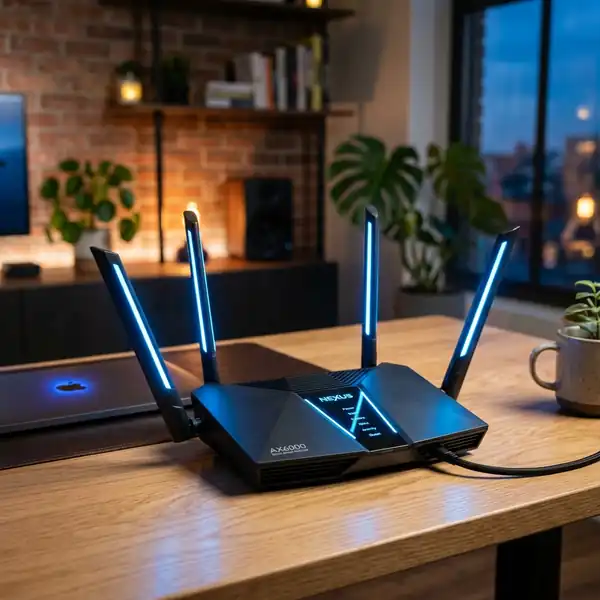
DomineTec Tip: Installing the VPN client directly on your router is the most reliable option for gaming consoles. Read our tutorial on how to configure VPN on TP-Link router.
Gamers often seek to change their Nintendo eShop region for several reasons, primarily to access a wider array of games, particularly those that are exclusive to specific regions or released earlier in certain areas. Additionally, pricing differences can be significant; games may be cheaper in one country compared to another due to local currency rates and regional pricing strategies. By altering the eShop country settings, players can take advantage of these lower prices, gain access to exclusive content, and participate in region-specific promotions or sales.
How Nintendo Detects Your Location and Handles Regional Currencies
| eShop Region | Common Payment Method | Requires Active VPN |
|---|---|---|
| United States / Canada | International Cards / Gift Cards | Yes (Recommended) |
| Japan | Japanese eShop Gift Cards | Yes |
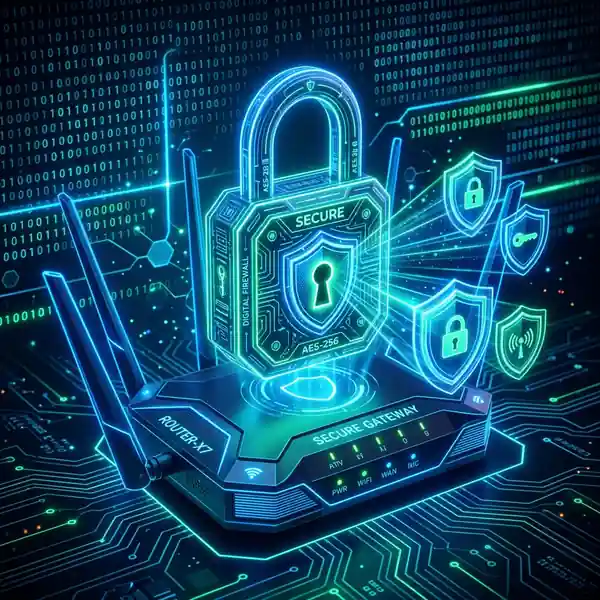
Nintendo employs geo-blocking techniques to determine a user's location using a combination of IP address identification and account settings. When you connect to the internet, your device sends a request to Nintendo's servers, which includes your IP address. This address reveals your geographical location, allowing Nintendo to restrict access to the eShop based on your home region.
Moreover, Nintendo's system is designed to handle multiple currencies, adjusting game prices accordingly. For instance, a game priced in USD may be cheaper in the Japanese eShop when converted to yen. Therefore, if you are in the United States but want to purchase a game available at a lower price in another region, changing your eShop country can save you money, provided you can bypass the geo-restrictions.
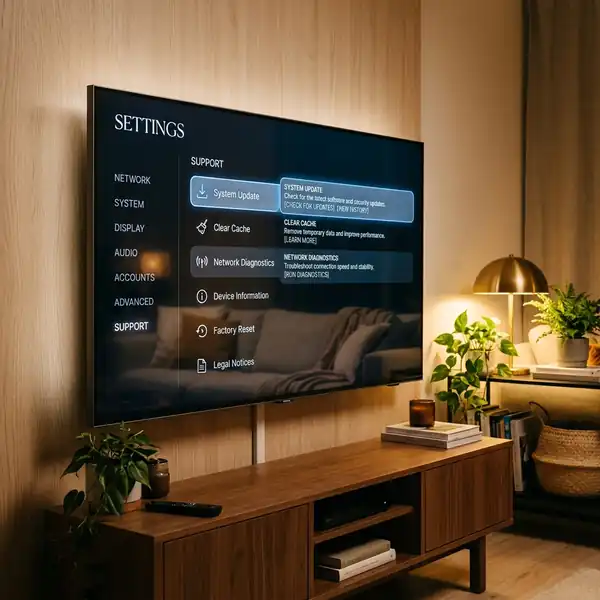
Method 1: Sharing a VPN Connection from Windows via Wi-Fi Hotspot
One of the most straightforward methods to use a VPN with your Nintendo Switch is to share a VPN connection from your Windows PC to create a Wi-Fi hotspot. This allows your Switch to connect to the internet through the VPN, effectively masking your IP address. The following steps will guide you through the process.
Step 1: Choose and Install a Reliable VPN Service
First, select a reputable VPN service known for its reliability and speed, such as NordVPN, ExpressVPN, or Surfshark. Download and install the VPN client on your Windows PC, following the instructions specific to your VPN provider.
Step 2: Connect to a VPN Server
Open the VPN client and sign in with your credentials. Choose a server located in the country where you wish to set your Nintendo eShop region. For instance, if you want to access the UK eShop, select a server based in the United Kingdom. Once selected, establish the connection.
Step 3: Configure Windows to Share Your VPN Connection
- Press Windows Key + I to open Settings.
- Click on Network & Internet.
- Navigate to the Mobile hotspot section on the left pane.
- Toggle the Share my Internet connection with other devices switch to On.
- Select Wi-Fi from the dropdown menu under Share my Internet connection from.
- Scroll down and click on Edit to set your network name and password.
- Click Save.
Step 4: Connect Your Nintendo Switch to the Hotspot
On your Nintendo Switch, go to System Settings, then select Internet and choose Internet Settings. Locate your newly created Wi-Fi hotspot from the list of available networks, enter the password, and connect.
Step 5: Verify Your VPN Connection
To ensure that your Switch is using the VPN connection, you can check your IP address using a web browser on your Switch. Navigate to a site like whatismyipaddress.com, and confirm that the IP address corresponds to the location of your chosen VPN server.
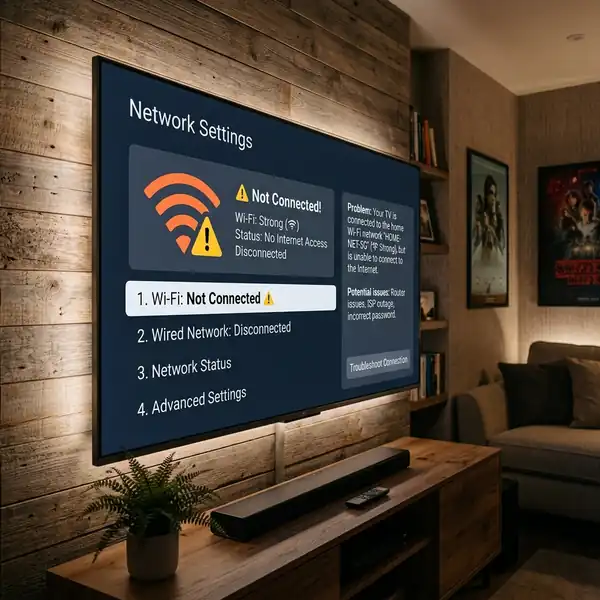
Method 2: Configuring the VPN Client Directly on Your Home Router
If you want to use a VPN with multiple devices simultaneously, configuring the VPN directly on your home router is an efficient solution. This allows all devices connected to your network, including your Nintendo Switch, to access the internet via the VPN. Here’s how to set it up.
Step 1: Check Router Compatibility
Before proceeding, ensure that your router supports VPN configurations. Routers running on firmware like DD-WRT, Tomato, or OpenWRT are typically compatible. If your router does not support VPN settings, consider purchasing a compatible router or flashing your existing router with custom firmware (note that this can void warranties and require technical expertise).
Step 2: Access Your Router’s Admin Panel
Connect to your router via a web browser by entering the router's IP address, typically 192.168.1.1 or 192.168.0.1. Log in using your administrative credentials.
Step 3: Configure the VPN Client
- Navigate to the VPN section of the router settings. This may differ based on your router’s firmware.
- Enter the details provided by your VPN service, including server address, your account credentials, and any additional settings (like DNS or encryption type).
- Save the settings and restart your router if prompted.
Step 4: Connect Your Nintendo Switch to the Router
With the VPN configured on your router, connect your Nintendo Switch to the network as you normally would. Navigate to System Settings, select Internet, and choose Internet Settings. Find your Wi-Fi network, enter the password, and connect.
Step 5: Verify Your VPN Connection
Just like in Method 1, confirm that your Nintendo Switch is using the VPN by checking your IP address on a browser. This ensures that all devices connected to your router are benefiting from the VPN's location masking.

Account Safety Tips: How to Avoid Nintendo Policy Violations and Bans
While using a VPN to change your Nintendo eShop region can be advantageous, it's essential to proceed with caution. Violating Nintendo's terms of service can lead to account suspensions or bans. Here are some safety tips to consider:
Tip 1: Create a New Nintendo Account for Each Region
To minimize the risk of account ban, consider creating a new Nintendo account for each region you wish to access. This way, you can keep your primary account safe while exploring different eShops.
Tip 2: Avoid Frequent Region Switching
Switching your eShop region frequently can raise red flags. It is advisable to stick with one region for a while before changing again. This behavior mimics normal usage patterns and lowers the risk of detection.
Tip 3: Use a Trusted VPN Service
Choose a VPN service with a good reputation for privacy and security. Avoid free VPNs, as they often sell user data or have weak security protocols. A reliable VPN will help protect your identity and maintain a stable connection.
Tip 4: Purchase Games Responsibly
When buying games from different regions, ensure you fully understand the compatibility and region-locking of the games. Some games may not function correctly if purchased from a different region due to hardware restrictions.
Tip 5: Stay Informed about Nintendo's Policies
Regularly review Nintendo's terms of service and user agreements. Being informed about the rules can help you navigate the eShop safely, minimizing the risk of unintentional violations.
Conclusion
Changing your Nintendo Switch eShop region using a VPN can unlock a trove of gaming opportunities, from exclusive titles to reduced prices. By following the detailed methods outlined above, you can successfully configure your VPN connection through either your Windows PC or router. Remember to prioritize safety by adhering to Nintendo's policies and using a reliable VPN service. With these steps, you can enhance your gaming experience while exploring the vast offerings of the Nintendo eShop across different regions.
Understanding VPN Configuration for Nintendo Switch Connectivity
To effectively change your Nintendo Switch eShop region using a VPN, it's crucial to understand the underlying configuration settings that ensure seamless connectivity. Properly setting up your VPN involves not only selecting a reliable VPN provider but also configuring your network settings to accommodate the unique requirements of the Nintendo Switch.
First, you must ensure that your VPN supports the OpenVPN protocol or IKEv2/IPSec, as these provide robust encryption and are compatible with most modern routers capable of handling VPN connections. For optimal performance, consider choosing a VPN server location close to the region you wish to access on your Nintendo Switch. This minimizes latency and maximizes download speeds.
Once you've selected a suitable server, you'll need to configure your router to route traffic through the VPN. This involves logging into your router's admin panel and locating the VPN settings section. Many consumer-grade routers do not support VPN configurations natively, so if your router does not, you may need to install third-party firmware like DD-WRT or Tomato, which provides enhanced features including VPN capabilities.
When configuring your VPN settings, ensure you input the correct server address and authentication details provided by your VPN service. Most VPNs require a username and password; however, some may also require a pre-shared key for additional security. It's also advisable to enable features such as "Kill Switch" and "DNS Leak Protection." The Kill Switch feature will prevent your Nintendo Switch from connecting to the internet if the VPN connection drops, ensuring that your real IP address is not exposed.
Additionally, ensure that the VPN's DNS servers are correctly configured. This is vital, as improper DNS settings can lead to DNS leaks, which may expose your real location and IP address. Many VPN providers offer their DNS servers, which should be used for maximum privacy. You can verify if your DNS settings are correctly configured by using online tools that check for DNS leaks.
Once your router is configured, connect your Nintendo Switch to the Wi-Fi network. You may need to reboot your router for the changes to take effect. After rebooting, verify that your Switch is receiving the correct IP address corresponding to the VPN server you've connected to. You can do this by checking your network settings through the Nintendo Switch interface. If everything is set up correctly, you should be able to access the eShop of the region you've selected.
Advanced Routing Policies and Network Security Considerations
When utilizing a VPN to change your Nintendo Switch eShop region, understanding routing policies and security considerations is essential to maintaining a secure and efficient gaming experience. Routing policies determine how data packets travel through your network and can significantly impact performance and security.
For optimal routing, it is advisable to select a VPN provider that allows you to configure split tunneling. This feature enables you to direct only the Nintendo Switch traffic through the VPN while letting other devices on your network access the internet without the VPN. This can reduce the load on your VPN connection and improve speed and latency for other devices. However, ensure that your VPN provider supports split tunneling, as not all do.
When setting up split tunneling, specify the IP address of your Nintendo Switch within your router’s configuration interface. This can usually be done by creating routing rules that define which device's traffic gets routed through the VPN. Typically, this requires identifying the MAC address of your Nintendo Switch and associating it with the VPN in your router settings. You may also need to open specific network ports that the Nintendo Switch uses, such as UDP port 443 for eShop access, to ensure smooth operation.
In terms of security, it is paramount to implement a robust firewall configuration at your router level. This includes enabling NAT (Network Address Translation) and configuring port forwarding for the Nintendo Switch. Port forwarding allows external devices to connect to a specific device on your local network using a designated port. For instance, if you encounter connectivity issues with certain online games, you may need to forward ports 1-65535 for both TCP and UDP protocols, thus allowing your gaming device to communicate effectively with other players.
Furthermore, ensure that your router firmware is up to date to protect against vulnerabilities that could be exploited by malicious entities. Regular updates from the manufacturer often include security patches that safeguard your network from potential threats.
Another security measure to consider is the use of a secure VPN protocol. While OpenVPN and IKEv2/IPSec are recommended, avoid using PPTP due to its known vulnerabilities. Always choose a VPN that employs AES-256 encryption, which is currently considered unbreakable and provides a high level of privacy and security.
Finally, it is beneficial to regularly review your VPN settings and connection logs. Many VPN providers have user-friendly dashboards that allow you to monitor your connection status, verify data transfer speeds, and check for any unusual activity. By staying proactive with your VPN management, you can ensure a safer and more reliable experience when accessing the Nintendo Switch eShop in different regions.
Additional Resources and Recommended Links
For more networking and security guides, check out our step-by-step tutorials on configure VPN on TP-Link router and setup VPN on Nintendo Switch. For official hardware troubleshooting, visit the Official Nintendo Support Portal.