To set up a VPN on your Nintendo Switch, use Smart DNS, share a VPN connection from a PC hotspot, or configure it on your router.
Does Nintendo Switch Have Native VPN Client Support?
DomineTec Tip: Smart DNS keeps your speed high, but doesn't secure your data packets. For full encryption, configure the VPN on your router. Read our guide on how to setup VPN on TP-Link router.
The Nintendo Switch does not possess native VPN client support, which means you cannot directly install a VPN application on the console itself. Unlike some gaming devices or computers, the Switch lacks the operating system capability to run third-party software, including VPN clients. However, there are ways to bypass this limitation by utilizing Smart DNS configurations, sharing a VPN connection from a computer, or configuring VPN settings directly on your home router. Each method has its benefits and limitations, and understanding these will help you determine the best approach for your needs.
Method 1: Configuring Smart DNS in the Switch Internet Settings
| Method | Difficulty | Encryption | Speed & Ping Impact |
|---|---|---|---|
| Smart DNS | Very Low | No | Excellent (No lag) |
| PC Hotspot | Medium | Yes | Moderate (Slight ping increase) |
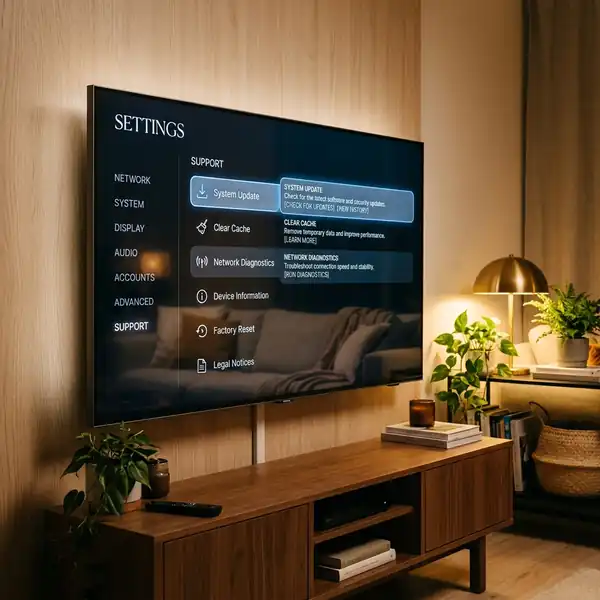
Smart DNS is an effective workaround for utilizing a VPN-like service on the Nintendo Switch. Smart DNS allows you to reroute DNS queries through a server located in a different country, enabling access to geo-restricted content without modifying your IP address. This method is particularly useful for streaming services and online gaming. Here’s how to set it up:
Step 1: Choose a Smart DNS Provider
Before proceeding, select a reputable Smart DNS provider. Some well-known options include Unlocator, Smart DNS Proxy, and ExpressVPN’s Smart DNS service. Ensure that the provider supports the Nintendo Switch and offers a free trial, if possible, to test their service.
Step 2: Obtain DNS Server Addresses
Once you have subscribed to a Smart DNS service, log in to your account on the provider’s website. Navigate to the section that displays your DNS server addresses. Typically, you will receive a primary and a secondary DNS address. Make sure to note these down for later use.
Step 3: Access Nintendo Switch Network Settings
- Power on your Nintendo Switch and navigate to the home screen.
- Select the “System Settings” icon, which resembles a gear.
- Scroll down and select “Internet” from the left sidebar.
- Now, click on “Internet Settings.”
- Your Switch will scan for available networks. Select your Wi-Fi network from the list.
- When prompted, select “Change Settings.”
Step 4: Modify DNS Settings
- Scroll down to the “DNS Settings” option and select it.
- Change the setting from “Automatic” to “Manual.”
- Enter the primary DNS address you obtained from your Smart DNS provider in the “Primary DNS” field.
- Enter the secondary DNS address in the “Secondary DNS” field.
- Scroll down and select “Save.”
Step 5: Test Your Connection
- After saving your settings, return to the previous menu and select “Test Connection.”
- Once the test completes, your Nintendo Switch should now be using the Smart DNS service.
Step 6: Enjoy Access to Geo-Restricted Content
With Smart DNS configured on your Nintendo Switch, you can now access content that may be restricted based on your geographical location. This method, however, does not encrypt your internet traffic, so if privacy is a concern, consider the next methods.
Method 2: Sharing a VPN Connection from PC via Wi-Fi Hotspot
If you prefer the added security of a VPN, you can share your PC's VPN connection with your Nintendo Switch via a Wi-Fi hotspot. This method involves creating a virtual Wi-Fi network on your PC that the Switch can connect to. Follow these steps:
Step 1: Set Up a VPN Client on Your PC
First, install a reputable VPN client on your Windows PC. Providers like NordVPN, ExpressVPN, and Surfshark offer user-friendly applications. Ensure the application is installed and that you have logged in with your credentials.
Step 2: Connect to a VPN Server
Open the VPN application and connect to a server of your choice. Choose a server based on your requirements, such as one located in a specific country to access region-locked content.
Step 3: Enable the Mobile Hotspot Feature
- Press the Windows key and type “Settings” to open the Settings menu.
- Navigate to “Network & Internet.”
- On the left sidebar, select “Mobile hotspot.”
- Toggle “Share my Internet connection with other devices” to “On.”
Step 4: Configure Hotspot Settings
- Under “Share my Internet connection from,” choose the connection that corresponds to your VPN.
- Click on “Edit” to set a network name (SSID) and password for your hotspot. Keep these details handy for the next steps.
Step 5: Connect Your Nintendo Switch to the Hotspot
- On your Nintendo Switch, go to “System Settings” and then “Internet.”
- Select “Internet Settings” and allow the console to search for networks.
- Locate your newly created hotspot in the list and select it.
- Enter the password you set earlier and connect.
Step 6: Testing Your Connection
- Once connected, go back to the “Internet” settings and select “Test Connection.”
- Your Switch should now be using the VPN connection routed through your PC.
Method 3: Running a VPN Directly on Your Home Router
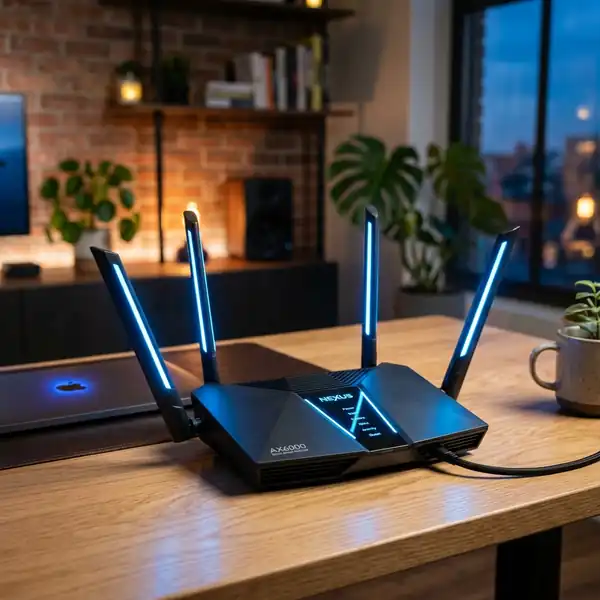
Installing a VPN on your home router is a more advanced solution that allows all devices connected to your network, including your Nintendo Switch, to benefit from VPN protection. This method is ideal for households with multiple devices that require VPN access. However, not all routers support VPN configurations, so verify compatibility first.
Step 1: Check Router Compatibility
Ensure your router supports VPN functionality. Routers that run on firmware like DD-WRT, Tomato, or AsusWRT are typically compatible with VPN services. You can check your router model on the manufacturer’s website or consult the user manual.
Step 2: Access Router Settings
- Connect to your router via Ethernet or Wi-Fi.
- Open a web browser and enter your router’s IP address (commonly 192.168.1.1 or 192.168.0.1) in the address bar.
- Log in with your admin credentials (default usernames and passwords can usually be found on a label on the router).
Step 3: Configure VPN Settings
- Once logged in, navigate to the VPN section of the router settings. This may vary depending on the router firmware.
- Enter your VPN provider’s details, including server addresses, your username, and password.
- Save the settings and reconnect to the router if necessary.
Step 4: Connect Your Nintendo Switch to the VPN-Enabled Router
- On your Nintendo Switch, go to “System Settings,” then “Internet,” and select “Internet Settings.”
- Search for your Wi-Fi network and connect it as you normally would.
Step 5: Verify the VPN Connection
To ensure that your Nintendo Switch is using the VPN connection, you can check your external IP address through a web browser. If configured correctly, your IP address should reflect the location of the VPN server you connected to.

Testing Your Console Connection and Checking the External IP Address
Regardless of the method used to set up the VPN on your Nintendo Switch, it is essential to verify that the connection is functioning correctly. Here are steps to test your console connection and check your external IP address:
Step 1: Testing Connection on Nintendo Switch
- Navigate to “System Settings” on your Nintendo Switch.
- Select “Internet” and then “Internet Settings.”
- Choose your connected network and select “Test Connection.”
Step 2: Checking Your External IP Address
- Open the Nintendo Switch’s web browser or a web-enabled application.
- Visit a website like “whatismyip.com” or “iplocation.net.”
These sites will display your current external IP address. If the setup is successful, the IP address shown should match the location of the VPN server you selected.
Step 3: Troubleshooting Connection Issues
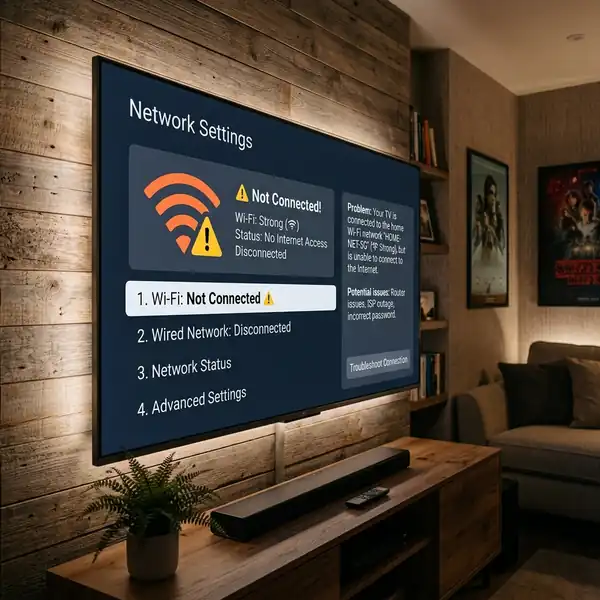
If you encounter issues while setting up the VPN on your Switch, consider the following troubleshooting steps:
- Ensure your VPN subscription is active and that you have a stable internet connection.
- Double-check all DNS addresses if using Smart DNS, and ensure they are entered correctly.
- Restart your router and the Nintendo Switch if you face connectivity issues.
- Consult your VPN provider’s support documentation or customer service for specific setup-related questions.
Setting up a VPN on your Nintendo Switch may seem complex; however, by following these detailed methods, you can enjoy enhanced privacy and access to geo-restricted content while gaming. Whether you choose Smart DNS for ease of use or configure a VPN on your router for comprehensive coverage, each method allows you to maximize your gaming experience securely.
Understanding VPN Protocols: A Deep Dive
When setting up a VPN on your Nintendo Switch, one of the first technical aspects to consider is the choice of VPN protocol. VPN protocols are sets of rules that determine how data is transmitted over the VPN tunnel. Each protocol offers different levels of security, speed, and compatibility, which can significantly impact your gaming experience.
Among the most common VPN protocols are OpenVPN, L2TP/IPsec, and IKEv2/IPsec. OpenVPN is widely recognized for its balance of security and performance. It uses SSL/TLS for key exchange and can operate over UDP or TCP ports, allowing users to bypass firewalls that might block VPN traffic. This flexibility makes it an excellent choice for gamers looking to maintain low latency.
In contrast, L2TP/IPsec combines the Layer 2 Tunneling Protocol with Internet Protocol Security (IPsec) for enhanced security. While L2TP itself does not provide encryption, the IPsec layer ensures that data is secure during transmission. However, this protocol may introduce higher latency compared to OpenVPN, which can negatively affect online gaming experiences where speed is crucial.
Another noteworthy protocol is IKEv2/IPsec, known for its stability and speed. IKEv2, or Internet Key Exchange version 2, is particularly effective for mobile devices as it can quickly reconnect when the device switches networks or experiences temporary disconnections. This feature can be beneficial for Nintendo Switch users who may switch between Wi-Fi networks or cellular data while gaming.
When configuring your VPN, it is essential to understand how these protocols work under the hood. For example, OpenVPN utilizes a combination of User Datagram Protocol (UDP) and Transmission Control Protocol (TCP) to manage data packets efficiently. Using UDP can reduce latency, making it ideal for gaming, while TCP may be used when reliability is more critical than speed, such as when downloading updates or patches.
Furthermore, the choice of protocol can influence server architecture. Most reputable VPN providers maintain a network of servers optimized for different protocols. When selecting a server, users should consider the geographic location of the server, as proximity can affect latency. A server closer to your location typically results in a faster, more reliable connection.
Finally, DNS handling is another technical aspect intertwined with VPN protocols. When using a VPN, your DNS requests are routed through the VPN tunnel to prevent DNS leaks that could expose your browsing activities. Many VPN services also provide their own DNS servers to enhance security and speed. It’s essential to configure your Nintendo Switch to use these DNS settings to ensure that your gaming traffic remains private and optimized.
Optimizing Network Settings for Enhanced Performance
In addition to selecting the right VPN protocol, optimizing your network settings can significantly enhance your gaming experience on the Nintendo Switch. Several factors can affect your performance, including bandwidth allocation, Quality of Service (QoS) settings, and MTU size.
Bandwidth allocation is crucial in ensuring that your gaming traffic receives priority over other types of traffic on the network. Many routers offer QoS settings that allow you to prioritize bandwidth for specific devices or applications. By assigning higher priority to your Nintendo Switch, you can ensure that your gaming sessions are less likely to be interrupted by other devices consuming bandwidth, such as streaming services or file downloads.
Another critical aspect of optimizing your network settings is configuring the Maximum Transmission Unit (MTU). The MTU defines the largest size of a packet that can be sent over the network. An improperly configured MTU can lead to fragmentation, where packets are split into smaller pieces to be transmitted, causing delays and increased latency. For most VPN setups, an MTU size of 1400 bytes is recommended, but this may vary based on your specific network conditions. Testing different MTU sizes can help you find the optimal setting for your connection.
To further enhance your VPN performance, consider using split tunneling. This feature allows you to route only specific traffic through the VPN tunnel while other traffic uses your regular internet connection. For example, you can configure your Nintendo Switch to connect through the VPN while allowing other devices in your home to access the internet directly. This configuration can help reduce congestion on the VPN server and improve overall gaming performance.
Additionally, monitor your VPN server load and connection speed. Most VPN providers offer server load indicators that can help you choose less congested servers, minimizing latency. Connecting to a server with a lower load can result in faster speeds and a more stable gaming experience.
Finally, keep in mind that the physical distance to the VPN server can also impact performance. While connecting to a server in a different country may unlock geo-restricted content, it can also introduce significant latency. Whenever possible, select a server geographically close to your location to minimize delays. Combining these network optimizations with the right VPN protocol can help you achieve a seamless gaming experience on your Nintendo Switch.
Additional Resources and Recommended Links
For more networking and security guides, check out our step-by-step tutorials on how to setup VPN on TP-Link router and VPN to lower ping in games. For official hardware troubleshooting, visit the Official Nintendo Switch Support Portal.