How to Setup a VPN on Android Emulators like BlueStacks and LDPlayer
To use a VPN on Android emulators like BlueStacks and LDPlayer, you can install VPN APKs directly or route traffic through your Windows host VPN.
Why You Might Need a VPN on Your Computer's Android Emulator
DomineTec Tip: Installing the VPN on the host Windows machine and letting the emulator share the connection is the easiest way to secure your environment. Read our guide on how to use VPN on phone for mobile banking security.
Using a VPN (Virtual Private Network) on Android emulators provides an extra layer of security and privacy while accessing apps and services. It masks your IP address, encrypts your internet connection, and enables you to bypass geographical restrictions, allowing access to content that may be blocked or limited in your region. Additionally, for developers and testers working on location-based applications, employing a VPN can simulate various geographical locations seamlessly. In this guide, we will explore two primary methods for setting up a VPN on popular Android emulators such as BlueStacks, LDPlayer, and MuMu Player.

Method 1: Installing the VPN Client APK Directly Inside the Emulator
| Setup Method | Emulator Compatibility | Overall Performance |
|---|---|---|
| Direct APK App Install | BlueStacks, LDPlayer, MuMu Player | High (Simple) |
| Windows Host Sharing (TAP) | All virtual android layers | Excellent (Highly stable) |
This method involves installing a VPN application directly within the emulator environment, similar to how you would on an actual Android device. Here’s a step-by-step guide:
Step 1: Choose a VPN Service
Select a reliable VPN service that offers an Android app. Popular choices include NordVPN, ExpressVPN, and CyberGhost. Ensure that the VPN provides an APK file compatible with Android versions supported by your emulator.
Step 2: Download the VPN APK
Visit the official website of your chosen VPN provider and download the Android APK. Ensure that you are downloading from a trusted source to avoid malicious software.
Step 3: Install the Emulator
If you haven't already, download and install BlueStacks, LDPlayer, or MuMu Player on your Windows computer. Follow the installation instructions provided on their respective websites.
Step 4: Install the VPN APK in the Emulator
- Launch your chosen emulator.
- Locate the APK file you downloaded earlier, either by dragging and dropping it into the emulator window or by using the emulator’s built-in APK installer.
- Once the APK is recognized, follow the on-screen instructions to install the VPN application.
Step 5: Configure the VPN Application
After installation, open the VPN application within the emulator. Log in using your credentials. Make sure to grant the necessary permissions the app requests for optimal functionality.
Step 6: Connect to a VPN Server
Select a server location from the VPN app’s interface and click on the connect button. The VPN will establish a secure connection, and you can now use apps within the emulator with your new IP address.

Method 2: Routing the Emulator Traffic Through the Windows Host VPN
If you prefer to use a VPN that is already configured on your Windows machine, you can route your emulator's traffic through the host's VPN connection. This method can be more efficient and ensure all traffic from the emulator is protected. Here’s how to do it:
Step 1: Install a VPN on Your Windows Host
First, ensure you have the VPN client installed and configured on your Windows host machine. Connect to a VPN server using the client application.
Step 2: Check Network Adapter Settings
To ensure that the emulator is using the same network as your host machine, check your network adapter settings:
- Open the Control Panel on your Windows machine.
- Go to Network and Internet > Network Connections.
- Right-click on your active network connection and select Properties.
- Ensure that the VPN client adapter is set to share the connection.
Step 3: Configure Emulators to Use Host Network
Most emulators should automatically use the Windows host network. However, it is advisable to verify this:
- Open the emulator settings.
- Navigate to the Network settings and ensure that it is set to use the host network.
Step 4: Verify Connection
Open a web browser within the emulator and check your IP address using a service like WhatIsMyIP.com. It should reflect the VPN server’s IP address, indicating that the emulator's traffic is routed through the host’s VPN.
Configuring Specific Settings for BlueStacks, LDPlayer, and MuMu Player
Each emulator has its unique settings and configurations that may affect the performance of VPN connections. Below are specific configurations for BlueStacks, LDPlayer, and MuMu Player.
BlueStacks Configuration
- Ensure you are using the latest version of BlueStacks for optimal performance and compatibility.
- In the settings menu, adjust the “Engine” settings to allocate more RAM and CPU cores to the emulator to prevent lag during VPN usage.
- Enable the “High Performance” mode under the “Graphics” settings for improved connectivity and speed.
LDPlayer Configuration
- LDPlayer should also be updated to the latest version. Navigate to the “Settings” menu, and under “Advanced,” ensure that the “Use virtual machine” option is enabled.
- Adjust the “Performance” settings to increase the CPU and RAM dedicated to LDPlayer, similar to BlueStacks.
- Consider enabling “Root Mode” if the VPN requires root access for specific features.
MuMu Player Configuration
- Update MuMu Player to the latest version available. In the settings, navigate to “Performance” settings and allocate adequate resources to the emulator.
- Set the “Graphics” mode to “OpenGL” for better compatibility with VPN connections.
- Check the “Network” settings to ensure that the emulator is set to use the host’s network connection.

Troubleshooting Emulated Network Connection Errors and DNS Leaks
Sometimes, users may encounter issues when using a VPN on Android emulators. Below are common problems and their solutions:
Connection Errors
- If the VPN does not connect, ensure that the VPN server is operational. Try connecting to a different server location.
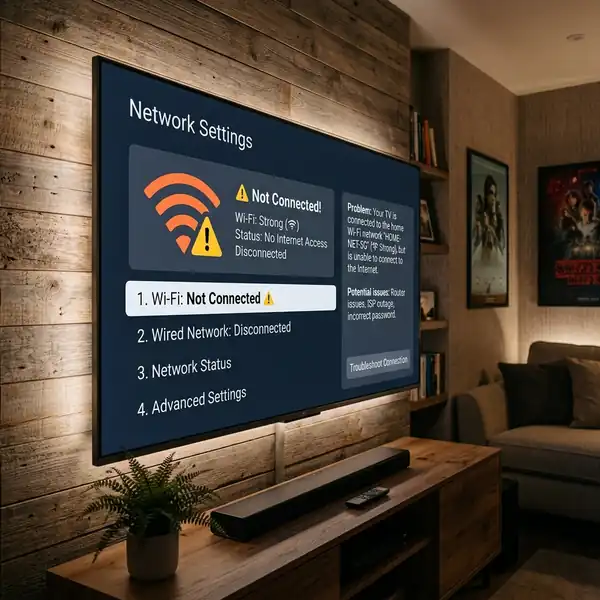
- Check your internet connection on the host machine. If the host is not connected, the emulator will not have internet access.
- Reinstall the VPN application within the emulator if it fails to connect consistently.
DNS Leaks
DNS leaks can occur when your DNS requests are sent outside of the VPN tunnel, exposing your browsing activities. To prevent this:
- Visit a DNS leak test website from within the emulator to check if your real IP address is exposed.
- Configure the VPN settings to enable DNS leak protection. Most VPN clients have this feature available in their settings.
- Consider using a secure DNS service like Cloudflare (1.1.1.1) or Google DNS (8.8.8.8) within the VPN settings.
Performance Issues
If you experience slow speeds while connected to the VPN in the emulator, consider:
- Switching to a different VPN server that may be less congested.
- Adjusting the emulator’s resource allocation settings to provide more RAM and CPU power.
- Ensuring that no background applications on the host are consuming bandwidth excessively.
Conclusion
Setting up a VPN on Android emulators like BlueStacks, LDPlayer, and MuMu Player is a straightforward process that can significantly enhance your online security and privacy. By either installing a VPN client directly within the emulator or routing your traffic through your Windows host VPN, you can enjoy a safe browsing experience. Remember to optimize the emulator settings for the best performance and troubleshoot any connection issues promptly. With these configurations, you can maximize the benefits of using a VPN on your Android emulation environment.
Understanding VPN Protocols for Android Emulators
When using a VPN on Android emulators, understanding the various VPN protocols is crucial for optimizing performance and ensuring security. The most commonly used protocols include OpenVPN, L2TP/IPSec, PPTP, and IKEv2/IPSec. Each protocol has its own strengths and weaknesses, making it essential to choose the right one based on your specific needs.
OpenVPN is widely regarded as the most secure and versatile protocol available. It operates on both TCP and UDP, allowing users to select their preferred transport layer. When using OpenVPN, it is essential to configure the server parameters correctly, including the choice of cipher suites such as AES-256-CBC for encryption. Additionally, OpenVPN can be configured to use port 1194 by default, but can also be set to work over port 443 to bypass firewalls that may block VPN traffic.
L2TP/IPSec combines Layer 2 Tunneling Protocol (L2TP) with Internet Protocol Security (IPSec) for enhanced security. L2TP itself does not provide encryption, which is why it relies on IPSec for a secure connection. When configuring L2TP/IPSec in an Android emulator, ensure that UDP ports 500 and 4500 are open. This setup allows for NAT traversal, which is critical for performance when connecting through routers that use Network Address Translation.
PPTP is an older protocol that is easy to set up but is less secure compared to other options. It typically uses TCP port 1723, and while it may be suitable for users with less stringent security needs, it is generally not recommended due to its vulnerabilities. If you opt to use PPTP, ensure that you are aware of the risks involved and consider implementing additional security measures.
IKEv2/IPSec is another strong option, particularly favored for mobile devices due to its ability to handle network changes seamlessly. This protocol uses UDP port 500 and is capable of re-establishing connections quickly when a network change is detected. IKEv2/IPSec is known for its resilience against network interruptions and is ideal for users who may switch between Wi-Fi and cellular networks frequently.
In conclusion, the choice of VPN protocol can significantly impact your experience on Android emulators. Each protocol has distinct characteristics that can influence factors such as speed, security, and ease of setup. When configuring your VPN, it is vital to consider the specific use case and the level of security required.
Configuring VPN Routing Policies in Android Emulators
Configuring routing policies in Android emulators when using a VPN can significantly enhance both security and performance. Proper routing ensures that only the intended traffic is sent through the VPN tunnel, while other traffic can bypass it, optimizing bandwidth usage.
To begin with, you must understand the concept of split tunneling. This configuration allows specific applications to route traffic through the VPN while others access the internet directly. For example, if you want to use a VPN for a specific app but not for general browsing, you can configure split tunneling. In Android emulators, this can often be configured through the VPN client's settings. Look for options such as "Bypass VPN for local networks" or "Split tunneling" to enable this feature.
The next step is to ensure that the correct IP routing policies are in place. This involves configuring the emulator's networking settings to ensure that requests to specific IP ranges are routed through the VPN. For instance, if you want to route all traffic to a particular geographic location through the VPN, you would need to specify the corresponding IP address ranges in the routing table of your VPN configuration. This is often done by editing the VPN client configuration file or through the VPN provider’s dashboard.
Another critical aspect of configuring routing policies is managing network ports. Depending on the applications you are using, certain ports may need to be opened or forwarded. For example, if you are using a VoIP application, you may need to allow UDP traffic on specific ports to ensure call quality. Make sure to consult the documentation for your applications to identify which ports to configure.
Security settings are also paramount when configuring routing policies. By implementing firewall rules on your emulator, you can control which applications are allowed to use the VPN connection. For instance, you can configure the firewall to allow only specific apps to access the VPN. This added layer of security ensures that sensitive data is only transmitted through the VPN and not over an unsecured connection.
Moreover, consider implementing DNS leak protection. When using a VPN, it is vital to ensure that DNS queries are also routed through the VPN server to prevent leaking your actual IP address. Check the VPN settings to enable DNS leak protection, and consider using custom DNS servers provided by your VPN service for an added layer of privacy.
Finally, testing your configuration is crucial. Use tools like ping, traceroute, and DNS leak tests to ensure that your routing policies are functioning as intended. By performing these tests, you can verify that your traffic is being routed correctly and that your IP address is hidden when using the VPN.
In summary, configuring VPN routing policies in Android emulators involves a combination of enabling split tunneling, managing IP routes, configuring necessary network ports, implementing firewall rules, and ensuring DNS leak protection. By carefully setting up these components, you can maximize both the security and performance of your VPN connection while using Android emulators.
Additional Resources and Recommended Links
For more networking and security guides, check out our step-by-step tutorials on mobile banking security using VPN and setup WireGuard on Windows 11. For official hardware troubleshooting, visit the Official BlueStacks Website.