To use WhatsApp calling with a VPN, install a reliable VPN app, connect to a server, and start calling securely.
Why Some Network Providers and Regions Restrict WhatsApp Voice/Video Calls
DomineTec Tip: Clear voice transmission requires low jitter. To make sure all your dynamic mobile data stays encrypted, check our guide on how to use a VPN on phone for mobile banking security.
In many regions, network providers impose restrictions on VoIP (Voice over Internet Protocol) services like WhatsApp calling. This is often a measure to control bandwidth usage, enforce regulations, or to promote their own communication services. The primary reason behind this is the way VoIP traffic can bypass traditional telephony services, potentially leading to loss of revenue for telecom companies.
ISPs may block VoIP traffic because it utilizes specific protocols and ports that can be easily identified and filtered. Commonly, the Session Initiation Protocol (SIP) and Real-time Transport Protocol (RTP) packets are used for establishing and managing VoIP calls. When these packets are detected, ISPs may either throttle or completely block the traffic, leaving users unable to make calls through applications like WhatsApp.
Regulatory bodies in certain countries may also mandate such restrictions for national security or censorship reasons. For instance, nations with strict internet regulations, such as China or the United Arab Emirates, often impose a ban on VoIP services to control the flow of information and maintain surveillance.
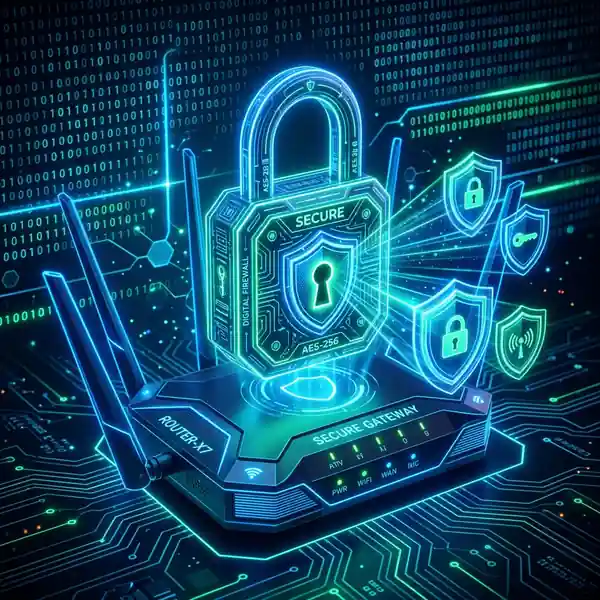
How a VPN Wraps VoIP Packets in Standard HTTPS/UDP Encryption to Bypass Firewalls
| VPN Protocol | Jitter & Delay | Mobile Battery Drain |
|---|---|---|
| WireGuard | Very Low | Minimal |
| OpenVPN TCP | Moderate | High |
A Virtual Private Network (VPN) acts as a secure tunnel between your device and the internet, encrypting your data and masking your IP address. This is particularly advantageous for VoIP applications like WhatsApp, which rely on specific transmission protocols that can be blocked by ISPs.
When you use a VPN, your VoIP packets (SIP and RTP) are encapsulated within standard HTTPS or UDP encryption protocols. The process is straightforward:
1. Encryption: Your device encrypts VoIP packets before they leave your network. This encryption makes it impossible for ISPs to identify the nature of the traffic, preventing them from blocking it.
2. Tunneling: The encrypted packets are sent through the VPN tunnel to a server in a location where WhatsApp calling is not restricted. This server then decrypts the packets and forwards them to the WhatsApp servers.
3. Return Path: Incoming packets from WhatsApp follow the same path back to your device, masked within the VPN's secure tunnel.
This method not only bypasses network firewalls but also enhances security, making it difficult for third parties to intercept your calls. The use of high-quality encryption protocols ensures that your data remains confidential and secure.

Step-by-Step Guide to Unblocking WhatsApp Calling with a Mobile VPN Client
To unblock WhatsApp calling using a VPN, follow these detailed steps:
Step 1: Choose a Reliable VPN Service
Select a VPN provider known for robust encryption, high-speed servers, and a no-logs policy. Some of the reputable options include:
- NordVPN - ExpressVPN - Surfshark - CyberGhost
Ensure that the VPN supports VoIP services and offers a user-friendly mobile app.
Step 2: Install the VPN Application
1. Go to the official website of the chosen VPN provider. 2. Download the application for your mobile operating system (iOS or Android). 3. Follow the installation prompts to complete the setup.
Step 3: Create an Account
After installation, open the app and create an account. You will typically need to provide an email address and choose a subscription plan.
Step 4: Log In to the VPN Application
Once your account is set up, log in using your credentials.
Step 5: Select a Server Location
1. Open the server selection menu in your VPN app. 2. Choose a server located in a country where WhatsApp calling is not restricted (e.g., the United States, Canada, or the UK). 3. Connect to the server.
Step 6: Verify Your Connection
Ensure that your VPN connection is active. Most applications provide a notification or indicator showing the connection status.
Step 7: Open WhatsApp and Make a Call
With the VPN connected, open WhatsApp. Try making a voice or video call to verify that the service is now unblocked. If successful, you can now enjoy secure calls without restrictions.
Choosing the Best Protocols (WireGuard, OpenVPN UDP) for Delay-Free Audio
Choosing the right VPN protocol is crucial for maintaining call quality during WhatsApp calls. Two popular protocols that provide excellent performance are WireGuard and OpenVPN UDP.
WireGuard
WireGuard is a modern VPN protocol known for its simplicity and speed. It operates on a minimalistic codebase, which not only enhances performance but also boosts security. Its lightweight nature allows for quicker connections and lower latency, making it ideal for real-time communication applications like WhatsApp.
Using WireGuard can significantly reduce the delay in audio transmission, providing a smoother calling experience. Most reputable VPN providers have adopted WireGuard, making it widely available.
OpenVPN UDP
OpenVPN is another robust protocol that offers high levels of security and flexibility. The UDP (User Datagram Protocol) variant of OpenVPN is particularly suited for VoIP applications, as it is optimized for speed and reduced latency. While it may not be as fast as WireGuard, OpenVPN UDP provides a reliable and secure connection, maintaining quality during calls.
When configuring your VPN, always opt for either WireGuard or OpenVPN UDP for the best results in VoIP applications.

Essential Security Precautions for Travelers Using VPNs for Messaging Apps
While using a VPN greatly enhances your security, there are additional precautions you should consider, especially when traveling:
1. Enable Kill Switch
A kill switch is a security feature that disconnects your internet connection if the VPN drops unexpectedly. This prevents your real IP address from being exposed.
2. Use Multi-Factor Authentication
For added security, enable multi-factor authentication (MFA) on your messaging apps. This ensures that even if your account credentials are compromised, unauthorized access remains difficult.
3. Regularly Update Your VPN and Apps
Ensure that your VPN application and WhatsApp are always updated to the latest versions. This guarantees you have the latest security patches and features.
4. Avoid Free VPN Services
While free VPNs may seem appealing, they often come with security risks, including data logging and weak encryption. Invest in a reputable paid VPN service to ensure your data is protected.
5. Monitor Your Connection
Be vigilant about your connection status. If your VPN shows signs of instability, consider switching servers or protocols. Maintaining a stable connection is crucial for seamless VoIP communication.
Conclusion
Using a VPN for WhatsApp calling is an effective method to bypass regional restrictions and enhance your security. By understanding how ISPs block VoIP services and implementing the right configurations, you can enjoy uninterrupted communication. Always prioritize security measures when using a VPN, especially while traveling. With the right tools and precautions, you can make secure WhatsApp calls from anywhere in the world.
Understanding VPN Protocols for WhatsApp Calling
When using a VPN for WhatsApp calling, the choice of VPN protocol is crucial for ensuring optimal performance and security. Several protocols are commonly supported by VPN services, including OpenVPN, IKEv2/IPSec, L2TP/IPSec, and PPTP. Each of these protocols has its unique characteristics that can affect your WhatsApp calling experience.
OpenVPN is widely regarded as one of the most secure and versatile VPN protocols available. It uses SSL/TLS for key exchange, providing robust encryption. OpenVPN operates over UDP (User Datagram Protocol) or TCP (Transmission Control Protocol). For WhatsApp calls, it is generally recommended to use the UDP option, as it offers lower latency and better performance for voice traffic. You can configure OpenVPN settings in your VPN client, specifying the server address, port (commonly 1194), and the protocol type.
IKEv2/IPSec is another excellent choice, especially for mobile devices. It supports seamless reconnection when switching between networks, which is beneficial for users who frequently move between Wi-Fi and mobile data. IKEv2 typically uses UDP port 500 and 4500 for NAT traversal, making it a good option for maintaining stable connections during calls.
On the other hand, L2TP/IPSec combines Layer 2 Tunneling Protocol with the security of IPSec. While it provides a higher level of security than PPTP, it often suffers from slower speeds due to its double encapsulation process. L2TP typically uses UDP port 1701, and you may need to ensure that your router is configured to allow this traffic for WhatsApp calls to function properly.
PPTP is the oldest VPN protocol and, while it is fast, it is also considered less secure than its counterparts. It operates on TCP port 1723 and uses the GRE protocol for tunneling. Due to its inherent weaknesses, it is generally not recommended for secure communications, including WhatsApp calls.
Ultimately, the choice of protocol will depend on your specific needs for speed, security, and the devices you are using. Always ensure that your VPN provider supports the chosen protocol and that it is properly configured to facilitate WhatsApp calling without interruptions.
Configuring Routing Policies for Optimal Performance
When using a VPN for WhatsApp calling, configuring routing policies is essential for ensuring that your voice traffic is prioritized. This process involves setting up Quality of Service (QoS) rules within your router or VPN client, which helps manage bandwidth and improve call quality.
First, it's important to identify the ports used by WhatsApp for voice calls. WhatsApp primarily uses UDP ports 3478, 3479, 49152 to 65535. Configuring your router to prioritize traffic on these ports will help minimize latency and packet loss, resulting in a smoother calling experience. You can typically access your router's QoS settings through its web interface, where you can create rules to prioritize UDP traffic over other types of data.
Next, you should consider implementing split tunneling if your VPN client supports it. Split tunneling allows you to route specific traffic outside of the VPN tunnel while keeping other traffic secure. For instance, you can route WhatsApp calls outside the VPN if your internet service provider (ISP) allows unimpeded access to the app, thus ensuring that your calls are not affected by VPN latency. In the VPN client settings, look for options related to split tunneling and configure it to allow WhatsApp traffic to bypass the tunnel.
Additionally, you may want to set up static routes within your network to ensure that your VPN connection is stable. This configuration involves specifying the destination IP address ranges used by WhatsApp servers and directing that traffic through your VPN connection. Consult your VPN provider's documentation for the specific IP ranges used by WhatsApp and how to set static routes in your router or VPN software.
Lastly, regularly monitoring your network performance can help identify and resolve any issues that might affect call quality. Tools like ping tests and network analyzers can provide insights into latency and packet loss, allowing you to make necessary adjustments to your routing policies and configurations.
Implementing Security Measures for VPN Use with WhatsApp
While VPNs provide an additional layer of security for WhatsApp calls, it is essential to implement best practices to ensure comprehensive protection. Here are some key security measures to consider when using a VPN for WhatsApp calling.
First, ensure that your VPN uses strong encryption protocols. Look for VPNs that offer AES-256 encryption, which is currently considered the gold standard in data protection. This encryption standard provides a high level of security, making it extremely difficult for malicious actors to intercept or decipher your calls.
Second, enable additional security features offered by your VPN provider, such as a kill switch and DNS leak protection. A kill switch automatically disconnects your internet connection if the VPN drops, preventing your data from being exposed. DNS leak protection ensures that your DNS queries are routed through the VPN, blocking potential leaks that could reveal your browsing activity or calling data to your ISP.
It is also advisable to regularly update your VPN software and device operating system. Updates often include patches for known vulnerabilities that could be exploited by hackers. Keeping your software current minimizes the risk of breaches and ensures that you benefit from the latest security enhancements.
Moreover, consider using two-factor authentication (2FA) for your WhatsApp account. 2FA adds an extra step to the login process, requiring a verification code sent to your mobile device in addition to your password. This significantly enhances the security of your account, making it much more difficult for unauthorized users to gain access.
Lastly, be cautious about public Wi-Fi networks when using WhatsApp over VPN. While a VPN encrypts your connection, public Wi-Fi can still be a target for various attacks. If you must use public Wi-Fi, ensure that your VPN is connected and fully operational before initiating any calls. Avoid accessing sensitive information or making calls over unsecured networks whenever possible.
By implementing these security measures and configuring your VPN appropriately, you can enjoy secure and reliable WhatsApp calling experiences while maintaining your privacy online.
Additional Resources and Recommended Links
For more networking and security guides, check out our step-by-step tutorials on use a VPN on phone for mobile banking security and share phone VPN connection via tethering. For official hardware troubleshooting, visit the WhatsApp Official website.