How to Share Windows/Mac VPN Connection with Xbox, PS5, and TV
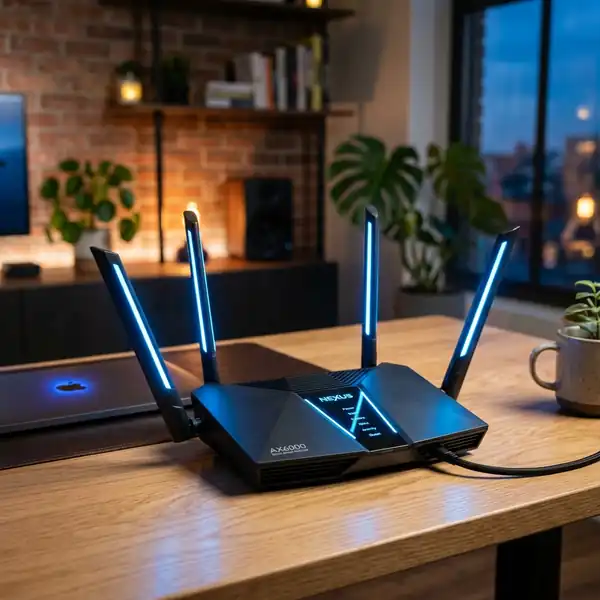
To share your PC's VPN connection with Xbox, PS5, and Smart TVs, create a virtual hotspot or use Ethernet cables for a direct connection.
In an age where online gaming and streaming dominate entertainment, a Virtual Private Network (VPN) is increasingly essential for enhancing privacy, bypassing geographical restrictions, and reducing latency during gameplay. However, gaming consoles like Xbox and PlayStation, as well as Smart TVs, often lack the ability to directly run VPN applications. This presents a challenge for users who want to maintain privacy and gain access to region-locked content while using these devices. Fortunately, sharing your PC's VPN connection can bridge this gap effectively. This article will guide you through two primary methods to share your VPN connection: setting up a Windows Virtual Wi-Fi Hotspot and sharing the VPN connection over an Ethernet cable. We will also cover necessary network client configurations and tips for resolving common connectivity issues.
The Core Challenges of Running VPNs on Gaming Consoles and Smart TVs
DomineTec Tip: Sharing via Ethernet is the most robust method for game packet delivery. If you are specifically configuring a Sony console, check our guide on how to setup a VPN on PS5 and PS4.
Gaming consoles like Xbox Series X/S, PlayStation 5, and numerous Smart TVs do not support native VPN applications. This limitation can lead to several challenges:
- Limited Privacy: Without a VPN, your IP address and online activities are exposed while gaming or streaming content.
- Geographical Restrictions: Certain games or streaming services may only be available in specific regions, limiting access to content.
- NAT Type Issues: Running a VPN can lead to strict NAT types, which may hinder online gaming experiences.
To overcome these challenges, sharing your PC's VPN connection can provide a seamless workaround, allowing you to enjoy gaming and streaming with enhanced privacy and unrestricted access to content.

Method 1: Setting Up a Windows Virtual Wi-Fi Hotspot with Active VPN
| Sharing Route | Jitter & Stability | Hardware Needs |
|---|---|---|
| Virtual Wi-Fi Hotspot | Moderate | Wi-Fi card with hotspot capabilities |
| Ethernet Adapter Bridging | High (Optimal for Gaming) | Dual network interfaces or USB-to-LAN converter |
Setting up a virtual Wi-Fi hotspot on Windows is an effective way to share your VPN connection. This method allows your gaming consoles and Smart TVs to connect to the internet through your PC, which is connected to the VPN. Below are the steps to set this up on Windows 10/11:
Step 1: Ensure Your VPN is Active
Before proceeding, make sure you have a functional VPN application installed on your Windows PC. Launch the VPN software and connect to your desired server.
Step 2: Enable Mobile Hotspot
- Open Settings by clicking the Start Menu and selecting the gear icon.
- Navigate to Network & Internet.
- Select Mobile hotspot from the left sidebar.
- Toggle the Share my Internet connection with other devices switch to On.
- Under Share my Internet connection from:, select the VPN connection (e.g., TAP-Windows Adapter).
- Set a network name and password for your hotspot.
Step 3: Configure the TAP Adapter Properties
Now, you need to configure the TAP adapter properties to ensure proper routing of the VPN connection:
- Open Control Panel, then navigate to Network and Sharing Center.
- Click on Change adapter settings on the left sidebar.
- Right-click on your VPN TAP adapter (usually named TAP-Windows Adapter V9) and select Properties.
- Select the Sharing tab.
- Check the box for Allow other network users to connect through this computer's Internet connection.
- From the dropdown menu, select the virtual hotspot you created.
- Click OK to save changes.
Step 4: Connect Your Console or Smart TV
On your Xbox, PlayStation, or Smart TV, go to the network settings and search for available Wi-Fi networks. Connect to the network you created, using the password you set up. Once connected, your device should now have VPN protection enabled through your PC.
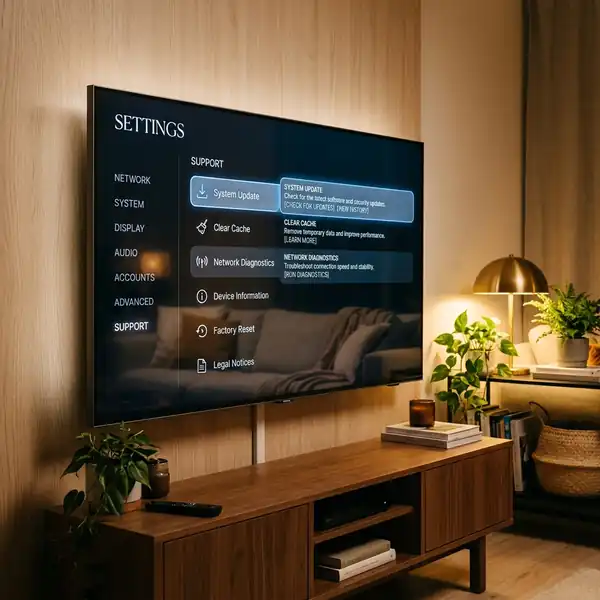
Method 2: Sharing Active VPN Connection Over Ethernet Cable (Windows/macOS)
If you prefer a wired connection or if your console/Smart TV does not support Wi-Fi, sharing your VPN connection via Ethernet can be a reliable alternative. Follow these steps for both Windows and macOS operating systems:
For Windows Users
- Ensure your VPN is connected as described in the previous method.
- Connect an Ethernet cable from your PC to the gaming console or Smart TV.
- Open Control Panel and navigate to Network and Sharing Center.
- Select Change adapter settings.
- Right-click the TAP adapter and select Properties.
- Go to the Sharing tab and check the box to allow other network users to connect via this computer's Internet connection.
- Select the Ethernet connection from the dropdown menu.
- Click OK to apply changes.
For macOS Users
- Connect to your VPN service using the VPN app.
- Connect your console or Smart TV to your Mac using an Ethernet cable.
- Open System Preferences and click on Sharing.
- Check the box for Internet Sharing.
- Select your VPN connection from the Share your connection from dropdown menu.
- In the To computers using section, check Ethernet.
- Click on Start to enable Internet Sharing.
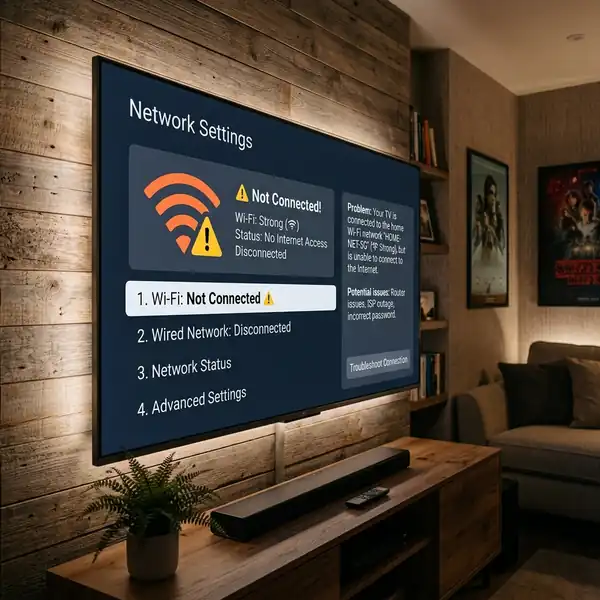
Updating Network Client Configurations: Gateway, Subnet, and DNS Setup
After establishing a connection through either method, it's essential to ensure that your console or Smart TV has the correct network configurations. This includes setting the gateway, subnet mask, and DNS servers:
Finding Your PC's Network Settings
- On your PC, open Command Prompt by typing cmd in the search bar.
- Type ipconfig and press Enter.
- Note down the Default Gateway, Subnet Mask, and your IPv4 Address.
Configuring the Console or Smart TV
- For Xbox:
- Go to Settings > General > Network settings.
- Select Wired network or Wireless network (depending on your connection method).
- Choose Advanced settings.
- Set the IP address, subnet mask, and gateway based on your earlier findings.
- For DNS, you can use Google's DNS servers: 8.8.8.8 and 8.8.4.4.
- For PlayStation:
- Go to Settings > Network > Set Up Internet Connection.
- Select Use a LAN Cable or Use Wi-Fi.
- Choose Custom and input the IP address, subnet mask, and gateway.
- Use the same DNS settings as mentioned above.
- Access the network settings from the main menu.
- Choose wired or wireless settings and enter the IP address, subnet mask, and gateway.
- Input the DNS settings as described.
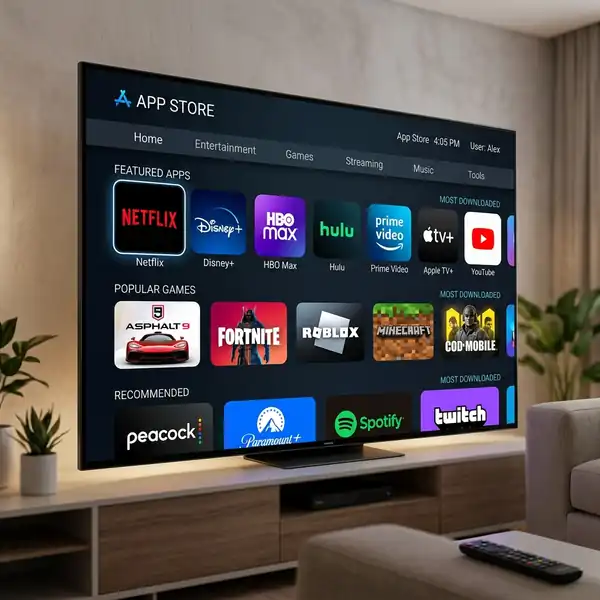
How to Resolve NAT Type Strict Warnings and Connection Dropouts
After configuring your network settings, you might encounter NAT Type strict warnings or connection dropouts. Here are some steps to address these issues:
- Enable UPnP: Universal Plug and Play (UPnP) can help improve connectivity. Ensure UPnP is enabled on your router settings.
- Port Forwarding: If necessary, manually forward ports for your console’s online services. Refer to the manufacturer's documentation for the specific ports required.
- Check Firewall Settings: Ensure that your PC's firewall is not blocking the VPN or game traffic.
- Test Connection: Use the network test feature on your console to verify the connection status and NAT type.
By following these detailed steps, you can effectively share your PC's VPN connection with your Xbox, PlayStation, or Smart TV, ensuring a secure and enhanced online experience. Whether you opt for a virtual hotspot setup or a direct Ethernet connection, maintaining privacy and unrestricted access to global content is now achievable.
Understanding VPN Protocols for Device Compatibility
When sharing a PC VPN connection with devices like Xbox, PlayStation, and Smart TVs, it is crucial to understand the different VPN protocols available and their compatibility with various operating systems and devices. The most commonly used protocols include OpenVPN, L2TP/IPSec, PPTP, and IKEv2/IPSec, each with its unique features and security levels.
OpenVPN is known for its strong security and flexibility. It operates over UDP or TCP, allowing users to choose between speed and reliability. OpenVPN can penetrate NAT (Network Address Translation) and firewall configurations effectively, making it ideal for home networks. To configure OpenVPN on your PC, you need to install the OpenVPN client and import a configuration file provided by your VPN service. Ensure that the ports 1194 (UDP) or 443 (TCP) are open on your router to allow OpenVPN connections.
L2TP/IPSec combines the Layer 2 Tunneling Protocol with Internet Protocol Security to create a secure connection. While it offers robust encryption, it is generally slower than OpenVPN. To set up L2TP on your PC, you can go to the network settings and select the option to add a VPN connection. Choose L2TP/IPSec as the protocol and enter the required credentials. Ensure that your router allows traffic through ports 1701 (L2TP), 500 (IPSec), and 4500 (IPSec NAT Traversal).
PPTP is one of the oldest protocols and is often considered less secure compared to the others. However, it is widely supported and easy to set up. To configure PPTP on your PC, navigate to the same VPN settings and select PPTP as your connection type. Make sure to enable port 1723 on your router to facilitate the connection.
IKEv2/IPSec is another robust option, especially for mobile devices. It automatically reconnects when the connection drops, making it user-friendly. To set it up on your PC, you will need to select IKEv2 as the VPN type in your network settings. Ensure ports 500 and 4500 are open for IKEv2 traffic.
Choosing the right VPN protocol can significantly affect your gaming experience and streaming quality. Therefore, it is advisable to test different protocols to find the one that offers the best combination of speed and security for your specific devices.
Configuring Network Routing Policies for Optimal Performance
Network routing policies play a vital role in ensuring that your PC VPN connection is effectively shared with your gaming consoles and Smart TV. A proper routing policy ensures that data packets are correctly directed through the network without unnecessary delays or errors.
To configure routing policies, you will need administrative access to your router. Start by accessing your router’s configuration interface, usually via a web browser. Look for the section related to Static Routing or Routing Policies.
For optimal performance, create a static route that directs traffic from your console or Smart TV to the VPN interface on your PC. The general format for adding a static route is as follows:
- Destination IP: The local IP address of your gaming console or Smart TV.
- Subnet Mask: Typically 255.255.255.255 for a single device.
- Gateway: The local IP address of your PC that is sharing the VPN connection.
- Interface: The VPN interface on your PC.
Once the static route is added, it’s essential to ensure that your firewall settings on both the router and the PC allow traffic from the gaming devices through the VPN tunnel. This may involve configuring port forwarding settings to direct specific ports used by Xbox Live or PlayStation Network through the VPN connection.
For instance, Xbox Live typically uses ports such as 53 (UDP), 80 (TCP), 88 (UDP), 500 (UDP), and 3074 (UDP and TCP). Similarly, PlayStation Network often requires ports 80 (TCP), 443 (TCP), 3478 (UDP), and 3479 (UDP). Ensure these ports are forwarded correctly to maintain a seamless gaming experience while using the VPN.
Additionally, it’s recommended to monitor the network traffic to ensure that the routing policies are functioning as intended. Tools like Wireshark can help analyze packet flows and identify any bottlenecks or misconfigurations in the routing setup.
Enhancing Security for Shared VPN Connections
When sharing a VPN connection across multiple devices, security should be a primary concern. A shared VPN connection can expose your entire network if not properly secured, especially when connecting devices that may not have robust security features themselves, such as Smart TVs and gaming consoles.
Begin by ensuring that your PC has a reliable firewall enabled. Windows Defender Firewall is a robust option that can be configured to restrict incoming and outgoing traffic to essential connections only. You can set rules to allow VPN traffic while blocking other unsolicited requests.
Implementing Network Address Translation (NAT) on your router can add an additional layer of security. NAT masks the internal IP addresses of devices connected to your network, making it harder for external entities to initiate unsolicited connections. Make sure your router’s NAT feature is enabled, as it often is by default.
Additionally, consider using a Kill Switch feature if your VPN service supports it. A Kill Switch cuts off internet access if the VPN connection drops unexpectedly, preventing your ISP or potential attackers from monitoring your activities. This feature is particularly crucial when sharing connections with devices that may not support VPN configurations natively.
For added security, use strong encryption settings for your VPN. Most VPN providers offer various encryption levels; opt for AES-256 encryption, which is currently considered unbreakable. Ensure that your VPN client is configured to use this encryption standard, as it will secure the data transmitted between your devices and the VPN server.
Regularly update your VPN client, router firmware, and any connected devices to ensure they have the latest security patches. Vulnerabilities in outdated software can be exploited, potentially compromising your shared connection.
Lastly, consider implementing a guest network for your devices if your router supports it. This creates a separate network for your gaming consoles and Smart TV, which can help contain any potential security threats and keep your primary network more secure.
Additional Resources and Recommended Links
For more networking and security guides, check out our step-by-step tutorials on setup a VPN on PlayStation 5 and PS4 and setup a VPN on Nintendo Switch. For official hardware troubleshooting, visit the Microsoft Windows Networking Support Portal.