Learn how to setup a VPN on TCL Google TV to enhance your streaming experience and protect your privacy effectively.
DomineTec Tip: Ensure you check our guide on how to install a VPN on Fire TV Stick to understand more about VPN configurations on smart devices.
Recommended Reading: See also our guide on how to configure VPN on Samsung Smart TV.
How to Setup and Use a VPN on TCL Google TV
TCL Google TV provides a rich streaming experience, but to fully enjoy unrestricted content while ensuring your online privacy, setting up a VPN is essential. A VPN, or Virtual Private Network, encrypts your internet connection, allowing you to access geo-restricted content and maintain anonymity online. This guide will walk you through the detailed steps necessary to configure a VPN on your TCL Google TV.
Why Use a VPN with TCL Google TV?
Using a VPN with your TCL Google TV offers multiple advantages, including:
- Access to Geo-Restricted Content: A VPN can help you bypass geographical restrictions imposed by streaming services, allowing you to enjoy content available in different regions.
- Enhanced Privacy and Security: By encrypting your internet traffic, a VPN protects your data from hackers and other third parties on public networks.
- Improved Streaming Performance: Some ISPs throttle internet speeds for streaming services. A VPN can help maintain consistent speeds, improving your viewing experience.
Step-by-Step Guide to Setting Up a VPN on TCL Google TV
Setting up a VPN on TCL Google TV can be accomplished through various methods. Below, we outline the two primary approaches: using a VPN app directly on the TV or configuring a VPN on your router. Each method has its advantages, and the choice depends on your setup.
Method 1: Using a VPN App on TCL Google TV
1. Select a VPN Provider: First, choose a reliable VPN provider that offers an app compatible with Google TV. Popular options include NordVPN, ExpressVPN, and CyberGhost.
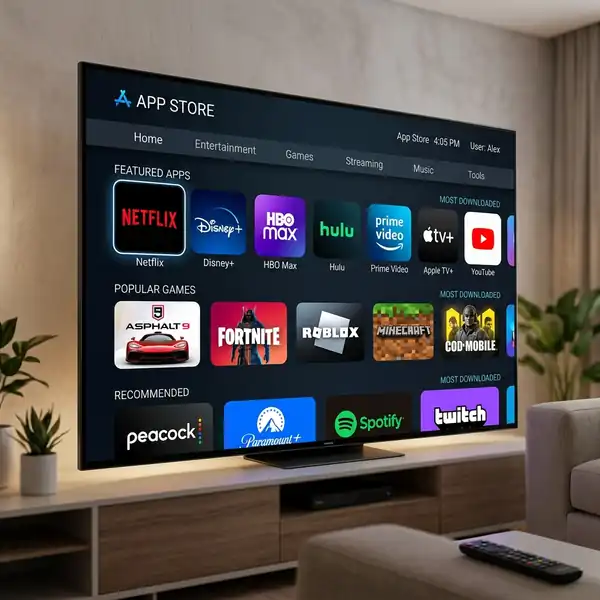
2. Install the VPN App: Navigate to the Google Play Store on your TCL Google TV. Search for your chosen VPN app and install it.
3. Log in to the App: Open the installed VPN app and log in with your credentials.
4. Configure Settings: Within the app, you may want to adjust settings to use specific protocols like OpenVPN or WireGuard. Ensure the 'Kill Switch' feature is enabled for added security.
5. Connect to a Server: Select a server based on your streaming needs. For example, if you want to access US Netflix, choose a server located in the United States.
6. Start Streaming: Once connected, you can begin streaming your favorite content without restrictions.
Method 2: Configuring a VPN on Your Router
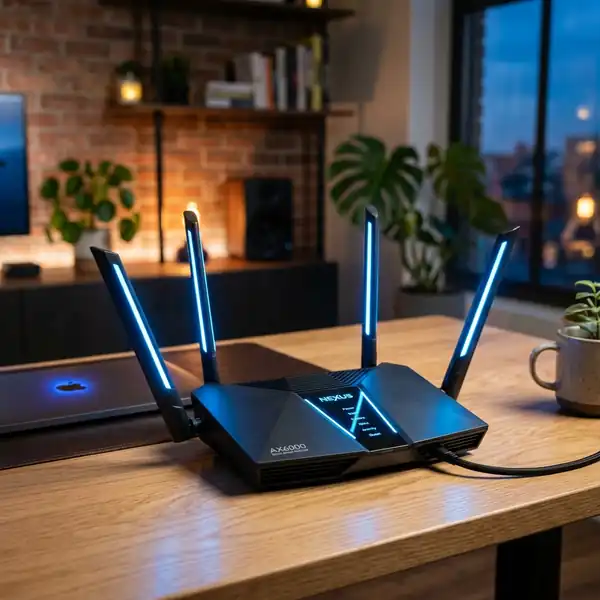
If your TCL Google TV does not support your preferred VPN app, or you want to secure all devices on your network, setting up a VPN on your router is a viable solution.
1. Check Router Compatibility: Ensure your router can handle VPN configurations. Popular firmware options that support VPN functionalities include DD-WRT, Tomato, and AsusWRT.
2. Access Router Settings: Log into your router's admin panel. This is usually done by entering the router's IP address into a web browser.
3. Locate VPN Settings: Navigate to the VPN section in the settings menu. This may vary based on your router’s firmware.
4. Enter VPN Credentials: Input your VPN provider's information, including server addresses, your username, and password. For protocols, select OpenVPN or another supported protocol.
5. Save and Connect: Save your settings and connect to the VPN. You should see a confirmation that the connection is established.
6. Connect TCL Google TV to the Router: Ensure your TCL Google TV is connected to the router. Now, all devices on your network, including your TV, will be using the VPN.

Comparative Analysis of VPN Protocols
| Protocol | Speed | Security Level | Ease of Setup |
|---|---|---|---|
| OpenVPN | Medium | High | Moderate |
| WireGuard | High | High | Easy |
| IPSec/L2TP | Low | Medium | Easy |
Troubleshooting Common VPN Issues on TCL Google TV
After setting up your VPN, you may encounter some issues. Here are common problems and solutions:
- Connection Issues: If your VPN connection fails, check your internet connection and ensure that your credentials are correct.
- Slow Speeds: If streaming is buffering, try connecting to a different server, preferably one closer to your actual location.
- Inaccessible Content: If you cannot access certain content, clear your browser’s cache or restart your TV to refresh the connection.
Conclusion
Setting up a VPN on your TCL Google TV is a straightforward process that greatly enhances your streaming capabilities and provides an additional layer of security. Whether you opt for the app method or the router configuration, you can enjoy unrestricted access to your favorite content while safeguarding your online identity. Remember to choose a reputable VPN provider and routinely check for updates to maintain optimal performance.
FAQs
1. Can I use any VPN on my TCL Google TV?
Not all VPNs are compatible with TCL Google TV. It’s essential to select a VPN service that offers a dedicated app for Google TV or supports router configurations. Popular choices include NordVPN, ExpressVPN, and others that are frequently updated for compatibility.
2. Will using a VPN slow down my internet speed?
Using a VPN may slow down your internet speeds due to encryption overhead. However, many high-quality VPN providers offer servers optimized for streaming, which can help maintain fast speeds. You can also try different servers or protocols to find the best performance.
3. Is it legal to use a VPN for streaming?
In most countries, using a VPN for streaming is legal. However, it's crucial to review the terms of service for the streaming platforms you use, as some may restrict VPN access. Using a VPN responsibly can enhance your viewing experience without violating any laws.
```html
Troubleshooting Common VPN Issues on TCL Google TV
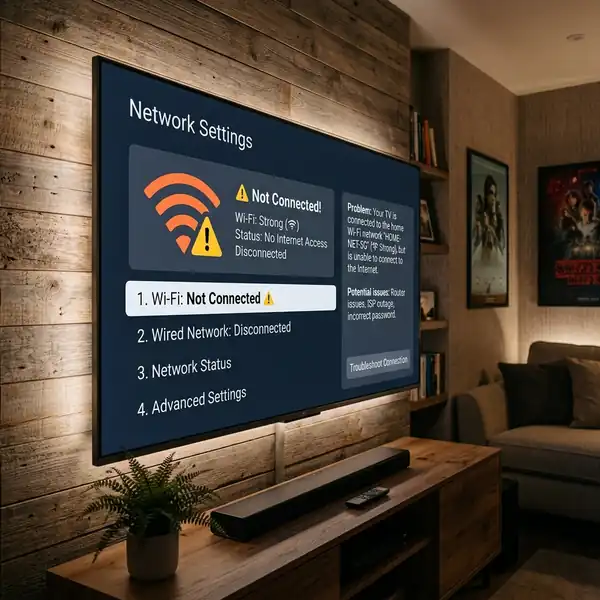
When setting up a VPN on your TCL Google TV, users may encounter a range of issues that can hinder the connection or performance. Understanding how to troubleshoot these common problems can significantly enhance your streaming experience. One of the most prevalent issues is connectivity failure, which can arise from various factors such as incorrect VPN settings, network configuration problems, or device compatibility issues. To address this, ensure that the VPN configuration details entered on your Google TV are accurate. This includes the correct server address, protocol selection, and authentication credentials.
Another common issue is slow internet speeds while using a VPN. This can be caused by a variety of factors, including server load, the distance to the VPN server, or the encryption method used by the VPN. To optimize speed, users should consider selecting a server that is geographically closer to their location, as this can reduce latency. Additionally, experimenting with different VPN protocols can yield better performance. For instance, switching from OpenVPN to IKEv2/IPsec may provide faster speeds due to reduced overhead.
DNS leaks are also a significant concern when using a VPN. A DNS leak occurs when DNS requests are sent outside the encrypted VPN tunnel, potentially exposing browsing activities. To prevent this, users should check their DNS settings and consider configuring their VPN to use secure DNS servers. Tools are available online to test for DNS leaks, and if a leak is detected, adjusting the VPN settings or changing the DNS to a more secure option can help mitigate this risk.
Advanced CLI Configurations for Enhanced VPN Performance
For users comfortable with command-line interfaces (CLI), advanced configurations can significantly enhance the performance and security of a VPN on TCL Google TV. Utilizing a router with built-in VPN capabilities allows users to access advanced settings via the CLI, providing finer control over how the VPN functions. For instance, users can configure Quality of Service (QoS) settings to prioritize traffic for streaming applications over other types of data, ensuring a smoother viewing experience even during peak usage times.
Another advanced configuration involves setting up split tunneling, which allows users to route only specific traffic through the VPN while other traffic accesses the internet normally. This is particularly useful when users want to access local content without disconnecting the VPN. Using CLI commands, users can specify which IP addresses or applications should bypass the VPN. This can be done by modifying routing tables or using specific firewall rules that dictate traffic direction.
Furthermore, implementing advanced encryption protocols can enhance security without sacrificing performance. For instance, users can choose less resource-intensive encryption methods that still provide high levels of security. By adjusting the encryption settings in the VPN's configuration file through CLI, users can strike a balance between security and speed. Additionally, enabling features such as Perfect Forward Secrecy (PFS) can further enhance security, ensuring that even if a session key is compromised, past communications remain secure.
```html
Troubleshooting Common VPN Issues on TCL Google TV
Setting up a VPN on your TCL Google TV can significantly enhance your streaming experience by providing privacy and access to geo-restricted content. However, users may encounter various issues during installation or operation. Understanding common problems and how to troubleshoot them effectively is crucial for a seamless experience. The most frequent issues include connectivity failures, slow speeds, and DNS leaks.
One of the primary concerns is connectivity failure, which may arise from incorrect configurations or network settings. To resolve this, first ensure that your VPN subscription is active and that you have entered the correct username and password in the VPN app on your Google TV. If you are using a manual setup, verify that the server address and protocol settings are accurate. Furthermore, check your internet connection by trying to access a website through a browser on another device; if that works, the issue likely lies with the VPN settings. Restarting both your TV and the router can also help in resolving temporary glitches.
Another common issue users face is a significant drop in streaming speeds. This can be attributed to several factors, including server load, distance to the server, or the chosen protocol. If you experience buffering or lag, try switching to a different server location that is closer to your physical location. Most VPNs offer multiple servers; testing a few can help identify which provides the best speed. Additionally, consider changing the protocol settings within the VPN app. For instance, OpenVPN is typically more secure but may be slower than other protocols like IKEv2 or L2TP. Optimizing these settings can lead to better performance.
Lastly, DNS leaks can compromise your privacy, revealing your actual geographical location despite using a VPN. To check for DNS leaks, use online tools designed for this purpose while connected to your VPN. If leaks are detected, you’ll need to adjust your DNS settings. Many VPNs provide their own DNS servers, which can be manually configured on your Google TV. Make sure to navigate to the network settings on your device, and enter the DNS addresses provided by your VPN provider. This step is essential for ensuring that all your internet traffic is securely routed through the VPN, maintaining your anonymity online.
Advanced CLI Configurations for VPN on TCL Google TV
For advanced users seeking to optimize their VPN usage on TCL Google TV, command-line interface (CLI) configurations can provide enhanced control and customization options. While TCL Google TV typically relies on user-friendly graphical interfaces, integrating CLI settings can unlock advanced features that help in tailoring the VPN experience to specific needs. This may involve setting up a VPN on a compatible router or utilizing third-party applications that allow CLI access.
One powerful use of CLI configurations is the ability to script automated connection management. Users can create shell scripts that automatically connect to their desired VPN server upon starting the Google TV or at specific times. This is particularly useful for users who frequently switch between servers or need to ensure that their connection is always secured during streaming sessions. The scripts can include commands to disconnect from the VPN, change server locations, and even restart the VPN service, providing a comprehensive solution for managing VPN connections without manual intervention.
Moreover, advanced CLI configurations can also enhance security through custom routing and firewall rules. Users can define specific traffic that should always use the VPN while allowing other traffic—like local network access—to bypass the tunnel. This selective routing can be established by modifying the routing table via CLI commands. For example, using 'ip route' commands allows users to specify which IP addresses should be routed through the VPN. This level of customization is not typically available through standard graphical interfaces and can significantly enhance both performance and security.
Lastly, monitoring and logging are crucial aspects of managing a VPN connection effectively. Advanced users can utilize CLI tools to set up logs that track connection times, data usage, and error messages. By analyzing these logs, users can diagnose issues more effectively and optimize their configurations for better performance. Tools like 'tcpdump' or 'iftop' can be employed to monitor traffic and identify potential bottlenecks. Implementing a robust logging mechanism provides insights into how the VPN is performing and helps in adjusting settings for optimal results.