![How to Setup and Install a VPN on Samsung Smart TV [2026]](/images/posts/wifi-router.webp)
To set up a VPN on your Samsung Smart TV, use a router, Smart DNS, or share a PC connection. Follow this guide for detailed steps.
Why You Need a VPN on Your Samsung Smart TV
DomineTec Tip: Smart DNS is ideal for bypassing geo-restrictions on Samsung TVs without sacrificing streaming speed, though it does not encrypt traffic. Read our guides on how to access router settings on phone.
In today's digital landscape, utilizing a VPN (Virtual Private Network) on your Samsung Smart TV has become increasingly vital for users seeking enhanced privacy and security. When you configure a VPN on your Smart TV, it encrypts your internet connection, preventing unauthorized access to your data and shielding your online activities from prying eyes. This is particularly important when streaming content, as your ISP may track your viewing habits, which could potentially lead to throttling or bandwidth limitations. By setting up a VPN, you can ensure that your connection remains private and secure, allowing you to enjoy uninterrupted streaming and browsing.
Another compelling reason to install a VPN on your Samsung Smart TV is the ability to bypass geo-restrictions. Many popular streaming services, such as Netflix, Hulu, and BBC iPlayer, have content libraries that vary based on geographic location. By leveraging a VPN, you can change your apparent location to access these restricted libraries, providing you with a broader range of viewing options. Most modern VPNs offer a range of protocols, such as OpenVPN, L2TP/IPsec, and IKEv2, which can be configured to optimize your connection speed and reliability while ensuring a secure connection. Understanding how to set up a VPN on your Samsung Smart TV will empower you to unlock a world of entertainment that is otherwise unavailable in your region.
While setting up a VPN on your Samsung Smart TV can significantly enhance your streaming experience, users may encounter a few common issues. These can include connection drops, slow speeds, or difficulty in accessing certain streaming services. It's essential to select a reputable VPN provider that offers dedicated servers optimized for streaming and robust customer support. Additionally, troubleshooting techniques such as switching servers, adjusting VPN protocols, or even restarting your Smart TV can often resolve these issues. By understanding these configurations and potential challenges, you'll be better equipped to maintain a seamless and secure streaming experience on your Samsung Smart TV.
Using a Virtual Private Network (VPN) on your Samsung Smart TV provides several benefits, primarily revolving around enhanced privacy, security, and access to geo-restricted content. When you connect your Smart TV to a VPN, your internet traffic is encrypted, making it difficult for ISPs, hackers, or anyone else to monitor your viewing habits. This becomes especially important when streaming from online services, as many platforms impose geographical restrictions on their content. A VPN allows you to bypass these restrictions, giving you access to a broader range of shows and movies.

Method 1: Setting Up VPN via Your Router
| Method | Difficulty | Streaming Speed | Security (Encryption) |
|---|---|---|---|
| Smart DNS | Low (Manual settings on TV) | Maximum (No performance loss) | None (Unencrypted traffic) |
| VPN Router | High (Firmware setup) | Moderate (Hardware dependent) | Full (Strong encryption) |
One of the most effective methods to set up a VPN on your Samsung Smart TV is through your router. This method protects all devices connected to your home network, including your Smart TV. Follow these steps to configure a VPN on your router:
Step 1: Choose a Compatible VPN Service
Not all VPNs are compatible with routers. Look for a reputable VPN that supports router configurations. Popular options include ExpressVPN, NordVPN, and CyberGhost. Make sure the VPN you choose has a user-friendly interface for router setup.
Step 2: Access Your Router's Settings
To begin, connect to your router's network. Open a web browser and enter the router's IP address in the address bar. Common IP addresses include 192.168.1.1 or 192.168.0.1. You will be prompted to enter your username and password. If you haven’t changed these, refer to the router's manual for default credentials.
Step 3: Update the Router Firmware
Before configuring the VPN, it's wise to ensure that your router firmware is up-to-date. Navigate to the firmware update section within the router settings. Follow the prompts to check for updates and install them if available.
Step 4: Configure VPN Settings
Locate the section for VPN settings in your router's dashboard. This varies by manufacturer, but you will typically find it under “Advanced Settings” or “VPN Client.” Here, enter the VPN credentials provided by your chosen VPN service, including server address, your username, password, and any other necessary information as per the VPN provider's guidelines.
Step 5: Connect to the VPN
Once you've entered the required settings, save the configuration and restart your router. After rebooting, you should see an option to connect to the VPN. Once connected, all devices on your network, including the Samsung Smart TV, will route their internet traffic through the VPN.
Step 6: Test the Connection
To ensure the VPN is working correctly, you can check your IP address using a service like whatismyip.com. The IP address should reflect the location of the VPN server you selected, confirming that your traffic is routed through the VPN.
Method 2: Configuring Smart DNS on Samsung TV (Easiest)
If you prefer a straightforward method, configuring Smart DNS can be an excellent alternative to a full VPN setup. Smart DNS doesn’t encrypt your traffic, but it allows you to bypass geo-restrictions while maintaining faster speeds.
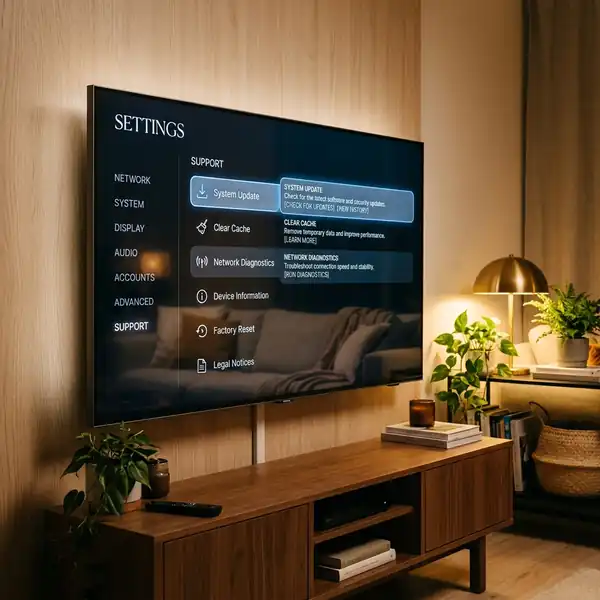
Configuring Smart DNS on your Samsung Smart TV is one of the simplest and most effective methods to access geo-restricted content without the need for a full VPN installation. This setup involves changing the DNS settings on your TV to reroute requests through a proxy server. Unlike traditional VPNs, which encrypt your entire internet connection, Smart DNS focuses solely on bypassing regional restrictions by altering your IP address's geographical location. This means you can enjoy seamless streaming of your favorite shows and movies from platforms like Netflix, Hulu, and BBC iPlayer without the added complexity of managing VPN protocols or sacrificing connection speeds.
To set up Smart DNS on your Samsung Smart TV, begin by subscribing to a reliable Smart DNS service provider. Once you have your DNS addresses, navigate to the network settings on your TV. Select 'Network', then 'Network Status', and proceed to 'IP Settings'. Here, you will input the primary and secondary DNS addresses provided by your Smart DNS service. One of the key benefits of this method is that it allows you to maintain a high-speed connection while bypassing geographic restrictions, as it does not encapsulate your data in an encrypted tunnel like a VPN would. This is particularly advantageous for users looking to stream high-definition content without buffering issues, making it an ideal choice for binge-watching sessions.
However, even with the ease of setup, users may encounter troubleshooting challenges. If the Smart DNS service does not appear to be working, double-check the DNS settings to ensure they were correctly entered. Additionally, ensure that your subscription to the Smart DNS service is active and that you have configured your account to allow access from your device. Some Smart DNS services may require you to register your device's IP address, so be sure to follow those instructions closely. If you still experience difficulties, consider power cycling your TV and router, or contacting your Smart DNS provider's customer support for assistance. By taking these steps, you can effectively resolve issues and continue enjoying unrestricted access to your favorite streaming content on your Samsung Smart TV.
Step 1: Subscribe to a Smart DNS Service
Choose a Smart DNS service that supports Samsung Smart TVs, such as Unlocator or Smart DNS Proxy. Sign up for a plan that suits your needs.
Step 2: Access the DNS Settings on Your Samsung TV
Turn on your Samsung Smart TV and navigate to the “Settings” menu. From there, proceed to “Network” and select “Network Status.” Choose “IP Settings” to access the DNS settings.
Step 3: Enter Smart DNS Address
In the DNS settings, change the DNS setting from “Obtain Automatically” to “Enter Manually.” Input the DNS addresses provided by your Smart DNS service. Make sure to save your settings before exiting.
Step 4: Test the Connection
After entering the new DNS, return to the Network Status section and select “Network Test.” This will verify if your Smart TV is now using the Smart DNS service. If successful, you can start streaming content that was previously restricted in your region.
Method 3: Sharing a VPN Connection from Windows PC
If you don’t want to set up a VPN on your router or use Smart DNS, you can share a VPN connection from your Windows PC to your Samsung Smart TV. This method is particularly useful if you already have a VPN installed on your PC.
Sharing a VPN connection from a Windows PC to your Samsung Smart TV is a practical solution for streaming securely without the need for a dedicated VPN app on the TV itself. To begin, ensure that your Windows PC is connected to the internet and running a VPN. The first step involves configuring the network settings on your PC to share the VPN connection. Navigate to the Control Panel, select 'Network and Sharing Center,' and then click on 'Change adapter settings.' Here, you will see your active VPN connection; right-click on it and select 'Properties.' In the properties window, go to the 'Sharing' tab and enable the option that allows other network users to connect through this computer's internet connection. Select the connection that corresponds to your Samsung Smart TV, typically the Ethernet or Wi-Fi connection, and apply the changes.
Once the sharing is enabled, your next task is to connect your Samsung Smart TV to the shared network. If your PC is connected via Ethernet, connect your Smart TV to the same network through a wired connection or Wi-Fi. To do this, access the Smart TV's settings, navigate to 'Network,' and select the appropriate connection method. The benefit of this method lies in the flexibility of protocols; most VPNs support various protocols, including OpenVPN, L2TP, and PPTP. When you set up the VPN on your Windows PC, you can choose a protocol that balances security and speed according to your streaming needs. For instance, OpenVPN is highly recommended for its robust security features, whereas PPTP may offer faster speeds at the expense of some security.
While this method can be straightforward, it is essential to troubleshoot common issues that may arise. If your Smart TV does not connect to the VPN, ensure that the network settings on the PC are correctly configured, and verify that the firewall settings are not blocking the connection. Additionally, check that the VPN is properly connected and functioning on the PC before attempting to connect the Smart TV. If you experience slow speeds or buffering, consider switching the VPN protocol or server location to optimize performance. It’s also beneficial to regularly update your VPN software to ensure compatibility and security. By following these steps, you can effectively share a VPN connection from your Windows PC, allowing your Samsung Smart TV to enjoy the benefits of a secure and unrestricted streaming experience.
Step 1: Connect to the VPN on Your PC
Launch your VPN application on your Windows PC and connect to the desired server. Ensure that the connection is stable and functioning correctly.
Step 2: Enable Mobile Hotspot on Windows
Open the “Settings” app on your Windows PC and navigate to “Network & Internet.” Select “Mobile hotspot” from the menu. Toggle the switch to enable the mobile hotspot feature. Under “Share my Internet connection from,” select your VPN connection.
Step 3: Configure the Hotspot Settings
In the mobile hotspot settings, ensure that you configure the network name and password. Use a simple name and a secure password for easy access.
Step 4: Connect Your Samsung TV to the Hotspot
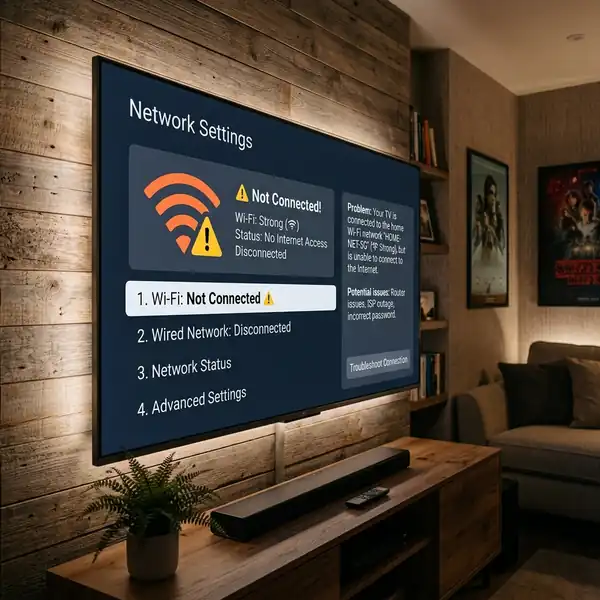
On your Samsung Smart TV, go to “Settings” and navigate to “Network.” Select “Wireless” and look for the hotspot name you configured on your PC. Enter the password, and connect to the hotspot.
Step 5: Test the VPN Connection
After connecting, open a streaming app on your Smart TV and try accessing content that is typically restricted in your region. If the content is accessible, your VPN connection via PC sharing is successful.

Best VPNs for Samsung Smart TV in 2026
Choosing the right VPN is crucial for enhancing your streaming experience on a Samsung Smart TV. Below is a list of the top VPNs that are known for their compatibility with Smart TVs, speed, and security features.
When considering the best VPNs for Samsung Smart TVs in 2026, it is essential to focus on those that offer seamless integration and robust performance. Leading VPN providers such as NordVPN, ExpressVPN, and Surfshark have optimized their services for smart TV usage by providing dedicated applications or user-friendly setup guides. These VPNs utilize the most advanced protocols, such as OpenVPN, IKEv2, and WireGuard, ensuring high levels of encryption without compromising streaming speeds. OpenVPN, in particular, is favored for its balance between security and performance, making it ideal for streaming HD content on your Samsung Smart TV. Moreover, these VPNs typically include features like split tunneling, enabling users to route specific traffic through the VPN while allowing other connections to access the internet directly, thus enhancing flexibility and performance.
The benefits of using a VPN on your Samsung Smart TV extend beyond mere privacy. By masking your IP address and allowing you to connect to servers in different regions, a VPN can unlock geo-restricted content from various streaming platforms, such as Netflix, Hulu, and BBC iPlayer. This capability is particularly valuable for users who wish to access content not available in their home country. Additionally, a reliable VPN can protect your smart TV from potential cyber threats, such as hacking or data snooping, by encrypting all data transmitted over your network. Furthermore, premium VPN services often come with advanced features like ad blocking and malware protection, ensuring a safer and more enjoyable streaming experience.
While setting up a VPN on your Samsung Smart TV may seem daunting, troubleshooting common issues can significantly enhance user experience. Often, users encounter challenges such as slow connection speeds or difficulty accessing certain streaming services. To address these issues, it’s advisable to connect to a server closer to your physical location, as this can improve speed and reduce latency. Additionally, users should ensure that the VPN app is up-to-date and that any necessary permissions are granted for optimal functionality. In cases where a specific streaming service remains inaccessible, users can try clearing the app's cache or switching between different VPN protocols within the settings of the VPN application. By understanding these configurations and troubleshooting techniques, users can ensure a smooth and effective setup of their VPN on Samsung Smart TVs, maximizing their streaming potential in 2026.
1. ExpressVPN
ExpressVPN is renowned for its lightning-fast speeds and robust security features. It supports a wide range of devices, including routers, which makes it an excellent choice for Smart TVs. With over 3,000 servers worldwide, users can easily bypass geo-restrictions and enjoy seamless streaming.
2. NordVPN
NordVPN is another top contender, offering excellent security features along with a massive server network. Its user-friendly interface is perfect for beginners, and it also provides dedicated apps for routers. With SmartPlay technology, NordVPN ensures smooth streaming without buffering.
3. CyberGhost
CyberGhost is an affordable option with excellent streaming capabilities. It offers specialized servers for streaming and has a simple setup process for routers. Additionally, its no-logs policy adds an extra layer of privacy for users.
4. Surfshark
Surfshark is known for its budget-friendly pricing while still providing top-notch security features. It allows unlimited simultaneous connections, making it ideal for households with multiple devices. The CleanWeb feature also blocks ads and trackers, enhancing your streaming experience.
5. IPVanish
IPVanish is a solid choice for users looking for fast speeds and reliable performance. It offers a user-friendly interface and is compatible with various devices, including routers. With its extensive server network, IPVanish ensures that users can access their favorite content globally.
Conclusion
Setting up a VPN on your Samsung Smart TV can significantly enhance your streaming experience by providing better privacy and access to geo-restricted content. Whether you opt for router setup, Smart DNS configuration, or sharing a VPN connection from your PC, each method has its advantages. By choosing a reliable VPN service, you can enjoy a seamless and secure streaming experience on your Samsung Smart TV.
Additional Resources and Recommended Links
For more networking and security guides, check out our step-by-step tutorials on how to access router settings on phone and how to connect smart tv to internet via ethernet cable. For official hardware troubleshooting, visit the Official Samsung Support.