Configuring and setting up the UFW firewall on a Linux VPS is important for maintaining a secure environment. The Uncomplicated Firewall (UFW) is a front-end for managing iptables firewall rules on Linux systems, making it easier for users to implement security measures without delving into complex commands. Its straightforward nature and user-friendly interface make it a popular choice for both novice and experienced system administrators.
Whether you are hosting a website, running applications, or managing databases, having a robust firewall configuration is essential to protect your server from unauthorized access and various cyber threats.
In today's digital landscape, web servers and hosting play a significant role in delivering content to users worldwide. A web server is a system that stores and serves web pages to clients over the internet. It operates through the Hypertext Transfer Protocol (HTTP) or its secure counterpart, HTTPS.
When users enter a website URL into their browsers, the web server processes the request, retrieves the appropriate files, and sends them back to the client. Hosting, on the other hand, refers to the service that makes these web servers accessible via the internet. Various hosting options are available, including shared, dedicated, and virtual private servers (VPS), each catering to different needs and budgets.
VPS hosting has gained popularity due to its blend of affordability and dedicated resources. Unlike shared hosting, where multiple users share the same server resources, a VPS provides a virtualized environment that mimics a dedicated server.
This means that users have more control, better performance, and improved security. However, with this increased control comes the responsibility of configuring and managing security measures effectively.
One of the most critical aspects of securing a VPS is through the implementation of a firewall, and UFW stands out as a reliable solution for managing these security configurations.
Understanding Web Servers and Hosting
To comprehend the importance of configuring a firewall on a Linux VPS, it is essential first to understand the underlying concepts of web servers and hosting environments. Web servers function as the backbone of the internet, processing requests from clients and delivering the necessary content.
They rely on various technologies, protocols, and configurations to ensure efficient communication between the end-users and the hosted websites. At the heart of these operations lies the operating system, which can be Linux or Windows.
Linux is particularly favored for web hosting due to its stability, security, and open-source nature.
Hosting services vary widely, from shared hosting, where multiple websites share the same server resources, to dedicated hosting, which allocates an entire server for a single user. VPS hosting occupies a middle ground, providing users with dedicated resources while maintaining a cost-effective approach.
In a VPS environment, virtualization software divides a physical server into multiple virtual servers, each capable of running its operating system and applications independently. This segregation offers enhanced performance and security, making it a popular choice for businesses looking to scale their operations without incurring the expenses associated with dedicated servers.
Security is paramount in the realm of web hosting, as servers face constant threats from hackers, malware, and other malicious entities. Consequently, configuring a firewall is a critical step in safeguarding a VPS.
A firewall acts as a barrier between the internal network and external threats, monitoring incoming and outgoing traffic based on predetermined security rules. UFW simplifies the process of managing these firewall rules on Linux systems, allowing administrators to easily configure settings that enhance the server's security posture.
Step-by-Step Guide to Configure UFW Firewall on Linux VPS
Setting up the UFW firewall on a Linux VPS is a straightforward process that can significantly enhance your server's security. Follow this detailed step-by-step guide to ensure a successful configuration.
First, connect to your VPS using SSH. You can do this with a command line interface (CLI) and an SSH client such as PuTTY or by using the terminal on UNIX-based systems.
The command to connect to your server typically looks like this:
```bash
ssh username@your_vps_ip_address
```
Once logged in, check if UFW is already installed on your server. You can do this by running the following command:
```bash
sudo ufw status
```
If UFW is not installed, you can easily install it using your package manager. For Ubuntu or Debian-based systems, use the command:
```bash
sudo apt install ufw
```
For CentOS or Red Hat-based systems, the installation command would be:
```bash
sudo yum install ufw
```
After installing UFW, you need to enable it. However, before doing so, ensure that you have configured the necessary rules to avoid locking yourself out of your server. At a minimum, you will want to allow SSH access. You can allow SSH through UFW by executing the following command:
```bash
sudo ufw allow OpenSSH
```
This command ensures that you can still connect to your VPS after enabling the firewall. Now, you can enable UFW with the command:
```bash
sudo ufw enable
```
You will receive a prompt asking you to confirm that you want to proceed. Type "y" and hit enter. Once enabled, you can check the status of UFW to see that it is active and running:
```bash
sudo ufw status verbose
```
Next, you can start configuring additional firewall rules based on your specific needs. For example, if you are hosting a web server, you will want to allow HTTP and HTTPS traffic. You can do this by entering the following commands:
```bash
sudo ufw allow http
sudo ufw allow https
```
These commands permit incoming traffic on ports 80 and 443, which are used for web traffic. If you are running any other services, such as a mail server or FTP, you will need to allow those ports as well. Always remember to review the list of allowed services and ports using:
```bash
sudo ufw status
```
It is also possible to deny access to specific IP addresses or ranges if you identify any malicious activity. You can do this using the command:
```bash
sudo ufw deny from [IP_ADDRESS]
```
After configuring your firewall rules, it is important to regularly monitor the UFW logs to ensure that no unauthorized access attempts are being made. You can view the UFW logs by checking the syslog file, typically located at `/var/log/syslog`. This proactive approach can help you identify potential security threats and adjust your firewall rules accordingly.

Comparative Analysis of Firewall Options
When it comes to securing a Linux VPS, several firewall options are available. Each option has its strengths and weaknesses, making it essential to evaluate them based on your particular requirements. Below, we provide a structured comparative table highlighting various firewall options, including UFW, iptables, and firewalld, along with their key features, ease of use, and typical use cases.
| Firewall Option | Ease of Use | Features | Best Suited For |
|---|---|---|---|
| UFW | Very Easy | Simple rule management, user-friendly CLI, IPv4 and IPv6 support | Beginners and users needing quick setup |
| iptables | Complex | Highly customizable, extensive features, detailed traffic control | Advanced users needing granular control |
| firewalld | Moderate | Zone-based firewall management, dynamic configuration, rich features | Users needing dynamic firewall rules |
Each of these firewall options has its unique advantages. UFW stands out for its simplicity and ease of use, making it an ideal choice for those who may not have extensive networking knowledge.
It is designed to provide an uncomplicated way to manage firewall rules without overwhelming users with complex syntax. In contrast, iptables offers a more granular level of control over network traffic, making it suitable for advanced users who require detailed configurations and custom rules.
Firewalld, on the other hand, strikes a balance between the two, offering a moderate level of complexity while providing the flexibility of dynamic management.
In conclusion, the best firewall option largely depends on your specific needs, technical expertise, and the level of control you desire over your server's security. Each firewall solution can effectively protect your VPS, but understanding their differences will help you make an informed choice.

Additional Resources and Recommended Links
For those looking to deepen their understanding and enhance their skills in managing Linux servers and firewalls, numerous resources are available online. Websites such as the official UFW documentation provide comprehensive guides and best practices for configuring and maintaining the firewall.
Additionally, community forums and Q&A sites like Stack Overflow can be invaluable for troubleshooting specific issues and learning from the experiences of other users. For broader knowledge on securing your Linux server, consider exploring online courses on platforms like Coursera or Udemy.
Also, don't forget to check out our other insightful posts, such as How to Connect to VPS via SFTP and How to Generate SSH Keys on Windows for more detailed technical guidance.
Advanced Server Performance Tuning: Caching Policies and Core Networking Metrics
Redis and Memcached are both in-memory data structure stores, but they cater to different use cases. Redis excels in scenarios where complex data structures are needed, such as when managing session information or real-time analytics.
On the other hand, Memcached is straightforward and works well for simple key-value caching. When choosing between these two, it’s essential to consider the specific needs of your application.
A well-implemented caching policy can lead to reduced Time To First Byte (TTFB), ensuring users receive content more quickly, which is particularly important for high-traffic applications.
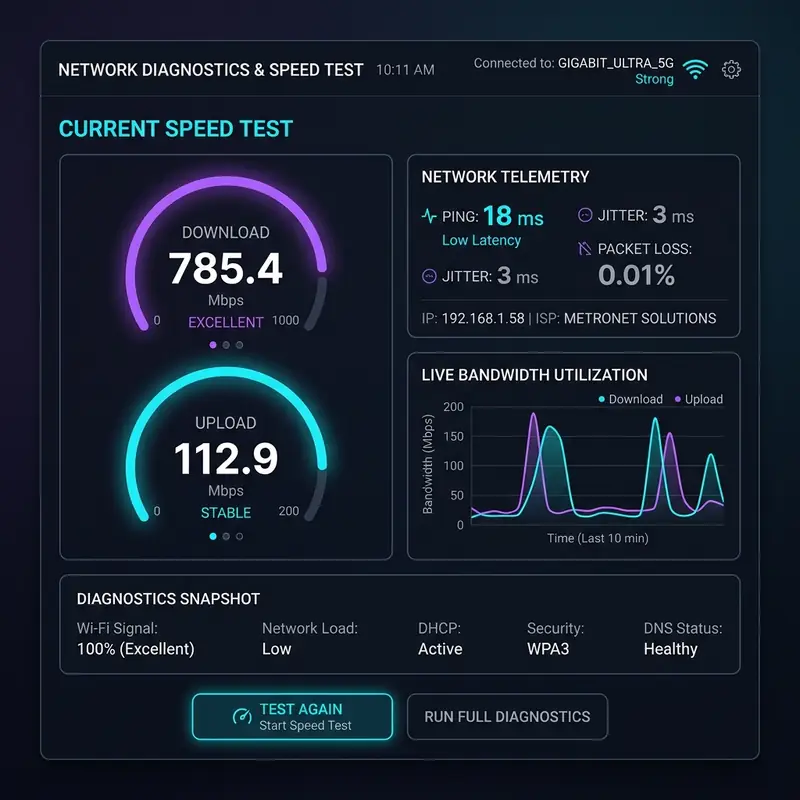
In addition to caching, understanding core networking metrics is vital for maintaining optimal server performance. TTFB, server load, and bandwidth allocation are key indicators of how well your server is handling requests.
TTFB measures the duration a user waits before receiving the first byte of data from the server. A high TTFB can indicate issues with network latency, server processing time, or even application-level inefficiencies.
Regular monitoring of TTFB allows administrators to identify bottlenecks in the server response path.
Server load is another important metric that reflects the number of processes actively competing for CPU time. High server load can lead to performance degradation, making it essential to balance resources effectively. By using tools like `htop` or `top`, administrators can visualize server load in real-time, enabling them to take corrective measures before performance issues escalate. This might include upgrading resources, optimizing scripts, or refining caching strategies.
Bandwidth allocation is also a significant factor in server performance. Properly managing bandwidth ensures that critical applications have the resources they need, while less essential services don’t consume excessive amounts of bandwidth, which may lead to slow performance.
This can be achieved through Quality of Service (QoS) configurations on the server, allowing specific applications to be prioritized over others. By focusing on these advanced performance tuning techniques, server administrators can create a more responsive and efficient hosting environment.
Implementing Robust Server-Side Cybersecurity Protocols for Optimal Protection

In addition to SSL, utilizing IP tables can effectively control incoming and outgoing network traffic, acting as a firewall at the server level. IP tables allow you to define rules that specify which traffic is permitted and which is denied.
This capability is particularly useful in mitigating unauthorized access attempts and shielding the server from a variety of attacks. By defining rules based on IP addresses, network protocols, and ports, server administrators can create a highly customizable security environment tailored to the specific needs of their applications.
Another critical aspect of server-side cybersecurity is the implementation of DDoS (Distributed Denial of Service) protection. DDoS attacks aim to overwhelm a server with excessive traffic, rendering it unavailable to legitimate users.
To combat this, many VPS providers offer DDoS protection services that can filter out malicious traffic before it reaches your server. Implementing rate limiting, which restricts the number of requests a user can make within a certain time frame, can also help mitigate the impact of such attacks.
By combining these strategies, servers can maintain uptime even under severe attack conditions.
Directory permissions are equally important in enhancing server security. Misconfigured permissions can lead to unauthorized access to sensitive files and directories.
Therefore, it is advisable to adopt the principle of least privilege—granting users and applications only the permissions necessary for their operations. This principle minimizes the risk of potential exploits that could arise from overly permissive settings.
Regular audits of directory permissions should be conducted to ensure compliance with security policies and to identify any weaknesses that may have been introduced over time.
Finally, regular updates and patch management cannot be overlooked when discussing server-side cybersecurity. Keeping software and operating systems up-to-date ensures that any known vulnerabilities are addressed promptly.
Automated tools can assist in this process, notifying administrators of available updates and applying them during off-peak hours to minimize disruptions. With a comprehensive cybersecurity strategy that includes SSL configurations, IP tables, DDoS protection, and strict directory permissions, Linux VPS instances can achieve a robust defense against a myriad of cyber threats.
Understanding Hosting Limitations: A Comparative Study of Shared and Dedicated/Cloud Servers
When it comes to hosting solutions, understanding the limitations inherent in different types of server architectures is important for making informed decisions. Shared servers, while cost-effective, often come with significant drawbacks that can hinder application performance and reliability. In a shared hosting environment, multiple websites coexist on a single server, sharing its resources. This arrangement can lead to issues such as resource contention, where one website's high traffic can negatively impact the performance of others. For businesses that rely on consistent uptime and performance, this can be a severe limitation.In contrast, dedicated and cloud servers provide a more robust hosting solution. Dedicated servers offer exclusive access to all server resources, which translates to enhanced performance and reliability. However, they come with higher costs and require more technical expertise for management and maintenance.
On the other hand, cloud servers offer scalability and flexibility that dedicated servers cannot match. With cloud hosting, resources can be dynamically allocated according to demand, allowing businesses to scale up or down without the need for physical hardware changes. This flexibility can be particularly advantageous for businesses experiencing fluctuating traffic patterns.
Another important aspect to consider is DNS propagation errors, which can occur during domain name changes or migrations. DNS (Domain Name System) propagation refers to the time it takes for updates to domain records to be recognized across the internet.
During this period, users may experience inconsistent access to a website, leading to confusion and potential loss of traffic. Understanding how DNS caching works and implementing proper TTL (Time to Live) settings can mitigate these issues.
By minimizing TTL values during migrations, administrators can reduce propagation times, ensuring that users can access the updated content quickly.
Database optimization traps are another concern that often affects hosting performance. Poorly optimized databases can lead to slow query execution times, which can be exacerbated in shared hosting environments where resources are limited. Administrators should regularly review database indices, query structures, and the overall architecture to ensure optimal performance. Techniques such as query caching and proper indexing can significantly enhance database performance, especially in high-traffic scenarios.
Lastly, Service Level Agreements (SLAs) are a critical consideration when choosing a hosting provider. An SLA outlines the expected level of service, including uptime guarantees and support response times.
Understanding the specifics of an SLA can help businesses avoid unexpected downtimes and ensure that they have recourse in the event of service failures. Evaluating SLAs from different providers will allow businesses to choose a hosting solution that aligns with their operational needs and risk tolerance.
By thoroughly understanding these hosting limitations and considerations, businesses can make more strategic decisions that support their growth and operational efficiency.