How to Remove Cured Resin from FEP Film Safely Without Damaging the Vat
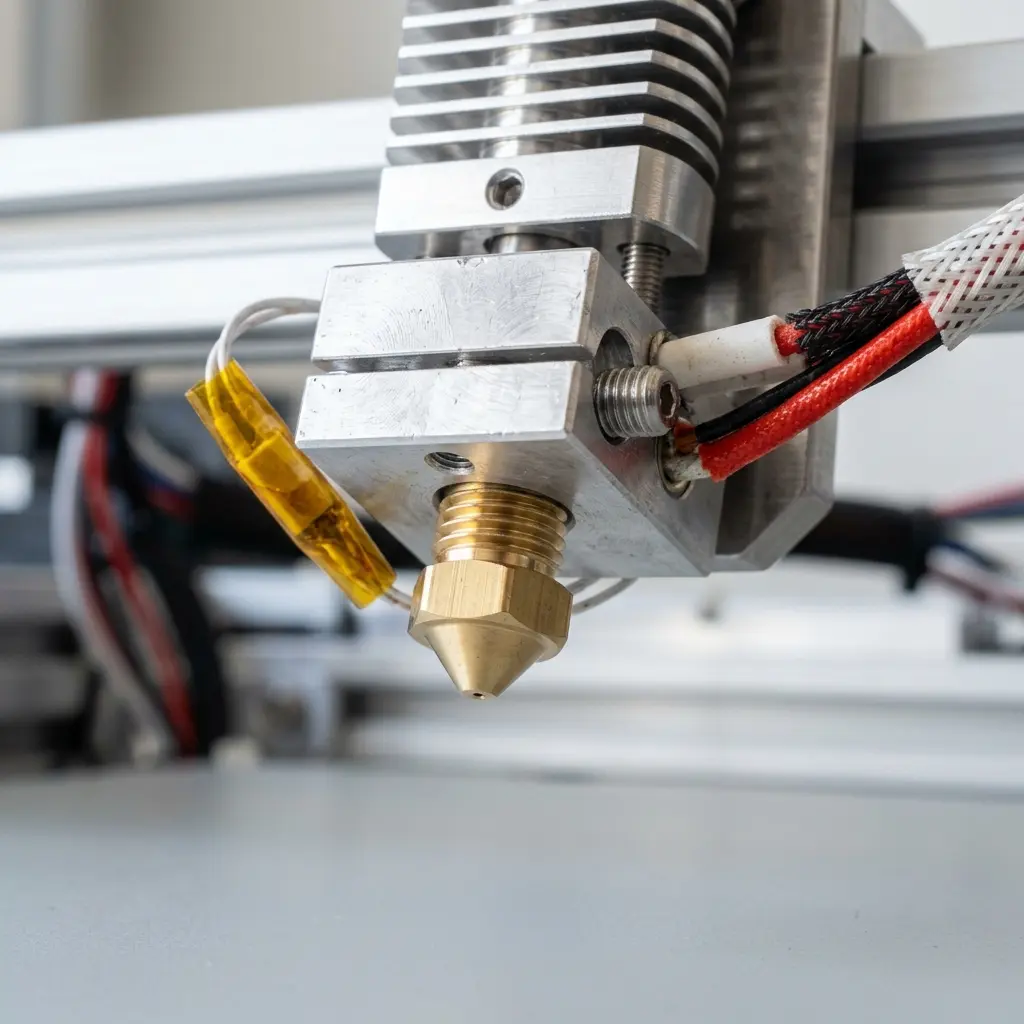
To safely remove cured resin from FEP film without damaging the vat, use isopropyl alcohol and a soft cloth, applying gentle pressure.
Understanding FEP Film and Its Role in 3D Printing
FEP (Fluorinated Ethylene Propylene) film is a crucial component in resin 3D printing systems. It acts as a transparent barrier between the resin vat and the LCD screen, allowing UV light to cure the resin while preventing contamination.
Over time, cured resin can accumulate on the FEP film, potentially affecting print quality and the vat's longevity. Knowing how to clean this film properly is essential for maintaining optimal printing conditions.
Why Cured Resin Removal is Necessary
Removing cured resin is necessary to prevent defects in future prints. Any residue can lead to uneven light exposure, causing issues such as incomplete curing or layer separation.
Additionally, a clean FEP film ensures that the vat remains in good condition, prolonging its usable life and preventing costly replacements.
Recommended Tools and Materials for Cleaning FEP Film
To effectively and safely clean FEP film, gather the following tools and materials:
- Isopropyl alcohol (at least 70% concentration)
- Soft, lint-free cloths or paper towels
- Plastic scraper or spatula
- Disposable gloves
- Small container for used resin
Step-by-Step Guide to Safely Remove Cured Resin
Follow this step-by-step guide to safely remove cured resin from FEP film:
- Prepare your workspace by ensuring proper ventilation and protecting surfaces with disposable covers.
- Put on disposable gloves to avoid skin contact with resin and solvents.
- Gently scrape off any large pieces of cured resin using a plastic scraper or spatula, being careful not to scratch the FEP film.
- Soak a lint-free cloth in isopropyl alcohol and gently wipe the affected area of the FEP film.
- Use a clean section of the cloth to dry the film completely and inspect for any remaining residue.
- If necessary, repeat the alcohol wipe until the FEP film is clean.
- Dispose of any used resin and cleaning materials properly.
DomineTec Tip: Always use a plastic scraper rather than metal to avoid scratching the FEP film, which can compromise its transparency and affect print quality.
Comparative Table of Cleaning Agents
| Cleaning Agent | Effectiveness | Safety | Cost |
|---|---|---|---|
| Isopropyl Alcohol | High | Safe with gloves | Low |
| Acetone | Very High | High risk of damage | Medium |
| Commercial Resin Cleaners | Variable | Variable | High |
Preventative Measures to Avoid Cured Resin Buildup
Taking preventative measures can significantly reduce the likelihood of cured resin buildup on the FEP film. Here are some strategies:
- Regularly clean the vat after each print to prevent resin from hardening.
- Use a higher-quality resin that is less prone to curing on the film.
- Ensure proper settings on the printer to minimize excess resin exposure.
- Monitor print settings to optimize layer exposure times.
- Implement a regular maintenance schedule to check for wear and tear on the FEP film.
Common Mistakes to Avoid While Cleaning
Cleaning FEP film may seem straightforward, but some common mistakes can lead to damage:
- Using abrasive materials, which can scratch the film.
- Applying excessive pressure when scraping, risking damage to the vat.
- Neglecting to wear gloves, which can lead to skin irritation.
- Using harsh chemicals that may degrade the FEP film.
- Failing to dry the film completely, which can lead to contamination in subsequent prints.
Additional Resources for 3D Printing Maintenance
For those interested in enhancing their 3D printing skills, consider exploring additional resources:
- Learn how to calibrate your 3D printer effectively.
- Discover the best 3D printer for beginners to start your journey.
- Understand the difference between PLA and ABS filament for informed material choices.
- Explore advanced 3D printing techniques for more complex projects.
Frequently Asked Questions
What is FEP film?
FEP film is a type of fluoropolymer film used in resin 3D printing. It allows UV light to pass through while preventing resin from sticking to the vat.
Can I use acetone to clean FEP film?
While acetone is effective for cleaning, it poses a risk of damaging the FEP film. It is generally recommended to stick with isopropyl alcohol for safety.
How often should I clean my FEP film?
The frequency of cleaning depends on usage, but it is advisable to clean the film after every print to prevent resin buildup.
What should I do if the FEP film is scratched?
If the FEP film is scratched, it may affect print quality. Depending on the severity, it might be necessary to replace the film to maintain print integrity.
Can cleaning agents affect the resin quality?
Yes, using the wrong cleaning agents can contaminate the resin and affect print quality. Always use recommended cleaning solutions like isopropyl alcohol.
Understanding the Science Behind FEP Film
FEP film is made from a unique polymer that exhibits excellent chemical resistance and thermal stability. This material is particularly important in environments where exposure to aggressive substances is common.
The molecular structure of FEP allows it to maintain clarity, which is critical for the effective transmission of UV light used in the curing process. A clear film ensures that the light can penetrate evenly, promoting consistent curing across the print.
Checklist for Maintaining Your 3D Printing Setup
Use the following checklist to ensure your 3D printing environment is conducive to optimal performance:
- Check the FEP film for scratches or signs of wear.
- Ensure the resin vat is clean and free of residue.
- Verify UV light source functionality and intensity.
- Confirm that the printer's calibration settings are correct.
- Inspect all components for signs of damage or wear.
- Maintain a clean workspace to prevent contamination.
- Store resins in a cool, dark place when not in use.
Conclusion
Proper maintenance of FEP film and the resin vat is essential for achieving high-quality prints in resin 3D printing. Understanding the cleaning process and adopting preventative measures can significantly enhance printing outcomes.
Utilizing isopropyl alcohol and following best practices for cleaning will help ensure that your FEP film remains clear and functional, thereby prolonging the life of your resin vat and improving print quality.




