PLA vs ABS Filament in 3D Printing: Key Differences and Selection Guide
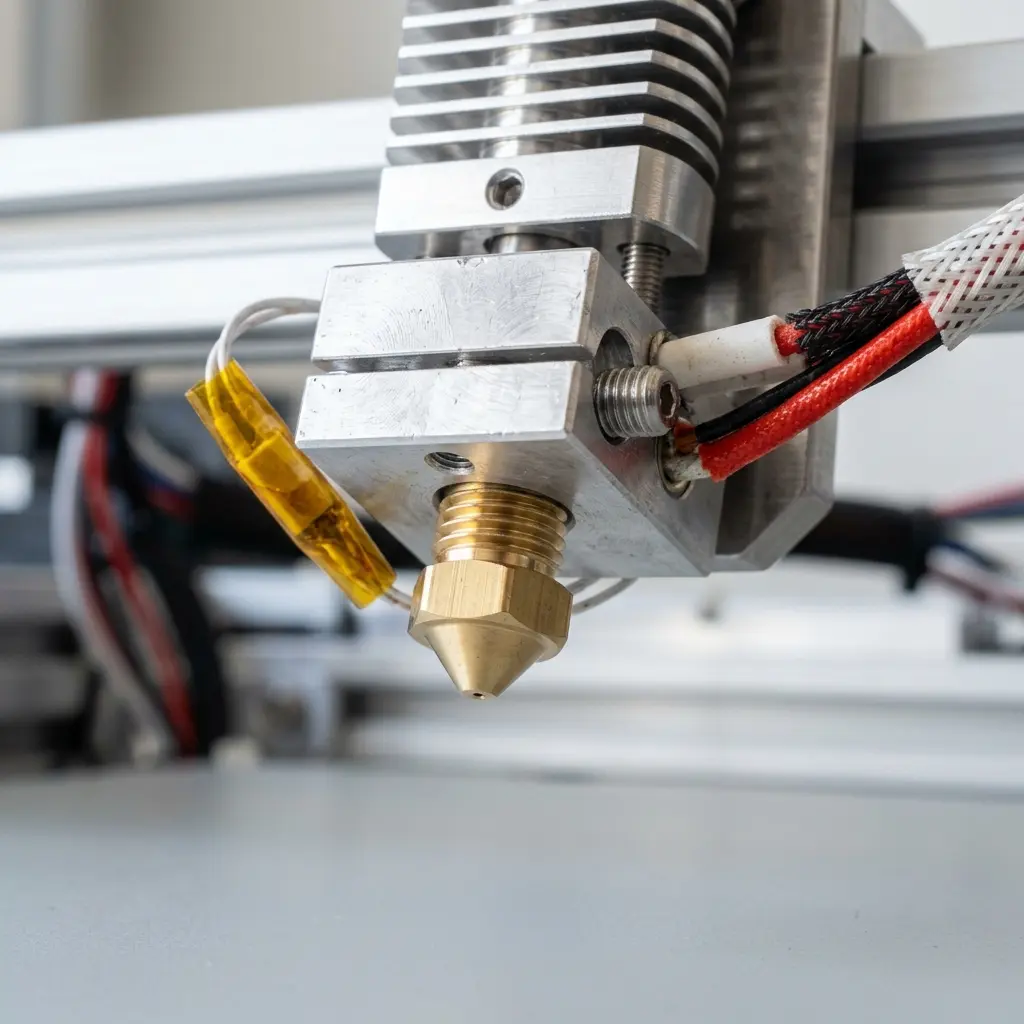
PLA and ABS are two of the most popular filaments used in 3D printing, each with unique properties that cater to different applications.
Understanding PLA and ABS Filaments
PLA (Polylactic Acid) is a biodegradable thermoplastic derived from renewable resources like corn starch or sugarcane. Its eco-friendliness makes it a popular choice for beginners and environmentally conscious users.
This material is known for its ease of printing, vibrant colors, and low warping tendencies, making it ideal for a wide range of 3D printing applications.
ABS (Acrylonitrile Butadiene Styrene) is a petroleum-based plastic known for its toughness and impact resistance. It is frequently used in industrial applications, making it suitable for functional parts and prototypes.
ABS is recognized for its higher strength and heat resistance compared to PLA, but it can be more challenging to print due to warping issues and the need for higher temperatures.
Key Differences Between PLA and ABS
While both filaments serve various purposes in 3D printing, they exhibit distinct characteristics that affect their usage. Below is a detailed comparison of their key properties:
| Property | PLA | ABS |
|---|---|---|
| Material Source | Biodegradable, renewable | Petroleum, non-biodegradable |
| Print Temperature | 190-220°C | 220-250°C |
| Bed Adhesion | Good, often requires no heated bed | Needs a heated bed for best results |
| Odor | Slightly sweet smell | Stronger, unpleasant odor |
| Strength | Moderate | High |
| Flexibility | Less flexible | More flexible |
| UV Resistance | Poor | Good |
Choosing the Right Filament for Your Project
When selecting between PLA and ABS, it is crucial to consider the specific requirements of the project. Factors such as strength, temperature resistance, and environmental exposure will guide the decision-making process.
For aesthetic prints, PLA is often the preferred choice due to its vibrant colors and ease of printing. In contrast, ABS is more suitable for functional parts that require durability and heat resistance.
Checklist for Choosing Filament
- Project Type: Is it decorative or functional?
- Strength Requirements: Does it need to withstand impact or stress?
- Environmental Conditions: Will it be used outdoors or in high-temperature areas?
- Ease of Printing: Are you an experienced user or a beginner?
- Post-Processing: Will specific finishes or smoothing techniques be required?
Printing Settings and Techniques
Optimizing print settings is essential for achieving high-quality prints. Below are recommended settings for each filament:
- PLA: Print temperature should be between 190-220°C. A heated bed is not mandatory but can improve adhesion.
- ABS: Print temperature should be set between 220-250°C. A heated bed is recommended to prevent warping.
Tip: For ABS prints, using an enclosure can maintain a stable temperature environment and reduce warping.
Common Applications for PLA and ABS
Each filament has its ideal applications, making them suitable for different projects. PLA is often used for:
- Artistic prints and models
- Prototypes and concept models
- Home decor items
ABS is preferred for:
- Functional prototypes
- Automotive parts
- Durable toys and household items
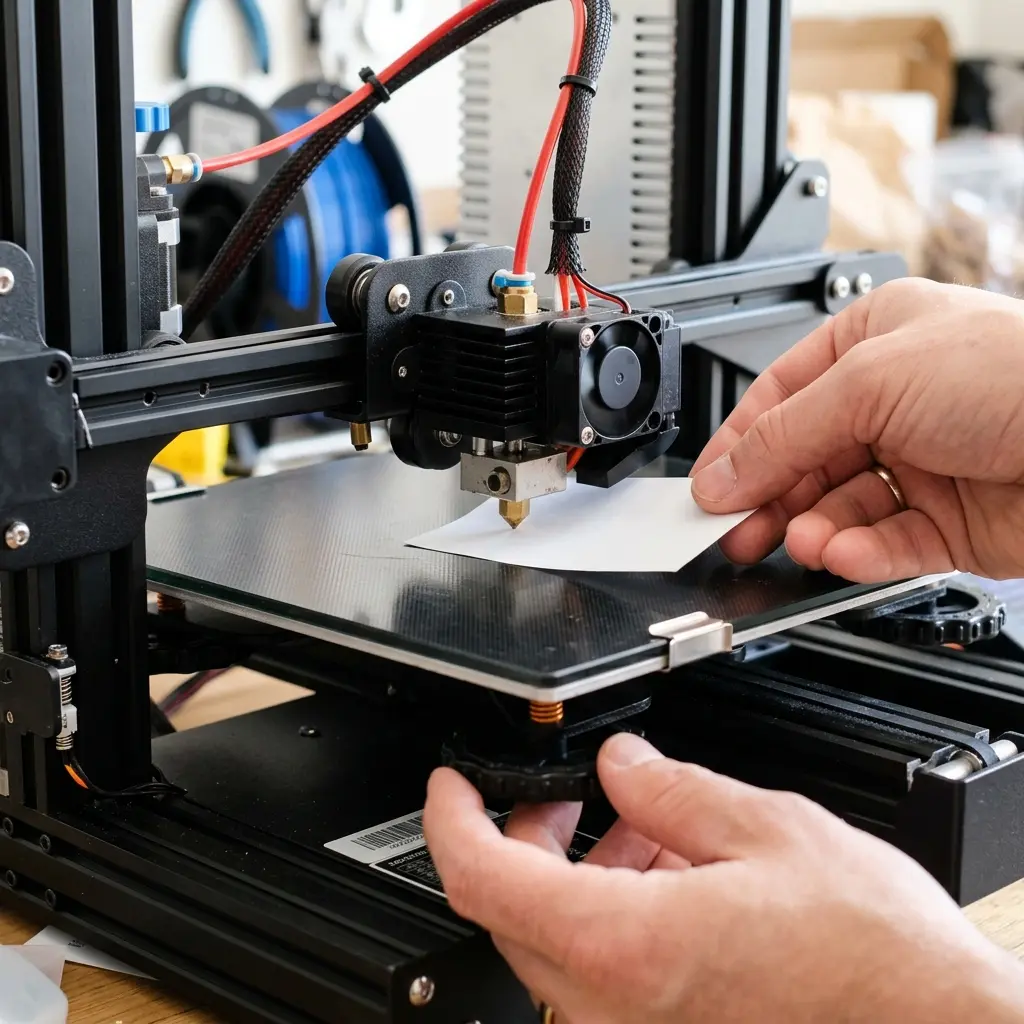
Post-Processing Techniques
Post-processing can enhance the final appearance and strength of prints. PLA can be sanded, painted, or coated with clear finishes for aesthetics. However, it is essential to avoid excessive heat during these processes to prevent deformation.
ABS offers more versatility in post-processing. Techniques like acetone vapor smoothing can create a glossy finish and improve layer adhesion.
Below are some common post-processing techniques for both materials:
| Technique | Best For | Materials |
|---|---|---|
| Sanding | Surface smoothing | PLA, ABS |
| Painting | Add color and detail | PLA, ABS |
| Acetone Vapor Smoothing | Glossy finish | ABS |
| Clear Coating | Protection and finish | PLA, ABS |
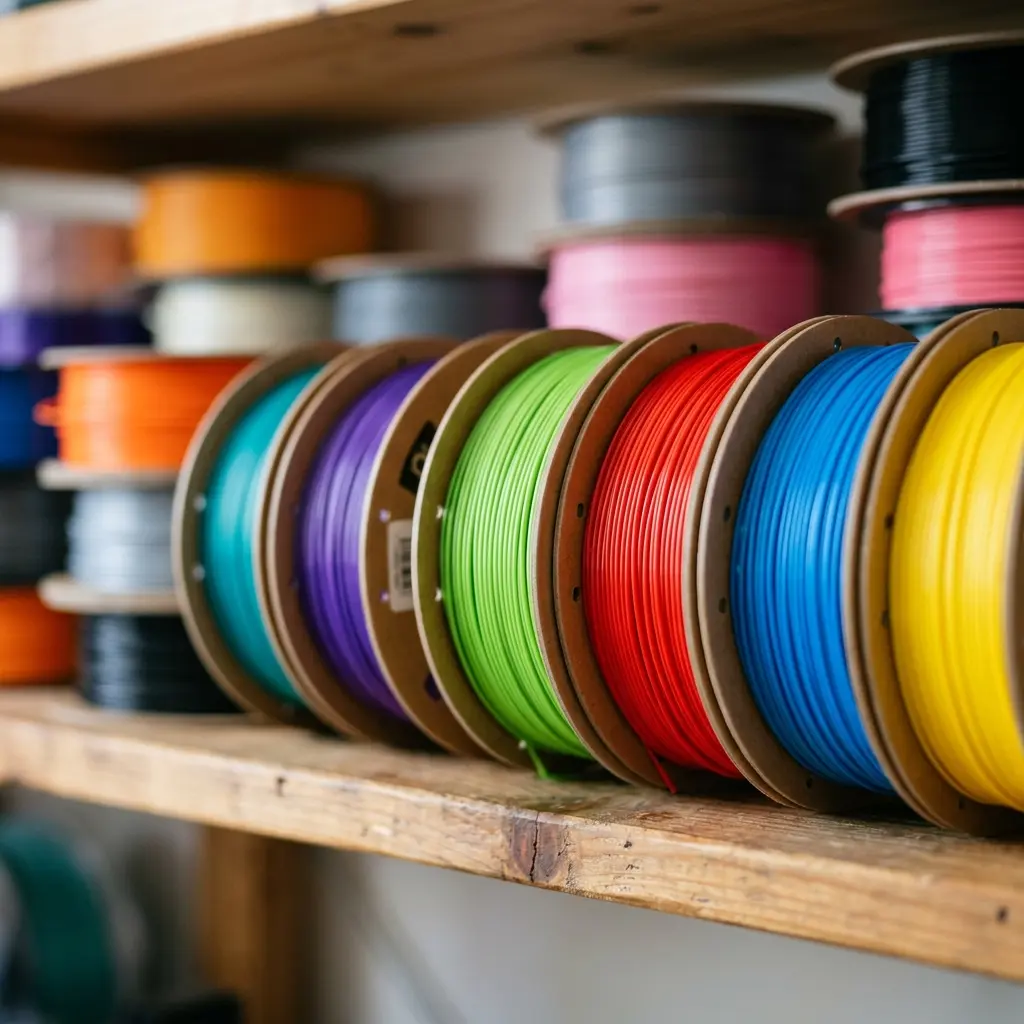
Environmental Impact and Safety Considerations
PLA is considered more environmentally friendly due to its biodegradable nature. It breaks down under industrial composting conditions, making it a preferred choice for eco-conscious individuals.
However, it is important to note that while PLA is biodegradable, it requires specific conditions to break down effectively. ABS, while durable, poses environmental concerns due to its petroleum base.
Proper ventilation is recommended during printing to avoid inhaling potentially harmful fumes. It is also essential to dispose of ABS responsibly, as it does not decompose easily.
Safety Tips for 3D Printing
- Always print in a well-ventilated area, especially when using ABS.
- Use gloves when handling printed parts that may be sharp or hot.
- Keep flammable materials away from the printer during operation.
- Store filaments in a cool, dry place to prevent moisture absorption.
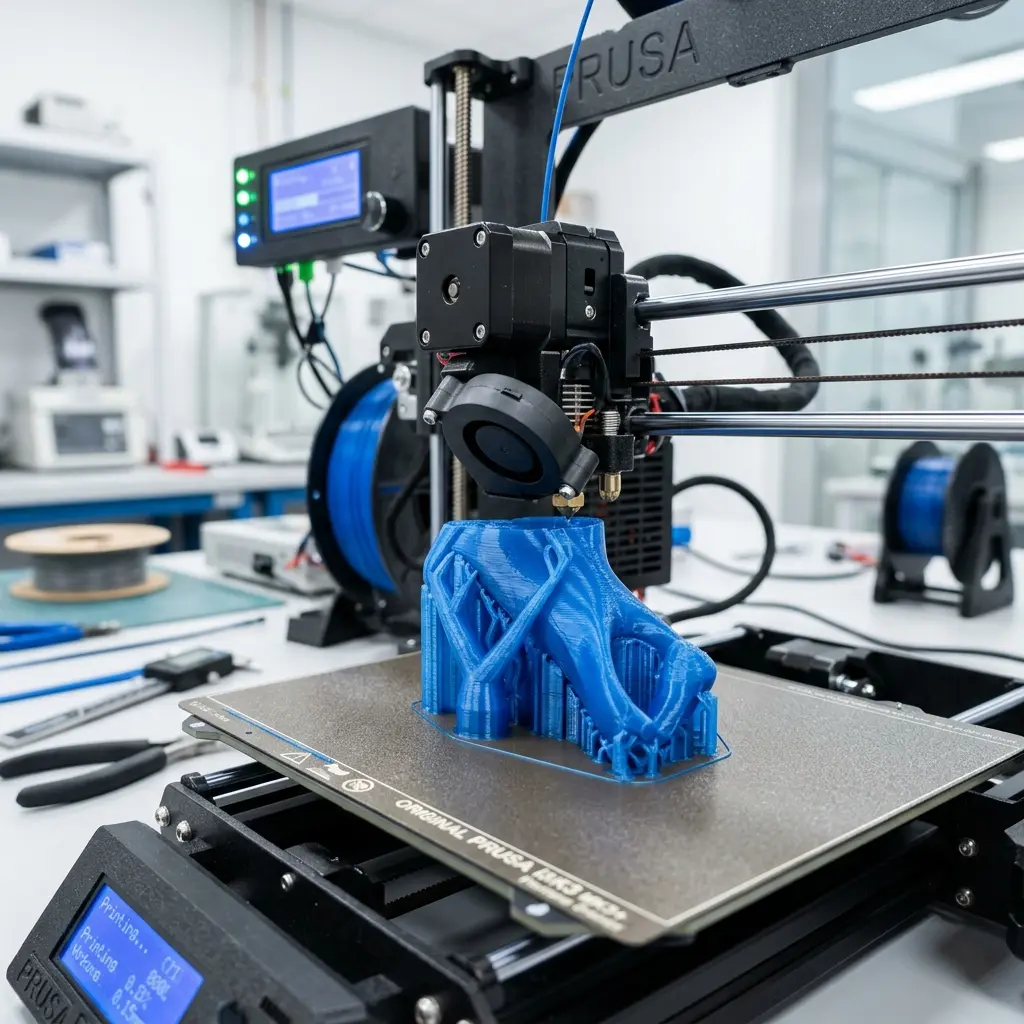
Conclusion: Making an Informed Choice
Choosing between PLA and ABS requires an understanding of the specific needs of a project. Each filament has strengths and weaknesses that can impact the final outcome.
For instance, if a material that is easy to print and environmentally friendly is desired, PLA is the way to go. However, if a durable part that can withstand higher temperatures is needed, ABS would be more suitable.
Considering factors such as print quality, strength, and environmental impact will guide the selection process. For those new to 3D printing, exploring both materials can provide valuable insights into their properties and applications.
Experimenting with both filaments can help users better understand how they behave under different conditions and refine their printing skills.
Frequently Asked Questions
What is the main difference between PLA and ABS?
The primary difference lies in their material composition and properties, with PLA being biodegradable and easier to print, while ABS is more durable and heat-resistant.
Can PLA and ABS be mixed?
Mixing PLA and ABS is not recommended as they have different melting points and properties, which can lead to poor adhesion and print quality.
Is PLA or ABS better for beginners?
PLA is generally considered better for beginners due to its ease of use, lower print temperature, and minimal warping issues.
Can ABS be used for outdoor applications?
ABS is suitable for outdoor use due to its UV resistance and toughness, making it ideal for items exposed to the elements.
How do I store PLA and ABS filaments?
Filaments should be stored in a cool, dry place, away from direct sunlight. Using vacuum-sealed bags or airtight containers can help prolong their lifespan.
```htmlAdvanced Configurations for PLA and ABS
When utilizing PLA or ABS filament, advanced configurations in slicer software can significantly enhance print quality. Parameters such as layer height, print speed, and temperature should be meticulously adjusted based on filament properties.
For ABS, higher temperatures are often recommended to prevent warping, while PLA typically requires lower temperatures. Experimentation with fan speeds and retraction settings can also yield improved results, especially in intricate designs.
Common Calibration Mistakes
Calibration errors can lead to poor print quality and wasted materials when using PLA or ABS. One frequent mistake is neglecting to level the print bed, which is crucial for ensuring proper adhesion and minimizing layer shifting.
Another common oversight involves incorrect temperature settings; printing PLA too hot can cause stringing, while printing ABS too cool may lead to poor layer bonding. Regularly checking and adjusting extrusion multipliers can also help mitigate under-extrusion issues.
Cost Estimations for PLA and ABS Filament
Understanding the cost differences between PLA and ABS filament is essential for budget-conscious projects. Generally, PLA is less expensive than ABS, making it a popular choice for beginners and low-cost applications.
However, the long-term costs associated with each type of filament should also be considered, including potential failures and material waste. Investing in higher-quality ABS may mitigate issues related to warping and improve the overall durability of finished prints.
Safety Precautions When Using ABS Filament
Using ABS filament requires specific safety precautions due to the fumes released during printing. It is highly advised to work in a well-ventilated area or utilize an enclosure with a filtration system to minimize exposure to potentially harmful emissions.
Protective equipment, such as masks and gloves, might also be necessary when handling the filament and during the post-processing phase. Awareness of fire hazards associated with high-temperature printing is crucial to maintaining a safe workspace.
Alternative Choices for 3D Printing Filaments
In addition to PLA and ABS, several alternative filaments can be considered based on project requirements. PETG is a popular choice, offering a balance between strength, flexibility, and ease of use while maintaining a lower risk of warping.
Other options include TPU for flexible applications and nylon for high-strength parts. Exploring these alternatives may provide solutions that better meet specific performance criteria and environmental considerations.
Environmental Impact of PLA vs ABS
The environmental impact of using PLA versus ABS is a significant consideration in the selection process. PLA is derived from renewable resources such as cornstarch, making it biodegradable under certain conditions, while ABS is petroleum-based and not biodegradable.
Understanding the end-of-life options for each material can guide more sustainable practices. Recycling options for ABS are limited, whereas PLA can be composted if processed correctly, presenting a more eco-friendly alternative.
Post-Processing Techniques for PLA and ABS
Post-processing techniques can greatly enhance the aesthetics and functionality of prints made from PLA and ABS. For PLA, methods such as sanding and painting can achieve a polished finish, while ABS can be smoothed using acetone vapor treatment.
These techniques not only improve the appearance but can also enhance the mechanical properties of the final product. Identifying the appropriate post-processing techniques based on filament type can lead to superior results and increased user satisfaction.
Print Speed Considerations for Different Filaments
Print speed is a critical factor that influences the quality of prints made from PLA and ABS. While PLA can typically be printed at faster speeds without significant loss of quality, ABS often requires slower speeds to ensure proper layer adhesion and minimize warping.
PLA vs ABS Filament in 3D Printing: Key Differences and Selection Guide
Introduction
When it comes to 3D printing, the choice of filament plays a crucial role in determining the quality and durability of the final product. Among the various materials available, PLA (Polylactic Acid) and ABS (Acrylonitrile Butadiene Styrene) are two of the most widely used filaments. Each material has its own set of characteristics, advantages, and disadvantages, making them suitable for different applications.
Overview of PLA
PLA is a biodegradable thermoplastic derived from renewable resources like corn starch or sugarcane. It is known for its ease of use and environmental friendliness.
Overview of ABS
ABS is a petroleum-based thermoplastic that is known for its strength and durability. It is commonly used in industrial applications and is the material behind many consumer products.
Key Differences Between PLA and ABS
| Property | PLA | ABS |
|---|---|---|
| Material Source | Renewable (biodegradable) | Petroleum-based (non-biodegradable) |
| Ease of Printing | Easy | Moderate |
| Odor During Printing | Slightly sweet | Strong, unpleasant |
| Strength | Moderate | High |
| Impact Resistance | Low | High |
| Heat Resistance | Low (60°C) | High (100°C) |
| Flexibility | Low | Moderate |
| Post-Processing | Easy (sanding, painting) | Moderate (requires acetone for smoothing) |
| Applications | Prototyping, toys, decorative items | Functional parts, automotive components, household items |
Advantages of PLA
- Environmentally friendly and biodegradable.
- Low warping during printing, making it ideal for beginners.
- Available in a wide variety of colors and finishes.
- Good layer adhesion and fine detail capabilities.
- Less toxic fumes during printing.
Disadvantages of PLA
- Lower strength compared to ABS.
- Not suitable for high-temperature applications.
- Can be brittle and may not withstand impact well.
Advantages of ABS
- High impact resistance, making it durable for functional parts.
- Higher temperature resistance suitable for demanding applications.
- Can be easily sanded and painted for finished products.
- Good layer adhesion, leading to strong prints.
Disadvantages of ABS
- More difficult to print due to warping and shrinking.
- Requires a heated bed for optimal printing results.
- Produces strong fumes, necessitating good ventilation.
Print Settings for PLA and ABS
| Setting | PLA | ABS |
|---|---|---|
| Print Temperature | 180-220°C | 210-250°C |
| Bed Temperature | 0-60°C (optional) | 80-110°C |
| Print Speed | 30-60 mm/s | 40-80 mm/s |
| Cooling Fan | Yes | No |
Selection Guide: When to Use PLA or ABS
Choosing between PLA and ABS depends on the specific requirements of the project:
- Use PLA when:
- A beginner in 3D printing.
- Creating prototypes for visual representation.
- Environmentally friendly products are a priority.
- Color variety and aesthetic appeal are important.
- Use ABS when:
- Durability and impact resistance are key requirements.
- Parts will be exposed to higher temperatures.
- Post-processing, such as sanding or acetone smoothing, is desired.
- Functional prototypes or end-use parts are needed.
Conclusion
Both PLA and ABS filaments have their unique properties that make them suitable for different applications in 3D printing. Understanding the key differences, advantages, and disadvantages can help in selecting the right filament for specific projects, ensuring optimal results and satisfaction in the final printed products.
``` ```htmlIntroduction to PLA and ABS Filaments
PLA (Polylactic Acid) and ABS (Acrylonitrile Butadiene Styrene) are two of the most commonly used materials in 3D printing. Understanding their differences is crucial for selecting the right filament for specific applications.
Chemical Composition and Properties
PLA is derived from renewable resources such as corn starch or sugarcane. In contrast, ABS is a petroleum-based thermoplastic, which gives it distinct thermal and mechanical properties.
Thermal Properties
| Property | PLA | ABS |
|---|---|---|
| Glass Transition Temperature | 60°C | 105°C |
| Melting Point | 160-180°C | 220-250°C |
Mechanical Properties
PLA is known for its rigidity and strength but tends to be more brittle compared to ABS. ABS, on the other hand, offers higher impact resistance and flexibility, making it suitable for functional parts.
Printability and Printing Conditions
The printability of a filament is essential for successful 3D printing. PLA is generally easier to print due to its lower melting point and reduced warping tendencies.
Printing Temperature and Settings
| Filament Type | Recommended Printing Temperature | Bed Temperature |
|---|---|---|
| PLA | 180-220°C | 20-60°C (optional) |
| ABS | 220-260°C | 90-110°C |
Warping and Adhesion
PLA generally adheres well to the print bed and experiences minimal warping. Conversely, ABS can warp significantly, requiring a heated bed and proper adhesion solutions.
Environmental Considerations
PLA is biodegradable and considered more environmentally friendly compared to ABS. However, the degradation process can be slow and requires specific conditions to occur effectively.
Recycling and Disposal
- PLA: Can be composted in industrial facilities, but not suitable for home composting.
- ABS: Recyclable, but not biodegradable; must be processed in specialized facilities.
Applications and Use Cases
Choosing the right filament often depends on the intended application. PLA is ideal for prototypes, decorative models, and educational purposes.
Common Uses for PLA
- Artistic models and sculptures
- Home decor items
- Food-safe containers (if printed with food-safe PLA)
Common Uses for ABS
- Functional parts and prototypes
- Toys and consumer products
- Automotive and electronic housings
Cost Comparison
The cost of filament can influence material selection. Generally, PLA is less expensive than ABS, making it a popular choice for hobbyists and beginners.
Price Range
| Filament Type | Average Price per kg |
|---|---|
| PLA | $20-30 |
| ABS | $25-35 |
Conclusion: Making the Right Choice
Understanding the differences between PLA and ABS filaments is essential for effective 3D printing. Factors such as application, cost, and environmental impact should guide the selection process.
```



