How to Point a Subdomain to a Different Hosting Server Using DNS

To point a subdomain to a different hosting server, you need to update your DNS settings to direct traffic accordingly. This essential task allows you to manage web resources more efficiently, redirecting specific parts of your website to servers optimized for various functions, such as hosting applications or managing specific content. Understanding how to effectively point a subdomain to another server can be significant for businesses looking to enhance their online presence, optimize performance, or implement new functionality without affecting their primary domain.
The process involves modifying DNS zone records to reflect the server's IP address where the subdomain will reside. It is important to understand that DNS (Domain Name System) acts as the phonebook of the internet, translating human-friendly domain names into IP addresses that computers use to communicate with one another.
Each entry in the DNS records corresponds to specific subdomains and determines how user requests are routed on the internet. By properly configuring these records, you ensure that requests to your subdomain reach the correct destination, providing seamless user experiences.
In this blog post, we will delve into the technical aspects of web servers and hosting, providing a thorough introduction to the concepts and terminologies involved. Following that, we will present a detailed, step-by-step guide that you can follow to successfully point your subdomain to another hosting server.
Lastly, we will provide a comparative table to help you evaluate different hosting options, ensuring you choose the best solution for your requirements.
Understanding Web Servers and Hosting
Web servers and hosting are foundational elements of the internet, serving as the backbone of how websites and applications are accessed and delivered to users across the globe. At its core, a web server is a system that stores, processes, and delivers web pages to users' browsers.
When a user types a URL or clicks a link, their request travels through the internet to the server that hosts that particular website, where the server processes the request and returns the appropriate content. This content may include HTML pages, images, or application data that is then displayed on the user's browser.
Hosting, on the other hand, refers to the service of providing storage space and access for websites on the internet. Different hosting options are available, ranging from shared hosting, where multiple sites share resources on a single server, to dedicated hosting, where a server is exclusively allocated to a single website.
Additionally, cloud hosting and VPS (Virtual Private Server) hosting offer more flexible and scalable solutions, allowing users to adjust resources based on their needs. Choosing the right hosting solution depends on various factors, including website size, expected traffic, and specific application requirements.
When you decide to point a subdomain to another hosting server, understanding the relationship between your domain registrar, DNS records, and hosting provider becomes critical. Your domain registrar is the entity through which you acquired your domain name and typically provides DNS management tools.
DNS records, including A records, CNAME records, and others, determine how requests are routed. An A record points a domain or subdomain directly to an IP address, while a CNAME record can point a subdomain to another domain, allowing for more flexible configurations.
This knowledge is vital when modifying DNS records to ensure that your subdomain correctly points to its intended server.
Step-by-Step Guide to Pointing a Subdomain to Another Hosting Server

Pointing a subdomain to a different hosting server involves several precise steps, each of which must be executed with care to ensure successful redirection. First, you need to gather the necessary information about the target hosting server.
This includes the server's IP address, which is important for configuring the DNS records correctly. Log in to your hosting provider's control panel and locate the IP address assigned to the server that will host your subdomain.
This information is often found in the account details or the server management section.
Next, log in to your domain registrar's control panel. This is where you will manage your DNS settings.
Navigate to the DNS management section, which may be labeled as "DNS Zone", "DNS Settings", or something similar. Here, you will find the list of DNS records associated with your domain.
Identify the existing subdomain record that you wish to modify or, if it does not exist, create a new record for your subdomain.
To create a new subdomain record, you will typically select the type of record you want to create. For most cases, an A record will suffice, as it directly associates your subdomain with the server's IP address. Enter the subdomain name in the specified field (for example, if you want to create "blog.example.com", just input "blog").
In the "Value" or "Points To" field, enter the IP address of the new hosting server. Save the changes, and allow some time for the DNS propagation to occur, which can take anywhere from a few minutes to 48 hours. This period is necessary for the changes to be recognized across the internet.
If you are using a CNAME record instead, the steps are largely similar. However, instead of pointing directly to an IP address, you would point the subdomain to another domain name. In the case where your new hosting server already has a domain associated with it, you would enter that domain name in the CNAME record. Again, ensure that you save the changes and monitor the propagation process.
Comparative Table of Hosting Options
After understanding the technical aspects and executing the pointing of your subdomain, it is beneficial to evaluate various hosting options based on their features, performance, and pricing. The following table presents a structured comparison of popular hosting plans. This will aid you in making an informed decision regarding which hosting solution best fits your requirements.
| Hosting Type | Performance | Price (per month) | Best For |
|---|---|---|---|
| Shared Hosting | Standard speed, limited resources | $2.99 | Small websites and blogs |
| VPS Hosting | Higher speed, dedicated resources | $19.99 | Medium-sized businesses and growing websites |
| Cloud Hosting | Scalable performance, high uptime | $15.00 | Web applications and sites with fluctuating traffic |
| Dedicated Hosting | Maximum speed, full server control | $79.99 | Large enterprises with high traffic |
This comparison table outlines the key differences among various hosting types, helping you to choose an option that aligns with your technical needs and budget. Shared hosting remains the most economical choice, yet it may not be suitable for high-traffic websites due to limited resources.
In contrast, dedicated hosting offers unparalleled performance but comes at a significantly higher price. VPS and cloud hosting present a balanced alternative, providing flexibility and scalability for growing businesses.

Additional Resources and Recommended Links
To further enhance your understanding of web hosting and DNS management, we recommend exploring additional resources and articles that delve into related topics. For instance, you may find it beneficial to read our post on How to Create a MySQL Database in cPanel, which offers insights into database management essential for your hosting environment.
Additionally, our guide on How to Setup Cron Jobs inside cPanel can help you automate tasks on your server, ensuring your applications run smoothly.
These resources will not only help you in managing your hosting effectively but also equip you with the knowledge to handle various web-related tasks, paving the way for a more robust online presence for your projects.
Advanced Server Performance Tuning, Cache Policies, and Core Networking Metrics
Caching mechanisms such as OPcache, Redis, and Memcached can significantly enhance server performance, as they store frequently accessed data in memory, reducing the need to retrieve information from slower disk storage. OPcache, for example, is an opcode cache that compiles PHP code to bytecode, which dramatically speeds up execution.
By minimizing the execution time of scripts, it alleviates the load on the server, allowing for better handling of concurrent requests. Redis and Memcached, on the other hand, are in-memory data stores that excel in caching database queries and objects, thereby reducing database load and accelerating data retrieval times.
Choosing the appropriate caching solution depends on the specific use case; for example, Redis is often preferred for handling complex data structures, while Memcached excels at simple key-value storage.
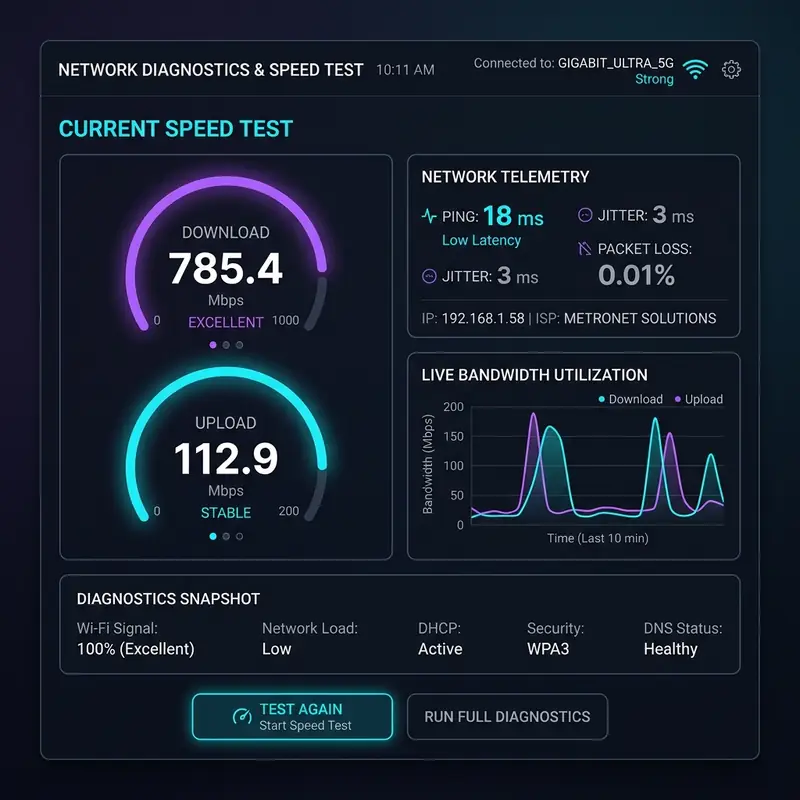
Networking metrics also play a significant role in assessing server performance. Server load refers to the amount of processing power utilized by the server at any given time, and it can be monitored through various tools that track CPU and memory usage.
A consistently high server load can indicate that the server is under-resourced for the traffic it is handling or that there are inefficient processes consuming resources. Bandwidth allocation is another critical aspect, as it determines how much data can be transmitted between the server and clients within a given time frame.
Proper bandwidth management can prevent bottlenecks during peak traffic periods, ensuring that users experience minimal latency.
In addition to the technical setup, ongoing performance monitoring is essential to identify potential bottlenecks and optimize server performance continuously. Tools such as New Relic or Google PageSpeed Insights provide insights into performance metrics and suggest actionable improvements.
It’s important to analyze these performance metrics in conjunction with real user monitoring to get a holistic view of how server performance impacts user experience. By integrating these advanced tuning strategies and regularly reviewing core networking metrics, webmasters can ensure that their servers operate efficiently, providing a fast and reliable service to users.
Lastly, it is important to consider the geographical distribution of users and the physical location of servers. Content Delivery Networks (CDNs) can be employed to cache content closer to users, further reducing latency and improving load times. By strategically implementing these advanced performance tuning techniques and monitoring critical networking metrics, web admins can enhance their server's responsiveness and provide a better overall experience for their users.
Implementing Robust Server-Side Cybersecurity Protocols for Enhanced Protection

Beyond SSL certificates, configuring IP tables serves as an effective measure for controlling network traffic and preventing unauthorized access to server resources. IP tables can be configured to specify which IP addresses are allowed or denied access to certain services or ports.
This level of granularity in access control helps to minimize the risk of attacks such as DDoS or brute-force attempts. Regularly auditing IP tables rules is important to ensure they adapt to emerging threats and reflect any changes in the server environment or user needs.
Another critical aspect of server-side cybersecurity is the implementation of a DDoS firewall. Distributed Denial of Service (DDoS) attacks can overwhelm servers with excessive traffic, leading to service outages.
A DDoS firewall acts as a protective layer that analyzes incoming traffic patterns and blocks or mitigates malicious traffic before it reaches the server. Many modern hosting providers offer integrated DDoS protection as part of their service packages, which can be particularly beneficial for businesses that experience fluctuating traffic levels or are at higher risk of targeted attacks.
Server directories also require careful attention to permissions to prevent unauthorized access to sensitive files and configurations. Implementing the principle of least privilege ensures that users and applications have the minimum level of access necessary for their functions.
This reduces the attack surface and limits the potential damage from compromised accounts. Regularly reviewing and adjusting directory permissions is essential, particularly after updates or changes in personnel, to ensure that sensitive directories remain secure.
Finally, ongoing education and training for all personnel involved in server management are vital components of a comprehensive cybersecurity strategy. Regularly updating staff on the latest security threats and best practices can help cultivate a security-minded culture within the organization. By combining these robust cybersecurity protocols with a proactive approach to monitoring and education, businesses can better safeguard their servers against evolving threats and vulnerabilities.
Understanding Hosting Limitations: Shared Servers, Cloud Solutions, and DNS Propagation Challenges
When considering hosting options, it's essential to understand the limitations inherent in different types of server environments, particularly when comparing shared servers to dedicated and cloud machines. Shared hosting, while cost-effective, often comes with constraints that can impact performance and scalability. In this environment, multiple websites share the same server resources, which can lead to slower response times, especially during traffic spikes. This arrangement can also result in unpredictable performance, as one site's traffic can adversely affect the load times and availability of others on the same server. Consequently, businesses that anticipate high traffic volumes or require robust performance should consider dedicated or cloud hosting solutions, which offer greater control and resource allocation.Dedicated hosting provides an isolated environment that delivers superior performance and reliability. Since the server resources are not shared, websites can achieve faster load times and higher uptime. However, dedicated servers come with higher costs and require more technical expertise to manage effectively.
Cloud hosting, on the other hand, offers a flexible solution that can scale according to demand. It utilizes a network of virtual servers, allowing for resource allocation based on real-time needs. This elasticity makes cloud hosting particularly advantageous for businesses with fluctuating traffic patterns.
However, it is important to understand the potential complexities involved in managing cloud resources, including the need for oversight regarding data security and resource monitoring.
Another critical aspect to consider is DNS propagation, which can introduce challenges when pointing a subdomain to a new hosting server. DNS propagation refers to the period it takes for DNS changes to be recognized across the internet.
This process can range from a few minutes to 48 hours, during which users may experience inconsistent access to the site depending on their ISPs and local DNS caches. During this time, it’s vital to communicate with users about potential access issues and ensure that the necessary steps are taken to minimize downtime.
Implementing a TTL (Time to Live) value that aligns with planned changes can help to facilitate a smoother transition, allowing for quicker updates and less disruption.
Database optimization also presents a challenge for many hosting environments. While shared hosting may impose limits on database size or query execution times, dedicated and cloud solutions often provide greater flexibility.
However, even in these more robust setups, poorly optimized databases can lead to performance bottlenecks. It’s essential to implement best practices for database management, such as indexing and query optimization, to ensure that the database can handle the demands of the application without hindering overall performance.
Lastly, when evaluating hosting options, it is important to review the Service Level Agreements (SLAs) provided by hosting companies. SLAs outline the expected performance metrics and uptime guarantees, which are critical for maintaining business continuity.
Understanding these agreements can help businesses make informed decisions about their hosting environments and set realistic expectations regarding service reliability. By thoroughly assessing hosting limitations and aligning them with business needs, organizations can choose the right infrastructure to support their growth and operational objectives.