How to Create a MySQL Database and User in cPanel [Quick Guide]
![How to Create a MySQL Database and User in cPanel [Quick Guide]](https://umoaupsqhrhivceztycp.supabase.co/storage/v1/object/public/media/posts/wifi-office.webp)
Creating a MySQL database and user in cPanel is a straightforward process that enhances your web hosting capabilities. For those managing a website, understanding how to create a MySQL database in cPanel is important to the successful operation of your web applications. MySQL is a widely-used relational database management system, and it serves as the backbone for many content management systems such as WordPress, Joomla, and Drupal.
By following this guide, you will learn how to set up a MySQL database and create a user in cPanel, enabling you to effectively manage your website's data.
The cPanel control panel is a popular choice among web hosting providers, offering a user-friendly interface for managing various aspects of your hosting account. It simplifies the process of database management, allowing users to create, modify, and delete databases and users with ease. Whether you are a seasoned developer or a novice website owner, having a firm grasp of these concepts can significantly enhance your website's functionality and performance.
Understanding Web Servers and Hosting
Before diving into the specifics of creating a MySQL database and user in cPanel, it's essential to understand the underlying concepts of web servers and hosting. A web server is a computer system that stores, processes, and delivers web pages to users upon request.
When you enter a website URL in your browser, a request is sent to the web server hosting that site. The server then retrieves the requested page and sends it back to your browser, allowing you to view the content.
This process relies on various technologies, including databases, which store the information displayed on websites.
Web hosting is the service that allows individuals and organizations to make their websites accessible via the Internet. Hosting providers offer different types of hosting plans, including shared, VPS, and dedicated servers, to meet the diverse needs of their customers.
Shared hosting is the most common option for small websites and beginners, as it allows multiple users to host their sites on the same server, reducing costs. In contrast, VPS and dedicated hosting provide more resources and control, ideal for larger websites or applications with higher traffic demands.
MySQL databases play a critical role in this context as they organize and manage the data that a website relies on. For instance, if you are running an e-commerce site, the MySQL database would store all product information, user accounts, and transaction details.
Understanding how to create and manage these databases is vital for maintaining the efficiency and reliability of your website. In cPanel, users can easily create MySQL databases and users, setting the necessary permissions to ensure secure and effective data management.
Step-by-Step Guide to Create a MySQL Database and User in cPanel
Creating a MySQL database and user in cPanel is a straightforward process that can be completed in just a few steps. Begin by logging into your cPanel account.
The cPanel dashboard provides an array of tools and features, so locating the MySQL Databases section is your first task. This can usually be found under the "Databases" category.
Click on the "MySQL Databases" icon to enter the management area for your databases.
Once you are in the MySQL Databases section, you will see fields to create your new database. Start by entering a name for your database in the "Create New Database" field.
It is advisable to use a name that reflects the purpose of the database or the project it is associated with, as this will help you easily identify it later. After entering the desired name, click the "Create Database" button.
You should see a confirmation message indicating that the database has been created successfully.
Next, you will need to create a MySQL user who will have access to this database. Scroll down to the "MySQL Users" section on the same page. In the "Add New User" fields, enter a username and a strong password.
It is important to choose a complex password to ensure the security of your database. Once you have filled in the username and password fields, click on the "Create User" button. This action will create a user account that you can grant specific permissions to regarding the database you just created.
After creating the user, the final step is to assign the new user to the newly created database with the appropriate permissions. Locate the "Add User to Database" section. Here, you will find two dropdown menus: one for selecting the user and another for selecting the database.
Choose the user you just created and then select the database you want to associate with that user. Click the "Add" button, and you will be taken to a new page where you can set the user privileges. It is recommended to grant all privileges for ease of use, especially if this is your primary database.
After selecting the privileges, click the "Make Changes" button to finalize the process.

Comparative Analysis of MySQL Database Options
When considering the creation of MySQL databases in cPanel, it can be helpful to compare various hosting options and configurations. Below is a table outlining different types of hosting plans you might encounter, along with their key features, advantages, and drawbacks. This comparison can assist you in making informed decisions regarding your web hosting needs.
| Hosting Type | Storage | Bandwidth | Control Panel | Best For |
|---|---|---|---|---|
| Shared Hosting | 50 GB | Unmetered | cPanel | Small websites, blogs |
| VPS Hosting | 100 GB | 1 TB | cPanel | Growing websites, e-commerce |
| Dedicated Hosting | Unlimited | Unmetered | cPanel or WHM | Large businesses, high-traffic websites |
| Cloud Hosting | Dynamic | Dynamic | Custom | Scalable applications, startups |
This comparison provides a clear overview of the various hosting plans available, each tailored to different needs and preferences. Shared hosting is often the most cost-effective solution for beginners and small websites, while VPS hosting offers a middle ground for those needing more resources and control.
Dedicated hosting is ideal for larger enterprises requiring high performance and reliability, whereas cloud hosting allows for scalability and flexibility, making it a great choice for startups and applications with fluctuating demands.

Additional Resources and Recommended Links
For those looking to further enhance their understanding of MySQL databases and cPanel, several resources can provide valuable insights. You may find it beneficial to explore additional tutorials such as How to Increase Max Upload Size in PHP, which guides users through optimizing their PHP settings.
Furthermore, if you are interested in automating tasks, consider reading How to Setup Cron Jobs inside cPanel, which offers a comprehensive guide on scheduling automated tasks for your web applications. These resources will equip you with the knowledge required to maximize your hosting experience and better manage your web applications.
Advanced Server Performance Tuning, Cache Policies, and Core Networking Metrics
For the optimal performance of your MySQL database and web applications, it is imperative to focus on advanced server performance tuning. This involves fine-tuning various server configurations to handle increased load and improve response times. Key areas of focus include adjusting the MySQL server parameters, optimizing your web server settings, and ensuring that the hardware is capable of meeting the needs of your applications. Parameters such as `max_connections`, `query_cache_size`, and `innodb_buffer_pool_size` play a significant role in how efficiently MySQL processes requests. By monitoring these metrics, administrators can adjust configurations to maximize throughput and minimize latency.
Cache policies are another critical aspect of enhancing server performance. Implementing caching mechanisms like OPcache, Redis, or Memcached can drastically reduce database load by storing frequently accessed data in memory. OPcache speeds up PHP execution by caching the opcode of scripts, while Redis and Memcached provide efficient in-memory caching that can be utilized for session management and data retrieval. Understanding how to configure and maintain these caching solutions is essential, as improper configurations can lead to cache misses or stale data, negating the benefits of caching altogether.
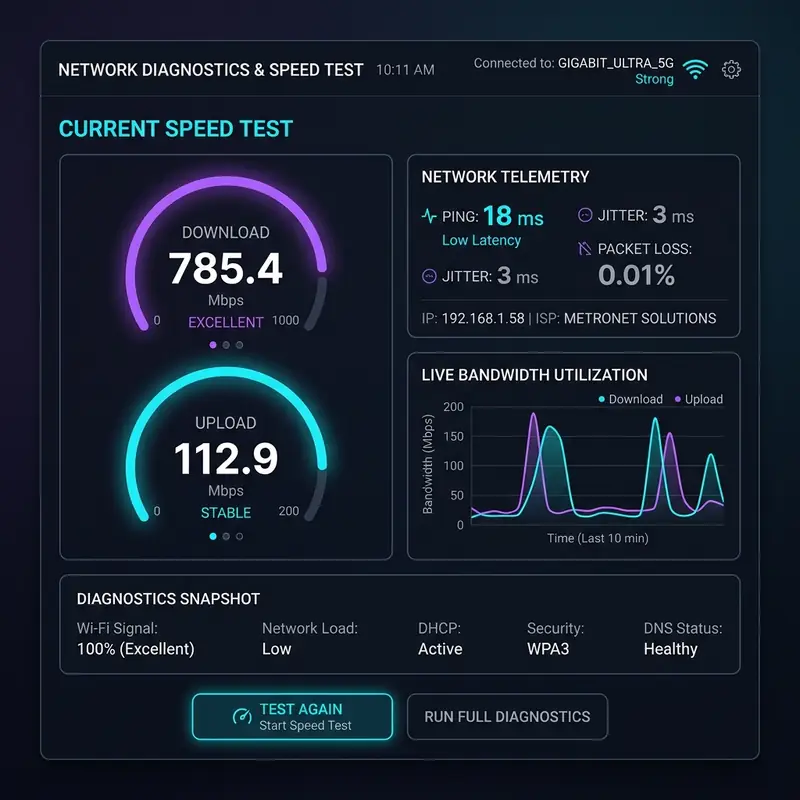
Core networking metrics such as Time to First Byte (TTFB) latency, server load, and bandwidth allocation are vital in assessing the server's performance. TTFB measures the time it takes for a user's browser to receive the first byte of data from the server after making a request. Lowering TTFB is important for improving user experience, as high latency can lead to user frustration and increased bounce rates. Tools like ping and traceroute can help diagnose latency issues, while server load metrics inform administrators about the current demands on the server, allowing for proactive resource management.
Bandwidth allocation is another key consideration, especially in shared hosting environments where multiple users compete for resources. Ensuring that your MySQL database has sufficient bandwidth to handle its operations without being throttled is critical for maintaining performance. Network monitoring tools can provide insights into bandwidth usage and identify potential bottlenecks. By optimizing both the server and network configurations, database administrators can create a seamless experience for users while ensuring that the server operates at peak efficiency.
In conclusion, achieving advanced server performance tuning requires a multifaceted approach involving careful configuration of server parameters, efficient caching strategies, and monitoring of core networking metrics. By focusing on these areas, web administrators can significantly enhance the performance of MySQL databases, leading to improved application responsiveness and overall user satisfaction.
Implementing Server-Side Cybersecurity Protocols for Database Protection

In an increasingly digital landscape, the security of your MySQL database is paramount. Implementing robust server-side cybersecurity protocols is essential to protect sensitive data from unauthorized access and cyber threats. One of the first lines of defense is the configuration of SSL certificates. By enabling SSL (Secure Socket Layer) on your database connections, you can encrypt the data transmitted between your server and clients, significantly reducing the risk of interception. Properly installing and maintaining SSL certificates not only helps in ensuring data confidentiality but also builds trust with users who expect secure transactions.
IP tables are another critical component in server security, serving as a firewall that controls incoming and outgoing network traffic based on predetermined security rules. When configured correctly, IP tables can restrict access to your MySQL database to only trusted IP addresses, effectively mitigating the risk of unauthorized access. This allows administrators to create whitelists for known users while blocking all other connections, thereby enhancing security. However, it is essential to regularly review and update these rules to adapt to changing network environments and potential new threats.
Implementing a DDoS (Distributed Denial of Service) firewall can provide an additional layer of security against volumetric attacks that aim to overwhelm your server with traffic. DDoS protection systems work by identifying and filtering out malicious traffic before it reaches your server, ensuring that legitimate requests can still be processed. These systems often use machine learning algorithms to detect patterns of normal traffic and differentiate them from potential attacks, allowing for real-time responses that minimize downtime and service disruptions.
Directory permissions play a important role in securing your server and database files. By setting appropriate permissions for directories and files, you can control who has access to sensitive information and limit the potential for unauthorized modifications. For instance, ensuring that only the web server has write access to critical directories while restricting access to others can help prevent malicious actors from altering database files. Regular audits of directory permissions can help maintain a secure environment, ensuring that only authorized personnel can access sensitive areas.
In summary, implementing comprehensive server-side cybersecurity protocols is essential for protecting your MySQL database from potential threats. By focusing on SSL configurations, IP tables, DDoS firewalls, and directory permissions, administrators can significantly enhance the security posture of their servers. Regular reviews and updates to these security measures will ensure ongoing protection, keeping sensitive data safe from cyber attacks.
Understanding Hosting Limitations: Shared vs. Dedicated and Cloud Machines
When considering the hosting options for your MySQL database, understanding the limitations associated with shared servers compared to dedicated or cloud machines is important. Shared hosting is often the most cost-effective option, but it comes with inherent limitations. Multiple websites share the same server resources, leading to potential performance issues during peak traffic times. This can result in slow database queries and higher latency, affecting the overall user experience. If your application demands consistent performance, relying solely on shared hosting may not be the best choice.
In contrast, dedicated servers provide exclusive access to all resources, allowing for greater control over server configurations and performance. With a dedicated server, you can tailor the environment to meet the specific needs of your MySQL database, optimizing configurations for maximum efficiency. However, dedicated servers typically come at a higher cost and require more technical expertise to manage and maintain. This makes them more suitable for larger businesses or applications with high traffic and resource demands.
Cloud hosting offers a flexible alternative by distributing resources across multiple servers. This elasticity allows for scalability, enabling you to adjust resources in real-time based on current demands. However, cloud environments can also introduce complexity, particularly regarding DNS propagation errors. When changes are made to DNS settings, such as pointing a domain to a new server, it can take time for those changes to propagate across the internet. During this period, users may experience inconsistencies in accessing the database, which can lead to confusion and potential data access issues.
Database optimization traps are another consideration when assessing hosting limitations. Many users may assume that simply upgrading their hosting plan will resolve performance issues, but this is not always the case. Inefficient database queries, lack of indexing, or improperly structured tables can lead to bottlenecks regardless of the hosting environment. Therefore, it is vital to conduct regular performance audits of your MySQL database and optimize queries and structures before considering a hosting upgrade.
Service Level Agreements (SLAs) are also an important factor when evaluating hosting options. An SLA outlines the expected uptime and performance guarantees provided by the hosting provider. Understanding these agreements is critical, as they can vary significantly between shared, dedicated, and cloud hosting solutions. A robust SLA can provide peace of mind, ensuring that your MySQL database will remain accessible and performant even during times of high demand or maintenance. In summary, understanding the limitations of your hosting options will enable you to make informed decisions that best suit the needs of your MySQL database and its users.