To obtain a dedicated residential IP address with a VPN, subscribe to a premium VPN service that offers this feature and follow their setup instructions.
What is a dedicated residential IP address and how does it differ from a cloud datacenter IP?
DomineTec Tip: Residential IPs look like standard home connections. For mobile security setups, read our guide on how to setup a VPN with static IP on Android.
A dedicated residential IP address is an Internet Protocol address assigned to a single user or entity, typically affiliated with a residential Internet Service Provider (ISP). This type of IP address is perceived as more legitimate by websites since it originates from a real home user, rather than a data center. In contrast, cloud datacenter IP addresses are associated with large-scale data centers, where multiple users share the same IP address, often leading to increased scrutiny and higher chances of being blacklisted.
Residential IP addresses are often used for activities such as web scraping, accessing geo-restricted content, and managing multiple social media accounts, as they help bypass stringent security measures deployed by websites. These measures are designed to detect and block traffic originating from data center IP addresses, which are frequently associated with bots and automated systems.

Why major streaming networks and e-commerce websites blacklist commercial VPN servers
| IP Geolocation Class | Allocating Internet Provider | Website Block Risk | Cushion Cost |
|---|---|---|---|
| Datacenter IP | Hosting nodes (AWS, DigitalOcean, M247) | High (Aggressively blacklisted) | Low (Included in subscription) |
| Residential IP | Real local ISP networks (Comcast, Verizon, AT&T) | Very Low (Identifies as home user) | High (Premium addon tariff) |
Major streaming networks and e-commerce websites implement aggressive anti-bot systems and proxy detection mechanisms to secure their platforms against fraudulent activities. The primary reasons for blacklisting commercial VPN servers include:
- Fraud Prevention: Many users exploit VPNs to bypass geographic restrictions, leading to potential revenue loss for streaming services and e-commerce platforms.
- Bandwidth Abuse: VPN users often consume excessive bandwidth, which can degrade service quality for legitimate users.
- Account Sharing: Users can access multiple accounts or share accounts through a single IP address, violating terms of service and leading to financial losses.
- Security Risks: Automated bots can exploit data center IP addresses to perform scraping, account creation, and other malicious activities, prompting websites to block these IPs.
Due to these concerns, many websites maintain a blacklist of known VPN IP addresses, making it difficult for users to access content or services through standard VPN providers utilizing datacenter IPs. This is where dedicated residential IP addresses from reputable VPN services come into play, providing an effective solution to bypass these blocks.
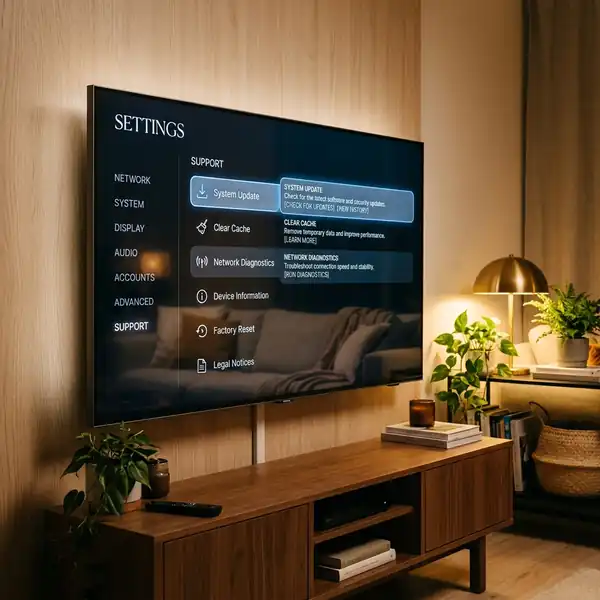
How to secure a residential IP address endpoint in the US, Europe, or other regions
Securing a residential IP address endpoint involves selecting a reputable VPN provider that offers dedicated residential IPs. Follow these steps to secure your connection:
Step 1: Choose a Reputable VPN Provider
Look for a VPN that explicitly states it offers dedicated residential IPs. Providers such as NordVPN, Surfshark, and PureVPN are known for their premium services. Always verify their privacy policies and user reviews to ensure reliability and security.
Step 2: Sign Up for the Service
Once you have selected a provider, navigate to their website and sign up for a plan that includes dedicated residential IP as an add-on. Most providers offer various subscription tiers, so choose one that meets your needs.
Step 3: Select Your Desired Location
During the signup process, you will typically be prompted to choose the geographical location of your dedicated residential IP. This can be in the US, Europe, or other regions, depending on the provider’s offerings. Select an endpoint that best suits your requirements, such as accessing specific region-locked content.
Step 4: Download the VPN Client
After completing your registration, download the VPN client compatible with your operating system. Most providers support Windows, macOS, Linux, and mobile devices (iOS and Android).
Step 5: Install and Configure the VPN Client
Install the client by following the on-screen instructions. Once installed, open the application and log in using the credentials created during the signup process. Navigate to the settings or configuration options to ensure that you have selected the dedicated residential IP option.
Step 6: Connect to the Residential IP Address
In the VPN client, select the dedicated residential IP address you obtained. Click on the connect button to establish a secure connection. Ensure that the connection is active before proceeding with any web activities.
Step 7: Verify Your IP Address
To confirm that you are using the dedicated residential IP, visit a site such as whatismyipaddress.com or ipinfo.io. These websites display your current IP address and associated location. Ensure that the IP address matches the residential IP provided by your VPN.
Top premium VPN and proxy services offering static residential IP add-ons
When choosing a service for a dedicated residential IP address, it’s essential to select a reputable provider that guarantees privacy and security. Below are some of the top premium VPN and proxy services that offer static residential IP add-ons:
- NordVPN: Known for its robust security features, NordVPN offers dedicated IP addresses in multiple locations. Their user-friendly interface and strong encryption make it a popular choice among users.
- Surfshark: Surfshark provides dedicated residential IP addresses as part of their service, with an emphasis on security and ease of use. Their multi-hop feature adds an extra layer of privacy.
- PureVPN: PureVPN offers dedicated residential IPs with a focus on online security. They have a large server network and provide high-speed connections for uninterrupted streaming and browsing.
- Smartproxy: Primarily a proxy service, Smartproxy specializes in residential IPs and offers a vast pool of IPs from various locations. This is ideal for users who require extensive IP rotation.
- Bright Data (formerly Luminati): Bright Data is a leading provider of residential IP addresses, offering a wide range of IPs with excellent geographic coverage and reliability. It is particularly favored by businesses for web scraping.

Step-by-step connection guide and validating your residential ISP geolocation
Once you have secured a dedicated residential IP address, it’s essential to validate your ISP geolocation to ensure that you can access region-specific content. Here’s how to do that:
Step 1: Connect to the VPN
As outlined previously, connect to your dedicated residential IP address using your chosen VPN client. Ensure that the connection is stable and active.
Step 2: Use Geolocation Testing Tools
To validate your residential ISP geolocation, utilize geolocation testing tools like iplocation.net or geoiptool.com. These sites can provide details about your IP address, including the country, city, and ISP associated with it.
Step 3: Check for IP Leaks
It’s crucial to ensure that your real IP address is not exposed while using the VPN. To check for IP leaks, visit ipleak.net or dnsleaktest.com. These tools will help verify that your connection is secure and that no leaks are present.
Step 4: Test Access to Region-Locked Content
To confirm that your dedicated residential IP is functioning as intended, attempt to access content that is restricted to the geographical area of your residential IP. This could include streaming platforms, e-commerce websites, or other region-specific services. If successful, your setup is complete.
Step 5: Continuous Monitoring
Regularly monitor your connection to ensure that your dedicated residential IP remains active and valid. This includes checking for any service updates from your VPN provider and staying informed about any changes in regional access policies.
Conclusion
A dedicated residential IP address adds a layer of legitimacy and security to your online activities, enabling effective access to geo-restricted content while minimizing the risk of being blacklisted. By following the steps outlined in this guide, you’ll be well-equipped to secure and utilize a dedicated residential IP through a reputable VPN service. Remember to stay informed about your provider’s offerings and continuously monitor your connection to ensure a safe and seamless online experience.
Understanding Routing Protocols for Dedicated Residential IP VPNs
When configuring a dedicated residential IP VPN, it is essential to understand the underlying routing protocols that enable reliable and secure communication across networks. The two primary routing protocols you will frequently encounter are Open Shortest Path First (OSPF) and Border Gateway Protocol (BGP). Each of these protocols plays a critical role in defining how data packets travel across multiple networks and ensuring that the best paths are used for data transmission.
OSPF is an interior gateway protocol that uses a link-state routing algorithm to maintain a map of the network topology. This protocol is particularly useful in environments where rapid convergence is necessary, as it allows for quick adaptation to changes in the network. When configuring OSPF for your dedicated VPN, you will typically set OSPF areas to optimize routing efficiency. For instance, defining a backbone area (Area 0) is crucial as it connects all other areas and facilitates inter-area traffic. Furthermore, you must configure OSPF timers, such as Hello and Dead intervals, to ensure proper neighbor relationship establishment and maintenance.
On the other hand, BGP is an exterior gateway protocol that is widely used to exchange routing information between different autonomous systems (AS). For a dedicated residential IP VPN, BGP can be beneficial in managing traffic between your residential IP addresses and the broader internet. One important aspect of BGP configuration is the establishment of BGP peering sessions. You will need to define the BGP neighbor relationships, including the IP addresses of your peers and the AS numbers associated with them. Additionally, implementing BGP attributes like AS_PATH, NEXT_HOP, and LOCAL_PREF helps influence routing decisions and optimize traffic paths.
Moreover, network ports are a critical consideration in the configuration of a dedicated residential IP VPN. Commonly used ports include TCP 443 for secure HTTPS traffic, UDP 1194 for OpenVPN, and TCP 22 for SSH access. It is vital to ensure that these ports are open and properly forwarded on your router or firewall to allow seamless VPN connectivity. In certain scenarios, you might also need to configure port forwarding rules to direct traffic to specific devices within your network.
To enhance security within your VPN, employing encryption protocols such as AES-256 is recommended. This encryption standard is widely regarded for its robustness and is supported by many VPN implementations. Additionally, configuring IPsec (Internet Protocol Security) can further secure the communication between your dedicated residential IP and the VPN server. IPsec operates at the network layer and can be configured to provide both transport and tunnel modes, with the tunnel mode being particularly useful for VPNs as it encapsulates the entire packet, providing an extra layer of security.
Implementing Security Measures for Dedicated Residential IP VPNs
Security is paramount when establishing a dedicated residential IP VPN. A multi-layered security approach is essential to protect both your data and your network from potential threats. This involves configuring firewalls, using strong authentication methods, and implementing strict access controls.
Firstly, configuring a robust firewall is crucial for safeguarding your VPN. Firewalls can be both hardware-based and software-based, and they should be configured to filter incoming and outgoing traffic. You should ensure that only necessary ports are open and that the firewall rules are strict enough to block unauthorized access. For instance, you could set up rules that allow traffic only from specific IP addresses or ranges that require VPN access. Additionally, using a stateful firewall can enhance security, as it keeps track of the state of active connections and determines which packets to allow or block based on established connections.
Secondly, strong authentication methods must be implemented to verify the identities of users connecting to your VPN. Utilizing multi-factor authentication (MFA) significantly improves security by requiring users to provide additional verification apart from their passwords. This could involve the use of authentication apps like Google Authenticator or hardware tokens. Furthermore, adopting protocols such as RADIUS (Remote Authentication Dial-In User Service) or TACACS+ (Terminal Access Controller Access-Control System Plus) for centralized authentication can streamline user management while enhancing security.
Access control is another critical aspect of VPN security. It is recommended to implement role-based access control (RBAC), where permissions are assigned based on the user's role within the organization. This ensures that users only have access to the resources necessary for their role, minimizing the risk of unauthorized access. Additionally, creating user groups with defined permissions helps streamline access management. For instance, you can set different access levels for administrators, regular users, and guests, ensuring that sensitive data is only accessible to authorized personnel.
Furthermore, regularly updating your VPN software and devices is essential to protect against vulnerabilities. Keeping your systems patched with the latest security updates can help mitigate the risks associated with known vulnerabilities. Implementing intrusion detection and prevention systems (IDPS) can also be beneficial, as they monitor network traffic for suspicious activities and can take action to block potential threats in real time.
Lastly, utilizing logging and monitoring tools can provide insights into your VPN's activity, allowing you to detect anomalies and respond to incidents swiftly. Tools that aggregate logs from various devices can help identify patterns and potential security breaches, enabling proactive measures to be taken. Regularly reviewing logs and conducting security audits will further fortify your dedicated residential IP VPN against intrusions and ensure compliance with security policies.
Additional Resources and Recommended Links
For more networking and security guides, check out our step-by-step tutorials on static IP Android and hide IP on smart TV. For official hardware troubleshooting, visit the Official NordVPN Website.