How to Fake and Change Your Location on iPhone (iOS) with a VPN
To change your location on an iPhone using a VPN, install a VPN app and connect to a server in your desired region.
How iOS Determines Your Geographic Position (IP vs. GPS Tracking)
DomineTec Tip: Setting up a VPN protocol like IKEv2 or OpenVPN manually on iOS is highly reliable. Check out our guide on how to configure a VPN on iPhone manually.
iOS devices employ two primary methods to determine geographic location: IP address tracking and GPS tracking. Understanding the distinction between these methods is crucial for anyone looking to alter their virtual geography effectively.
IP address tracking relies on your internet connection. Each device connected to the internet is assigned a unique IP address, which can reveal your approximate location based on the geographic location of the servers that assigned the IP. While this method is less precise, it can still disclose your general area.
GPS tracking, on the other hand, utilizes satellite signals to provide precise location data. Your iPhone continuously communicates with GPS satellites to determine your exact geographic coordinates. This method is highly accurate, often down to just a few meters, and is used in applications that require precise location data, such as navigation apps and location-based services.
For those who wish to fake their location on iOS, understanding how these two systems operate allows users to employ VPNs effectively to mask their IP address while recognizing that GPS location may still reflect the real-world position unless additional measures are taken.
How a VPN Client Updates Your Virtual Location on Public Databases
| Method | Changes IP | Changes GPS Coordinates |
|---|---|---|
| VPN Only | Yes | No (IP only) |
| VPN + GPS Spoofing Tool | Yes | Yes |
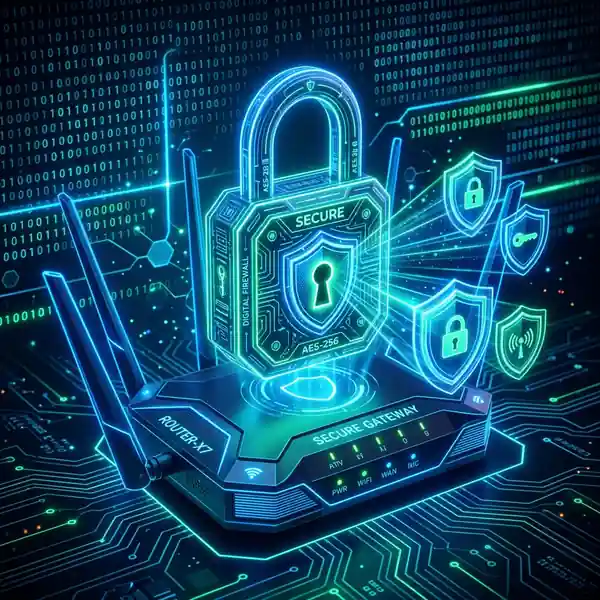
When you connect to a Virtual Private Network (VPN), your internet traffic is routed through a remote server, which masks your actual IP address with one from the VPN provider. This process effectively alters your virtual location as far as websites and online services are concerned.
VPN providers maintain a network of servers across various geographic locations, and when you connect to one of these servers, all your internet activity appears to originate from that server's IP address. Consequently, any website or service you access will recognize the location of the VPN server rather than your true location.
It's essential to realize that while the VPN masks your IP address, it does not directly manipulate the GPS data that iOS applications may use for location services. As such, additional steps might be necessary for applications that rely heavily on GPS coordinates, such as location-based games or certain social media platforms.

Step-by-Step: Installing and Setting Up a VPN on Your iPhone
To change your location on iPhone using a VPN, you need to follow these detailed steps for installation and configuration:
- Choose a VPN Provider: Select a reputable VPN service that meets your needs. Look for features like strong encryption, a no-logs policy, and a wide range of server locations. Recommended providers include ExpressVPN, NordVPN, and Surfshark.
- Download the VPN App: Visit the App Store on your iPhone, search for your chosen VPN service, and download the application.
- Install the App: Open the app once the download is complete. Follow the on-screen instructions to complete the installation.
- Create an Account: Sign up for the service by providing your email address and selecting a subscription plan. Most premium services offer monthly, yearly, or multi-year subscriptions.
- Log In: Enter your credentials to log into the app.
- Configure Settings: Navigate to the settings menu within the app. Ensure that you enable features such as the kill switch (which protects your data if the VPN connection drops) and DNS leak protection.
- Select a Server: Browse the list of available servers and select the one located in the region you wish to appear in. The closer the server is to your actual location, the faster your connection will be.
- Connect to the VPN: Tap the connect button. Once connected, the app will indicate that you are now using the VPN.
- Verify Your New IP Address: Use a service like WhatIsMyIP.com to confirm that your IP address reflects the location of the selected server.
Differences Between Free and Premium iOS VPN Configurations
While there are many free VPN services available, they often come with significant drawbacks compared to premium options. Understanding these differences is crucial when choosing a VPN for changing your location on iPhone.
- Speed and Performance: Free VPNs typically have limited bandwidth and may suffer from slower connection speeds due to overcrowded servers. Premium VPNs usually offer faster speeds and optimized servers for streaming and gaming.
- Security Features: Free VPNs often lack robust security protocols and may not encrypt your data effectively. Premium services provide advanced encryption methods, ensuring your data remains secure.
- Privacy Policies: Many free VPNs monetize their services by tracking user data and selling it to third parties. Premium VPNs generally have no-logs policies that protect your privacy.
- Server Locations: Free versions usually offer a limited selection of server locations, restricting your options for faking your location. Premium services provide a vast array of servers across multiple countries.
- Customer Support: Premium VPNs typically offer 24/7 customer support via live chat and email. Free services often lack adequate support, which can lead to frustration when you encounter issues.

Advanced Methods to Bypass GPS Coordinate Checks on Specific Apps
While using a VPN can effectively change your IP address and allow access to region-restricted content, certain apps may use GPS coordinates that are not affected by the VPN. Here are some advanced methods to bypass GPS coordinate checks:
- Location Spoofing Apps: Using apps like iTools or Tenorshare iAnyGo allows you to simulate GPS movement. These apps enable you to set a fake location on your iPhone that appears to be your current position. Note that these methods may require your device to be connected to a computer.
- Jailbreaking Your Device: Jailbreaking can provide access to more advanced location spoofing tools, but it comes with risks, including voiding your warranty and exposing your device to security vulnerabilities. If you choose this route, use caution and research thoroughly.
- Changing Location Settings: Some apps allow you to manually set a location within the app settings. Explore the settings of the specific app to see if this option is available. While not universal, some applications may permit users to enter a desired location directly.
- Using Developer Options: If you are a developer or have access to developer tools, you can simulate locations for testing purposes. This method is more technical and is typically used for app development.
By understanding the differences between IP address masking and GPS tracking, and employing VPNs correctly, users can effectively change their location on their iPhones. While a VPN provides significant advantages in terms of privacy and access to region-locked content, additional measures may be necessary for applications that rely heavily on GPS data. Always prioritize your online security and privacy when using VPN services and location-altering tools.
Understanding VPN Protocols and Their Impact on Location Spoofing
When utilizing a VPN to change your location on an iPhone, it is crucial to understand the various VPN protocols available and how they influence both security and performance. The most common protocols include OpenVPN, L2TP/IPSec, PPTP, and IKEv2. Each protocol has its strengths and weaknesses, depending on your specific needs.
OpenVPN is widely regarded for its robust security and flexibility. It uses SSL/TLS for key exchange and operates on both TCP and UDP ports, typically using port 1194 for UDP and port 443 for TCP. This versatility allows OpenVPN to bypass most firewalls, making it an excellent choice for users looking to change their virtual location without being detected.
L2TP/IPSec, while slightly less secure than OpenVPN, combines the Layer 2 Tunneling Protocol with IPsec for encryption. It operates on UDP port 500, making it relatively easy to set up. However, L2TP/IPSec can be blocked by certain firewall configurations due to its reliance on multiple ports. This can limit its effectiveness in restrictive network environments.
PPTP, an older protocol, offers faster speeds but at the cost of weaker security. It primarily operates on TCP port 1723 and is often blocked by modern firewalls due to its vulnerabilities. While not recommended for sensitive activities, PPTP can be useful for simple tasks where speed is prioritized over security.
IKEv2 is another strong option, particularly for mobile devices like the iPhone. It is known for its stability and speed, utilizing UDP port 500 for key exchange and UDP port 4500 for NAT traversal. This makes IKEv2 a great choice for users who frequently switch between Wi-Fi and cellular data, as it can quickly re-establish a connection.
In summary, the choice of VPN protocol will significantly affect your overall experience when changing your location on an iPhone. It impacts not only the level of security but also how effectively you can navigate around restrictions imposed by geography or network policies. Always consider the trade-offs between speed, security, and compatibility when selecting a VPN protocol for your needs.
Configuring Your VPN for Optimal Performance on iPhone
Configuring a VPN for optimal performance on your iPhone involves several steps that require attention to detail. Once you have chosen an appropriate VPN provider and installed the corresponding application, you must consider several settings to enhance your experience.
First, ensure that you enable the kill switch feature if available. This feature automatically blocks all internet traffic if the VPN connection drops unexpectedly, preventing your real IP address from being exposed. This is crucial for maintaining privacy when using a VPN.
Next, check the DNS leak protection settings. DNS leaks can occur when your device sends DNS requests outside the VPN tunnel, potentially exposing your browsing activity. Make sure that the VPN app you are using has DNS leak protection enabled to ensure all your DNS requests are routed through the VPN.
Your choice of server location also plays a vital role in performance. Selecting a server that is geographically closer to your physical location can minimize latency and improve speeds. Most VPN applications provide a list of servers along with their current load or ping times, allowing you to make an informed decision on which server to connect to.
Additionally, consider adjusting the network protocol settings within your VPN app. Some applications offer options to switch between TCP and UDP protocols. Generally, UDP is faster and more suitable for streaming, while TCP provides a more stable connection. Depending on your needs—whether you are streaming media or browsing the web—you can toggle between these protocols for optimal performance.
Lastly, it’s advisable to regularly check for application updates. VPN providers frequently update their apps to patch security vulnerabilities and improve performance. Keeping your VPN application updated ensures that you are protected against the latest threats and can take advantage of improved features.
Advanced Security Considerations When Using a VPN on iPhone
While using a VPN significantly enhances your online privacy and security, it is essential to understand the advanced security considerations that come with its use, especially on devices like the iPhone. One of the primary concerns is the choice of encryption standards employed by the VPN service.
The strongest encryption available today is AES-256 (Advanced Encryption Standard with a 256-bit key), which is considered virtually unbreakable. When selecting a VPN service, ensure that it supports AES-256 encryption to provide a high level of security for your data as it travels through the VPN tunnel.
Another vital aspect of security is the implementation of Perfect Forward Secrecy (PFS). PFS ensures that session keys are not compromised even if the server's private key is exposed in the future. This means that each session generates unique encryption keys, making it nearly impossible for attackers to decrypt past communications even if they manage to capture the data.
It is also important to consider the logging policy of your chosen VPN provider. A strict no-logs policy means that the VPN service does not store any records of your online activities, which is crucial for maintaining your privacy. Before subscribing to a VPN service, thoroughly review their privacy policy and user agreements to ensure they do not log your browsing history or connection metadata.
In addition to these technical considerations, be aware of potential vulnerabilities inherent in using public Wi-Fi networks. Even with a VPN, public networks can expose you to man-in-the-middle attacks, where an attacker intercepts your data. Using a VPN helps protect against this, but it is wise to avoid accessing sensitive information or conducting financial transactions over unsecured networks.
Lastly, consider using additional security measures such as two-factor authentication (2FA) for your VPN account. This adds an extra layer of security, requiring both your password and a secondary verification method to access your VPN service. Implementing 2FA can significantly reduce the risk of unauthorized access to your VPN account.
Additional Resources and Recommended Links
For more networking and security guides, check out our step-by-step tutorials on configure a VPN on iPhone manually and fake GPS location on your phone. For official hardware troubleshooting, visit the Official Apple Support - Location Services Guide.