How to Setup and Activate Avast Secureline VPN on Your Device
Learn how to download, setup, and activate Avast Secureline VPN on your Windows PC and mobile devices with our complete configuration guide.
What is Avast Secureline VPN and its Core Privacy Benefits?
DomineTec Tip: Avast Secureline features its proprietary lightweight protocol called Mimic. If you face issues on mobile, read how to use a VPN on phone for mobile banking security.
Avast Secureline VPN is a robust virtual private network (VPN) service developed by Avast, a leader in cybersecurity solutions. This VPN provides users with a secure and encrypted internet connection, ensuring privacy and anonymity while browsing online. The core benefits of using Avast Secureline VPN include:
- Enhanced Privacy: By masking your IP address and encrypting your internet traffic, Avast Secureline VPN protects your online activities from prying eyes, including ISPs, hackers, and government surveillance.
- Bypass Geo-restrictions: This VPN allows you to access content that may be restricted in your region, enabling you to stream shows, movies, and other media seamlessly.
- Secure Public Wi-Fi Connections: Avast Secureline VPN secures your connection when using public Wi-Fi networks, preventing potential data breaches and unauthorized access.
- Multiple Device Compatibility: The VPN service can be used on various devices, including Windows, macOS, Android, and iOS platforms.

Step-by-Step: Downloading, Installing, and Inputting Your Subscription License Keys on Windows
| Activation Phase | Avast Client Dashboard Location | Required Step |
|---|---|---|
| 1. Insert License | Menu > Enter Activation Code | Paste your purchased activation key from email |
| 2. Turn on Kill Switch | Preferences > Network Security | Enable automatic traffic blocking on connection drops |
To get started with Avast Secureline VPN on your Windows PC, follow these detailed steps:
Step 1: Downloading Avast Secureline VPN
1. Open your web browser and navigate to the official Avast website.
2. Click on the "VPN" section or search for "Avast Secureline VPN" in the search bar.
3. Locate the download button and click on it to download the installer file.
4. Once the download completes, navigate to your Downloads folder and find the installer file, typically named "avastsecurelinevpn_setup.exe."
Step 2: Installing Avast Secureline VPN
1. Double-click on the downloaded installer file to run it.
2. A User Account Control prompt may appear; click "Yes" to allow the installation.
3. Follow the on-screen instructions in the installation wizard. You can typically select the default options unless you require specific configurations.
4. Once the installation is complete, the VPN client will launch automatically. If not, you can find it in your Start menu or desktop shortcut.
Step 3: Inputting Your Subscription License Keys
1. Upon launching Avast Secureline VPN, you may be prompted to enter your activation code. If you have not yet purchased a subscription, you can select a trial option to explore the VPN's features.
2. To enter your activation code, click on the "Menu" icon in the upper left corner of the window.
3. Select "Subscription" from the drop-down menu.
4. Here, you will see an option labeled "Enter activation code." Click it, and a new dialog box will appear.
5. Carefully enter your activation code exactly as it appears in your purchase confirmation email or account page.
6. Click "Activate" to complete the process. The software will verify the code, and upon success, your subscription will be activated.

How to Activate and Share Your Avast Secureline Subscription on Android and iOS Phones
Activating and sharing your Avast Secureline VPN subscription on mobile devices is straightforward. Follow these steps for Android and iOS:
Step 1: Downloading the Avast Secureline VPN App
For Android:
- Open the Google Play Store on your device.
- Search for “Avast Secureline VPN” in the search bar.
- Tap on “Install” to download the application.
For iOS:
- Open the App Store on your device.
- Search for “Avast Secureline VPN” in the search bar.
- Tap on “Get” to download the application.
Step 2: Activating Your Subscription on Mobile
1. Open the Avast Secureline VPN app once the installation is complete.
2. If prompted to log in, use the same account credentials associated with your subscription. If you have not created an account, you can do so directly within the app.
3. After logging in, navigate to the menu bar and select "Subscription." Here, you will find the option to enter your activation code.
4. Enter the activation code and tap "Activate." This will link your mobile VPN app with your existing subscription.
Step 3: Sharing Your Subscription
To share your subscription across multiple devices:
- Ensure that you are logged into your Avast account on the primary device where your subscription is active.
- On the secondary device, download the Avast Secureline VPN app and log in with your Avast account credentials.
- Your subscription will automatically be recognized, and the VPN will be activated on the new device. Repeat this process for any additional devices.
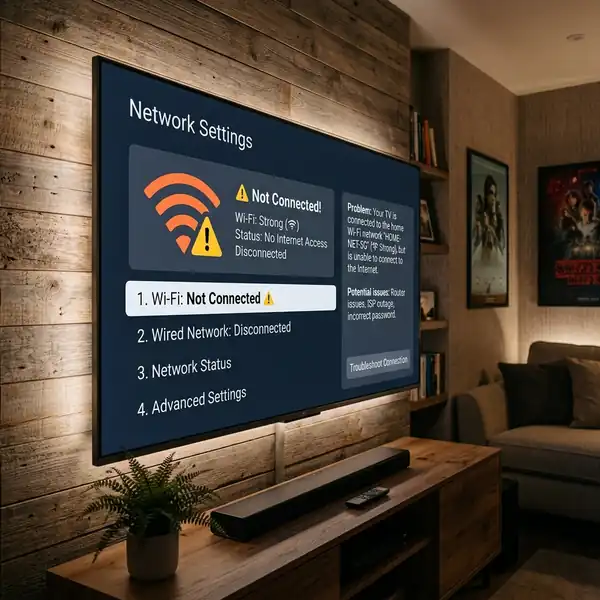
Advanced Settings: Configuring Avast Mimic Protocol, Kill Switch, and Startup Options
Avast Secureline VPN provides advanced configuration options that enhance your VPN experience. Here’s how to access and configure these settings:
Step 1: Configuring the Mimic Protocol
The Mimic protocol is designed to optimize connection speeds and stability. To configure it:
- Open the Avast Secureline VPN application on your device.
- Click on the "Menu" icon and select "Settings."
- Navigate to the "VPN" tab and look for the "Mimic Protocol" option.
- Select your preferred protocol (typically, the default setting is suitable for most users). However, you can switch to a different protocol if you experience connectivity issues or require additional anonymity.
Step 2: Setting Up the Kill Switch
The Kill Switch feature is crucial for maintaining your privacy. It automatically disconnects your internet if the VPN connection drops, preventing data leaks. To enable it:
- In the same "Settings" menu, navigate to the "Security" tab.
- Find the "Kill Switch" toggle and switch it to the “On” position.
- Make sure to read any prompts carefully, as enabling this feature may affect your internet connectivity when the VPN is not running.
Step 3: Configuring Startup Options
Avast Secureline VPN allows you to set preferences for starting up with your operating system:
- Still within the "Settings" menu, navigate to the "General" tab.
- Look for an option that says "Launch at startup" and enable it if you want the VPN to start automatically when you boot your device.
- Additionally, you can choose to connect to the VPN automatically on startup for enhanced security.

Troubleshooting Common Client Blocks and Connectivity Errors on PC Software
Occasionally, users may experience connectivity issues or client blocks when using Avast Secureline VPN. Here are some common troubleshooting steps:
Step 1: Check Your Internet Connection
Before troubleshooting the VPN itself, ensure you have a stable internet connection. Disconnect from your Wi-Fi and reconnect or restart your router if necessary.
Step 2: Disable Conflicting Software
Some antivirus or firewall software may conflict with Avast Secureline VPN:
- Temporarily disable any third-party antivirus or firewall software.
- Check if Avast Secureline VPN connects successfully. If it does, you may need to adjust the settings of the conflicting software to allow the VPN to function properly.
Step 3: Change Server Locations
If you are unable to connect, try changing the server location:
- Open the Avast Secureline VPN application.
- Select a different server from the server list. Opt for nearby locations for better speed and reliability.
Step 4: Update the VPN Client
Ensure that you have the latest version of Avast Secureline VPN, as outdated software may contain bugs or compatibility issues:
- Click on the "Menu" icon and select "Settings."
- Navigate to the "About" tab and check for updates. If an update is available, follow the prompts to install it.
Step 5: Reinstall the Software
If all else fails, a clean reinstall of Avast Secureline VPN may be necessary:
- Uninstall the current version from your computer via the "Control Panel."
- Download the latest version from the official Avast website and install it again.
Conclusion
Activating and configuring Avast Secureline VPN is a straightforward process that enhances your online privacy and security. By following the steps outlined in this guide, you can ensure that your VPN is properly set up on various devices, utilize advanced features for optimal performance, and troubleshoot any connectivity issues efficiently. With its robust encryption and user-friendly interface, Avast Secureline VPN stands out as a reliable choice for anyone looking to protect their online presence.
Understanding VPN Protocols Used by Avast SecureLine VPN
Avast SecureLine VPN employs multiple protocols to ensure secure and efficient data transmission. The choice of protocol impacts connection speed, security level, and compatibility with different devices. The primary protocols used by Avast are OpenVPN, IKEv2, and L2TP/IPsec.
OpenVPN is widely regarded as one of the most secure VPN protocols available. It uses OpenSSL for encryption and supports both TCP (Transmission Control Protocol) and UDP (User Datagram Protocol) for data transport. When configured to use UDP, OpenVPN can provide faster speeds, making it ideal for streaming, while TCP offers a more reliable connection, ensuring that no packets are lost during transmission. Users looking to manually configure their connection for optimal performance may consider switching between these two modes depending on their use case.
IKEv2 (Internet Key Exchange version 2) is another protocol used by SecureLine. It is particularly favored for mobile devices due to its ability to maintain connections when users switch between networks, such as moving from Wi-Fi to cellular data. IKEv2 is known for its speed and stability, and it utilizes strong encryption methods including AES (Advanced Encryption Standard) with a 256-bit key size, making it robust against potential attacks. To optimize routing policies, users may need to ensure that their network configuration allows for IKEv2 traffic, which typically operates over UDP port 500 and 4500.
L2TP/IPsec (Layer 2 Tunneling Protocol with Internet Protocol Security) is another option, often used as a fallback when OpenVPN is not available. While L2TP itself does not provide encryption, when combined with IPsec, it delivers encrypted connections. This protocol typically uses UDP ports 500 and 4500 for secure key exchange and data transfer. However, users should be aware that L2TP/IPsec can be slower than OpenVPN, and thus, it is less commonly recommended for high-bandwidth activities. Proper configuration of firewall settings is essential to ensure these ports are open for effective operation of the L2TP/IPsec protocol.
In summary, choosing the right protocol is crucial for maximizing both security and performance when using Avast SecureLine VPN. Users are encouraged to experiment with these protocols based on their specific needs, while also considering the potential need to adjust network configurations to accommodate the selected protocol.
Configuring Avast SecureLine VPN Network Settings for Optimal Performance
Proper configuration of network settings is essential for achieving optimal performance with Avast SecureLine VPN. This includes adjusting settings related to DNS, routing policies, and network ports to enhance both speed and security.
Firstly, DNS (Domain Name System) settings play a pivotal role in determining how quickly and securely requests for websites are resolved. By default, Avast SecureLine uses its own DNS servers to prevent DNS leaks, which could potentially expose user activity. Users can manually configure their device to use trusted DNS services such as Google DNS (8.8.8.8 and 8.8.4.4) or Cloudflare (1.1.1.1). This can be done at the router level or on individual devices, depending on the user’s preference. To prevent DNS leaks, users should ensure that their network configuration does not allow external DNS queries.
Next, understanding the routing policies is crucial for ensuring that traffic is correctly directed through the VPN tunnel. Avast SecureLine VPN supports split tunneling, which allows users to decide which applications or websites will use the VPN connection and which will access the internet directly. This feature can significantly improve performance for applications that do not require secure connections, as it reduces the load on the VPN server. Users can configure split tunneling in the application settings, typically under the ‘Network’ or ‘Advanced’ tabs.
Additionally, proper management of network ports is vital for maintaining a stable connection. As mentioned earlier, OpenVPN primarily utilizes UDP ports 1194, while IKEv2 and L2TP/IPsec use UDP ports 500 and 4500. Users should ensure that these ports are open in their firewall settings to allow proper communication. In environments with strict firewall configurations, it may be necessary to request that the IT department whitelist these ports to avoid connectivity issues.
Moreover, users should consider enabling the "Automatic Kill Switch" feature provided by Avast SecureLine VPN. This security feature automatically disconnects the internet if the VPN connection drops unexpectedly, thereby preventing unprotected data transmission. This feature can be configured in the application's settings and is highly recommended for anyone dealing with sensitive information.
Lastly, regular updates to the Avast SecureLine VPN client are essential for maintaining optimal performance and security. Users should enable automatic updates to ensure that they receive the latest features and security patches as they become available. Regularly checking the application for updates can help mitigate vulnerabilities that may arise due to outdated software.
In conclusion, by carefully configuring DNS settings, understanding routing policies, managing network ports, and utilizing security features like the Kill Switch, users can significantly enhance their experience with Avast SecureLine VPN. A proactive approach to these technical settings not only improves performance but also strengthens the overall security of the VPN connection.
Additional Resources and Recommended Links
For more networking and security guides, check out our step-by-step tutorials on how to use VPN on phone and best budget paid VPN comparison. For official hardware troubleshooting, visit the Avast Official Global Support Portal.