How Does Net Metering Work for Home Solar Energy Systems?

Understanding Net Metering
Net metering is a billing mechanism that enables homeowners with solar energy systems to offset their electricity costs. By allowing excess energy produced by solar panels to be sent back to the utility grid, net metering provides a financial benefit to solar energy users.
How Net Metering Works
When a solar energy system generates more electricity than a home consumes, the surplus energy is exported to the grid. This energy is credited to the homeowner’s account, often at the same rate that the utility company charges for electricity.
Essentially, the electric meter runs backward when energy flows back to the grid, which results in lower utility bills. This process allows homeowners to utilize their solar energy for their own needs while also contributing to the broader energy supply.

Benefits of Net Metering
Net metering provides financial savings for homeowners, especially in regions with high electricity rates. It can significantly reduce monthly utility bills, making solar energy systems more cost-effective over time.
Additionally, net metering encourages the adoption of renewable energy sources. By making solar installations more appealing, the demand for clean energy solutions increases, contributing to environmental sustainability.
Potential Limitations and Considerations
While net metering offers numerous advantages, there are potential limitations that should be considered. Some utility companies impose caps on the amount of energy eligible for net metering, which may restrict benefits for larger solar systems.
Furthermore, the policies governing net metering can vary significantly from one location to another. It is advisable to review local regulations to understand any specific restrictions or requirements.
DomineTec Tip: Always check with local utilities to understand net metering policies, as they can vary widely.
Comparative Analysis of Net Metering vs. Feed-in Tariffs
| Aspect | Net Metering | Feed-in Tariffs |
|---|---|---|
| Payment Structure | Credits for excess energy at retail rates | Fixed payments for every kilowatt-hour produced |
| Financial Incentives | Reduces monthly electricity bills | Guaranteed income from energy production |
| System Size Limitations | Varies by utility | Typically includes caps on size |
| Flexibility | More flexible for home energy use | Less flexible; focused on production only |
| Adoption Rate | High among residential users | Varies; often more common in commercial settings |
How to Get Started with Net Metering
To begin with net metering, the first step involves installing a solar energy system that meets local utility requirements. This usually includes obtaining the necessary permits and choosing the right type of solar panels and inverters, such as the string vs microinverter option.
Once the system is operational, homeowners must contact their utility company to enroll in the net metering program. This ensures the meter is set to accurately track energy generation and consumption.
To expand on this subject, it is highly useful to also explore how to best solar panel brands in detail.
Frequently Asked Questions
What is the typical net metering rate?
The net metering rate can vary but is often equal to the retail electricity rate charged by the utility company.
Can any solar energy system qualify for net metering?
Not all solar energy systems qualify; it is crucial to check with local utility regulations regarding system size and installation requirements.
How to monitor energy production from a solar system?
Energy production can be monitored through inverters equipped with monitoring systems or dedicated energy management apps.
What happens during cloudy or rainy days?
During cloudy or rainy days, solar energy production decreases, but net metering allows homeowners to draw electricity from the grid without extra charges for prior credits.
Are there tax incentives for installing solar systems?
Many regions offer tax incentives and rebates for solar system installations, which can enhance the overall savings and benefits of net metering (Market overview analysis).
Understanding Net Metering (Market overview analysis) Basics
Net metering is a billing arrangement that allows residential solar energy system owners to receive credit for excess electricity generated. This system enables the measurement of energy produced by solar panels against energy consumed from the grid.
When a home solar system generates more power than needed, the surplus electricity is fed back into the grid. The homeowner's meter runs backward, providing credit that can offset future electricity usage.
Net metering policies vary by state and utility company, affecting how credits are calculated and applied. Familiarity with local regulations is crucial for optimizing the benefits of a solar energy system.
The Role of Inverters in Net Metering
Inverters play a vital role in converting direct current (DC) electricity generated by solar panels into alternating current (AC) electricity used in homes. They also facilitate the metering process by monitoring energy production and consumption.
Choosing a high-quality inverter can enhance system efficiency, affecting the overall net metering benefits. Inverters should be compatible with local grid requirements to ensure seamless integration and compliance.
Regular maintenance checks on the inverter are essential to prevent performance issues. Troubleshooting inverter problems promptly can prevent losses in potential savings through net metering.
Installation Checklist for Home Solar Systems
Before installation, a comprehensive checklist is necessary to ensure a smooth process. Key factors include evaluating roof orientation, shading, and structural integrity to maximize solar energy capture.
Permitting and interconnection agreements with local utility companies must be secured prior to installation. This step ensures compliance with local regulations and allows for the proper setup of net metering.
Quality of equipment should not be overlooked; selecting certified solar panels, inverters, and mounting systems is crucial for long-term performance. An installation team with experience in net metering setups can significantly enhance system reliability.
Understanding Meter Types for Net Metering
Different types of meters are used in net metering, including bi-directional meters that can measure electricity flowing in both directions. These meters are essential for accurately tracking energy production and consumption.
Smart meters are increasingly popular due to their ability to provide real-time data on energy usage. Homeowners can monitor their solar energy generation and consumption patterns, allowing for more informed energy management.
Regular inspections of the metering equipment can prevent discrepancies in billing. Ensuring that the meter is functioning correctly is crucial to maximizing the benefits of net metering (Market overview analysis).
Common Troubleshooting Tips for Net Metering
There are several common issues that may arise with net metering setups, including inaccurate meter readings. If discrepancies are noticed, contacting the utility company for an inspection is recommended.
Another frequent problem is the inverter shutting down due to grid outages or faults. Monitoring system alerts can help identify issues early, allowing for timely maintenance or repairs.
Inconsistent billing can also be a concern; reviewing monthly statements against production data can uncover potential errors. Maintaining organized records of energy production and consumption supports effective troubleshooting.
Warranty Specifications for Solar Equipment
Most solar panels come with warranties that range from 25 to 30 years, covering performance and equipment defects. Understanding the warranty terms helps in assessing the long-term reliability of the investment.
Inverters typically have shorter warranties, often between 5 to 12 years, which should be taken into account during the installation process. Extended warranty options may be available and should be considered for added peace of mind.
Documentation of all warranty details and installation dates is critical for future claims. Keeping records organized can simplify the process should any issues arise with solar equipment.
Maximizing Financial Benefits of Net Metering (Market overview analysis)
To maximize financial benefits from net metering, optimizing solar panel orientation and tilt is essential. This ensures maximum sunlight exposure throughout the day, increasing energy production.
Monitoring energy consumption patterns can also lead to savings; using energy during peak production hours maximizes the benefits of generated electricity. Implementing energy-efficient practices further enhances savings.
Staying informed about changes in net metering policies and rates can help in adapting strategies to maintain financial benefits. Regularly reviewing utility bills and solar production reports is recommended to ensure optimal performance.
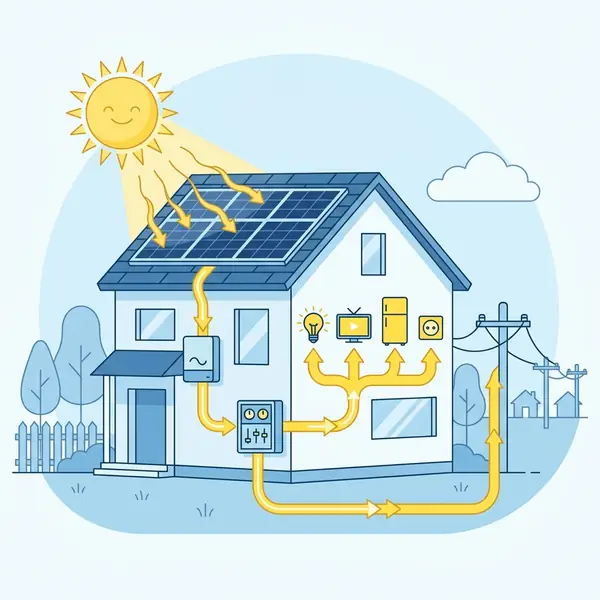
Understanding Net Metering (Market overview analysis)
Net metering is a billing arrangement that allows solar energy system owners to receive credit for the excess electricity they generate and feed back into the grid. This system is beneficial for both homeowners and utility companies, making solar energy more economically viable.
How Net Metering Works (Market overview analysis)
When a home solar energy system generates more electricity than is needed, the surplus energy is sent to the local power grid. In return, the homeowner receives credits on their electricity bill for this excess power.
Key Components of Net Metering
- Solar Panels: These panels capture sunlight and convert it into electricity, which can be used directly in the home or exported to the grid.
- Inverters: Inverters are essential for converting the direct current (DC) electricity generated by solar panels into alternating current (AC) electricity, which is used in homes.
- Net Meter: A special meter that tracks the amount of electricity consumed from the grid and the amount sent back to it from the solar system.
- Utility Company: The local utility provider plays a crucial role in net metering, as they are responsible for providing credits and managing the grid.
Benefits of Net Metering (Market overview analysis)
Net metering allows homeowners to lower their electricity bills significantly. It also promotes the use of renewable energy sources, reducing reliance on fossil fuels.
Calculating Net Metering Credits
Credits are typically calculated based on the amount of electricity generated by the solar system and the retail rate of electricity. Homeowners receive credits for every kilowatt-hour (kWh) of surplus energy produced.
Monthly Billing Cycle
At the end of each billing cycle, the utility company calculates the net energy usage. If a homeowner generated more energy than consumed, the difference is credited to the next month's bill.
Annual Settlements
Some utility companies conduct annual settlements where any unused credits can be cashed out or rolled over into the next year. This can provide added financial flexibility for solar system owners.
Eligibility for Net Metering
Eligibility for net metering can vary by state and utility provider. It is essential to check local regulations and policies to understand specific requirements.
System Size Limitations (Market overview analysis)
Many states impose restrictions on the maximum size of solar energy systems eligible for net metering. These limits are typically based on the energy consumption of the home.
Interconnection Process
Connecting a solar energy system to the grid involves an interconnection agreement with the utility company. This process includes inspections and ensuring compliance with safety standards.
Potential Challenges
- Policy Changes: Net metering policies can change, affecting the financial viability of solar investments.
- Grid Capacity: In some areas, grid capacity can limit the number of solar installations allowed.
- Credit Expiration: Some utilities may have expiration dates for net metering credits, which can affect savings.
Impact on Home Value
Installing a solar energy system and participating in net metering can increase a home's resale value. Potential buyers often view solar systems as a valuable asset.
Environmental Benefits
Net metering encourages the adoption of renewable energy, contributing to reduced greenhouse gas emissions. This shift helps combat climate change and promotes sustainability.
Community Solar Programs
In addition to individual systems, community solar programs allow multiple homeowners to share the benefits of a single solar installation. This expands access to solar energy for those unable to install systems on their own roofs.
Choosing a Solar Installer
Selecting a reputable solar installer is crucial for ensuring proper system design and installation. Researching reviews and credentials can aid in making an informed decision.
Financing Options
Various financing options are available for solar installations, including loans, leases, and power purchase agreements (PPAs). Each option has different implications for net metering participation.
Maintenance of Solar Systems
Regular maintenance is necessary to keep solar systems operating efficiently. Homeowners should clean panels and schedule periodic inspections to ensure optimal performance.
Future of Net Metering
The future of net metering will likely be influenced by advancements in technology and changes in regulatory policies. Ongoing advocacy for renewable energy can help shape favorable conditions for solar adoption.
Conclusion
Understanding how net metering works (Market overview analysis) is essential for homeowners considering solar energy systems. By leveraging this beneficial arrangement, homeowners can enjoy significant savings while contributing to a greener future.




