Best Solar Panel Brands for Home Use: Top Manufacturers Ranked
Understanding Solar Panel Efficiency and Performance
The best residential solar panel brands in 2026 include JinkoSolar, Longi, Canadian Solar, and Trina Solar for reliability and efficiency. Choosing and installing the right system ensures energy independence and long-term utility bill reductions.
The best residential solar panel brands in 2026 include JinkoSolar, Longi, Canadian Solar, and Trina Solar for reliability and efficiency. Choosing and installing the right system ensures energy independence and long-term utility bill reductions.
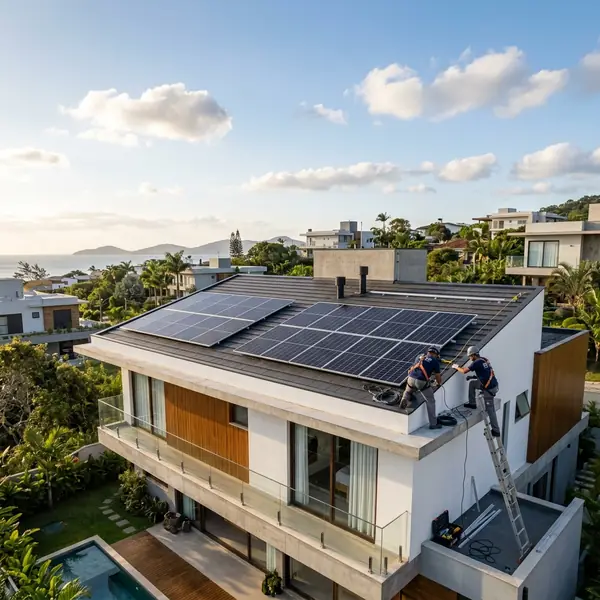
Solar panel efficiency directly impacts the amount of energy produced. Higher efficiency panels convert more sunlight into electricity, making them ideal for homes with limited roof space. In 2026, the average efficiency of residential solar panels is around 20%, with top-tier brands like SunPower reaching up to 22.8%.
Performance also includes temperature coefficient ratings, which indicate how well a panel performs in hotter conditions. Panels with a lower temperature coefficient will maintain efficiency better in high temperatures, key for many parts of the U.S.
In practical terms, if you live in an area with abundant sunlight, investing in high-efficiency panels can lead to significant long-term savings on your energy bills. For example, a 5 kW system with SunPower panels can produce approximately 8,500 kWh per year, depending on local weather conditions.
Cost Considerations for Solar Panel Installation
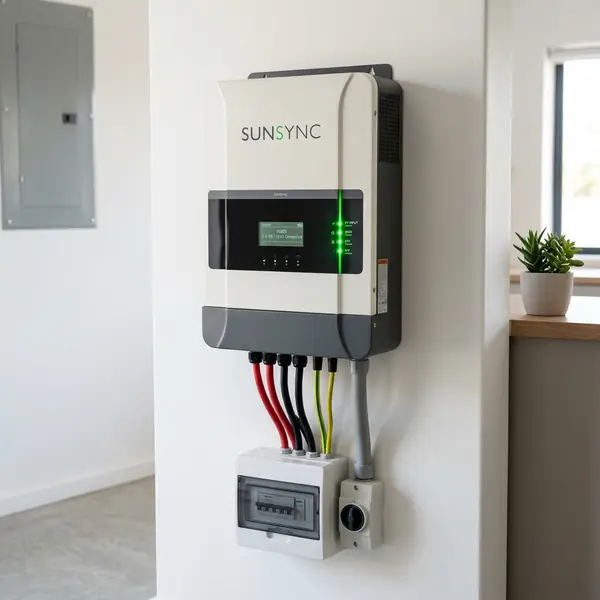
The average cost of solar panel installation in the U.S. is around $3.00 per watt as of 2026. This means that a typical residential system (5 kW) will cost about $15,000 before incentives.
However, the exact price can vary based on installation complexity, geographical location, and available incentives.
Homeowners can expect to see a payback period ranging from 5 to 10 years, depending on their electricity rates and local solar incentives. States like California and New York offer significant rebates and tax credits, making solar more affordable.
Additionally, financing options such as solar loans or leases can help mitigate upfront costs. Many homeowners choose to finance their systems, which can allow them to start saving on electricity bills immediately.
Real-Life Examples of Solar Panel Installations
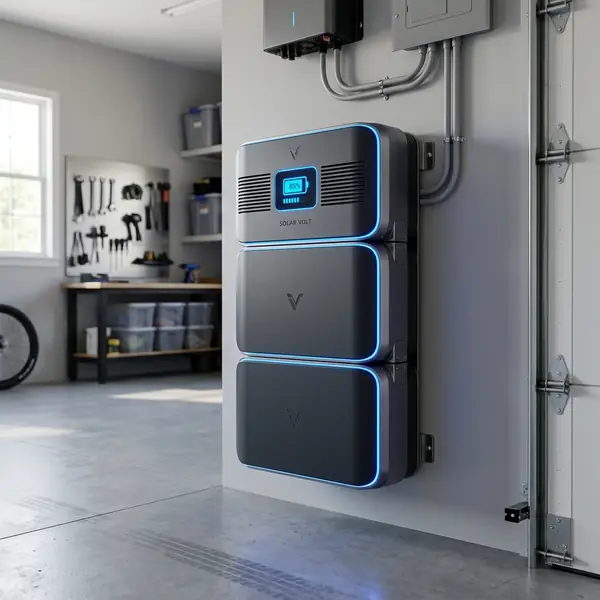
In 2026, many homeowners have successfully transitioned to solar energy, yielding impressive results. For instance, a family in Arizona installed a 6 kW system for $18,000, benefiting from state tax credits that reduced their total cost by 25%.
This family reports a monthly savings of $150 on energy bills, allowing them to recoup their investment within about 7 years. With a lifespan of 25 years for their solar panels, they anticipate over $20,000 in savings over their panels' lifetime.
Another example comes from a homeowner in New York who opted for a 4 kW system. Their total cost was $12,000, but with local incentives, they paid only $8,000 upfront. Their average savings on electricity bills is around $100 monthly, leading to a payback period of just over 6 years.
Environmental Impact of Solar Energy
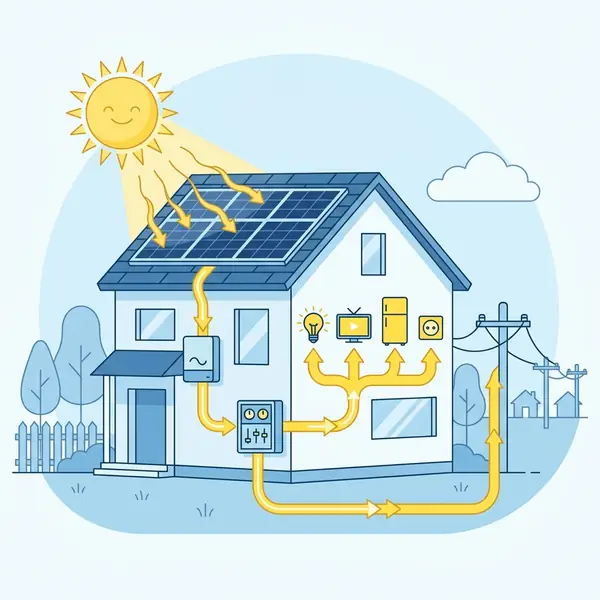
Switching to solar energy significantly reduces your carbon footprint. According to the National Renewable Energy Laboratory (NREL), a typical residential solar system can offset approximately 100 tons of carbon dioxide over its lifetime. This is equivalent to planting over 2,000 trees.
Moreover, solar energy contributes to reduced reliance on fossil fuels, promoting a cleaner environment. By investing in solar, homeowners are not only saving on energy costs but also contributing to a more sustainable future.
As more homeowners adopt solar energy, the cumulative effect can lead to substantial reductions in greenhouse gas emissions, highlighting the importance of solar technology in combating climate change.
Comparison Table of Solar Panel Brands

| Brand | Efficiency | Warranty | Average Price (per watt) | Estimated Payback Period |
|---|---|---|---|---|
| SunPower | 22.8% | 25 years | $3.00 | 5-7 years |
| LG Solar | 21.7% | 25 years | $2.90 | 5-8 years |
| Canadian Solar | 19.9% | 25 years | $2.40 | 6-9 years |
| Q CELLS | 20.3% | 25 years | $2.50 | 6-8 years |
| JA Solar | 19.5% | 12 years | $2.20 | 7-10 years |
Final Thoughts on Choosing Solar Panel Brands
Selecting the right solar panel brand involves careful consideration of efficiency, cost, warranty, and environmental impact. Each brand has its strengths, and understanding these can help you make the best choice for your home.
As solar technology continues to evolve, staying informed about the latest developments and market trends will help you maximize your investment. By going solar, you not only enhance your energy independence but also contribute to a more sustainable world.
Take the time to research and consult with professionals to ensure you make an informed decision that aligns with your energy needs and financial goals.
Emerging Solar Panel Technologies
The solar panel industry is constantly evolving, with new technologies aiming to enhance efficiency and affordability. One of the most promising advancements is the development of bifacial solar panels, which can capture sunlight from both sides. These panels can increase energy output by up to 30% compared to traditional monofacial panels.
Another exciting innovation is the integration of solar cells into building materials, known as Building-Integrated Photovoltaics (BIPV). This approach allows for aesthetic integration of solar technology into roofs and facades, making solar energy more accessible for homeowners who prioritize design.
Additionally, advances in thin-film technology offer lightweight and flexible solar panels, suitable for unconventional applications. These innovations are paving the way for more versatile solar solutions that can adapt to various environments.
Cost Comparison of Top Solar Panel Brands
Understanding the cost of solar panels is key when choosing the right manufacturer for your home. Below is a comparison table highlighting the average costs, efficiency ratings, and warranty periods of some of the leading solar panel brands.
| Brand | Average Cost (per watt) | Efficiency Rating | Warranty Period |
|---|---|---|---|
| SunPower | $3.00 | 22.8% | 25 years |
| LG Solar | $2.85 | 21.7% | 25 years |
| Canadian Solar | $2.50 | 20.4% | 25 years |
| JinkoSolar | $2.40 | 20.6% | 25 years |
| Trina Solar | $2.35 | 20.5% | 25 years |
Understanding Solar Incentives and Rebates
The financial landscape for solar energy is significantly influenced by various incentives and rebates available at the federal, state, and local levels. The Federal Investment Tax Credit (ITC) allows homeowners to deduct a substantial percentage of the cost of installing a solar energy system from their federal taxes. As of 2023, this percentage stands at 30% and is set to gradually decrease in the following years.
In addition to the ITC, many states offer their own incentives, including rebates, tax credits, and performance-based incentives. For example, California has a Solar Initiative that provides cash rebates based on the system size and energy output.
Local utility companies may also offer programs aimed at promoting solar installations, potentially providing additional savings. Homeowners should research these options to maximize their investment in solar technology.
Choosing the Right Solar Panel for Your Home
When selecting solar panels for your home, it's important to consider several factors beyond brand reputation. First, assess your energy needs and the available roof space. Larger systems may require more efficient panels to maximize output within a limited area.
Additionally, consider the environmental impact of the panels. Some manufacturers prioritize sustainable production methods and recyclable materials, which can align with eco-conscious choices.
Lastly, ensure that the chosen panels come with strong warranties and customer support. A good warranty not only protects your investment but also reflects the manufacturer's confidence in their product.
DomineTec Tip: Always request quotes from multiple solar providers to compare prices and services, ensuring you find the best deal for your solar investment.
Are solar panels worth the investment?
Yes, solar panels can significantly reduce electricity bills and increase home value, with payback periods typically ranging from 5 to 10 years depending on various factors.
How do I determine the right size solar system for my home?
To determine the right size, review your energy bills to understand your monthly usage, then consult with a solar provider for a tailored system design.
Do solar panels work in cloudy or rainy conditions?
Yes, solar panels can still generate electricity on cloudy or rainy days, although their efficiency may be reduced compared to sunny conditions.
Can I install solar panels myself?
While DIY installations are possible, it is generally recommended to hire a professional to ensure safety and compliance with local regulations.
Emerging Solar Panel Technologies
The solar energy sector is continuously evolving, with new technologies emerging that promise greater efficiency and affordability. Companies are now focusing on innovations such as bifacial solar panels, which capture sunlight from both sides, enhancing energy production. Additionally, the integration of solar panels with energy storage systems is becoming more common, allowing homeowners to maximize their energy independence.




