String Inverter vs. Microinverter: Which Is Best for Home Solar?
Understanding Solar Inverters
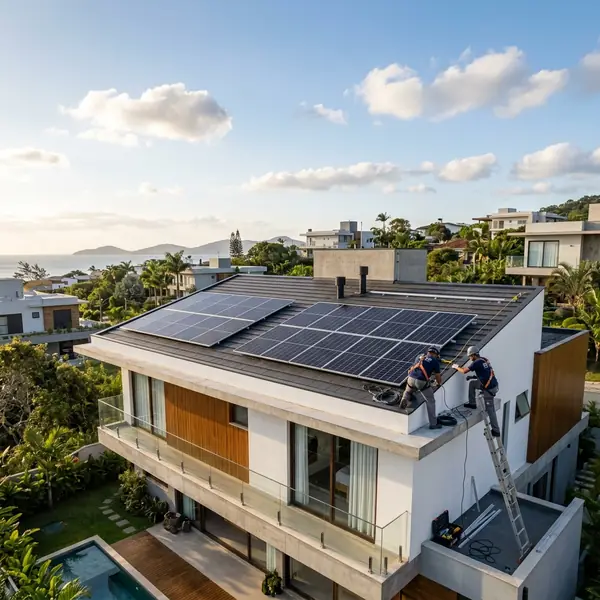
A string inverter manages multiple panels connected in series, while a microinverter installs individually behind each single solar panel. Choosing and installing the right system ensures energy independence and long-term utility bill reductions.
A string inverter manages multiple panels connected in series, while a microinverter installs individually behind each single solar panel. Choosing and installing the right system ensures energy independence and long-term utility bill reductions.
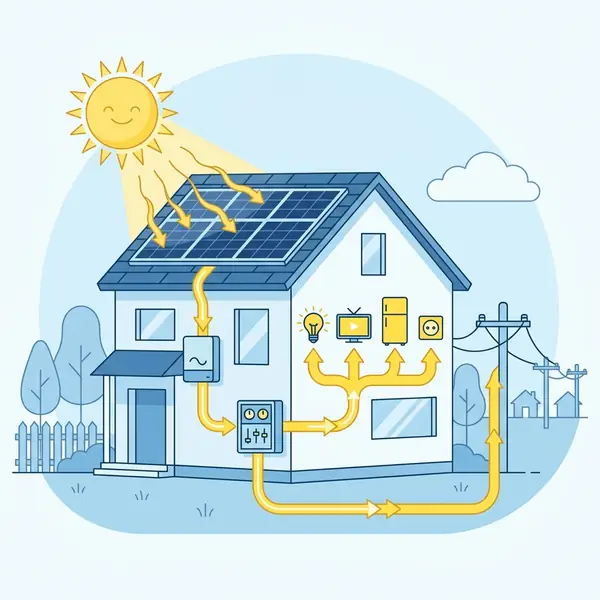
When considering solar energy for your home, one key component is the inverter. This device converts the direct current (DC) from solar panels into alternating current (AC) for household use. There are two primary types of inverters: string inverters and microinverters.
Each has its advantages and disadvantages.
Understanding the differences between string inverters and microinverters can significantly impact your solar energy system's performance and efficiency. This article will explore both options to help you decide which is best for your home.
What Are String Inverters?
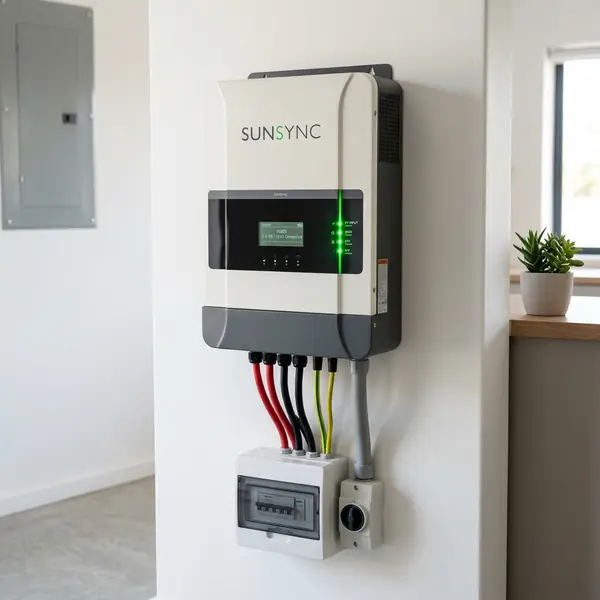
String inverters are the traditional choice for solar energy systems. They connect multiple solar panels (or a "string" of panels) to a single inverter. This setup is simpler and generally less expensive than using microinverters.
The average cost of a string inverter for a typical residential system ranges from $1,000 to $2,500, depending on the capacity and features. They usually have a lifespan of about 5 to 10 years, although many manufacturers offer warranties of up to 25 years.
Advantages of String Inverters
String inverters offer several advantages. They are less expensive upfront, making them an attractive option for many homeowners. Additionally, installation is typically straightforward and quicker than for microinverters.
Moreover, string inverters are easier to maintain. They have fewer components, which can lead to a lower likelihood of failure. This can be particularly beneficial for homeowners looking for a reliable system.
Disadvantages of String Inverters
However, string inverters have their downsides. If one panel experiences shading or damage, it can reduce the output of the entire string. This phenomenon is known as the "Christmas light effect." It can significantly impact overall system performance.
Moreover, string inverters do not allow for individual panel monitoring. Homeowners may find it challenging to identify issues with specific panels without additional monitoring equipment.
What Are Microinverters?
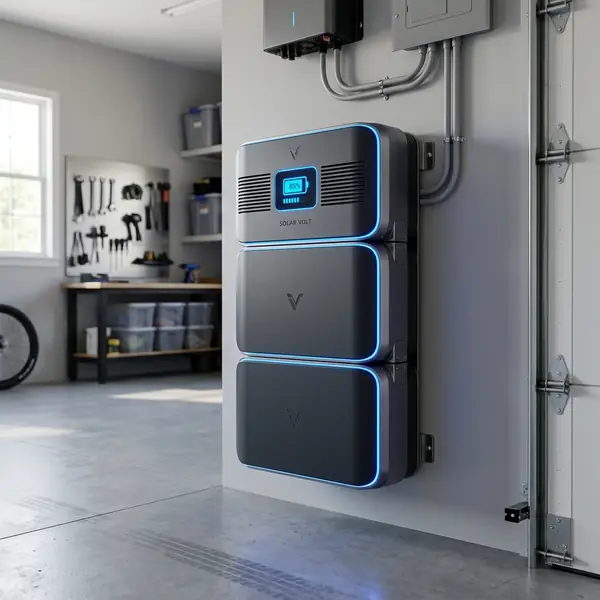
Microinverters are a newer technology that has gained popularity in the solar market. Unlike string inverters, each solar panel has its own microinverter. This allows for independent operation of each panel, maximizing efficiency.
The average cost of microinverters ranges from $1,500 to $3,000 for a residential system, depending on features and brand. They generally last longer, with warranties often extending up to 25 years.
Advantages of Microinverters
One of the key advantages of microinverters is their ability to optimize the performance of individual panels. This means that shading or panel issues have a minimal impact on overall system output. Homeowners can see real-time data on each panel's performance, allowing for proactive maintenance.
Microinverters are also more effective in systems with varying orientations or tilt angles. This flexibility can lead to higher overall energy production, making them an appealing choice for homes with unique roof configurations.
Disadvantages of Microinverters
Despite their advantages, microinverters come with a higher upfront cost. Installation can also be more complex, which may lead to increased labor costs. Additionally, while they have fewer components than string inverters, the potential for individual unit failure can be a concern.
Comparing Performance and Efficiency
When comparing string inverters and microinverters, efficiency is a critical consideration. Microinverters often outperform string inverters, especially in situations where shading, dirt, or debris can affect individual panels.
According to the National Renewable Energy Laboratory (NREL), microinverters can boost energy production by 10-20% in certain conditions compared to string inverters. This increased efficiency can lead to faster payback periods, typically around 5-7 years for microinverter systems.
Cost Analysis and Payback Periods
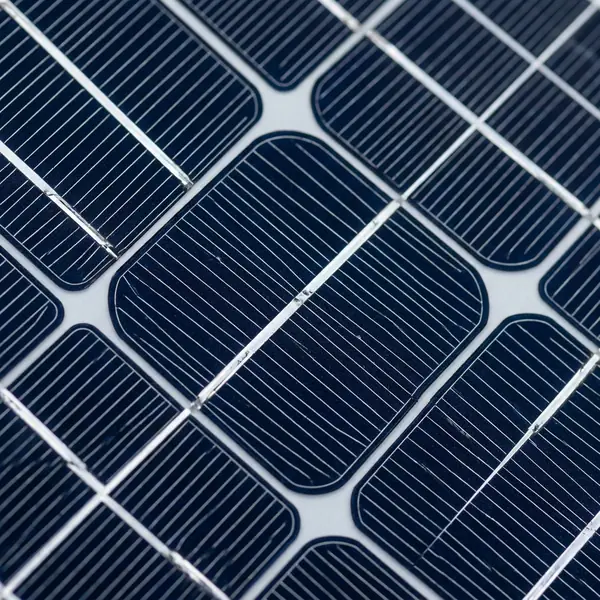
Cost is a significant factor in deciding between string inverters and microinverters. As of 2026, the average cost of a complete residential solar system, including installation, is approximately $15,000 to $25,000, depending on system size and location.
The payback period for string inverters tends to be around 6-9 years, while microinverters can shorten this to 5-7 years due to their improved efficiencies. Homeowners should consider their specific energy needs and financial situation when determining which option is best.
Practical Tips for Homeowners
When deciding between string inverters and microinverters, assess your roof's characteristics. If your roof has multiple orientations or experiences shading, microinverters may be the better choice.
It's also important to research different brands and read customer reviews. Some manufacturers offer better warranties and customer service, which can be key for long-term satisfaction.
Lastly, consider consulting with a solar energy professional to analyze your specific situation. They can provide insights tailored to your home, ensuring you make the most informed decision.
Real-World Examples
For instance, a homeowner in California installed a solar system with microinverters on a shaded roof. They reported a 20% increase in energy production compared to their neighbor's string inverter system. This led to a significant reduction in their electricity bills and a payback period of just 5 years.
Conversely, a homeowner in Texas chose string inverters for their straightforward installation and lower initial costs. They achieved a payback period of 8 years, benefiting from the simplicity and reliability of their system.
Comparison Table
| Feature | String Inverter | Microinverter |
|---|---|---|
| Cost | $1,000 - $2,500 | $1,500 - $3,000 |
| Lifespan | 5 - 10 years | 20 - 25 years |
| Efficiency | Lower, affected by shading | Higher, independent panel performance |
| Monitoring | Limited to system level | Individual panel monitoring available |
| Installation Complexity | Simple | More complex |
| Payback Period | 6 - 9 years | 5 - 7 years |
Conclusion
Ultimately, the choice between string inverters and microinverters depends on your specific needs and circumstances. Each technology has its strengths and weaknesses, making it important to evaluate your home and energy requirements carefully.
By understanding the differences, advantages, and costs associated with both options, you can make a well-informed decision that maximizes your solar energy investment.
Understanding the Operational Differences
String inverters and microinverters operate on different principles, which significantly affects their performance and efficiency. String inverters connect multiple solar panels in series, meaning that the performance of one panel can impact the entire system. In contrast, microinverters are installed at each panel, allowing for independent operation.
This independence means that microinverters can optimize power output for each panel based on real-time conditions. For homes with shading issues or varying roof orientations, microinverters may provide more consistent energy production compared to string inverters.
Cost Implications and Installation Considerations
The upfront costs of string inverters are generally lower than those of microinverters. As of 2026, the average cost of string inverters can be around $0.15 to $0.25 per watt, while microinverters can range from $0.25 to $0.40 per watt. However, the total installation costs can vary significantly based on the complexity of the system and installation requirements.
Installation of microinverters often requires more labor and time, which can increase overall installation costs. Homeowners should evaluate both the initial investment and long-term savings when deciding between the two options.
Performance in Different Environmental Conditions
The performance of solar inverters can vary significantly based on environmental factors. Microinverters excel in partially shaded environments, as they mitigate the impact of shading on overall system performance. In contrast, string inverters may experience a loss in efficiency if even one panel is shaded.
In extremely hot climates, microinverters can also perform better since they can maintain optimal performance individually, while string inverters may experience overheating issues. Homeowners should consider their local climate and shading conditions when choosing an inverter type.
Long-Term Reliability and Warranty Considerations
When investing in solar technology, long-term reliability is key. Microinverters typically come with longer warranties, often ranging from 20 to 25 years, compared to the 5 to 15 years usually offered with string inverters. This extended warranty period reflects the expected lifespan and reliability of microinverter technology.
Additionally, the modular nature of microinverters means that if one unit fails, the rest of the system remains operational. Conversely, if a string inverter fails, the entire system may be affected, leading to potential downtime and lost energy production.
| Feature | String Inverter | Microinverter |
|---|---|---|
| Cost per Watt | $0.15 - $0.25 | $0.25 - $0.40 |
| Installation Complexity | Moderate | Higher |
| Performance in Shade | Susceptible to losses | Optimized for each panel |
| Warranty Period | 5 - 15 years | 20 - 25 years |
| System Downtime on Failure | Whole system affected | Individual units can fail without affecting others |
DomineTec Tip: Consider your roof's orientation and shading when choosing between string inverters and microinverters. This can significantly affect your system's performance and efficiency.
Are string inverters more cost-effective?
Yes, string inverters are generally less expensive upfront compared to microinverters, but long-term performance may vary based on system conditions.
How long do microinverters typically last?
Microinverters generally come with warranties of 20 to 25 years, indicating a long expected lifespan and reliability.
Can I mix string inverters and microinverters in one system?
No, string inverters and microinverters operate on different principles and cannot be mixed in the same solar system.
What factors should I consider when choosing an inverter?
Consider factors such as shading, roof orientation, budget, and desired warranty length when deciding between string inverters and microinverters.
Understanding the Efficiency Ratings
Efficiency ratings are key when comparing string inverters and microinverters. The efficiency of an inverter largely determines how much of the solar energy collected is converted into usable electricity. String inverters commonly have efficiency ratings of 95-98%, while microinverters can achieve 97-99% efficiency.




