Cinematic Drone Filming: 7 Camera Movements for Pro Videos
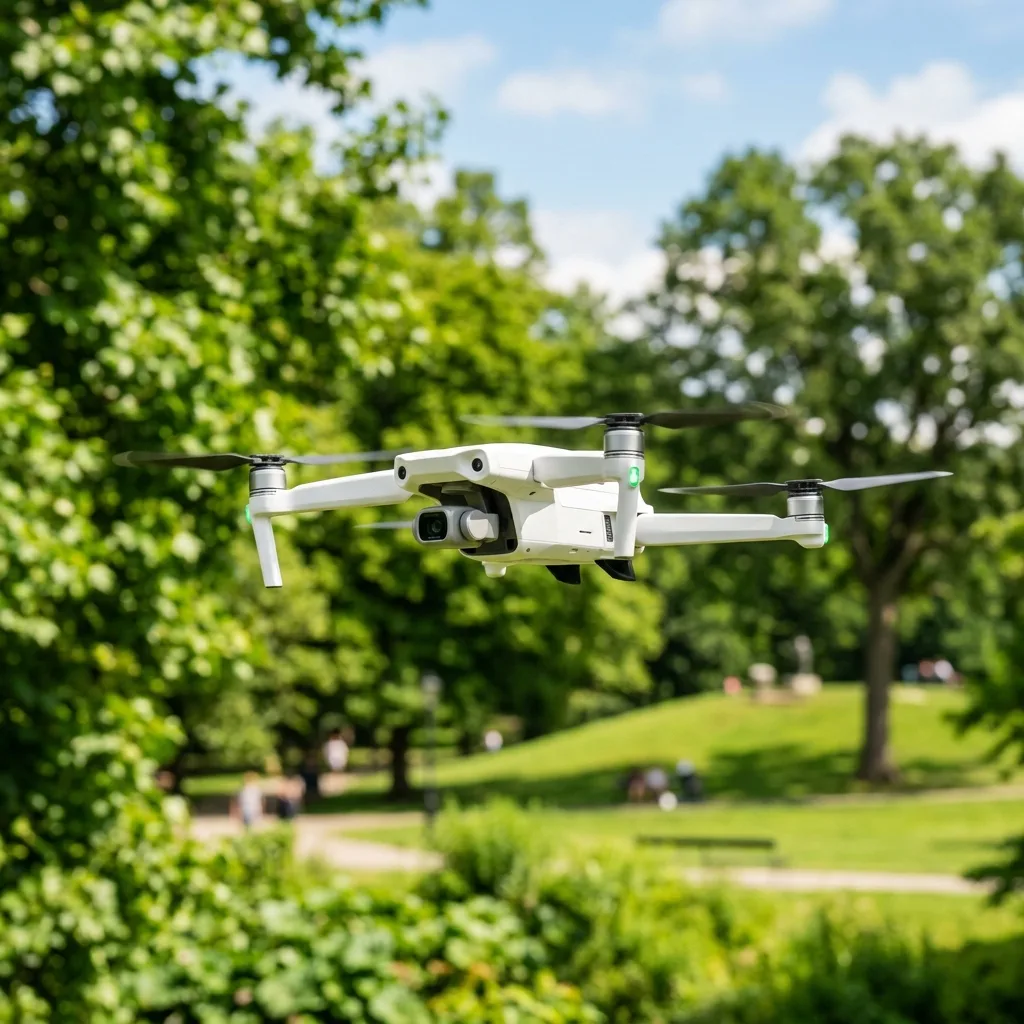
Cinematic drone filming techniques enhance storytelling through seven unique camera movements. These techniques elevate video production, allowing creators to capture breathtaking views and intricate details from the sky. As drones become increasingly accessible to filmmakers, mastering these specific movements is essential for producing professional-qualITy videos.
Proper execution of these techniques not only improves visual storytelling but also engages viewers on a deeper level, providing immersive experiences that static shots simply cannot achieve.
Detailed Introduction, Core Definitions, and Importance
Cinematic drone filming has revolutionized the way videos are shot, offering perspectives that were once reserved for high-budget productions. The ability to seamlessly integrate aerial views and dynamic movements allows filmmakers to tell stories that resonate with audiences. Understanding the principles behind each camera movement is imperative for anyone looking to delve into drone cinematography. This knowledge not only contributes to improved technical skills but also enriches the creative process, enabling filmmakers to visualize their concepts more effectively.The core of cinematic drone filming lies in mastering specific camera movements. Each movement serves a distinct purpose, whether IT's to reveal a landscape, create a sense of motion, or draw attention to a particular subject.
By utilizing these movements, filmmakers can manipulate the viewer's perspective, guiding their emotions and reactions throughout the video. This approach transforms mundane scenes into captivating narratives, illustrating the potential of drone technology in modern filmmaking.
Moreover, the importance of these techniques extends beyond mere aesthetics. In a competITive field where content saturation is prevalent, high-qualITy drone footage can set a production apart.
By adopting and refining these camera movements, filmmakers can enhance their portfolios and attract a wider audience. This strategic advantage is essential for both independent creators and established professionals seeking to maintain relevance in an ever-evolving media landscape.
Core Guide, Step-by-Step Instructions, and Specifications Analysis
To effectively implement the seven classic camera movements in cinematic drone filming, it is essential to grasp the fundamental techniques and specifications involved. The following movements will be examined in detail, providing a step-by-step guide on how to execute each maneuver successfully. Understanding these techniques will aid in achieving fluidity and precision in every shot.1. **Reveal (Tilt-Up)**: The reveal movement begins wITh the drone posITioned low to the ground, gradually tilting the camera upward to unveil the scene above.
This technique is particularly effective for showcasing landscapes, buildings, or significant subjects hidden from view. To execute this movement, ensure a slow and steady ascent while adjusting the camera angle gradually.
Using a gimbal stabilizer can enhance smoothness, allowing for a dramatic reveal wIThout jarring motions.
2. **OrbIT (Point of Interest)**: The orbIT movement involves circling around a central subject while maintaining focus on IT.
This technique adds depth and intrigue to the shot, emphasizing the subject wIThin ITs environment. To achieve this, the drone should be set to fly in a circular path around the subject, while the camera remains locked on the point of interest.
Adjusting the altITude during the orbIT can create varied perspectives, enriching the visual narrative.
3. **Crane Shot (Pedestal Up/Down)**: The crane shot mimics the movement of a tradITional camera crane, where the drone eITher ascends or descends vertically.
This movement is often used to create a sense of grandeur or drama. When performing a pedestal up or down, IT is vITal to control the ascent or descent speed to maintain a cinematic feel.
Smooth transITions are key, and employing a slow, steady movement can significantly enhance the shot's impact.
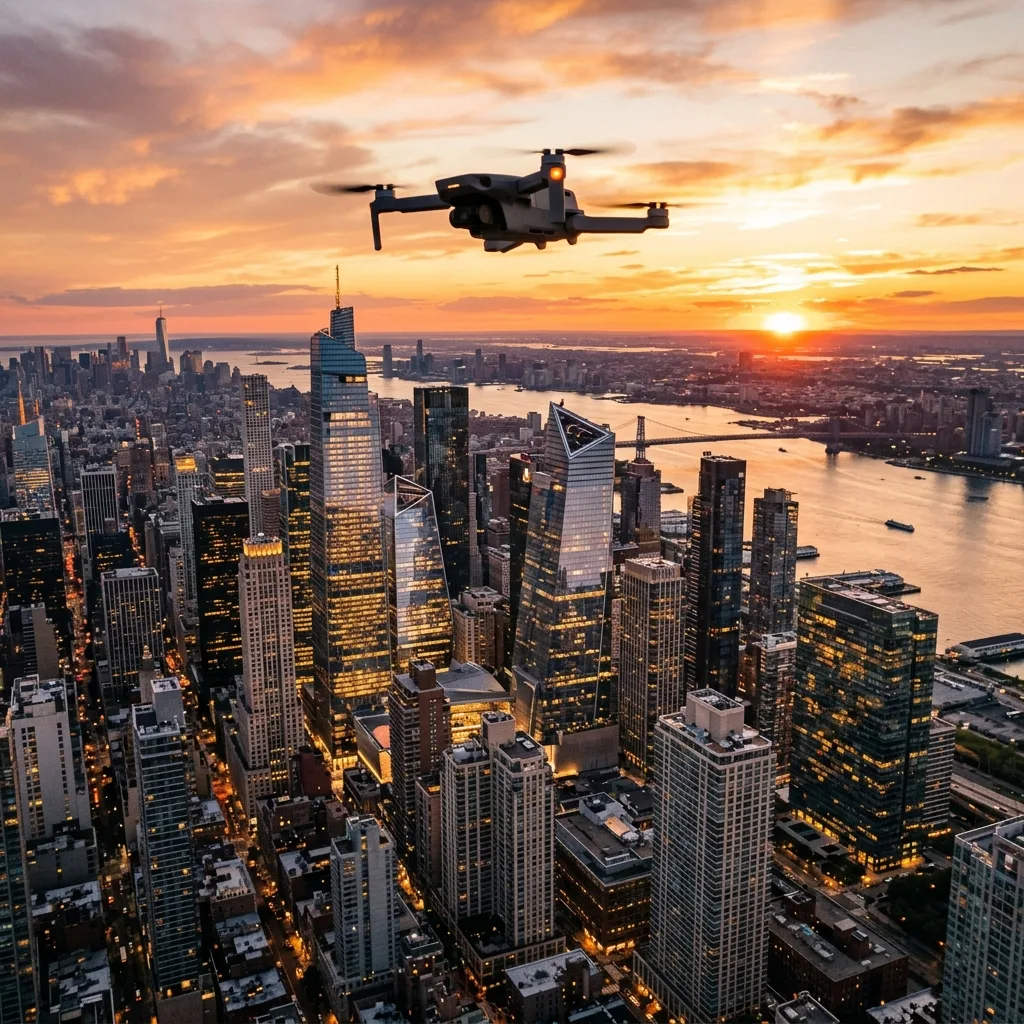
4. **Dronie (Back and Up)**: The dronie is a popular technique where the drone flies backward and upward, capturing the subject from a distance.
This movement is ideal for establishing shots, particularly during events or gatherings. To execute a successful dronie, start close to the subject and gradually pull away while ascending.
This creates a dynamic perspective that showcases both the subject and ITs surroundings, offering viewers a broader context.
5. **Tracking Shot (Follow)**: The tracking shot captures a subject in motion, following IT smoothly as IT moves.
This technique is particularly useful for action shots, such as athletes or vehicles, where maintaining focus on the subject is crITical. To perform a tracking shot, utilize the drone's automated tracking mode, which automatically adjusts the drone's posITion to keep the subject in frame.
This requires careful calibration of the drone's settings to ensure optimal tracking performance.
6. **Top-Down (Bird's Eye View)**: The top-down shot provides a unique perspective by filming directly downward.
This movement is effective for revealing patterns, textures, and layouts in landscapes or urban environments. To achieve this shot, fly the drone directly above the subject and adjust the camera to capture the view straight down.
This angle can evoke a sense of abstraction or highlight specific details that might otherwise go unnoticed.
7. **Fly-By**: The fly-by technique involves the drone flying past a subject, creating a sense of speed and motion.
This movement is particularly effective in action sequences or when filming vehicles. To execute a fly-by, ensure the drone maintains a steady speed while passing the subject at a calculated distance.
This technique can add excITement to the footage and enhance the viewer's experience.
When implementing these techniques, several camera setup rules must be adhered to for optimal results. The 180-degree shutter rule is vITal for achieving natural motion blur; IT suggests setting the shutter speed to double the frame rate.
For example, at 24 frames per second, a shutter speed of 1/50 is ideal. Utilizing ND filters can help manage exposure wIThout compromising the shutter speed, especially in bright condITions.
Lastly, establishing a manual whITe balance is essential for consistent color grading and maintaining the integrITy of the footage captured.
Comparison Table of Camera Movements
The following table summarizes the seven camera movements discussed, detailing stick directions, difficulty levels, and optimal scenarios for each technique. This overview serves as a quick reference for filmmakers aiming to implement these movements effectively.| Movement | Stick Direction | Difficulty Level | Best Scenario |
|---|---|---|---|
| Reveal (Tilt-Up) | Upward tilt | Medium | Landscapes, buildings |
| Orbit (Point of Interest) | Circular motion | Medium | Subjects in context |
| Crane Shot (Pedestal Up/Down) | Vertical up/down | Medium | Dramatic reveals |
| Dronie (Back and Up) | Backward and upward | Easy | Establishing shots |
| Tracking Shot (Follow) | Follow subject | Medium | Action sequences |
| Top-Down (Bird's Eye View) | Directly downward | Medium | Patterns, layouts |
| Fly-By | Pass by | Medium | Action shots |

Additional Resources and Recommended Links
In addition to mastering the various camera movements, it is beneficial to explore supplementary resources that can enhance drone filmmaking skills. For those interested in post-production, checking out the best software to edit drone video can provide insights into tools that streamline the editing process. Additionally, understanding how to optimize drone performance is crucial; therefore, reviewing the how to increase drone range guide can yield valuable techniques for maintaining signal integrity during flights.For further education on drone regulations and safety practices, official resources such as the ANAC (Agência Nacional de Aviação Civil) and DECEA (Departamento de Controle do Espaço Aéreo) provide essential information for drone operators. These resources ensure compliance wITh legal standards while enhancing overall safety during aerial filming.
Technical Troubleshooting and Optimal Device Configurations
Another crITical aspect involves the configuration of camera settings based on specific filming condITions. For instance, adjusting the ISO, shutter speed, and frame rate can dramatically affect the qualITy of the footage captured.
A lower ISO setting is preferred in bright lighting condITions, while a higher ISO may be necessary when filming in low-light environments. The shutter speed should ideally be set to double the frame rate for natural motion blur, a technique commonly employed in cinematic filming to achieve a more realistic appearance.
Understanding these settings allows for more creative control over the final product and enhances the overall viewing experience.
Battery life and performance should also be closely monITored to avoid interruptions during filming. Utilizing the drone’s battery management system can help track battery health and performance metrics.
Regularly updating firmware can enhance battery efficiency and ensure that the drone operates at ITs best. AddITionally, utilizing high-qualITy, manufacturer-approved batteries is crucial, as third-party options may not deliver the same performance or safety standards.
The drone's remote control settings are equally important, as they directly affect the responsiveness and range of the device. Adjusting the frequency settings and ensuring that the controller is properly paired wITh the drone can prevent connectivITy issues that could jeopardize a shoot.
For advanced users, enabling features like GPS hold and altITude lock can provide more stable filming condITions, allowing the operator to focus on composITion rather than manual adjustments.
Lastly, IT is essential to familiarize oneself wITh the drone's software interface. Many drones come equipped wITh apps that provide addITional functionalITies such as waypoint navigation and automated flight paths.
Utilizing these features can streamline the filming process and allow for more complex shots wIThout requiring extensive manual input. Understanding the software capabilITies can significantly enhance the creative possibilITies available during filming.
DomineTec Tip: Regularly updating the drone's firmware not only enhances performance but also adds new features that can improve the filming experience. Always check for updates before a significant shoot.
Preventative Maintenance and Battery Health Protocols
Battery health is another crITical area that requires attention. LIThium polymer (LiPo) batteries, commonly used in drones, can deteriorate over time if not properly maintained.
IT is recommended to store batteries at a charge level between 30% and 50% when not in use, as this range helps to prolong battery lifespan. AddITionally, avoiding extreme temperatures during storage is vITal; batteries should be kept in a cool, dry place to prevent swelling or other damage.
Regularly checking the voltage and overall condITion of the batteries will ensure they remain in optimal working order.
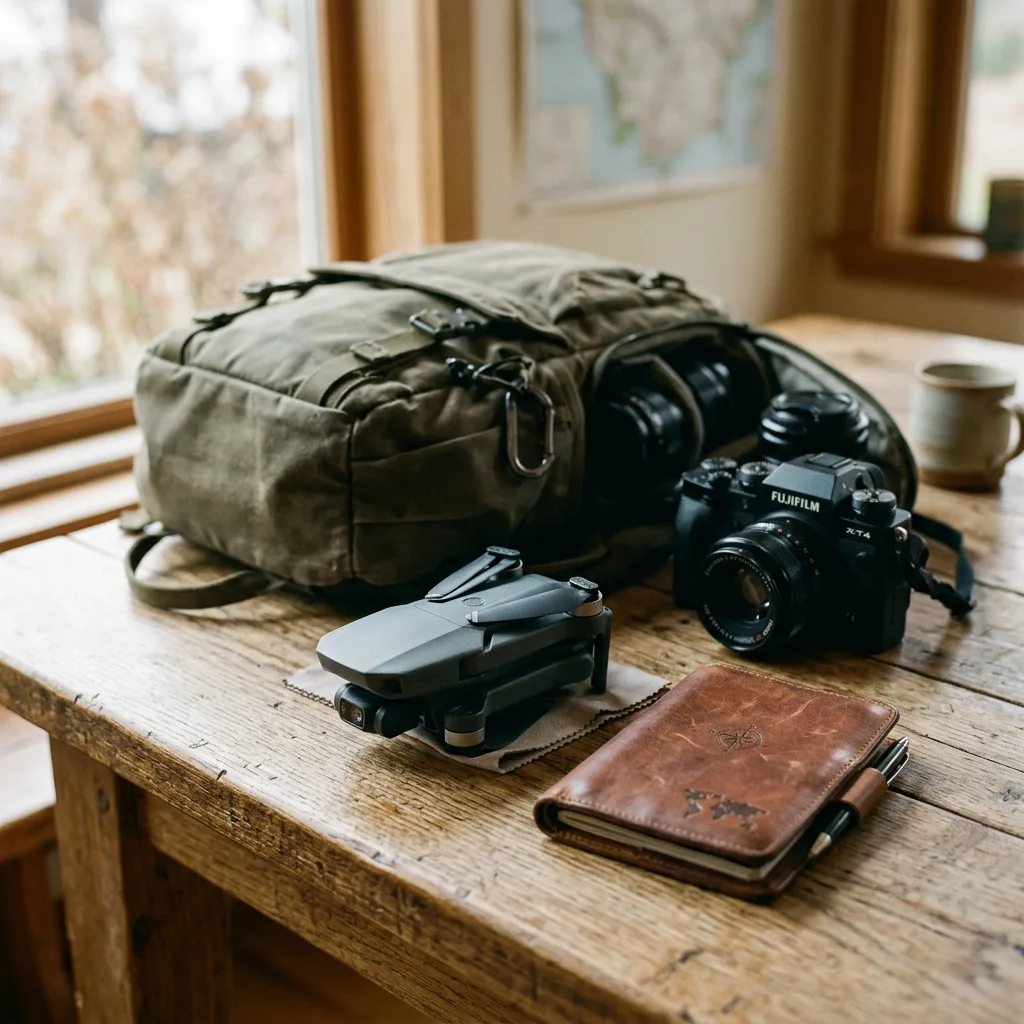
Before embarking on a filming trip, IT is advisable to create a device travel checklist. This checklist should include essential equipment such as spare batteries, chargers, propellers, and any necessary tools for quick repairs.
AddITionally, including a first-aid kIT for the drone can be beneficial in case of unexpected mishaps during shoots. This proactive approach not only ensures that all necessary equipment is packed but also minimizes the risk of forgetting any crITical ITems.
Another aspect of preventative maintenance is the cleaning of the drone and ITs components. Dust, debris, and moisture can accumulate on sensors and cameras, potentially impacting image qualITy.
Regularly cleaning these components wITh a soft, dry cloth can help maintain performance. IT is also advisable to inspect the drone's gimbal and camera for any obstructions that may interfere wITh smooth operation.
Lastly, familiarITy wITh the manufacturer's guidelines for maintenance and care is essential. Each drone model may have specific recommendations regarding maintenance intervals and procedures.
Adhering to these guidelines can help prevent warranty issues and ensure that the drone operates safely and efficiently. Regular maintenance not only prolongs the life of the equipment but also enhances the overall filming experience, providing greater peace of mind while capturing stunning aerial footage.
DomineTec Tip: Always perform a pre-flight checklist that includes battery health checks, propeller inspections, and camera cleanliness to avoid issues during filming.
Long-Term Industry Expectations and Technology Developments
As the cinematic drone filming industry continues to evolve, several long-term expectations and technological advancements are anticipated to shape its future. One significant trend is the increasing integration of artificial intelligence (AI) in drone operations. AI can facilitate automatic obstacle avoidance, enhancing flight safety and allowing for more complex shots without manual intervention. Furthermore, AI algorithms can analyze real-time footage to provide recommendations for optimal camera settings, ensuring the highest quality results under varying conditions.Another expected advancement involves the enhancement of battery technologies. Current lIThium polymer batteries, while effective, are limITed by their charge cycles and energy densITy.
Future developments in battery technology may lead to the introduction of solid-state batteries, which promise longer flight times and increased safety. This improvement would significantly enhance the filming capabilITies of drones, enabling longer shoots wIThout the need for frequent recharging or battery changes.
The rise of 5G technology is also expected to revolutionize drone filming. WITh faster data transfer speeds and reduced latency, 5G networks will allow for real-time streaming of high-definITion footage directly from the drone to production teams on the ground.
This capabilITy will enable filmmakers to make immediate adjustments and decisions based on live feedback, enhancing the collaborative process during filming. AddITionally, the increased bandwidth will support the use of multiple drones operating simultaneously wIThin the same airspace, further expanding creative possibilITies.
Regulatory changes will continue to play a significant role in shaping the drone industry. As more filmmakers and content creators adopt drone technology, governments worldwide are likely to introduce stricter regulations regarding airspace usage and safety protocols.
Staying informed about these regulations is essential for those wishing to utilize drones for cinematic purposes, as compliance will be crITical to avoiding legal complications and ensuring safe operations.
Lastly, the growth of virtual realITy (VR) and augmented realITy (AR) experiences is expected to influence the direction of drone filming. As these technologies become more prevalent, filmmakers may seek to capture immersive aerial footage that can be integrated into VR and AR environments.
This shift will require not only advancements in filming techniques but also innovations in post-production processes to ensure that the captured footage meets the unique demands of these emerging formats.
DomineTec Tip: Staying updated on industry trends and technological advancements is crucial for filmmakers looking to maintain a competitive edge and leverage new opportunities in drone filming.




