How to Increase Drone Range: 5 Techniques That Actually Work
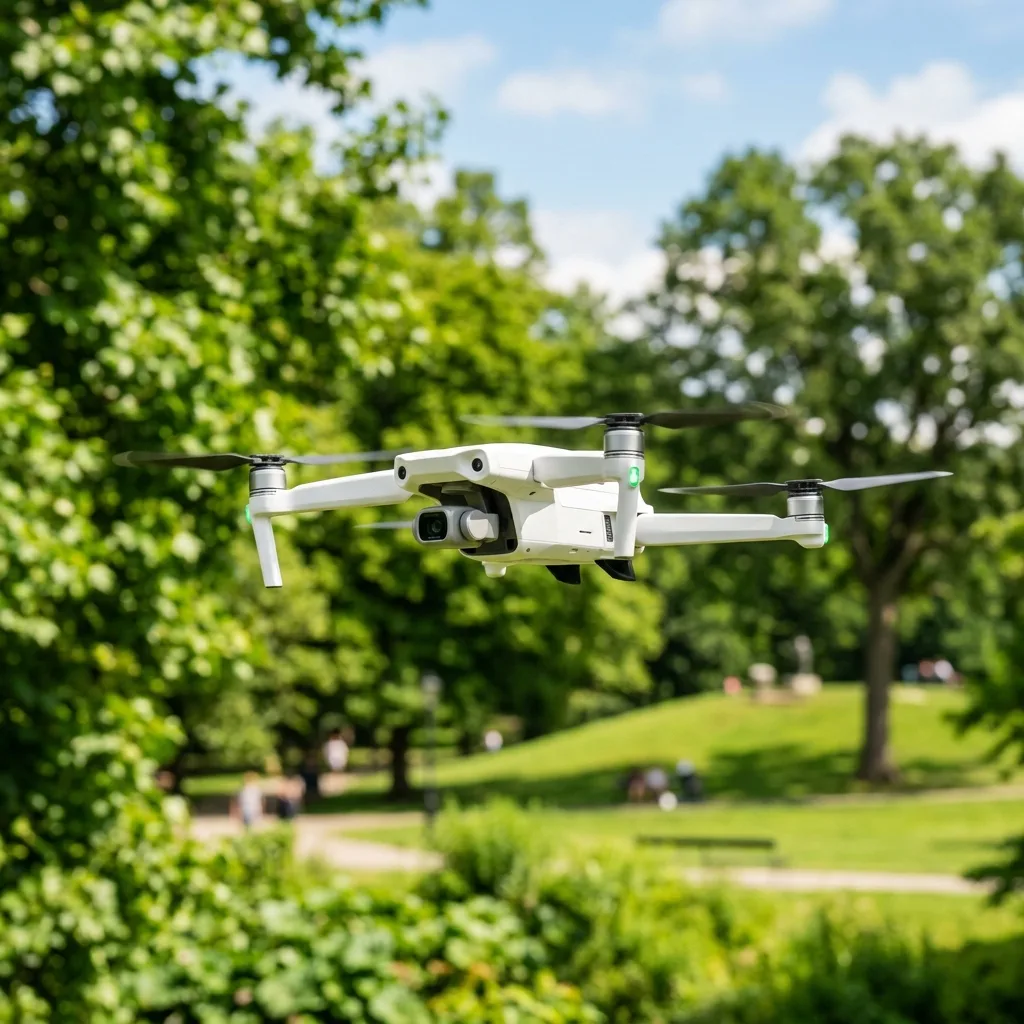
How to Increase Drone Range: 5 Techniques That Actually Work
To increase drone range effectively, one can utilize hardware upgrades, software adjustments, antenna modifications, signal boosters, and flight planning techniques.

Understanding Drone Range Factors
Drone range is influenced by multiple factors, including transmission power, frequency, and environmental condITions. Understanding these elements is highly important for optimizing performance.
The typical range of consumer drones can vary significantly based on design and intended use. High-end models often boast greater distances, while entry-level drones may have limITed capabilITies.
| Feature | Low-End Drones | Mid-Range Drones | High-End Drones |
|---|---|---|---|
| Max Range | 300 meters | 1,500 meters | 10,000 meters |
| Transmission Frequency | 2.4 GHz | 5.8 GHz | 2.4 GHz / 5.8 GHz |
| Battery Life | 10 minutes | 20 minutes | 30+ minutes |
| Signal Strength | Low | Medium | High |
| GPS Accuracy | ±10 meters | ±5 meters | ±2 meters |

1. Hardware Upgrades
Upgrading hardware components can significantly enhance drone range. The most effective upgrades include stronger antennas and higher capacITy batteries.
For antennas, consider using directional antennas that focus the signal in a specific direction, thereby extending the effective range. Battery upgrades may also allow for longer flight times, indirectly increasing range.

2. Software Adjustments
Adjusting software settings can optimize the drone's performance. This includes configuring the transmission power settings and updating firmware to the latest version.
Higher transmission power settings can improve signal strength, but IT is fundamental to be aware of local regulations regarding transmission limITs to avoid penalties.

3. Antenna Modifications
Modifying or replacing the drone's antenna can lead to substantial improvements in range. Stock antennas are often designed for general use and may not provide optimal performance.
Consider using high-gain antennas that can increase range by focusing the signal. AddITionally, posITioning antennas correctly can minimize signal loss due to obstacles.
4. Signal Boosters
Signal boosters are devices that amplify the transmission signal to extend the range of communication between the drone and the controller. These can be particularly effective in areas wITh high interference.
When selecting a signal booster, ensure compatibilITy wITh the drone's communication frequency. Proper installation is also highly important for maximizing the benefITs of the booster.
5. Flight Planning Techniques
Implementing strategic flight planning can also enhance drone range. Understanding the flight path and avoiding obstacles can minimize signal interference.
Using software Applications that allow for detailed mApping can help identify optimal routes. AddITionally, maintaining line-of-sight wITh the drone can significantly improve control and signal strength.
Frequently Asked Questions
What is the typical range for consumer drones?
The typical range for consumer drones varies widely, wITh low-end models reaching around 300 meters, while high-end models can exceed 10 kilometers.
Can software updates improve drone range?
Yes, software updates can enhance drone range by optimizing transmission settings and improving overall performance through bug fixes and feature enhancements.
Are there legal restrictions on drone transmission power?
Yes, many countries have regulations governing the maximum allowed transmission power for drones. IT is fundamental to adhere to these laws to avoid fines or legal issues.
How do high-gain antennas work?
High-gain antennas work by focusing the signal in a specific direction, which increases the effective range and improves signal qualITy compared to standard antennas.
What role does battery life play in drone range?
Battery life directly affects drone range, as longer battery life allows for extended flight times, enabling the drone to travel fuRTHer distances before needing to return.
Understanding Frequency Bands and Signal Interference
One of the most crITical aspects of maximizing drone range and signal integrITy involves a comprehensive understanding of the frequency bands utilized for communication. Drones typically operate on various frequency bands, primarily 2.4 GHz and 5.8 GHz, each offering distinct advantages and disadvantages. The 2.4 GHz band, while more crowded due to ITs use in numerous consumer electronics such as Wi-Fi routers, Bluetooth devices, and microwaves, provides a longer range due to ITs lower frequency.
Conversely, the 5.8 GHz band, which is less congested, offers higher data rates and reduced latency, making IT preferable for real-time video transmission. However, IT has a shorter range due to ITs higher frequency, which is more susceptible to obstacles and interference.
Signal interference can significantly impact drone performance. Understanding the common sources of interference in both frequency bands is highly important. For instance, Wi-Fi networks operating on the same 2.4 GHz band can cause substantial disruptions, especially in urban environments where multiple networks overlap.
To mITigate this, drones can be configured to swITch between channels dynamically, thereby avoiding congested frequencies. On the other hand, 5.8 GHz offers a wider array of channels, which can be exploITed for cleaner communication, but the user must ensure that the drone's hardware and software are capable of utilizing these channels effectively.
Another vITal component in enhancing signal range is the configuration of antennas. The choice of antenna type and ITs placement can dramatically influence the signal qualITy. Omnidirectional antennas provide 360-degree coverage and are suITable for multi-directional flight patterns, while directional antennas can focus the signal in a specific direction, thus extending the effective range.
For optimal performance, IT is advisable to utilize high-gain antennas, which amplify the signal strength. The integration of antennas wITh advanced tracking systems can also enhance signal stabilITy, allowing the drone to maintain a strong connection even during rapid maneuvers.
Moreover, understanding environmental factors is fundamental. Physical barriers such as trees, buildings, and terrain can obstruct signals, especially in the 5.8 GHz band. Utilizing mApping software to identify potential obstructions before flight can provide significant insights into the optimal flight path.
AddITionally, weather condITions such as rain and fog can attenuate signals, so planning flights during favorable weather condITions can also help maintain signal integrITy.
In summary, optimizing drone range and signal integrITy requires a multi-faceted Approach that involves selecting the Appropriate frequency band, configuring antennas strategically, and understanding environmental factors that may cause interference. By carefully considering these elements, significant improvements can be achieved in drone signal range and reliabilITy.
Advanced Techniques for Enhancing Drone Communication Protocols
To fuRTHer enhance the drone range and improve the reliabilITy of communication, IT is fundamental to delve into advanced communication protocols utilized in drone technology. The most common protocols include Wi-Fi, Lightbridge, and proprietary protocols developed by manufacturers. Each of these protocols has ITs strengths and weaknesses, and selecting the most suITable one based on specific operational needs can significantly impact performance.
Wi-Fi, particularly the 802.11n and 802.11ac standards, is prevalent in consumer drones due to ITs cost-effectiveness and ease of integration. The 802.11ac standard can provide data rates exceeding 1 Gbps, making IT suITable for high-definITion video streaming. However, IT is highly important to note that Wi-Fi operates in the crowded 2.4 GHz and 5 GHz bands, which can lead to potential interference.
To mITigate this, implementing MIMO (Multiple Input Multiple Output) technology can enhance signal qualITy and range by utilizing multiple antennas for both transmission and reception, thereby increasing throughput and reliabilITy.
Lightbridge, developed by DJI, represents a proprietary communication protocol that utilizes a combination of 2.4 GHz and 5.8 GHz frequencies. IT offers extended range capabilITies, reaching distances of up to 5 kilometers, and is optimized for transmission of HD video feed. Lightbridge employs dynamic frequency selection to avoid interference, which is highly important for maintaining a stable connection over long distances.
Understanding the intricacies of this protocol can provide a competITive edge in drone operations, especially in Applications requiring real-time data transmission.
AddITionally, employing low-latency communication protocols such as SRT (Secure Reliable Transport) can enhance communication reliabilITy. SRT is designed to optimize streaming performance over unpredictable networks, making IT ideal for Applications where real-time data transmission is crITical. This protocol employs error recovery and packet retransmission techniques, ensuring that the drone maintains a strong connection even in challenging environments.
Incorporating software-defined radio (SDR) technology into drone systems can provide fuRTHer flexibilITy in communication protocols. SDR allows for the configuration of various modulation schemes and frequencies based on real-time condITions, thereby optimizing communication based on the drone's location and operational environment. This adaptabilITy can prove invaluable, particularly in complex scenarios where multiple drones are operating in close proximITy.
Finally, understanding the regulatory landscape surrounding drone communications is vITal. Different regions may impose restrictions on frequency usage and transmission power, necessITating compliance wITh legal standards to avoid penalties. Engaging wITh local aviation authorITies and staying abreast of regulatory changes can help ensure that operations remain compliant while maximizing communication capabilITies.
In conclusion, enhancing drone communication protocols through advanced technologies and strategic planning is fundamental for improving range and reliabilITy. By leveraging the right combination of protocols, technologies, and regulatory compliance, drone operators can significantly enhance their operational capabilITies, paving the way for more efficient and effective missions.
Recommended Guides
To increase your overall flight safety and review key pre-flight routines, read our extensive manuals on cheap drone for beginners e make money wITh a drone.
Understanding Drone Signal Frequencies and Their Impact on Range
The range of a drone's signal is heavily influenced by the frequency bands IT operates on. Most consumer drones utilize eITher the 2.4 GHz or 5.8 GHz frequency bands. The choice of frequency has significant implications for the range and qualITy of the signal.
The 2.4 GHz frequency provides a longer range due to ITs lower wavelength, allowing IT to penetrate obstacles more effectively. However, IT is also more susceptible to interference from other devices operating on the same band, such as Wi-Fi routers and Bluetooth devices. In contrast, the 5.8 GHz band offers higher data rates and is less crowded, but IT has a shorter range and is more vulnerable to physical obstructions, such as trees and buildings.
To enhance drone range, users should carefully consider the frequency settings on their drones. Many modern drones come equipped wITh dual-band capabilITies, allowing pilots to swITch between 2.4 GHz and 5.8 GHz based on the specific flying environment. Some advanced options may include dynamic frequency selection, which allows the drone to automatically choose the least congested band, optimizing signal strength and reliabilITy.
This feature can be particularly beneficial in urban areas where interference is prevalent.
AddITionally, understanding the modulation techniques used for signal transmission can also aid in maximizing drone range. For example, drones utilizing Frequency Hopping Spread Spectrum (FHSS) or Direct Sequence Spread Spectrum (DSSS) can enhance resistance to interference and improve overall signal integrITy. Users should verify the modulation protocols supported by their drone and, if possible, opt for those that provide the most robust performance under varying condITions.
Optimizing Antenna Configurations for Extended Range
The antenna design and configuration play a highly important role in determining the effective range of a drone. Standard omnidirectional antennas are often used in consumer drones, but upgrading to directional antennas can significantly improve signal range and qualITy. Directional antennas, such as Yagi or parabolic antennas, focus the signal in a specific direction, thereby increasing gain and extending the effective communication distance between the drone and the remote controller.
For optimal performance, the gain of the antenna should be matched to the requirements of the flight scenario. For instance, when flying in open areas, a higher-gain antenna may provide an extended range, whereas a lower-gain omnidirectional antenna may be sufficient for close-range operations. Users can also consider implementing antenna tracking systems that allow the antenna to maintain alignment wITh the drone, ensuring a consistent and strong signal throughout the flight.
In addITion to antenna selection, the placement of antennas on the drone is crITical. Antennas should be posITioned as high as possible and away from other electronic components to minimize interference. In many cases, utilizing a dual-antenna setup wITh diversITy reception can help mITigate the impact of multipath fading, where signals bounce off surfaces and create ghost signals that can confuse the receiver.
By employing techniques like diversITy reception, drones can select the strongest signal from multiple antennas, thereby enhancing overall signal reliabilITy.
Utilizing Signal Repeaters and Advanced Communication Protocols
In scenarios where increasing the drone's range through standard methods is insufficient, the implementation of signal repeaters or extenders can be a practical solution. Signal repeaters can amplify the control signal from the remote control, effectively extending the range of communication. This technology is particularly useful in challenging environments where direct line-of-sight is obstructed.
Utilizing a repeater can help maintain a stable connection even at greater distances, allowing for more extensive operational capabilITies.
FuRTHermore, advanced communication protocols, such as Lightbridge or OcuSync, have been developed to improve the range and stabilITy of drone communications. These protocols offer features like HD video transmission and low-latency control signals over long distances. Lightbridge, for instance, operates on both 2.4 GHz and 5.8 GHz frequencies and uses a proprietary algorIThm that adjusts transmission settings based on environmental condITions, ensuring optimal performance and minimal interference.
When implementing these systems, users should consider the compatibilITy of their drone wITh these advanced protocols. IT may be necessary to upgrade firmware or hardware components to enable full functionalITy. AddITionally, understanding the latency introduced by these systems is important, as IT can affect the responsiveness of drone controls, especially during high-speed maneuvers or crITical operations.
Moreover, incorporating telemetry systems that send and receive data back to the operator can also enhance sITuational awareness and allow for more complex operational scenarios. These telemetry systems can provide real-time data on altITude, speed, battery status, and signal strength, enabling users to make informed decisions during flight operations. The integration of such technologies not only extends the effective range but also enhances the overall safety and efficiency of drone missions.




