![4 Best Drones for Farm and Property Surveillance [2026]](/images/posts/drone-beginner-flight.webp)
Understanding Drones for Agricultural and Property Surveillance
Drones have emerged as an invaluable tool within the agribusiness sector, enabling farmers and property owners to enhance surveillance and operational efficiencies. These unmanned aerial vehicles (UAVs) are not just toys but sophisticated equipment that can monitor vast expanses of land, assessing crop health and securing property boundaries. With advancements in technology, modern drones are equipped with features such as thermal cameras, hybrid zoom capabilities, and automated flight routes, making them essential for effective surveillance. The significance of utilizing drones for farm and property surveillance cannot be overstated. By providing a bird’s-eye view, drones facilitate early detection of pest infestations, irrigation issues, and unauthorized intrusions on properties. The ability to cover large areas quickly and efficiently reduces the time and resources required for traditional surveillance methods, such as foot patrols or stationary cameras. Furthermore, the integration of thermal imaging allows for monitoring during low-light conditions, significantly enhancing security measures. Understanding the specific requirements for surveillance, including camera resolution, flight endurance, and environmental durability, is crucial. For instance, different agricultural contexts may demand varying levels of detail in imaging and the ability to operate under diverse weather conditions. This blog post will review four of the best drones for farm and property surveillance in 2026, focusing on their features and specifications.Core Guide: Specifications and Evaluations of Top Drones
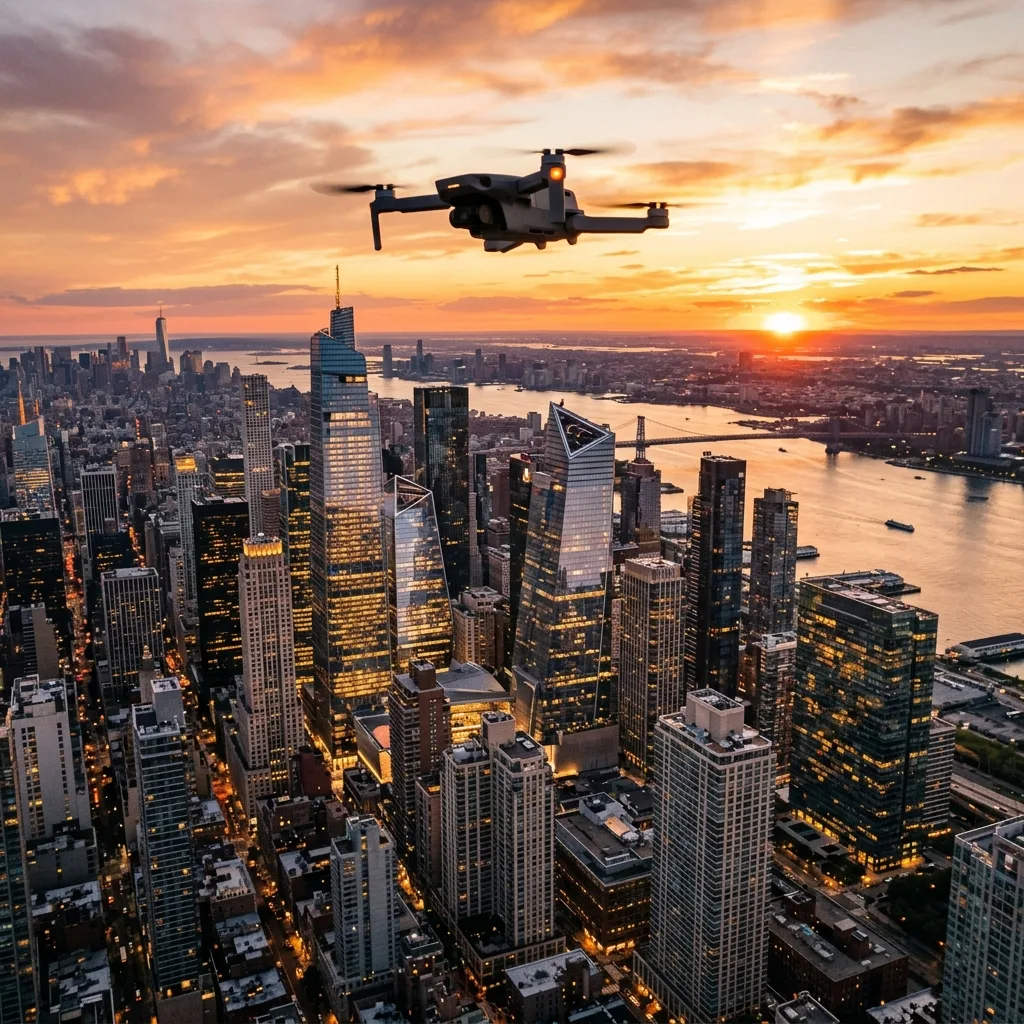
Comparative Analysis of Selected Drones for Surveillance
To aid in the decision-making process, the following table presents a comparison of the four best drones for farm and property surveillance in 2026. Each model has been evaluated based on critical specifications that affect their usability and effectiveness in surveillance operations.| Model | Thermal Camera | Zoom Capacity | IP Rating | Price Bracket |
|---|---|---|---|---|
| DJI Mavic 3 Thermal | 640x512 | 56x Hybrid | IP43 | $2,500 - $3,000 |
| DJI Matrice 350 RTK | 640x512 | 56x Hybrid | IP54 | $6,000 - $8,000 |
| Autel EVO Max 4T | 640x512 | 40x Hybrid | IP43 | $5,000 - $6,500 |
| DJI Air 3 | 3840x2160 | 28x Hybrid | IP55 | $1,000 - $1,500 |

Additional Resources and Recommended Links
For those seeking further information on drone applications in various sectors, several resources can provide valuable insights. For instance, the drone real estate photography guide offers practical advice on selecting drones for capturing high-quality images in real estate contexts. Additionally, the drone wedding filming guide serves as a comprehensive resource for those interested in utilizing drones for capturing special moments during events. These links can enhance understanding of drone capabilities and broaden the range of applications for both personal and professional use. For regulations and operational guidelines surrounding drone usage, consulting official sources such as the ANAC and DECEA websites will provide essential information on compliance with local aviation rules.Detailed Technical Troubleshooting, Optimal Device Configurations, or Advanced User Settings

In the realm of drone operations for farm and property surveillance, encountering technical issues is not uncommon. Understanding the intricacies of troubleshooting can significantly enhance performance and user experience.
Common issues may arise from connectivity problems, GPS signal interference, or software glitches. Ensuring that the drone's firmware is up to date is essential, as manufacturers frequently release patches that improve functionality and resolve known bugs.
Regularly checking for updates through the manufacturer's app or website can prevent many operational hiccups.
The configuration settings of a drone play a crucial role in optimizing its performance. Users should delve into the advanced settings of their drones to adjust parameters such as flight speed, altitude limits, and return-to-home settings.
For instance, setting the drone to a lower flight speed can enhance stability during surveillance operations, especially in windy conditions. Furthermore, adjusting the altitude limit based on the terrain and vegetation can provide clearer imagery while ensuring compliance with local regulations regarding drone flight heights.
Another important aspect of configuration involves utilizing the drone's camera settings effectively. Many drones come equipped with advanced camera features like HDR imaging and various shooting modes.
It is recommended to utilize manual settings to adjust ISO, shutter speed, and aperture for optimal image quality. For farm and property surveillance, capturing high-resolution images at different times of the day can provide better insights into land conditions and crop health.
Moreover, understanding the drone's battery management system is vital for ensuring uninterrupted operations. Drone users are encouraged to monitor battery health and cycle count closely.
Configuring the drone to provide alerts when the battery level drops below a certain threshold can prevent unexpected mid-flight landings. Additionally, using the drone's power-saving modes can extend flight time, allowing for more extensive surveillance coverage per flight session.
Lastly, it is advisable to familiarize oneself with the telemetry data provided by the drone during flight. This data includes vital information such as GPS coordinates, altitude, speed, and battery status.
Users can analyze this data post-flight to assess flight performance and make necessary adjustments for future operations. Utilizing software or applications that compile this telemetry data can provide valuable insights into flight patterns and efficiency.
Preventative Maintenance, Storage Battery Health Protocols, or Device Travel Checklist
Preventative maintenance is a critical aspect of ensuring the longevity and reliability of drones used for farm and property surveillance. Regular inspections should be conducted to identify any wear or damage to the drone's physical components.
This includes checking for cracks in the propellers, securing fasteners, and ensuring that the body of the drone is intact. Dust and debris can accumulate in motors and sensors, potentially impairing performance.
Cleaning these components after each flight using compressed air or a soft brush can significantly enhance the drone's operational efficiency.
Battery health is another crucial consideration in drone maintenance. Lithium polymer (LiPo) batteries, common in many drones, require specific care to maintain their performance and safety.
It is essential to store these batteries in a cool, dry place and to use a dedicated LiPo bag for storage. Additionally, monitoring the battery's voltage levels is crucial; batteries should not be discharged below a certain threshold, typically around 3.0 volts per cell, to avoid permanent damage.
Using a smart charger that can balance charge LiPo batteries can also prolong their lifespan and ensure they hold a charge effectively.
Before embarking on a surveillance mission, a pre-flight checklist can minimize the risk of technical failures. This checklist should include verifying that the drone's firmware is up to date, checking battery levels, and ensuring that all sensors and cameras are functioning correctly.
Additionally, confirming that the drone's remote control is in sync with the device is essential. Conducting a short test flight before the actual mission can also help ensure that everything is in working order and can prevent unexpected failures during critical operations.
When transporting drones, it is vital to use proper cases designed specifically for drone transport. These cases protect sensitive components from physical shocks and environmental conditions that could lead to damage.
Ensuring that the drone is secured within the case and that all peripherals, such as batteries and chargers, are stored safely will mitigate the risk of damage during transit. Furthermore, it is advisable to carry spare parts, such as extra propellers and batteries, to address any unforeseen issues that may arise while in the field.
Implementing a systematic maintenance schedule can help users keep track of when inspections and battery checks are due. This could involve setting reminders for routine maintenance tasks based on flight hours or calendar timeframes.
Adopting this proactive approach can not only prevent potential malfunctions but also enhance the overall performance and reliability of the drone.
To deploy agricultural security patrols within legal altitude limitations, visit the FAA Unmanned Aircraft Systems Portal.
Essential Maintenance and Troubleshooting Tips for Agricultural Drones Maintaining agricultural drones is crucial for ensuring their longevity and optimal performance. Regular maintenance should be a structured process that includes both pre-flight checks and post-flight inspections. The first step involves inspecting the drone's battery integrity, as this component is critical for flight safety and efficiency. Users should check for any signs of swelling, corrosion, or damage and replace batteries that show any of these indicators. Additionally, it is advisable to ensure that the battery is fully charged before each flight, as a depleted battery can lead to unexpected power loss and potential crashes. Another important aspect of maintenance is the inspection of the propellers and motors. Propellers should be carefully examined for nicks, cracks, or any signs of wear. Damaged propellers not only hinder performance but can also lead to stability issues during flight, which is particularly concerning when surveying large tracts of farmland. Motors should be checked for unusual noises or heat generation, as these could indicate wear or failure. Regularly cleaning the motors of dust and debris can prevent overheating and ensure smooth operation. Software updates also play a significant role in the maintenance of agricultural drones. Manufacturers frequently release firmware updates that include enhancements, bug fixes, and new features. It is essential to keep the drone’s software up to date to ensure compatibility with the latest agricultural technologies and to improve functionality. Users should regularly check the manufacturer's website or the drone's accompanying app for any available updates. Neglecting updates could lead to suboptimal performance and may prevent access to new tools that enhance farm management efficiency. In addition to maintenance, troubleshooting common issues that may arise during drone operation is vital for effective surveillance. One common problem is loss of GPS signal, which can occur due to environmental factors or obstructions. In such cases, users should familiarize themselves with the drone's GPS recovery feature, allowing the drone to return to its last known position. If GPS issues persist, checking the antenna and ensuring that there are no obstructions in the flight path can be beneficial. It is also advisable to conduct flights in open areas with minimal overhead interference to maintain a strong GPS connection. Lastly, understanding the legal framework surrounding drone usage is essential for compliance and operational integrity. Regulations regarding drone flight can vary significantly by region and purpose, especially in agriculture. Users must familiarize themselves with local laws, including any restrictions on flying over private property, altitude limits, and necessary permits for commercial use. Failure to adhere to these regulations could lead to legal repercussions and may also affect insurance coverage. It is prudent to consult with legal professionals or local aviation authorities to ensure full compliance with applicable laws and regulations, thus avoiding potential fines and ensuring the safe operation of agricultural drones. By diligently following maintenance protocols, addressing troubleshooting challenges promptly, and staying informed about legal requirements, drone operators can significantly enhance the performance, safety, and compliance of their agricultural surveillance activities. Long Term Industry Expectations, Technology Developments, and Expert AdviceThe drone industry is poised for significant advancements in the coming years, particularly in the realm of agricultural and property surveillance. As technology continues to evolve, expectations for drone capabilities will expand, providing users with enhanced tools for monitoring land and resources.
One key area of development is the integration of artificial intelligence (AI) and machine learning (ML) into drone operations. These technologies can facilitate real-time data analysis, allowing drones to autonomously identify issues such as crop diseases or pest infestations, ultimately leading to more efficient farm management practices.
In addition to AI integration, the advent of 5G technology is set to revolutionize drone operations by enabling ultra-fast data transmission. This advancement will allow drones to stream high-definition video in real-time, significantly improving surveillance capabilities.
Farmers and property owners will be able to receive immediate feedback on the status of their lands, making timely decisions based on live data. The ability to process and analyze large data sets quickly will also enhance the effectiveness of drones in monitoring environmental changes and resource management.
Experts in the drone industry emphasize the importance of regulatory frameworks to keep pace with technological advancements. As drones become more capable and widespread, regulations will need to evolve to ensure safe and responsible use.
This includes addressing privacy concerns associated with aerial surveillance and establishing guidelines that govern drone flights over populated areas. Engaging with policymakers and industry stakeholders will be essential to create a balanced regulatory environment that fosters innovation while protecting public interests.
Furthermore, the development of drone swarming technology is anticipated to play a significant role in large-scale agricultural operations. This technology involves deploying multiple drones simultaneously to cover vast areas more efficiently.
Swarming capabilities can enable simultaneous monitoring of different sections of farmland, providing comprehensive insights into crop health and land conditions. As this technology matures, it will likely become a standard practice in precision farming, optimizing resource use and maximizing yield potential.
Finally, user training and education will be paramount as the drone industry continues to evolve. Increased complexity in drone operations will necessitate a skilled workforce familiar with the latest technologies and best practices.
Industry experts recommend ongoing training programs and certifications to ensure that operators are well-equipped to leverage new capabilities responsibly and effectively. Investing in education will not only enhance operational efficiency but will also contribute to the overall safety and sustainability of drone use in agricultural and property management.
DomineTec Tip: Regularly engage with industry forums and publications to stay informed about the latest technological advancements and regulatory changes in the drone space.




