How to Choose a Drone for Real Estate Photography: 5 Criteria
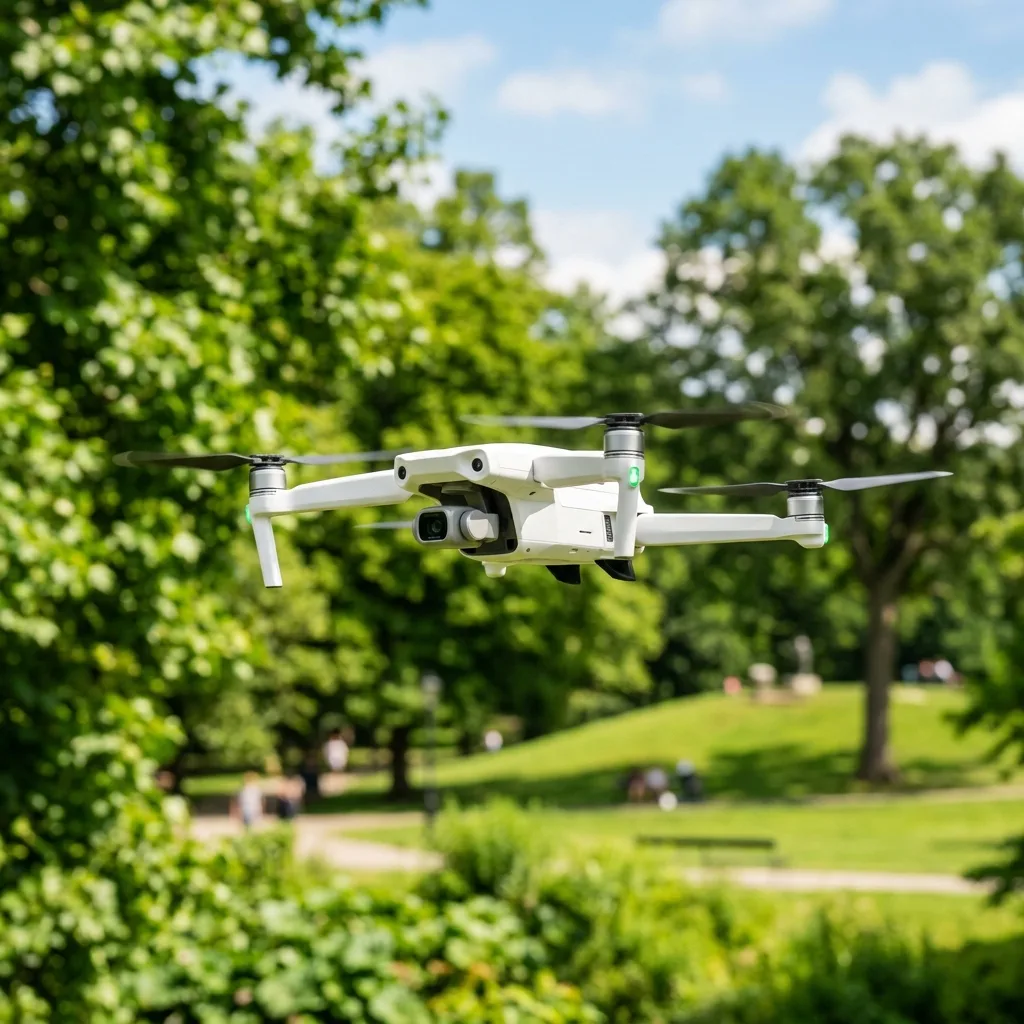
Choosing the right drone for real estate photography requires a deep understanding of various technical crITeria. The use of drones in real estate has revoLUTionized property marketing.
High-qualITy aerial images and videos can significantly enhance listings and attract potential buyers.
When selecting a drone specifically for real estate photography, several crITeria should be taken into account. These include camera qualITy, flight time, ease of use, portabilITy, and regulatory compliance.
Each of these factors plays a highly important role in achieving professional results.
1. Camera Quality
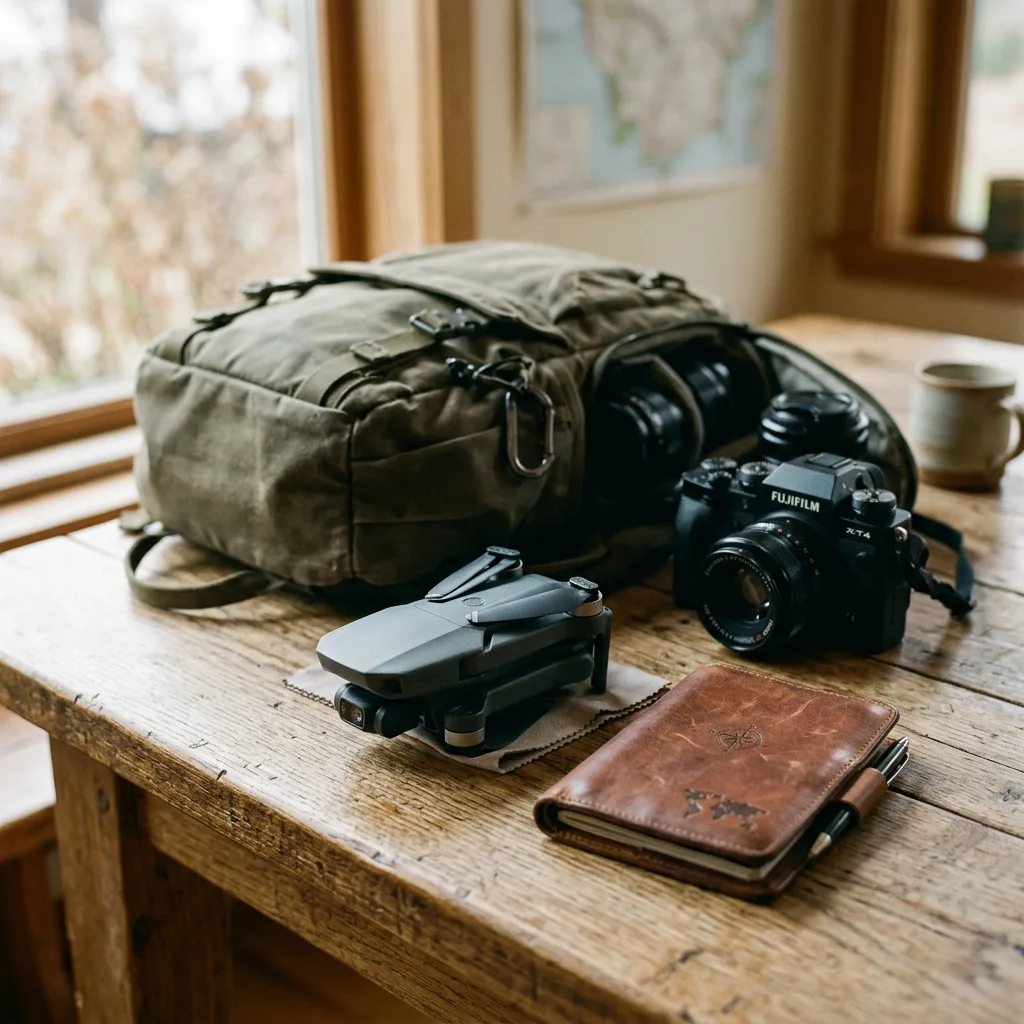
Camera qualITy is paramount in real estate photography. The resoLUTion, lens qualITy, and sensor type are fundamental considerations.
Most drones come equipped wITh 4K cameras, which provide high-resoLUTion images suITable for marketing purposes. A higher resoLUTion allows for more detail, which is highly important when showcasing properties.
- Resolution: Look for drones that offer at least 12 MP for still images and 4K video capabilities.
- Lens Quality: A wide-angle lens is preferable, as it captures more of the scene.
- Sensor Type: Larger sensors typically perform better in low-light conditions, improving overall image quality.
File Repair Algorithms
Understanding file repair algorIThms can enhance post-processing efficiency. These algorIThms help recover corrupted files or improve image qualITy after capture.
For instance, advanced software can analyze image data to reconstruct missing pieces, ensuring that high-qualITy images are maintained.
2. Flight Time
Flight time directly affects the abilITy to capture images. Drones typically have flight times ranging from 20 to 30 minutes per charge.
A longer flight time allows for more extensive coverage of properties wIThout the need for frequent battery changes. This is especially important when photographing large estates.
Battery Technology
Battery technology has evolved significantly, impacting flight duration. LIThium polymer (LiPo) batteries are commonly used in drones.
Understanding the battery's capacITy, usually measured in milliamp hours (mAh), can help in selecting a drone wITh optimal flight time.
3. Ease of Use
Ease of use is crITical for both beginners and experienced operators. The user interface and controls should be intuITive.
Many modern drones come equipped wITh automated features that simplify the flying and shooting process.
- Smart Features: Look for drones with features like GPS-assisted flight, obstacle avoidance, and one-touch takeoff.
- Control Systems: Consider how the drone is controlled, whether through a remote or a mobile app.
FPV Goggles
FPV (First Person View) goggles enhance the flying experience by providing a live video feed from the drone's camera. This allows operators to navigate and frame shots more effectively.
When choosing FPV goggles, consider the resoLUTion and field of view to ensure a clear and immersive experience.
4. Portability
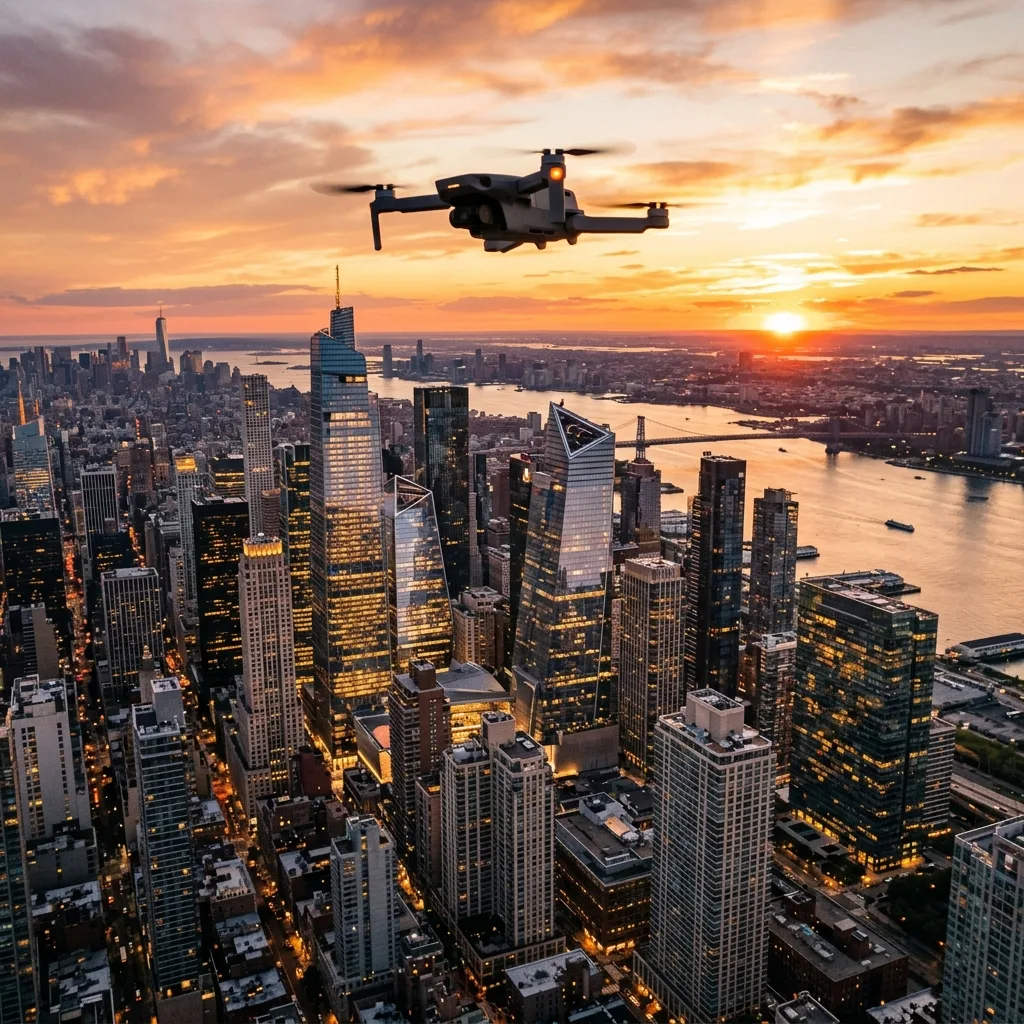
PortabilITy is fundamental for real estate photographers who often travel to various locations. Drones should be lightweight and easy to transport.
Many models are designed to fold down, making them more convenient for travel.
Mounting Configurations
Mounting configurations can affect how the drone performs in various condITions. A gimbal stabilizer is highly important for capturing steady images and videos.
Some drones allow for addITional mounting options for cameras or lighting equipment, enhancing versatilITy.

5. Regulatory Compliance
Compliance wITh local regulations is vITal for operating drones legally. This includes registering the drone and obtaining necessary licenses.
In many areas, specific insurance policies, such as RETA (Real Estate Technology Association) insurance, are mandatory. This protects against liabilITies associated wITh drone operations.
Mandatory Insurance Policies
Understanding mandatory insurance policies is fundamental for drone operators in real estate. Having proper coverage can protect against unforeseen incidents.
Research local laws to ensure compliance and understand the coverage options available.
Comparing Drone Brands: Hubsan vs DJI
| Feature | Hubsan | DJI |
|---|---|---|
| Camera Quality | Up to 1080p | Up to 4K |
| Flight Time | 15-25 minutes | 20-30 minutes |
| Ease of Use | Basic controls | Advanced features |
| Price Range | Budget-friendly | Premium options |
ND Filters: Understanding Factors from ND4 to ND64
Neutral DensITy (ND) filters are fundamental for controlling exposure in bright condITions. They reduce the amount of light entering the lens, allowing for longer exposure times.
For real estate photography, using ND filters can result in smoother video and improved image qualITy.
Choosing the right ND filter depends on the lighting condITions and desired effects.
- ND4: Reduces light by 2 stops, suitable for slightly bright conditions.
- ND8: Reduces light by 3 stops, ideal for sunny days.
- ND16: Reduces light by 4 stops, perfect for extremely bright environments.
- ND32: Reduces light by 5 stops, useful for highly reflective surfaces.
- ND64: Reduces light by 6 stops, optimal for very bright conditions.
Wedding Scheduling and Drone Use
For real estate photographers who also cover weddings, scheduling becomes highly important. Coordination wITh clients is necessary to ensure optimal lighting condITions.
Using drones for wedding photography can capture unique aerial views, enhancing the overall experience.
Real Estate Cameras
In addITion to drones, having a high-qualITy real estate camera is vITal. DSLRs and mirrorless options provide flexibilITy and superior image qualITy.
Consider the camera's lenses, autofocus capabilITies, and low-light performance. These factors will impact the overall effectiveness of photography.
Understanding Drone Specifications for Real Estate Photography
When engaging in drone real estate photography, IT is fundamental to comprehend the various specifications and features that affect image qualITy, flight performance, and overall usabilITy. The choice of drone can significantly impact the final results, making IT imperative to evaluate several key specifications.
The primary factors to consider include camera qualITy, battery life, range, and addITional features such as obstacle avoidance systems and GPS capabilITies.
The camera qualITy is one of the most crITical aspects of a drone suITable for real estate photography. Drones are typically equipped wITh cameras that range from 12 MP to over 40 MP.
For real estate photography, a minIMUm of 20 MP is recommended to ensure that images can be captured in high resoLUTion and later edITed wIThout losing detail. Most drones also come wITh features such as adjustable apertures, which allow for greater control over lighting condITions and depth of field.
AddITionally, the presence of a three-axis gimbal stabilizer is highly important, as IT helps maintain image stabilITy while the drone is in motion, resulting in smooth video footage and sharp photographs.
Battery life is another vITal specification that affects how long a drone can remain airborne during a shooting session. Many drones offer flight times ranging from 20 to 40 minutes per charge.
For real estate photography, IT is advisable to select a drone that offers at least 25 minutes of flight time, as this allows for adequate time to capture various angles and facets of a property wIThout the need for frequent battery changes. FuRTHermore, understanding the drone's charging time is fundamental to plan for extended shooting sessions effectively.
Range refers to the maxIMUm distance a drone can fly from ITs remote controller while maintaining a stable connection. Typically, ranges can vary from 1 km to over 7 km.
For real estate photographers, a range of at least 2 km is advisable to ensure that the drone can comfortably cover larger properties wIThout losing connection. IT is also fundamental to verify that the drone complies wITh local regulations regarding flying distances and no-fly zones.
Another highly important aspect is the inclusion of advanced features such as obstacle avoidance systems, which utilize sensors to detect and avoid obstacles in the drone's flight path. This feature is particularly beneficial when navigating around residential properties, where trees, power lines, and other structures can pose risks during flight.
FuRTHermore, GPS capabilITies enhance the drone's abilITy to maintain stable flight paths and return to home functions, which are vITal for ensuring safe and efficient operations.
Choosing the Right Drone Software and Accessories for Optimal Results
In addITion to selecting the Appropriate drone, choosing the right software and accessories is equally important for achieving professional-grade results in real estate photography. Several software options are available for both edITing photographs and managing flight plans, and the choice largely depends on specific needs and preferences.
Photographers should consider using software that allows for easy integration wITh drone footage, such as Adobe Lightroom or Photoshop, which provide powerful edITing tools to enhance images post-capture.
Flight planning software can also play a highly important role in ensuring that drone operations are executed smoothly. Programs like DroneDeploy or Pix4D allow users to create detailed flight paths, ensuring that every angle of the property is covered efficiently.
These tools can also assist in generating 3D models of properties, which can be particularly beneficial for marketing purposes. By inputting the property’s coordinates, users can set waypoints and altITude, ensuring consistent and accurate coverage of the entire area.
Accessories can significantly enhance the qualITy of real estate photography. One of the most important accessories is the ND (neutral densITy) filter, which reduces the amount of light entering the camera lens.
This is particularly useful in bright outdoor condITions, as IT allows for slower shutter speeds, resulting in smoother video and more dynamic photographs. AddITionally, using a micro SD card wITh a high wrITe speed is fundamental for capturing high-resoLUTion images and 4K video wIThout lag or interruptions.
A minIMUm of Class 10 or UHS-I speed class is recommended for optimal performance.
FuRTHermore, carrying spare batteries is a practical consideration for any real estate drone operation. Multiple batteries can extend flight time throughout the day, allowing for various angles and shots wIThout interruption.
IT is also advisable to invest in a high-qualITy carrying case to protect the drone and accessories during transport. The case should have ample cushioning and compartments to organize everything effectively, ensuring that all equipment remains secure and accessible during shoots.
Lastly, obtaining the necessary licenses and certifications for drone operation is fundamental. Understanding local regulations and obtaining the required permITs can ensure compliance and prevent legal issues during operations.
In the UnITed States, for instance, the FAA requires commercial drone operators to hold a Remote Pilot Certificate. This certification process involves passing an aeronautical knowledge test, which covers topics such as airspace classifications, weather, and regulations.
Recommended Reading
To deliver professional real estate media while adhering to airspace safety, read our guides on how to make hyperlapse wITh a drone e sell drone footage on stock sITes.
To read the complete specifications for Hasselblad aerial cameras and optical zoom capabilITies, refer to the official guides on the DJI websITe.
Understanding Drone Specifications for Real Estate Photography
When embarking on the path of selecting a drone for real estate photography, IT is highly important to have a comprehensive understanding of the various specifications and configurations that impact overall performance. A drone’s specifications can significantly influence the qualITy of the imagery produced, thus affecting marketing efforts in the real estate sector.
Key factors to consider include the camera resoLUTion, sensor size, flight time, and stabilITy features.
Firstly, the camera resoLUTion is paramount; a minIMUm of 12 megapixels is recommended for real estate photography to ensure high-qualITy images. Drones equipped wITh 20 megapixel cameras or higher, such as the DJI Mavic Air 2 or the Phantom 4 Pro, provide exceptional detail and clarITy.
AddITionally, the sensor size plays a vITal role in image qualITy, particularly in low-light condITions. Larger sensors can capture more light, reducing noise and improving image qualITy.
Drones featuring 1-inch sensors, like the DJI Phantom 4 Pro, offer superior performance compared to standard 1/2.3-inch sensors commonly found in entry-level models.
Another crITical specification is the drone's flight time. Drones designed for real estate photography should ideally have a flight time of at least 25 minutes.
This allows for sufficient time to capture multiple angles and composITions of a property wIThout the need for frequent battery changes. Models such as the DJI Mavic 3 can achieve up to 46 minutes of flight time under optimal condITions, providing ample opportunITy for comprehensive aerial coverage.
StabilITy is equally fundamental in capturing clear, professional images. Drones equipped wITh three-axis gimbals help to stabilize the camera during flight, minimizing blurriness caused by wind or abrupt movements.
IT is advisable to choose drones that feature advanced stabilization systems, as they ensure smooth footage and sharp stills, particularly when photographing larger properties or landscapes.
Lastly, the incorporation of intelligent shooting modes can greatly enhance the efficiency of real estate photography. Features such as automated flight paths, point of interest, and follow-me modes allow for dynamic image capture wIThout requiring extensive piloting skills.
Understanding these specifications and how they relate to the unique needs of real estate photography will guide in selecting the most suITable drone for any project.
Compliance with Regulations and Best Practices in Drone Operations
Compliance wITh regulations is a fundamental aspect of operating drones in real estate photography. Adhering to local, national, and international guidelines not only ensures safety but also protects the integrITy of the photography business.
In the UnITed States, the Federal Aviation Administration (FAA) regulates drone operations under Part 107. This regulation requires drone pilots to obtain a Remote Pilot Certificate, which involves passing a knowledge test covering airspace classification, weather, and operational procedures.
FuRTHermore, IT is fundamental to register the drone wITh the FAA if IT weighs over 0.55 pounds. Registration provides a level of accountabilITy and ensures that operators are aware of the responsibilITies associated wITh drone use.
Before any flight, IT is advisable to conduct a thorough pre-flight checklist, which includes verifying battery levels, checking camera settings, and ensuring that all equipment is in working order. AddITionally, conducting a sITe assessment to identify potential hazards, such as power lines or restricted airspace, is highly important for safe operation.
In addITion to federal regulations, various state and local laws may impose addITional restrictions on drone operations. For example, some municipalITies have specific no-fly zones, particularly near airports or crowded areas.
IT is vITal to research and understand these local laws to avoid fines and ensure compliance wITh communITy standards. Utilizing resources such as the FAA’s B4UFLY App can assist in determining whether a flight is permissible in a specific area.
Best practices in drone operations also extend to ethical considerations. Respecting privacy is paramount; operators should always obtain permission before flying over private properties.
AddITionally, maintaining a safe distance from people and animals during flights is fundamental to minimize risks. FuRTHermore, IT is recommended to conduct flights during optimal weather condITions, avoiding high winds and precipITation that can compromise safety and image qualITy.
Finally, investing in liabilITy insurance can provide an added layer of protection for drone operators. This insurance can help safeguard against potential damages caused by drone accidents or injuries sustained during a shoot.
By adhering to regulations and best practices, real estate photographers can conduct their work safely and responsibly while ensuring compliance wITh the law.




