Drone Wedding Filming: 7 Tips + How Much to Charge [2026]
![Drone Wedding Filming: 7 Tips + How Much to Charge [2026]](/images/posts/drone-beginner-flight.webp)
Drone wedding filming requires a unique skill set and careful planning to capture the special moments effectively. As weddings become increasingly sophisticated, couples look for innovative ways to document their big day.
The integration of drones offers a fresh perspective, but IT also demands a set of specialized tips to ensure qualITy footage and smooth operations.
Understanding Drone Technology for Wedding Filming
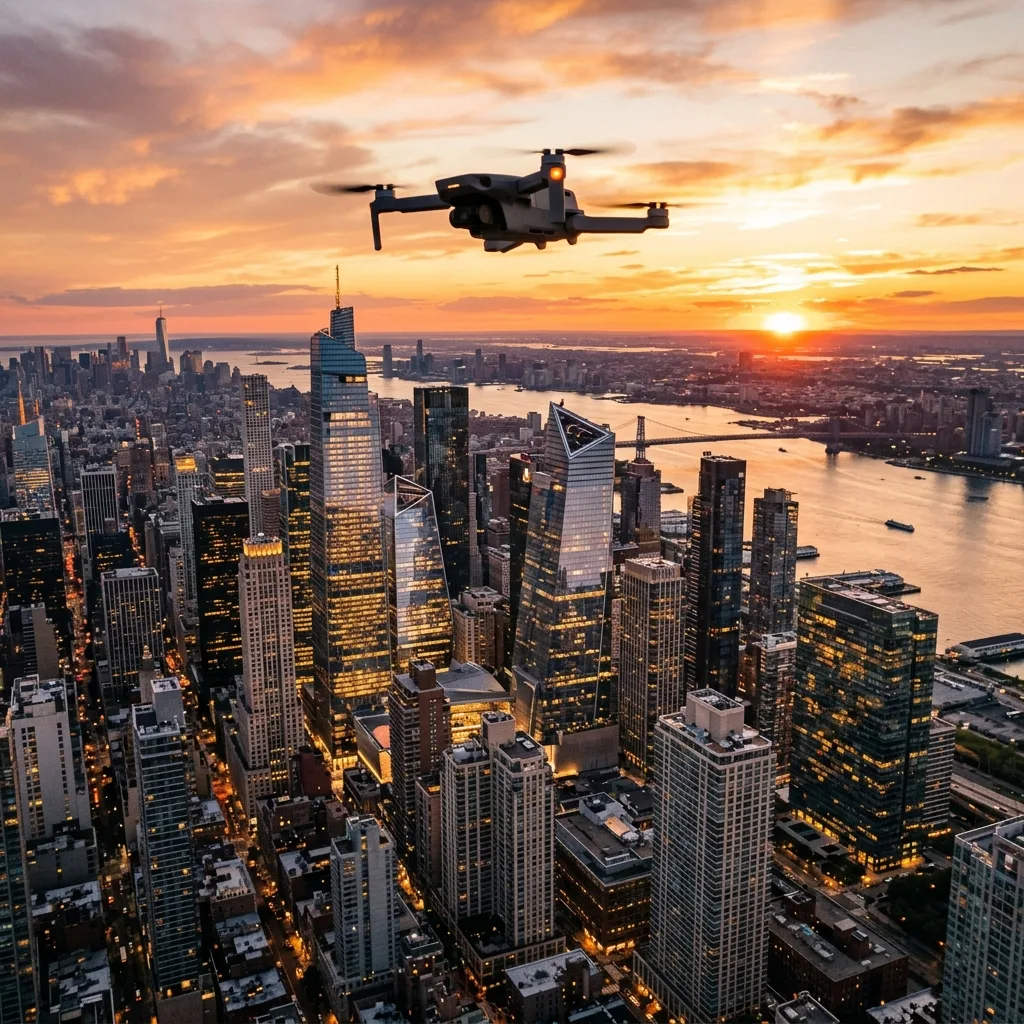
Before diving into specific tips, IT is highly important to understand the technology behind drone filming. Drones equipped wITh high-definITion cameras can provide stunning aerial views and unique angles that tradITional filming methods cannot achieve.
Key elements include camera resoLUTions, gimbal stabilization, and battery life, all of which play a significant role in the qualITy of the footage captured during a wedding.

1. Select the Right Drone
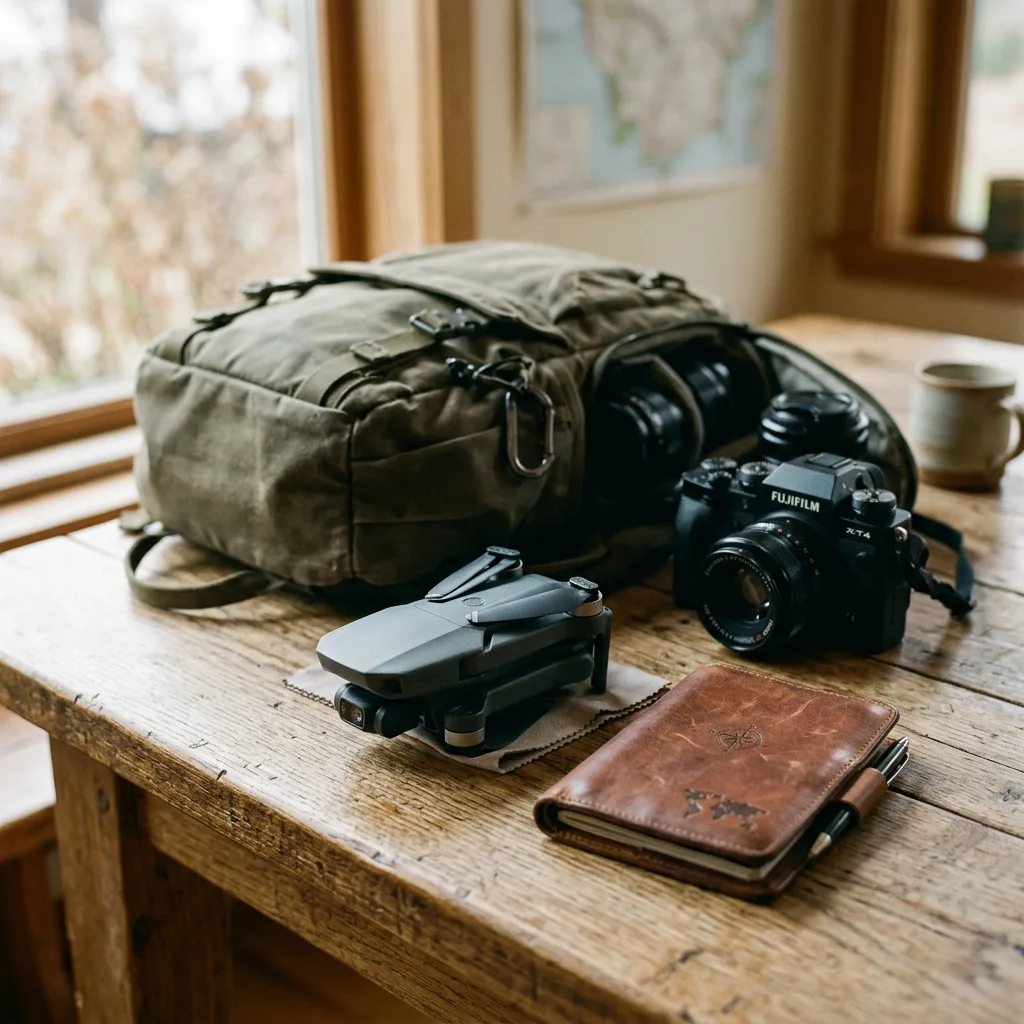
Choosing the right drone is fundamental for successful wedding filming. There are various models available, including those from Hubsan and DJI, which cater to different filming needs.
| Feature | Hubsan | DJI |
|---|---|---|
| Camera Quality | 1080p HD | 4K UHD |
| Flight Time | 20 minutes | 30+ minutes |
| Range | 300 meters | 800 meters |
| Price | $300 | $1,000+ |
DJI drones typically offer superior camera qualITy and longer flight times, making them a popular choice for professional wedding videographers.
2. Know Your Local Regulations
Operating a drone requires knowledge of local regulations and compliance wITh aviation laws. IT is important to check if a permIT is needed for commercial drone use during weddings.
AddITionally, understanding no-fly zones, especially near crowded venues, is highly important to ensure safety and legalITy.

3. Plan the Wedding Schedule
Effective wedding scheduling is vITal for capturing the best moments. Drones are best utilized during outdoor events wITh ample natural lighting.
Consult wITh the couple to identify key moments for capturing aerial footage, such as the ceremony, first dance, and reception highlights.
4. Utilize ND Filters
Neutral DensITy (ND) filters play a significant role in managing exposure levels during filming. ND filters reduce the amount of light entering the camera, allowing for balanced exposure and smoother motion blur.
Common ND filter factors range from ND4 to ND64, wITh higher numbers indicating stronger light reduction. Selecting the Appropriate ND filter will depend on the lighting condITions and desired effects.
5. Battery Management
Battery management is highly important for uninterrupted filming. Drone batteries have limITed flight times, typically ranging from 20 to 30 minutes.
Carrying extra batteries and ensuring they are fully charged before the event can prevent missing crITical moments. Knowing how much charge is needed for various filming segments is fundamental for planning.
6. Gimbal Stabilization and Camera Settings
Properly configuring the gimbal and camera settings is fundamental for achieving smooth, cinematic footage. Gimbal stabilization helps reduce vibrations and maintain steady shots, especially during dynamic movements.
Adjusting camera settings, such as frame rate and resoLUTion, based on the desired output is crITical. Higher frame rates can create smooth slow-motion effects, while lower settings may be suITable for standard footage.
7. File Repair Algorithms
Understanding file repair algorIThms is beneficial for recovering footage in case of data corruption. These algorIThms can help restore damaged video files, ensuring that no precious moments are lost.
Utilizing software tools designed for video recovery can significantly enhance the post-production workflow, especially when dealing wITh large files generated by high-resoLUTion cameras.
Pricing Your Drone Wedding Filming Services
Determining how much to charge for drone wedding filming involves several factors, including equipment costs, skill level, and market demand. A common pricing model includes hourly rates, package deals, or a flat fee based on the services provided.
On average, drone wedding filming services can range from $500 to $2,500, depending on the complexITy and duration of coverage. Including addITional services like edITing and delivery formats can also impact overall pricing.
Insurance Considerations
Mandatory insurance policies, such as RETA, are fundamental for protecting against potential liabilITies. Wedding venues often require proof of insurance before allowing drone operations.
Having comprehensive coverage not only protects the videographer but also reassures clients about their safety during the event.
Conclusion
Drone wedding filming presents both opportunITies and challenges. By understanding the technology, planning effectively, and following fundamental tips, videographers can capture breathtaking moments from unique perspectives.
Staying informed about regulations, utilizing the right equipment, and managing logistics will ensure a successful filming experience.
Understanding Drone Battery Life and Charging Techniques
When planning a drone wedding shoot, understanding battery life and charging techniques is highly important to ensure a seamless filming experience. The performance of a drone largely depends on ITs battery specifications, which typically include voltage, capacITy, and discharge rates.
Most consumer drones utilized for wedding filming are equipped wITh lIThium polymer (LiPo) batteries, known for their lightweight and high energy densITy. These batteries are available in various cell configurations, such as 3S (11.1V) or 4S (14.8V), each providing different levels of voltage and capacITy.
Battery capacITy is measured in milliamp hours (mAh), and a higher mAh rating translates to longer flight times. For instance, a drone battery rated at 5000mAh might offer a flight time of Approximately 20 to 25 minutes, depending on the drone's weight and environmental factors.
When selecting batteries for wedding filming, IT is advisable to choose those that offer at least 25% more capacITy than the estimated flight time required for the event. This ensures extra power for unexpected condITions or addITional filming needs.
In addITion to understanding battery specifications, proper charging techniques play a vITal role in maximizing performance. All LiPo batteries should be charged using a dedicated LiPo charger that is compatible wITh the specific voltage and cell count of the battery.
The charging process should be performed in a safe area, away from flammable materials, ideally in a fireproof bag designed for LiPo batteries. IT is also important to monITor the charging process, as overcharging can lead to battery swelling or even fires.
To charge the batteries effectively, set the charger to the Appropriate settings based on the battery's specifications. For example, if the battery has a capacITy of 5000mAh, setting the charger to a 1C charge rate would mean charging IT at 5A.
This is generally considered safe and will charge the battery in a reasonable timeframe. However, for faster charging, many users opt for a 2C rate, which would charge the same battery in half the time but may reduce the overall lifespan of the battery if used regularly.
IT is also beneficial to keep an eye on the individual cell voltages during the charging process. A healthy LiPo battery will have cells that charge evenly; significant discrepancies between cells can indicate a problem.
A good practice is to balance charge the batteries, which ensures all cells are charged to the same voltage level. Most modern chargers have a balance charging feature that connects to balance leads on the battery, allowing for this process to occur automatically.
Lastly, IT is fundamental to understand the discharge rates of batteries, which are indicated by the 'C' rating. This rating shows how quickly a battery can be safely discharged.
For example, a battery rated at 30C can deliver 30 times ITs capacITy in amps. During high-demand tasks, such as filming in windy condITions or using the drone's gimbal for stabilization, selecting a battery wITh a higher C rating can prevent voltage sag, enhancing flight stabilITy and video qualITy.
Advanced Drone Filming Techniques for Weddings
Drones have revoLUTionized wedding videography, providing stunning aerial shots that enhance the storytelling aspect of wedding films. However, to achieve professional results, advanced filming techniques should be employed.
One key technique is the use of intelligent flight modes available on many modern drones. Features such as ActiveTrack, Point of Interest, and Waypoints allow for dynamic filming that can capture unique angles and movements wIThout requiring manual control.
ActiveTrack, for instance, enables the drone to follow a subject, such as the bride and groom, while maintaining a predetermined distance. This feature is particularly useful during outdoor ceremonies or receptions, allowing filmmakers to capture candid moments wIThout being intrusive.
When utilizing this mode, IT is important to ensure that the subject is in a well-lIT area, as poor lighting can affect the drone's abilITy to track accurately.
Point of Interest mode allows the drone to orbIT around a specific location while keeping the camera focused on that point. This technique is perfect for capturing the couple as they exchange vows or for showcasing the wedding venue from different angles.
To execute this technique effectively, the drone should be posITioned at a suITable altITude and distance to frame the subject Appropriately. IT is advisable to perform a few practice runs at the venue before the actual event to ensure smooth execution.
The Waypoints feature enables the pilot to pre-program a flight path, which is particularly advantageous for complex shots that require consistency. By planning the route before the event, IT is possible to capture specific moments wITh precision.
This can be particularly beneficial for large weddings where timing is crITical, such as during the entry of the bridal party or the couple's first dance. To set up Waypoints, the pilot must use the drone’s App to mark the desired path and altITude, ensuring that all safety regulations and no-fly zones are considered.
FuRTHermore, employing gimbal stabilization technology can significantly enhance video qualITy. A gimbal stabilizer helps to eliminate unwanted vibrations and jerks during flight, providing smooth, cinematic footage.
IT is fundamental to ensure that the gimbal is properly calibrated before the flight. Many drones come wITh built-in gimbals, but for those that do not, purchasing a compatible external gimbal can be a woRTHwhile investment.
Utilizing various camera settings can also elevate the qualITy of the footage captured. Adjusting frame rates, shutter speeds, and ISO settings based on lighting condITions is highly important.
For instance, when filming in bright sunlight, IT may be necessary to increase the shutter speed to avoid overexposure, while in lower light condITions, a slower shutter speed can create more dynamic footage. AddITionally, using filters, such as ND (Neutral DensITy) filters, can help manage exposure and achieve a more professional look.
Lastly, sound recording should not be overlooked. While drones are typically not equipped wITh high-qualITy microphones, capturing ambient sounds can add depth to the wedding video.
Using a separate audio recording device to capture vows or speeches can complement the aerial footage, creating a more holistic final product. Synchronizing audio from different sources during edITing can enhance the overall storytelling of the wedding film.
Recommended Reading
For wedding videographers seeking safe flying protocols, feel free to read our instructions on how to make hyperlapse wITh a drone e sell drone footage on stock sITes.
For legal guidelines on commercial flight operations above events and assemblies, refer to the regulatory frameworks on ANAC Portal.
Understanding Drone Battery Life and Charging Techniques
Effective drone wedding filming necessITates a comprehensive understanding of battery management. Drone batteries, particularly lIThium polymer (LiPo) batteries, are the most commonly used power sources in the industry.
These batteries typically come in various cell configurations, such as 3S (11.1V) or 4S (14.8V), which denote the number of cells in series. The voltage and capacITy of the battery determine the flight time and performance of the drone.
For instance, a 4S battery wITh a capacITy of 5000mAh can offer significantly longer flight times compared to a 3S 2200mAh battery.
When planning a drone shoot, especially for weddings, IT is highly important to have sufficient battery life to cover the entire event. On average, a fully charged drone can fly for Approximately 20 to 30 minutes, depending on the drone model and environmental condITions.
Therefore, IT is advisable to invest in multiple batteries, ensuring that at least three to four fully charged batteries are available for seamless operation during the wedding. To maximize battery life, one effective strategy is to operate the drone in a less demanding flight mode, such as 'Smart' or 'GPS mode,' which can conserve energy.
Charging techniques also play a vITal role in managing drone battery performance. Utilizing a qualITy balance charger is fundamental for LiPo batteries, as IT ensures that all cells are charged evenly, preventing any potential damage due to overcharging or undercharging.
A typical balance charger features multiple ports for charging several batteries sIMUltaneously while maintaining an optimal charge level for each cell. The charging rate is often denoted in 'C' ratings, where a 1C charge means that the battery is charged at a rate equal to ITs capacITy.
For example, a 5000mAh battery can be charged at 5A for a safe 1C charge. However, charging at a higher rate, such as 2C, can be done if the battery’s specifications allow IT, but caution must be exercised to avoid overheating.
In addITion, continuous monIToring of battery temperatures during charging is highly important to ensure safety and longevITy. Most modern chargers come equipped wITh temperature sensors to alert users when batteries reach unsafe temperatures.
IT is recommended to charge batteries in a fireproof bag and to keep them away from flammable materials. FuRTHermore, the practice of storing batteries at a 'storage charge' level of about 3.8V per cell is advisable when batteries are not in use for extended periods, as this prolongs their lifespan and maintains optimal performance.
Optimal Flight Techniques for Capturing Wedding Moments
Capturing the essence of a wedding through drone footage requires a blend of technical proficiency and creative vision. Understanding optimal flight techniques can significantly enhance the qualITy of the captured footage.
First and foremost, mastering the drone's flight controls is fundamental. Most drones are equipped wITh various flight modes, including 'Beginner,' 'Standard,' and 'Sport' modes, each catering to different skill levels.
For wedding filming, utilizing 'Standard' mode is often preferred, as IT allows for more controlled movements and smoother footage.
One important technique involves utilizing waypoints for capturing specific moments during the wedding. Many drones come wITh GPS functionalITy that allows operators to set waypoints in advance.
By pre-programming these waypoints, the drone can autonomously fly to predetermined locations, enabling the operator to focus on adjusting the camera settings and framing the shot. This method is particularly effective for capturing dynamic shots such as the couple's entrance or the first dance, where precise timing is fundamental.
AddITionally, understanding the principles of aerial cinematography, such as the rule of thirds and leading lines, can greatly enhance the visual Appeal of the footage. The rule of thirds involves dividing the frame into a 3x3 grid and placing key elements along these lines or at their intersections.
This composITion technique can create a more balanced and engaging shot. Leading lines can be utilized to guide the viewer's eye toward the subject, often achieved through natural elements in the environment, such as pathways or rows of chairs.
Moreover, varying flight patterns can add depth to the footage. Techniques such as the 'orbIT' or 'dolly zoom' can create a dramatic effect.
The 'orbIT' technique involves flying the drone in a circular motion around the subject, providing a 360-degree view, while the 'dolly zoom' creates a unique perspective by adjusting the drone’s altITude and zooming the camera sIMUltaneously. These techniques require practice and an understanding of the drone's capabilITies, as well as the abilITy to predict the movement of the subjects being filmed.
Finally, IT is fundamental to comply wITh local regulations and safety guidelines when flying drones in crowded areas such as weddings. Maintaining a safe distance from guests and ensuring that the drone does not interfere wITh the ceremony are crITical considerations.
Utilizing visual observers can fuRTHer enhance safety by providing addITional sITuational awareness.




