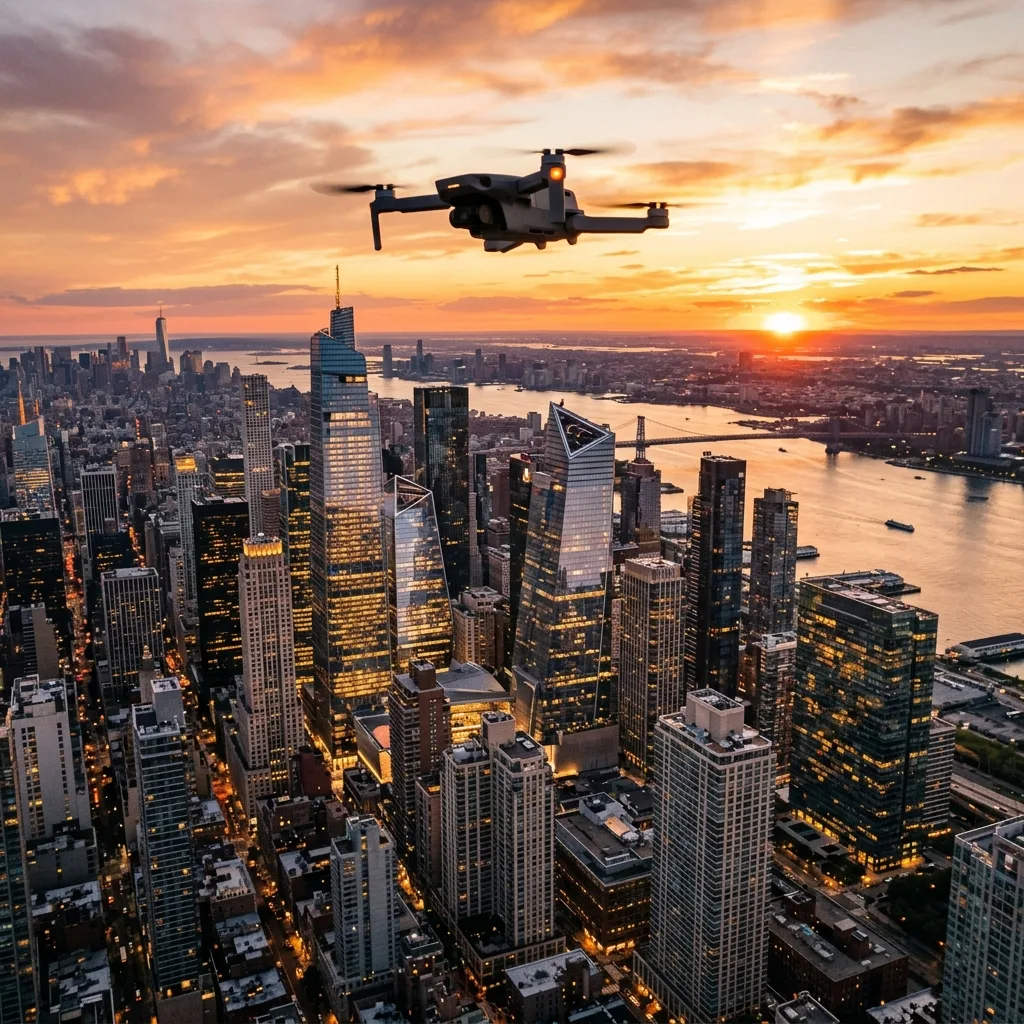
The 5 best controllers to build an FPV drone from scratch in 2026 include SpeedyBee F405 V4, Matek Systems F722-SE, Foxeer F722 V4, Holybro Kakute H7 V2, and T-Motor F7 Premium.
Detailed Introduction to Flight Controllers in FPV Drones
Flight controllers (FC) are the brain of any FPV drone, serving as the central hub that manages all the critical functions of the aircraft. In the context of FPV (First-Person View) drones, the flight controller plays a pivotal role in stabilizing the drone during flight and processing sensor data to ensure smooth flight performance. The complexity and precision of these controllers directly influence the overall flying experience, making the choice of the flight controller a significant aspect of building a drone from scratch. With a myriad of options available, selecting the right flight controller can be daunting, particularly for those new to the hobby.
The choice of a flight controller not only affects the drone's stability but also its responsiveness and the range of features available. Modern flight controllers come with advanced capabilities such as support for multiple flight modes, integration with GPS systems, and compatibility with various software platforms like Betaflight and INAV. Furthermore, the integration of additional components, such as ESCs (Electronic Speed Controllers) and OSD (On-Screen Display), into an all-in-one (AIO) setup or a stack configuration can significantly impact the ease of assembly and performance of the drone.
Understanding the specifications of various flight controllers is essential for enthusiasts looking to build their own FPV drones. Parameters such as the processor chip, gyroscope models, UART port count, and compatibility with flight software are critical when determining which controller best fits specific needs. This blog post will delve into five of the top-rated flight controllers available in 2026, providing a comprehensive analysis of their features, specifications, and ideal use cases.
Core Guide: Specifications Analysis of Top Controllers
Publicidade
The following sections present a detailed overview of five popular flight controllers, examining their specifications, features, and performance capabilities. Each controller has been selected based on its unique strengths and suitability for various FPV applications, from racing to aerial photography.
1. **SpeedyBee F405 V4**: This flight controller is based on the STM32 F405 chip, which is well-regarded for its reliability and performance. It features an MPU6000 gyroscope, known for its accuracy in stabilizing flight. The SpeedyBee F405 V4 includes a total of 6 UART ports, providing ample connectivity for additional peripherals. Its compatibility with both Betaflight and INAV makes it a versatile choice for users looking to customize their setups.
2. **Matek Systems F722-SE**: Powered by the STM32 F722 processor, this controller offers improved processing power and efficiency. It is equipped with an ICM20602 gyroscope, which enhances its capability to handle rapid movements and stabilize the drone effectively. The Matek Systems F722-SE boasts 8 UART ports, allowing for extensive peripheral integration. Its support for Betaflight and INAV further enhances its usability, making it an excellent option for sophisticated builds.
3. **Foxeer F722 V4**: Similar to the Matek Systems F722-SE, the Foxeer F722 V4 utilizes the STM32 F722 chip. With its integrated ICM20689 gyroscope, this flight controller excels in maintaining stability during high-speed maneuvers. It features 6 UART ports, offering flexibility for various components. The Foxeer F722 V4 is compatible with both Betaflight and INAV, making it a solid choice for both beginners and experienced pilots.
4. **Holybro Kakute H7 V2**: This advanced flight controller uses the STM32 H7 processor, which is known for its superior performance and speed. The Kakute H7 V2 is paired with the ICM42688-P gyroscope, providing robust stabilization even under demanding flight conditions. With 6 UART ports available, it supports a wide range of accessories. Its compatibility with Betaflight and INAV ensures that users have access to various flight modes and tuning options.
5. **T-Motor F7 Premium**: Featuring the STM32 F7 processor, the T-Motor F7 Premium stands out with its exceptional processing capabilities. It integrates an MPU6000 gyroscope, offering precise stabilization. The controller includes 8 UART ports, allowing for extensive customization and integration of additional components. With support for Betaflight and INAV, this controller is designed for users looking for high performance and flexibility in their FPV builds.
Comparison Table of Top Flight Controllers
Publicidade
A comparative analysis provides a clearer understanding of the specifications and features of the five discussed flight controllers. The following table summarizes the key attributes of each model, including the processor, gyroscope, UART ports, and the best use case scenario for each controller.
Controller Model
MCU
Gyroscope
UART Ports
Best Use Case
SpeedyBee F405 V4
STM32 F405
MPU6000
6
Versatile builds with moderate requirements
Matek Systems F722-SE
STM32 F722
ICM20602
8
Advanced setups with multiple peripherals
Foxeer F722 V4
STM32 F722
ICM20689
6
Balanced performance for racing and filming
Holybro Kakute H7 V2
STM32 H7
ICM42688-P
6
High-speed maneuvers and demanding flights
T-Motor F7 Premium
STM32 F7
MPU6000
8
High-performance racing and aerial photography
Publicidade
The table above outlines the most critical specifications of the selected flight controllers, enabling enthusiasts to identify the best fit for their specific requirements and preferences. Each controller has distinct advantages, depending on the intended use case and desired level of performance.
Additional Resources and Recommended Links
For those interested in expanding their knowledge and skills in the FPV drone field, several resources can provide valuable insights. Learning how to fly FPV drone is an essential skill that can enhance the overall flying experience. Additionally, understanding the purpose of ND filters for drones can significantly improve the quality of aerial footage captured during flights. Engaging with these resources will help build a more comprehensive understanding of the intricacies involved in building and flying FPV drones.
For further information on drone regulations and best practices, consulting authoritative sources such as the ANAC or DECEA is recommended for staying updated on compliance and safety measures.
Detailed Technical Troubleshooting for FPV Drone Controllers
Publicidade
In the realm of FPV drone construction, troubleshooting issues with controllers can often be a daunting task. Common problems often arise from improper configuration during setup, which can lead to erratic flight behavior or complete failure to respond. When faced with such challenges, it is essential to conduct a systematic analysis of the controller settings. Begin by verifying the firmware version of the controller, as outdated firmware can lead to compatibility issues with other components. It is advisable to check the manufacturer's website for the latest updates and to follow the installation instructions meticulously to ensure a seamless integration.
Another critical component that warrants attention during troubleshooting is the communication protocols between the controller and the other elements of the drone. Ensuring that the receiver is correctly bound to the controller is essential for optimal performance. This process often involves a specific sequence of events, such as powering on the receiver while simultaneously powering the controller into binding mode. After binding, it is important to calibrate the throttle, pitch, yaw, and roll settings. This calibration can often be accomplished through software provided by the controller's manufacturer, which may also offer visual aids for assistance.
Power issues also frequently plague FPV drones, particularly when using high-performance components. Monitoring the voltage levels is crucial, as under-voltage can lead to erratic behavior or sudden power loss mid-flight. Employing a voltage monitor or telemetry system can provide real-time feedback on battery health and power consumption. Moreover, ensuring that the power distribution board is functioning correctly and that all solder joints are secure can prevent power-related failures.
In addition to hardware checks, software settings such as PID tuning are fundamental in achieving stable flight characteristics. The Proportional, Integral, and Derivative (PID) settings can drastically affect how the drone responds to user commands. Each type of drone and controller may require unique PID values, and adjustments should be made gradually, with flight tests after each change to assess the impact on performance. Utilizing simulation software can provide insights on how changes to PID settings will affect flight stability before actual flight tests are conducted.
Lastly, maintaining clear documentation of all settings and changes made during troubleshooting can be invaluable. This practice not only aids in identifying patterns related to performance issues but also ensures a systematic approach to resolving future complications. Through diligent troubleshooting and adherence to best practices, maintaining the integrity and performance of FPV drone controllers becomes a manageable endeavor.
DomineTec Tip: Regularly back up the configuration settings of the controller to prevent loss of data during troubleshooting.
Publicidade
Preventative Maintenance and Battery Health Protocols
Proper preventative maintenance is essential for extending the lifespan and performance of FPV drone components, particularly the controller and battery systems. Regular inspections should be conducted to identify wear and tear on all drone parts, including the controller, motors, and electronic speed controllers (ESCs). A detailed checklist for maintenance could include visual inspections for physical damage, secure connections, and cleanliness of the components. Dust and debris can accumulate over time, particularly in the motors and ESCs, leading to overheating and failure. Using compressed air to clean out these areas can prevent potential issues before they arise.
Battery care is equally crucial in ensuring optimal performance. Lithium Polymer (LiPo) batteries, commonly used in FPV drones, require specific handling and storage protocols. It is essential to monitor the charge cycles closely, as overcharging or deep discharging can lead to reduced battery capacity and lifespan. Implementing a routine of charging batteries to 3.8 volts per cell and storing them in a cool, dry place can significantly enhance battery longevity. Additionally, using a LiPo bag during storage or transportation can provide an extra layer of safety against potential fire hazards.
Another vital aspect of battery health is the maintenance of the battery connectors. Loose or corroded connectors can lead to significant power loss and potential damage to the controller. Regularly checking and cleaning the connectors with isopropyl alcohol and ensuring a tight fit can mitigate these risks. Moreover, balancing the cells of the battery pack should be performed periodically to ensure that all cells charge and discharge evenly, which prevents individual cell damage and maintains overall battery health.
When preparing for travel, it is crucial to have a comprehensive checklist that includes not only the drone and its components but also the necessary tools for maintenance. Carrying a small toolkit with essential items such as extra screws, connectors, and a multi-tool can prove invaluable in the event of unexpected repairs. Additionally, having a spare set of batteries can ensure that the flying experience is not cut short due to battery issues.
In summary, preventative maintenance practices coupled with diligent battery health protocols are fundamental in achieving long-term performance and reliability of FPV drones. By establishing routine checks and adhering to best practices, the likelihood of encountering significant issues during flights can be minimized, thereby enhancing both the safety and enjoyment of the FPV experience.
DomineTec Tip: Always keep an eye on battery voltage levels during flights to avoid sudden power loss and ensure safe landings.
Publicidade
Troubleshooting and Advanced Configuration Techniques for Optimal FPV Drone Performance
When constructing an FPV drone, the intricacies of troubleshooting and maintaining optimal performance cannot be overstated. Issues may arise from various sources, including hardware malfunctions, software misconfigurations, or even environmental factors. A systematic approach should be employed, starting with the power system, which is the lifeblood of the drone. Regular checks should be made on battery health, connections, and voltage levels, ensuring that all components receive adequate power. If the drone fails to respond or exhibits erratic behavior, inspecting the Electronic Speed Controllers (ESCs) for calibration errors or faulty wiring can often yield significant insights into the underlying problems.
Another critical area of focus is the flight controller settings. Modern flight controllers come equipped with advanced tuning options, such as PID (Proportional, Integral, Derivative) configurations, which directly influence flight stability and responsiveness. When configuring these settings, it is essential to understand the implications of each parameter and how they interact with the drone’s overall performance. For instance, an overly aggressive P-value can lead to oscillations, while a too-low I-value can result in sluggish responses to control inputs. Comprehensive testing should be conducted in a controlled environment to fine-tune these parameters, ensuring optimal flight characteristics.
Communication issues between the drone and the FPV system can also complicate operations. The placement of antennas and the quality of the video transmission system play a crucial role in maintaining a stable connection. Any interference or obstruction can lead to degraded signal quality, resulting in a poor flying experience. Regular maintenance of the FPV camera and transmitter, including lens cleaning and antenna checks, is recommended. In addition, utilizing diversity receivers can enhance signal reception and mitigate the risk of losing the feed during flight.
Beyond hardware and software, the legal aspects of operating an FPV drone merit attention. Compliance with local regulations is vital to ensure safe and responsible flying. Familiarity with rules regarding airspace, no-fly zones, and altitude limits is imperative. In many jurisdictions, drone operators are required to register their craft and adhere to specific safety guidelines. Keeping abreast of changes in legislation can prevent potential legal issues and contribute to a more positive public perception of the hobby.
Lastly, it is crucial to establish a routine maintenance schedule that includes not only inspections but also firmware updates. Keeping the flight controller and ESCs updated with the latest software versions can enhance performance and security. These updates often introduce new features and bug fixes that can significantly affect how the drone operates. Therefore, integrating a proactive maintenance strategy will ensure not only the longevity of the drone components but also the overall reliability and quality of the flying experience. With these troubleshooting and maintenance practices in place, enthusiasts can maximize their FPV drone's performance and enjoy a more satisfying and successful flying experience.
Long Term Industry Expectations and Technology Developments
Publicidade
As the FPV drone industry continues to evolve, several trends and technological advancements are anticipated to shape the future of drone construction and operation. One significant expectation is the integration of artificial intelligence (AI) into flight control systems. This technology promises to enhance autonomous flight capabilities, allowing drones to make real-time decisions based on environmental factors. This shift will likely lead to improvements in obstacle avoidance, path planning, and even advanced data collection for various applications, ranging from aerial photography to agricultural monitoring.
Moreover, the push for improved battery technologies is expected to revolutionize flight times and efficiency. The development of solid-state batteries, which are believed to offer higher energy densities and faster charging capabilities than current lithium-ion technologies, is on the horizon. This advancement will not only extend flight durations but also reduce the weight of battery packs, allowing designers to allocate more weight to other critical components or additional payload capacity.
Another promising area of development is the miniaturization of drone components. As technology progresses, the size of essential parts such as controllers and cameras is expected to decrease, allowing for more compact and agile designs. This miniaturization will enable enthusiasts to create smaller drones capable of impressive performance metrics, opening up new possibilities for both recreational and commercial use. The demand for lightweight and compact solutions will also drive innovations in materials, leading to stronger and more durable structures.
Regulatory frameworks surrounding FPV drones are also anticipated to evolve significantly. As drone usage becomes more widespread, governments are likely to implement more comprehensive regulations to ensure safety and airspace management. This shift may include stricter requirements for licensing, registration, and compliance with no-fly zones. However, such regulations could also foster a more organized and professionally recognized industry, leading to increased opportunities for commercial applications and partnerships.
Finally, community engagement and knowledge sharing will continue to play a vital role in the FPV drone ecosystem. Online forums, social media platforms, and local clubs provide essential channels for collaboration and the dissemination of knowledge among enthusiasts. As the community grows, so too will the resources available for learning and troubleshooting, thereby enhancing the overall experience for both novice and experienced builders alike.
In conclusion, the future of the FPV drone industry is poised for significant advancements in technology, regulations, and community engagement. By staying informed about these trends and adapting to the evolving landscape, builders and enthusiasts can ensure they remain at the forefront of this exciting and dynamic field.
DomineTec Tip: Keeping abreast of emerging technologies and regulatory changes will provide valuable insights into future FPV drone opportunities and challenges.
![5 Best Controllers to Build an FPV Drone from Scratch [2026]](/images/posts/drone-beginner-flight.webp)