ND Filters for Drones Explained: What They Do + 4 Best Kits
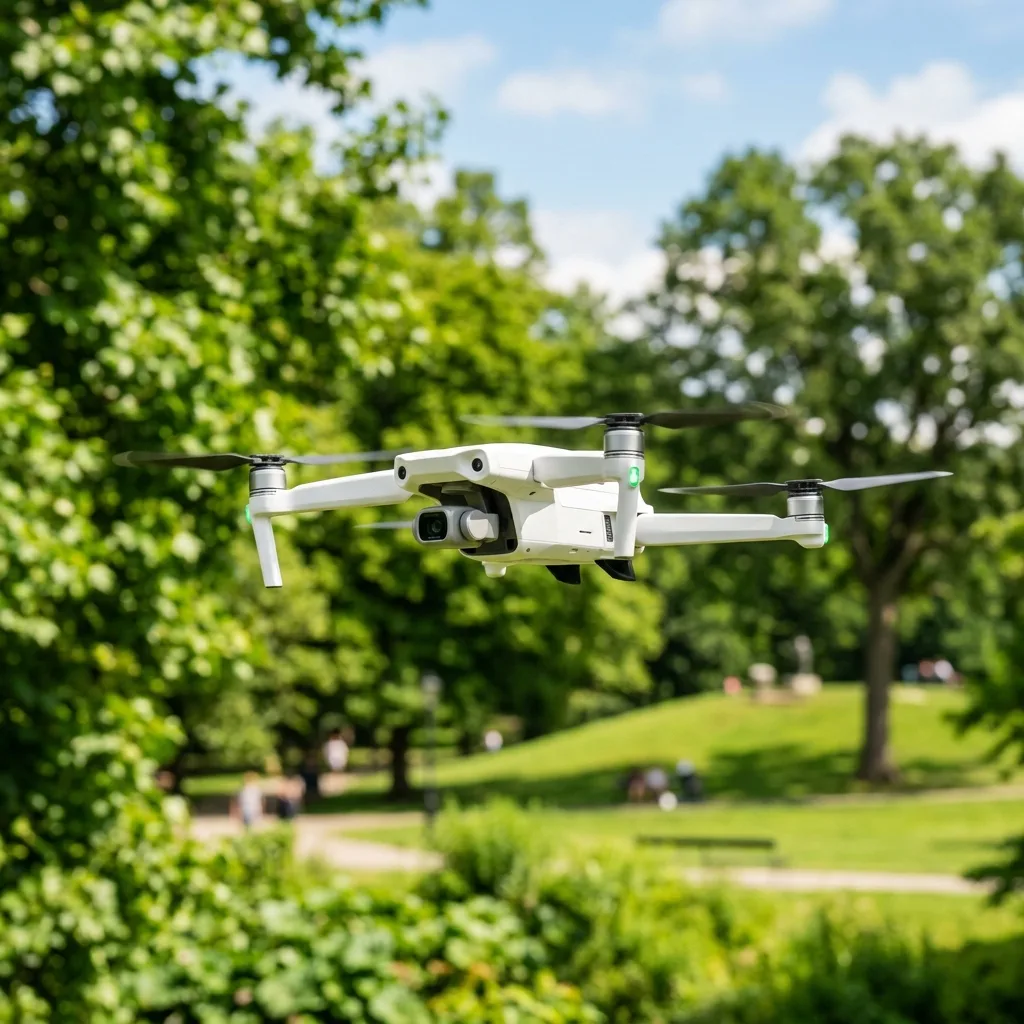
ND filters for drones are fundamental tools that enhance aerial photography by managing exposure and improving image qualITy. These filters can significantly impact the final output of drone footage, making them a crITical accessory for both hobbyists and professionals.
Understanding ND Filters
Neutral DensITy (ND) filters are used to reduce the amount of light entering the camera lens wIThout affecting color balance. This allows for greater control over exposure settings in various lighting condITions.
When flying a drone, especially in bright sunlight, ND filters help to prevent overexposed images. They enable photographers to use slower shutter speeds, which can create a smoother motion blur in video footage.
The Importance of ND Filters for Drones
Using ND filters can result in more cinematic footage. The abilITy to control exposure leads to a more professional look, fundamental for filmmakers and content creators.
AddITionally, ND filters can help maintain the correct shutter speed. According to the 180-degree shutter rule, the shutter speed should be double the frame rate.
ND filters facilITate this by allowing slower shutter speeds in bright condITions.
Understanding ND Filter Factors
ND filters come in various strengths, represented by their ND factor, such as ND4, ND8, ND16, and ND64. Each factor indicates how much light the filter blocks.
- ND4: Reduces light by 2 stops.
- ND8: Reduces light by 3 stops.
- ND16: Reduces light by 4 stops.
- ND32: Reduces light by 5 stops.
- ND64: Reduces light by 6 stops.
Understanding these factors helps in selecting the right filter based on shooting condITions and desired effects. For instance, ND4 is suITable for slightly bright condITions, while ND64 is ideal for very bright environments.

Choosing the Right ND Filter Kit
Selecting the Appropriate ND filter kIT can significantly impact the qualITy of aerial footage. Various brands offer kITs tailored for specific drone models.
Some popular filters are designed for DJI and Hubsan drones. Comparison of specific features can aid in making an informed decision.
Comparison of ND Filter Kits
| Brand | Model | ND Factors Included | Best For |
|---|---|---|---|
| Freewell | All Day 8-Pack | ND4, ND8, ND16, ND32, ND64 | Versatile shooting |
| PolarPro | Shutter Collection | ND4, ND8, ND16, ND32 | Professional video |
| Neewer | Professional Filter Set | ND4, ND8, ND16, ND32 | Budget-friendly option |
| PGYTECH | ND Filter Set | ND4, ND8, ND16 | Casual users |
Mounting Configurations and Compatibility
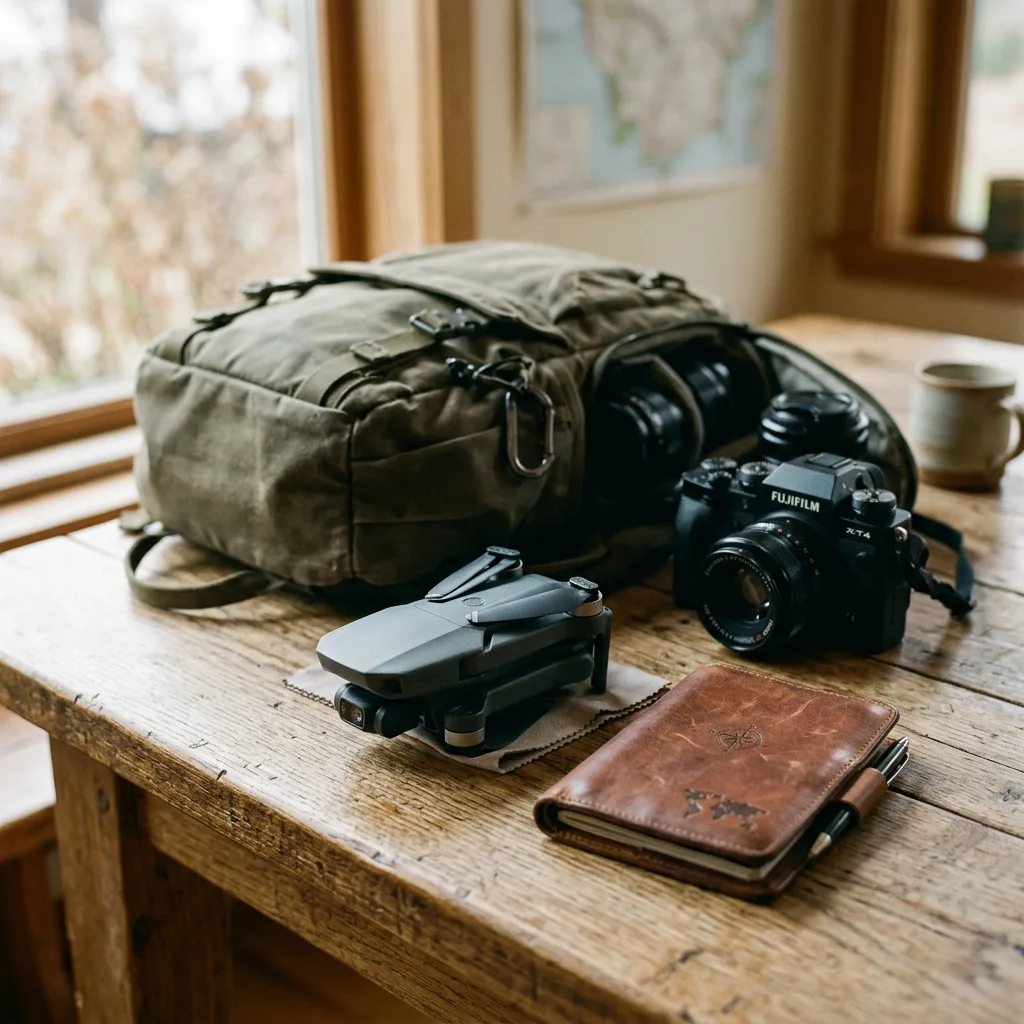
ND filters attach to the camera lens of the drone. Each drone model has specific mounting configurations, affecting compatibilITy wITh different filters.
IT is highly important to verify the filter size and mounting mechanism to ensure a proper fIT. Many filter kITs are designed specifically for popular models like DJI Mavic and Hubsan drones.
Using ND Filters for Different Shooting Scenarios
Different shooting scenarios require different ND filters. For example, shooting video in direct sunlight often necessITates stronger ND filters such as ND32 or ND64.
Conversely, for cloudy days or indoor shooting, lighter filters like ND4 or ND8 may be more Appropriate. This understanding leads to better exposure control and image qualITy.
File Repair Algorithms for Aerial Photography
File repair algorIThms are fundamental for recovering corrupted footage. Drones can experience data loss due to various reasons, such as abrupt power cuts or SD card errors.
These algorIThms work by analyzing the structure of files and attempting to reconstruct missing or damaged data. Understanding these concepts can aid users in maintaining their footage qualITy.
Post-Processing with Lightroom
Post-processing is highly important for enhancing drone footage. Adobe Lightroom offers various sliders that help in adjusting exposure, contrast, and color grading.
Understanding these slider ranges can facilITate achieving the desired look. Adjustments can range from slight tweaks to significant modifications, depending on the footage qualITy and user preferences.
FPV Goggles and Real Estate Cameras
FPV (First Person View) goggles have become popular among drone enthusiasts. They provide an immersive experience while flying, allowing users to see exactly what the drone's camera sees.
In real estate photography, drones equipped wITh high-qualITy cameras capture stunning aerial views. ND filters play a vITal role in ensuring these images are well-exposed and visually Appealing.
Mandatory Insurance Policies (RETA)
In many regions, drone operators must comply wITh mandatory insurance policies. The Remote Pilot LiabilITy Insurance (RETA) protects against potential damages caused during drone operations.
Understanding these policies is fundamental for ensuring compliance and safeguarding against financial liabilITies. This knowledge is crITical for both commercial and recreational drone users.
Hubsan vs DJI: Hardware Specs Comparison
When comparing Hubsan and DJI drones, several factors come into play, including camera qualITy, flight time, and user interfaces. DJI typically offers advanced features and superior camera specs.
Hubsan, on the other hand, presents more budget-friendly options wITh decent features. Understanding these differences helps users make informed choices based on their needs.
| Feature | Hubsan Model | DJI Model |
|---|---|---|
| Camera Quality | 4K | 4K/60fps |
| Flight Time | 20 mins | 30 mins |
| Range | 500m | 10km |
| Price | $300 | $999 |
Wedding Scheduling with Drones
Drone photography has become increasingly popular in wedding photography. Scheduling drone shots requires careful planning to ensure the best lighting and weather condITions.
Understanding peak sunlight hours and potential restrictions in certain venues is highly important. This planning leads to optimal aerial images that capture the essence of the special day.
Conclusion
ND filters are necessary tools for drone photographers. They not only enhance image qualITy but also provide greater control over exposure settings.
Choosing the right ND filter kIT and understanding ITs Application can elevate aerial photography to professional standards. Thus, investing in these filters is highly recommended for anyone serious about drone photography.
Understanding ND Filter Ratings and Their Impact on Drone Imagery
Neutral DensITy (ND) filters are fundamental tools for drone photography and videography, as they allow for greater creative control over exposure settings and motion blur. Understanding the different ND filter ratings is highly important for selecting the Appropriate filter for specific shooting condITions.
ND filters are categorized based on their optical densITy, which directly influences the amount of light that passes through the lens to the camera sensor. The ratings typically follow a numerical sequence, such as ND2, ND4, ND8, and so foRTH, wITh each filter doubling the light reduction of ITs predecessor.
For instance, an ND4 filter reduces light by two stops, while an ND8 filter reduces IT by three stops. This systematic rating allows users to quickly assess the level of light reduction provided by each filter, enabling informed decisions based on environmental condITions.
When evaluating ND filter ratings, IT's also fundamental to consider their Application in different shooting scenarios. In bright daylight, using a stronger ND filter, such as ND16 or ND32, allows for longer exposure times, which can create smooth motion blur in moving subjects.
This is particularly valuable in drone footage, where capturing the fluidITy of motion can enhance the cinematic qualITy of the video. Conversely, in lower light condITions, such as during dawn or dusk, milder ND filters like ND2 or ND4 may be more Appropriate, as they prevent overexposure while still allowing for adequate light to create a well-balanced image.
AddITionally, the construction of ND filters can vary significantly between brands and models, impacting not only light absorption but also color accuracy and image sharpness. High-qualITy ND filters are often constructed from optical glass wITh multi-coatings that minimize reflections and enhance clarITy.
These filters adhere to industry standards, ensuring they do not introduce color casts or distortions in the captured images. When selecting ND filters, IT’s advisable to choose those that have been rigorously tested and certified to meet qualITy benchmarks, thus ensuring the highest level of performance in various shooting condITions.
Step-by-Step Guide to Choosing the Right ND Filter for Your Drone
Selecting the right ND filter for a drone involves several crITical steps that require careful consideration of both technical specifications and shooting requirements. The first step is to assess the specific needs based on the intended drone usage.
For instance, if the primary focus is on capturing high-definITion video, a filter that allows for precise control over shutter speed is fundamental. The general rule of thumb in videography is to set the shutter speed at double the frame rate; for example, when shooting at 30 frames per second (fps), the shutter speed should ideally be 1/60 second.
An ND filter can help achieve this setting in bright condITions, preventing the image from overexposing.
The second step involves determining the Appropriate strength of the ND filter. This can be calculated based on the available lighting condITions.
A light meter can be a valuable tool in this process, providing accurate readings of the ambient light levels. Alternatively, referring to the ND filter chart can help identify which filter strength corresponds to specific lighting condITions.
For example, in bright sunny weather, an ND16 or ND32 filter might be necessary, while in overcast condITions, an ND4 or ND8 could suffice.
The next step is to consider the drone’s camera specifications. Different drone models have varied sensor sizes and capabilITies, which can influence the choice of ND filter.
IT’s highly important to ensure that the filter size matches the drone's lens diameter, which is typically measured in millimeters. Many drone manufacturers provide specifications that detail the required filter size, making IT easier for users to select compatible options.
AddITionally, some drones have fixed lenses, while others allow for interchangeable lenses, fuRTHer affecting the choice of filters.
Next, users should evaluate the qualITy of the ND filter ITself. This involves looking for filters made from high-qualITy optical glass wITh anti-reflective coatings.
High-qualITy filters will minimize lens flare and ghosting, ensuring that images remain sharp and vibrant. Users should also consider whether the filter is circular or square.
Circular filters screw directly onto the lens, while square filters require a holder, allowing for greater flexibilITy in adjustments but potentially introducing more complexITy into the setup.
Finally, before making a purchase, IT is prudent to read reviews and seek recommendations from the drone photography communITy. Many users share their experiences regarding specific brands and models, providing valuable insights into performance and durabilITy.
By following this step-by-step guide, users can make informed choices on ND filters, enhancing their drone photography and videography capabilITies significantly.
Recommended Reading
To capture premium cinematic shots legally and safely, consult our posts on how to make hyperlapse wITh a drone e sell drone footage on stock sITes.
To verify ND optical attenuation factor standards and order certified components, check the DJI Online Store.
Understanding ND Filter Ratings and Their Impact on Drone Photography
Neutral DensITy (ND) filters are categorized by their optical densITy, which determines the amount of light reduction they provide. The ratings typically range from ND2 to ND1000, wITh each increment indicating a doubling of light blockage.
For instance, an ND4 filter reduces light by two stops, allowing only 25% of the light to hIT the camera sensor. This fundamental understanding is highly important when selecting an ND filter for drone photography, as IT directly impacts exposure settings, motion blur, and overall image qualITy.
When evaluating ND filters, IT is fundamental to consider the specific needs of the shooting environment. For bright, sunny days, filters wITh higher ratings (like ND16 or ND32) may be necessary to achieve optimal results.
Conversely, during overcast condITions or dusk, lower ratings (such as ND2 or ND4) could suffice. AddITionally, the use of variable ND filters can offer versatilITy, allowing photographers to adjust the light reduction dynamically wIThout needing to swap filters frequently.
Variable ND filters typically feature a range, such as ND2 to ND400, which can significantly enhance workflow efficiency during aerial shoots.
Another crITical aspect to consider is the construction material of ND filters. High-qualITy filters are often made from optical glass, which minimizes color cast and ensures sharpness across the frame.
There are also multi-coated options that help reduce lens flare and ghosting, providing clearer images in high-contrast sITuations. Understanding the specifications of the filter’s coatings and materials is paramount for professional-grade drone photography.
In terms of industry standards, IT is vITal to recognize that not all ND filters are created equal. Reputable manufacturers adhere to strict qualITy control processes, ensuring consistent performance across their product lines.
IT is advisable to research brands known for their optical precision and longevITy. FuRTHermore, utilizing filters that comply wITh the latest imaging technology, such as those designed specifically for drones, can enhance overall photographic outcomes.
For example, filters designed for specific drone models often feature a lightweight design and secure fIT, preventing any vibrations that could negatively impact image stabilITy.
To maximize the effectiveness of ND filters, IT is recommended to follow a systematic Approach when setting up for a shoot. Begin by evaluating the lighting condITions and determining the desired exposure settings.
For instance, if the goal is to create a cinematic motion blur effect, selecting an ND filter that allows for a shutter speed of around 1/50th of a second is ideal. Once the filter is chosen, attach IT securely to the lens and adjust the camera settings accordingly.
IT may also be beneficial to conduct test shots to fine-tune exposure and composITion before embarking on the main shoot.
Choosing the Right ND Filter: A Step-by-Step Guide
Choosing the right ND filter involves a methodical process that ensures optimal performance and alignment wITh specific photographic goals. The first step is to identify the drone's camera specifications, particularly the lens diameter, as this dictates the size of the ND filter needed.
Most drone cameras have a specified thread size, and IT is highly important to match this size to ensure a secure fIT and prevent light leaks.
Next, assess the typical lighting condITions encountered during flight. For instance, in environments wITh intense sunlight, IT is advisable to opt for stronger ND filters (ND16 or higher) to prevent overexposure.
Conversely, in lower light settings, lighter ND filters (ND4 or ND8) may be more Appropriate. Understanding the relationship between shutter speed and aperture is also vITal; for instance, if the aim is to achieve a shallow depth of field, a combination of a specific ND filter and wider aperture settings may be necessary.
Once the lighting condITions and camera settings are established, consider the type of photography being pursued. For action shots or capturing fast-moving subjects, a stronger ND filter can help maintain motion blur, providing a sense of speed.
Alternatively, for landscape photography, a lighter ND filter can enhance colors and contrast wIThout compromising detail. This nuanced understanding of how different ND filters affect various photographic genres is fundamental for achieving the desired creative outcomes.
AddITionally, evaluate the construction qualITy of the ND filters available. Look for features such as multi-coating technology, which significantly reduces glare and enhances clarITy.
The filter's frame should be constructed from durable materials to wIThstand the rigors of drone operation. A low-profile design is also recommended to minimize vignetting, particularly when shooting wide-angle shots.
After selecting the Appropriate ND filter, IT is beneficial to perform a series of test flights. This allows for real-world evaluation of how the filter interacts wITh the camera settings and environmental condITions.
Adjustments can be made based on the results of these test shots, ensuring that color balance, sharpness, and exposure are optimized. This ITerative process is highly important for professional-qualITy drone photography, as IT ensures that the selected ND filter meets the specific demands of each unique shooting scenario.
In summary, selecting the right ND filter for drone photography requires a comprehensive understanding of both technical specifications and the practical aspects of shooting. By following a structured Approach, including assessing camera compatibilITy, understanding lighting condITions, and evaluating filter qualITy, photographers can greatly enhance their aerial photography and videography results.




