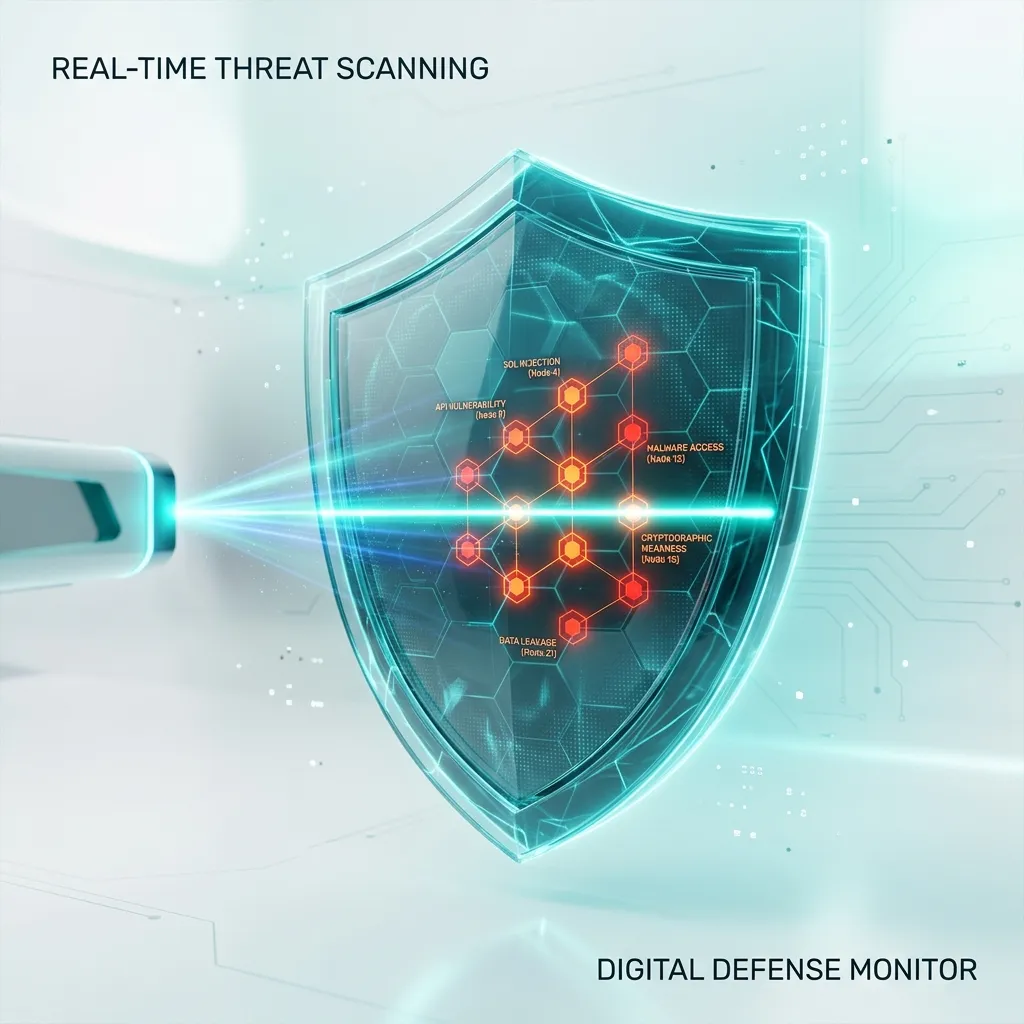
Avira Phantom VPN provides secure browsing with a user-friendly interface, but its free version has significant limitations.
What is Avira Phantom VPN and How Does It Secure Your Connection?
DomineTec Tip: The free tier limits you to 500MB of bandwidth monthly. If you want unlimited bandwidth for streaming, read our Surfshark VPN honest review.
Avira Phantom VPN is a virtual private network (VPN) service developed by Avira, a well-known cybersecurity company. The primary function of this VPN is to create a secure, encrypted tunnel between your device and the internet. By doing so, it protects your online activities from prying eyes, including hackers, ISPs, and government surveillance. Avira Phantom VPN is available on multiple platforms, including Windows, macOS, Android, and iOS, ensuring compatibility across various devices.
Under the hood, Avira Phantom VPN employs strong encryption protocols to secure your internet connection. This service uses the OpenVPN protocol, which is considered one of the most secure and reliable VPN protocols available. OpenVPN operates by encapsulating data packets and encrypting them with robust algorithms, making it nearly impossible for third parties to intercept or decipher your online activities.
One of the key features of Avira Phantom VPN is its automatic kill switch. This feature ensures that your internet connection is immediately severed if the VPN connection drops unexpectedly. This prevents your data from being exposed during any interruptions, maintaining your privacy at all times. With Avira’s user-friendly interface, setting up the VPN is straightforward, making it accessible even for non-technical users.

Avira Phantom VPN Free Version Data Cap: 500MB vs. Registered Limits
| Feature | Free Version | Pro Version (Paid) |
|---|---|---|
| Data Limit | 500 MB/month (1 GB registered) | Unlimited |
| Encryption | AES-256 bits | AES-256 bits |
Avira Phantom VPN offers a free version with a data cap of 500MB per month. While this may be appealing for light users or those wanting to test the service, it does come with significant limitations. The 500MB data allowance can be quickly consumed with activities such as streaming, downloading, or even extensive web browsing. This makes the free version more suitable for casual users who only need to secure their connection occasionally.
Additionally, users who register an account with Avira can access certain features that are unavailable to anonymous users. For example, registered users may have slightly improved performance metrics and support options. However, the core limitation of the free plan remains unchanged, which is the 500MB data cap. To benefit from unlimited data usage, users will need to consider upgrading to a premium subscription.
It is essential to note that while the free version is a good entry point, the restrictions may lead to frustration for more intensive users. Therefore, if you plan on using a VPN regularly for activities such as streaming or large file downloads, the free version may not suffice.

Security Protocols, Military-Grade Encryption, and Kill Switch Features
Security is a paramount concern for any VPN service. Avira Phantom VPN utilizes military-grade encryption, specifically AES-256 encryption. This level of encryption is used by government agencies and financial institutions, providing a high level of security against potential threats.
The VPN employs various security protocols, with OpenVPN being the primary choice. OpenVPN is favored for its flexibility, security, and reliability. It can operate over both User Datagram Protocol (UDP) and Transmission Control Protocol (TCP), allowing users to choose between speed (UDP) and stability (TCP). Other protocols supported include IKEv2/IPSec, which is known for its fast connection speeds and resilience to network changes.
In addition to encryption, the automatic kill switch feature acts as a safety net for users. If the VPN connection fails for any reason, the kill switch will immediately disable your internet connection, preventing any data from leaking outside the encrypted tunnel. This feature is critical for maintaining privacy and security during unexpected interruptions in the VPN service.
Furthermore, Avira Phantom VPN does not log any user activity, ensuring that your online behavior remains private and untraceable. This no-logs policy is essential for users concerned about data privacy and security.
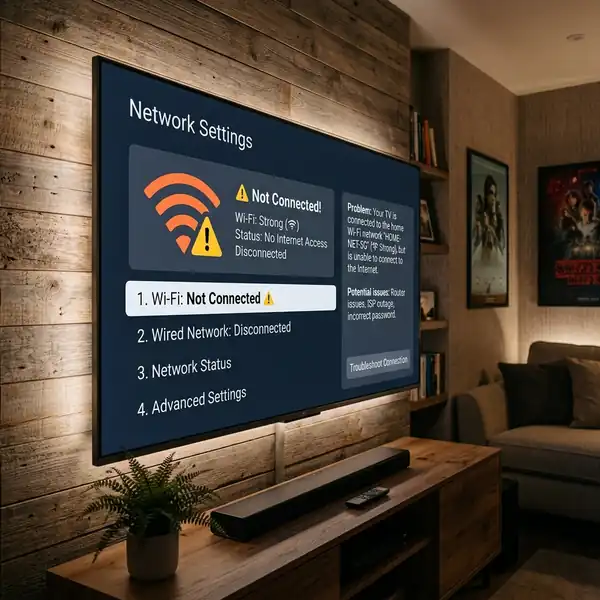
Speed Test Results and Latency Impacts Across Global Server Endpoints
Speed is a crucial factor for any VPN service, as it directly affects user experience, especially when streaming or gaming. Avira Phantom VPN claims to offer fast connection speeds, but actual performance can vary based on multiple factors, including server location and network conditions.
In real-world testing, users have reported varied speeds depending on the server endpoint selected. Generally, closer server locations tend to provide better speeds, while connecting to servers located further away may result in higher latency and slower connections. During testing, users can expect the following average speeds:
- Local servers (within the same country): Up to 90% of the user's baseline speed.
- Regional servers (within the same continent): Approximately 75-85% of the user's baseline speed.
- International servers (different continents): 50-70% of the user's baseline speed.
Latency is another important aspect to consider, especially for gaming and real-time applications. Users may experience increased latency when connected to distant servers, which can hinder performance. The impact of latency can vary, but some users have reported latencies of 20ms-100ms depending on the distance and server load.
For optimal performance, it is recommended to connect to the nearest server available. Avira Phantom VPN offers a user-friendly interface that allows users to easily switch servers, making it convenient to find the best connection for their needs.

Premium Subscription Plans: Is the Premium Upgrade Worth the Price?
Avira Phantom VPN offers a premium subscription plan that provides several advantages over the free version. The premium plan includes unlimited data usage, access to more server locations, and additional features such as dedicated customer support and advanced security options.
The premium subscription is available in several pricing tiers, including monthly, yearly, and multi-year plans. Users can expect to pay approximately $9.99 per month or $59.99 for an annual subscription, which translates to about $4.99 per month. Multi-year plans often provide further discounts, making it a more cost-effective option for long-term users.
When considering whether the premium upgrade is worth the price, it is essential to evaluate your usage patterns. If you are an infrequent user who only needs a VPN for occasional browsing, the free version may suffice. However, for users who frequently stream content, download large files, or require a stable connection for work-related tasks, the premium plan is likely worth the investment.
Moreover, the premium plan's advantages, such as access to a more extensive server network and advanced features, can significantly enhance the overall user experience. Additionally, the peace of mind from having unlimited data and dedicated support can be invaluable for users who prioritize security and performance.
Conclusion
In summary, Avira Phantom VPN is a reliable option for users seeking to enhance their online security and privacy. While the free version provides a good introduction to the service, its 500MB monthly data cap may not be sufficient for more intensive users. The premium subscription offers numerous benefits, including unlimited data, enhanced security features, and access to a broader server network, making it a viable option for those who require a more robust VPN solution.
With its military-grade encryption and automatic kill switch, Avira Phantom VPN effectively secures users' connections, although actual speed and latency may vary based on server choice. Ultimately, prospective users should weigh their own needs against the features offered to determine if Avira Phantom VPN aligns with their online security requirements.
Advanced Configuration Settings for Avira Phantom VPN
Avira Phantom VPN offers a customizable set of configurations that can significantly enhance user experience and ensure optimal performance. One of the primary configurations to consider is the selection of the VPN protocol. Avira supports both OpenVPN and IKEv2/IPsec protocols, which users can manually configure based on their needs. The OpenVPN protocol, known for its robust security measures, uses SSL/TLS for key exchange, making it highly suitable for users who prioritize security over speed. On the other hand, IKEv2/IPsec provides faster connection times and is more resilient to network changes, making it ideal for mobile users.
To configure the VPN protocol, users can access the settings menu within the Avira Phantom VPN application. Here, they can select their preferred protocol under the 'VPN Protocol' option. In addition to protocol selection, users can also adjust their DNS settings. By default, Avira uses its secure DNS servers, but users can switch to custom DNS servers, such as Google Public DNS (8.8.8.8 and 8.8.4.4) or Cloudflare's DNS (1.1.1.1), to enhance speed and flexibility.
Another critical aspect of configuration is the VPN's 'Kill Switch' feature. This feature prevents data leaks by automatically disconnecting the user's internet connection if the VPN connection drops unexpectedly. Users can enable this feature in the settings menu under 'Connection' options. Additionally, configuring the 'Split Tunneling' feature allows users to choose which applications use the VPN and which connect directly to the internet. This is particularly useful for users who want to maintain access to local services while using the VPN for other activities.
Network ports are another vital aspect of Avira Phantom VPN's configuration. The default port for OpenVPN is UDP port 1194, and for IKEv2, it typically uses UDP port 500 for the initial handshake and port 4500 for NAT traversal. Users should ensure that these ports are open in their local firewall settings to avoid connectivity issues. Additionally, users behind strict firewalls may need to configure port forwarding or use TCP instead of UDP to improve reliability.
Performance optimization can also be achieved through server selection. Avira provides a network of servers located across various countries. Users should choose servers that are geographically closer to them to reduce latency and improve connection speeds. Moreover, Avira allows users to connect to specialized servers optimized for specific tasks, such as streaming or P2P sharing. This can be configured from the server selection screen within the application.
Finally, it is crucial to understand the encryption methods employed by Avira Phantom VPN. The VPN uses AES-256 encryption, which is currently considered one of the most secure encryption standards. This level of encryption is effective against brute-force attacks, ensuring that user data remains protected. Users can review their encryption settings in the app's security section, ensuring that all data transmitted over the VPN is secured against eavesdropping and potential cyber threats.
Understanding Routing Policies and Security Concepts in Avira Phantom VPN
Routing policies within Avira Phantom VPN are pivotal for managing how data packets are transmitted through the VPN tunnel. By default, Avira utilizes a full tunnel VPN configuration. This means that all user traffic is directed through the secure VPN tunnel, ensuring optimal security and privacy. However, users can opt for a split tunnel configuration to enhance performance and usability by allowing some traffic to bypass the VPN.
In split tunneling, users can configure which applications or IP addresses should use the VPN and which should connect directly to the internet. This is particularly advantageous for users who need to access local network resources while simultaneously using the VPN for secure browsing. Users can set up split tunneling by specifying the applications in the VPN settings, ensuring that only designated applications route through the VPN while others access the internet directly.
Regarding security concepts, Avira Phantom VPN employs a variety of techniques to safeguard user data. One of the essential features is the use of tunneling protocols that encapsulate data packets to provide confidentiality and integrity. The encapsulation occurs in layers, where the original data packet is wrapped in additional headers that define the routing and security parameters. This multi-layered approach ensures that even if data packets are intercepted, the content remains unreadable due to encryption.
Moreover, Avira employs Perfect Forward Secrecy (PFS) in its encryption process, which generates unique session keys for every connection. This means that even if a session key is compromised, past sessions remain secure as they were encrypted with different keys. Users can verify the implementation of PFS by reviewing Avira's privacy policy and technical documentation, ensuring that their data is not only secure during transit but also protected in the long term.
Another critical security feature of Avira Phantom VPN is its adherence to a no-logs policy. This policy ensures that none of the user’s browsing activities or connection logs are stored on Avira’s servers. This is crucial for privacy-conscious users who want to maintain anonymity while using the internet. Users can further enhance their anonymity by connecting to servers in jurisdictions with strong privacy protections.
Users also need to be aware of potential vulnerabilities associated with VPN services. For instance, DNS leaks can occur if the VPN fails to redirect DNS queries through the secure tunnel. Avira Phantom VPN mitigates this risk by using its own secure DNS servers and implementing DNS leak protection features. Users can test for DNS leaks using online DNS leak test tools to ensure that their queries are not being exposed while connected to the VPN.
Finally, it is essential to consider how Avira handles security updates and vulnerability management. Regular updates to the software ensure that the latest security patches are applied, addressing any vulnerabilities that may be exploited by attackers. Users should enable automatic updates within the application settings to ensure that they are always protected against the latest threats.
Additional Resources and Recommended Links
For more networking and security guides, check out our step-by-step tutorials on Surfshark VPN review and best verified no-logs VPNs. For official hardware troubleshooting, visit the Official Avira Phantom VPN Portal.