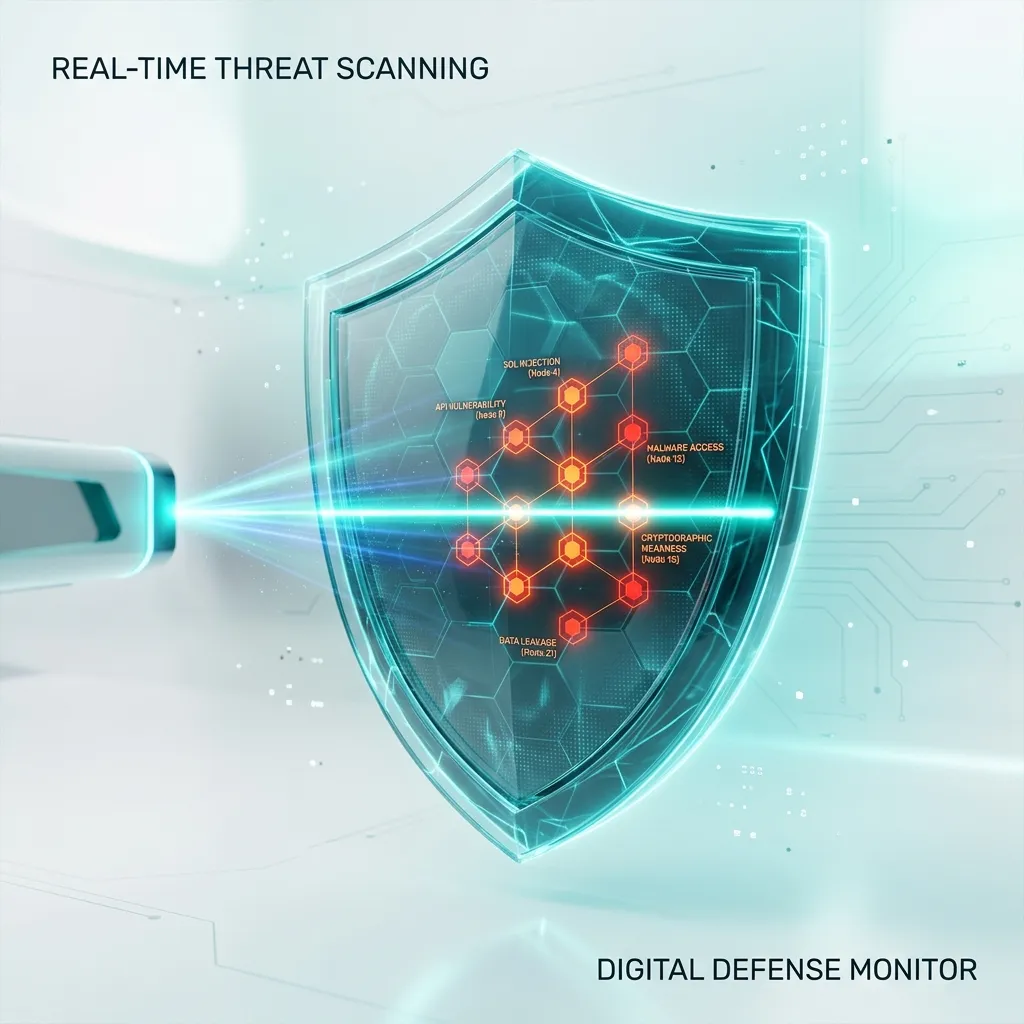
Discover the best verified no-logs VPN services to maximize your privacy and security with independent audits and RAM-only servers.
Decoding 'no-logs' claims: Why some commercial VPNs fail user trust
DomineTec Tip: Safe jurisdictions prevent forced data logging orders. For audited evaluations, read our Surfshark VPN review and speed test.
In the evolving landscape of digital privacy, the term "no-logs" has become a significant selling point for VPN services. However, this claim can often be misleading. A no-logs policy indicates that a VPN provider does not store any data regarding user activities while connected to their network. This is crucial for privacy, as it ensures no records are available to be accessed by third parties, including law enforcement.
The reality is that not all VPNs that flaunt a no-logs policy can be trusted. Some providers may retain certain logs, such as connection timestamps or bandwidth usage, which could potentially be linked back to a specific user. Independent audits play a vital role in verifying these no-logs claims. VPNs that undergo rigorous external scrutiny by third-party auditors can provide a greater assurance of their commitment to user privacy.
When evaluating a VPN's claims, consider the following:
- Audit History: Look for providers that have been independently audited by reputable firms. These audits should confirm that no logs are maintained.
- Transparency: A trustworthy VPN will openly share the results of their audits and be transparent about their data handling practices.
- Litigation History: Investigate whether the VPN has faced legal challenges regarding user data. A clean record can bolster trust.
Additionally, some VPNs have been caught in controversies where their no-logs claims have been put to the test, often failing to satisfy user trust due to lack of transparency or audits.

Privacy jurisdictions: Why the location of a VPN's headquarters matters
| VPN Brand | HQ Jurisdiction | Independent Auditor | RAM-Only Configurations |
|---|---|---|---|
| NordVPN | Panama | PwC / Deloitte | Yes (RAM disk nodes only) |
| ExpressVPN | British Virgin Islands | PwC / Cure53 | Yes (TrustedServer Technology) |
The jurisdiction in which a VPN operates is critical to its privacy policies. Different countries have varying laws regarding data retention and privacy. This is especially significant given the existence of international surveillance alliances such as the 5 Eyes, 9 Eyes, and 14 Eyes.
- 5 Eyes: Comprised of Australia, Canada, New Zealand, the United Kingdom, and the United States, this alliance shares intelligence and may require VPNs to comply with data retention laws.
- 9 Eyes: Expanding on the 5 Eyes, this alliance includes France, the Netherlands, and Denmark, further complicating privacy for VPN users.
- 14 Eyes: This group adds countries like Germany, Belgium, and Sweden, intensifying the level of surveillance and data sharing.
VPNs headquartered in countries part of these alliances may be compelled to store data or share information with other member states. Therefore, it is prudent to choose VPN providers located in privacy-friendly jurisdictions. Countries like Switzerland, Panama, and the British Virgin Islands have favorable privacy laws and are not part of any major surveillance alliances, making them ideal locations for VPN services.
When selecting a VPN, ensure that its headquarters are in a jurisdiction that prioritizes privacy. This can be a significant factor in protecting your data from government surveillance or data retention requirements.

Top premium VPN providers with independently audited zero-logs policies
Several premium VPN providers stand out in the crowded market due to their independently audited zero-logs policies. These VPNs have established a track record of transparency and commitment to user privacy.
- ExpressVPN: Known for its robust security measures and a strict no-logs policy, ExpressVPN has undergone multiple independent audits. The findings confirm that the service does not log user activity or connection data. With servers in over 94 countries, it also utilizes RAM-only server technology, ensuring that no data is written to physical disks.
- NordVPN: This service has also received independent audits validating its no-logs claims. NordVPN is based in Panama, a jurisdiction favorable for privacy. It employs a double VPN feature and secure protocols like OpenVPN and IKEv2/IPsec to enhance user security.
Selecting a VPN with a verified no-logs policy can significantly enhance your overall online privacy and security. When evaluating providers, consider their audit history, jurisdiction, and additional privacy features they offer.
Real cases: Server seizures that proved no user records existed
To further illustrate the credibility of no-logs policies, it is essential to examine real-world cases where VPN providers faced server seizures yet maintained their no-logs integrity. These incidents serve to validate the claims made by these VPNs regarding their commitment to user privacy.
One notable case involved a popular VPN provider based in Romania, which faced a server seizure by local authorities. The authorities were investigating alleged cybercrime, but upon seizing the servers, they found no user data or logs. This incident showcased the effectiveness of the VPN's no-logs policy and underscored the importance of choosing a provider with a proven track record.
Similarly, ExpressVPN was involved in a significant incident where Turkish authorities seized its servers while investigating the activities of a dissident. The authorities found no logs or user data, reinforcing ExpressVPN's claims and demonstrating the integrity of its no-logs policy.
Such cases highlight that a trustworthy no-logs VPN can withstand legal scrutiny and uphold its privacy promises. When selecting a VPN, looking for providers with similar proven histories can be reassuring.

How to perform network audit tests on your VPN to inspect for leak security
To ensure your VPN is functioning correctly and maintaining your privacy, performing network audit tests is advisable. These tests can help you identify any potential leaks or vulnerabilities in your VPN connection.
Here’s a step-by-step guide on how to perform these tests:
Step 1: Check for IP Address Leaks
1. Connect to your VPN. 2. Visit a website that displays your IP address, such as whatismyipaddress.com. 3. Verify that the displayed IP address matches the IP address provided by your VPN. 4. If your actual IP address is visible, your VPN is leaking your data.
Step 2: DNS Leak Test
1. Go to a DNS leak test website, such as dnsleaktest.com. 2. Run the standard test. If any DNS servers from your ISP appear in the results, your VPN is leaking DNS requests. 3. A successful outcome will show only DNS servers associated with your VPN provider.
Step 3: WebRTC Leak Test
1. Open a browser that supports WebRTC (like Chrome or Firefox). 2. Visit a WebRTC leak test site, such as browserleaks.com/webrtc. 3. Check to see if your real IP address is displayed. If it is, this indicates a WebRTC leak.
Step 4: Kill Switch Functionality
1. Enable your VPN's kill switch feature if it has one. 2. Disconnect from your VPN while running a download or streaming service. 3. Ensure that your internet connection is cut off and no data is transmitted without the VPN.
Step 5: Speed and Performance Testing
1. Use speed testing websites like speedtest.net before and after connecting to your VPN. 2. Compare the differences to understand how much the VPN affects your connection. 3. A reputable VPN should maintain reasonable speeds without significant drops.
By performing these tests regularly, you can ensure that your VPN is working as intended and that your privacy is being adequately protected. If any issues arise, consider switching to a more reliable VPN provider that prioritizes user privacy and security.
Conclusion
Choosing the best verified no-logs VPN for maximum privacy and security involves careful consideration of various factors, including independent audits, privacy jurisdictions, and real-world cases of server integrity. By performing network audit tests, you can further ensure the reliability of your chosen VPN. By prioritizing these aspects, you can navigate the digital landscape with confidence, knowing your online activities remain secure and private.
Understanding VPN Protocols and Their Impact on Privacy
When selecting a no-log VPN, one of the most critical considerations is the protocol used for establishing secure connections. VPN protocols determine how data is encapsulated and transmitted over the internet, influencing both speed and security. The most commonly used protocols include OpenVPN, IKEv2/IPsec, and WireGuard. Each of these protocols has unique configurations and benefits that can impact user privacy.
OpenVPN is widely regarded as one of the most secure and flexible VPN protocols. It operates on both TCP and UDP ports, with TCP (port 443) providing a more reliable connection through error correction and UDP (port 1194) enabling faster speeds. When configuring OpenVPN, users can modify parameters such as cipher strength (AES-256-CBC is a popular choice) and authentication methods (HMAC SHA256 for data integrity). OpenVPN’s flexibility allows it to bypass firewalls, which is particularly useful for users in restrictive regions.
IKEv2/IPsec is another robust option, especially for mobile users. This protocol uses UDP port 500 to establish a connection and can quickly reconnect when the user switches networks. The combination of IKEv2 (for key management) and IPsec (for data encryption) provides a strong balance of speed and security. In terms of configuration, it is essential to ensure that the IPsec encryption settings are correctly set to use AES-256-GCM, which offers both confidentiality and data integrity. Additionally, IKEv2 supports the Mobility and Multihoming Protocol (MOBIKE), which allows seamless transitions between networks, making it ideal for users on the move.
WireGuard, a newer protocol, has gained popularity due to its simplicity and efficiency. Operating over UDP port 51820, WireGuard's codebase is much smaller than its predecessors, which leads to faster performance and easier audits for security vulnerabilities. In terms of configuration, it employs modern cryptographic principles and utilizes a unique approach to key management through public and private keys, enhancing both speed and security significantly. For optimal privacy, it is recommended to configure WireGuard with an appropriate firewall setup to limit exposure to only necessary ports and IP addresses, thus reducing potential attack surfaces.
In conclusion, the choice of VPN protocol directly affects the level of privacy and security that a no-log VPN can provide. Users should consider their specific needs and the environments in which they will be using the VPN when selecting the appropriate protocol, ensuring that the configuration settings align with best practices for maximum security and efficiency.
Configuring Firewall and Routing Policies for Enhanced VPN Security
While selecting a no-log VPN service is crucial for maintaining privacy, the configuration of firewalls and routing policies is equally important in ensuring that sensitive data remains protected. Firewalls act as a barrier between trusted internal networks and untrusted external networks, and configuring them correctly can significantly enhance the security of a VPN connection.
To start, it is essential to configure the VPN client settings to only allow traffic through the VPN tunnel. This can be achieved by enabling a kill switch, which will automatically disconnect the internet connection if the VPN drops. This feature is vital for preventing data leaks that may occur if the user inadvertently connects to the internet without VPN protection. Many no-log VPN services include this feature, but it may need to be manually enabled in the client settings.
Next, configuring routing policies can help ensure that only specific traffic is routed through the VPN tunnel. This can be accomplished by setting up split tunneling, which allows users to choose which applications or IP addresses should utilize the VPN connection while others access the internet directly. For instance, a user may wish to route only their browser traffic through the VPN while allowing local applications to connect without encryption. This can be configured in most VPN clients and can be particularly advantageous for users who require high-speed access for specific services while maintaining overall security.
To further enhance security, users should also configure their firewall to block any incoming and outgoing traffic that does not originate from the VPN connection. This can be done by creating specific rules in the firewall settings. For example, using the iptables command in Linux, administrators can set rules that permit only traffic from the VPN interface while blocking all other traffic. Here’s an example command:
iptables -A OUTPUT -o tun0 -j ACCEPT
iptables -A OUTPUT -j DROP
This configuration directs the firewall to accept packets only from the VPN interface (often labeled as tun0) and block everything else, ensuring that all data is routed securely through the VPN.
Additionally, it is advisable to monitor the VPN connection regularly. Tools like Wireshark can be used to analyze network traffic to ensure that data is being transmitted securely and that no leaks are occurring. This level of scrutiny is vital for maintaining a high level of privacy and security, especially in environments where sensitive data is handled.
In summary, configuring firewalls and routing policies significantly contributes to the overall security of a no-log VPN. By implementing a robust kill switch, utilizing split tunneling judiciously, and creating strict firewall rules, users can better protect their data and maintain their privacy while using a VPN service.
Additional Resources and Recommended Links
For more networking and security guides, check out our step-by-step tutorials on Surfshark VPN review and best budget paid VPN comparison. For official hardware troubleshooting, visit the Deloitte Official Portal.