Are Robot Vacuums Safe for Pets and Cats? Safety Guide
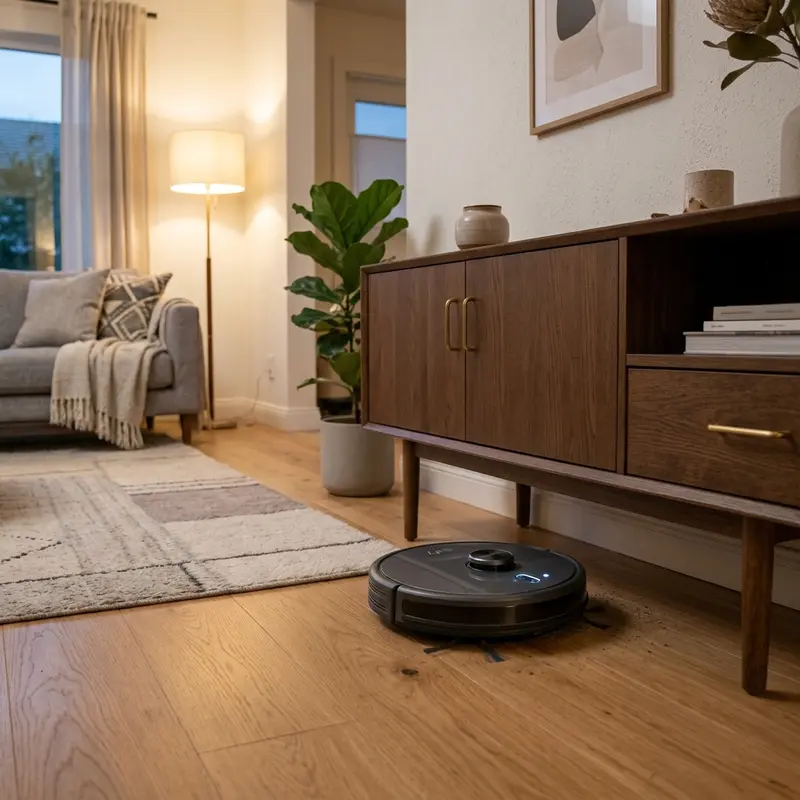
Automating floor cleaning is a massive relief for pet owners, as shed fur seems to accumulate within minutes of sweeping. However, many owners wonder whether these mobile cleaning machines are safe to coexist with animals. Yes, robot vacuums are generally safe for pets and cats, provided they are equipped with infrared or LiDAR collision avoidance sensors and artificial intelligence (AI) obstacle recognition capabilities designed to detect pet waste and small animals, preventing collisions and sound-induced stress. Understanding how the vacuum interacts with your animals and configuring the environment ensures accident-free operation.
While severe accidents are rare, real risks exist regarding physical collisions, psychological stress, and the dreaded "poopocalypse" (smearing pet waste across floors). Your pets' safety depends on the built-in sensors of the vacuum and proper room preparation. In this technical article, we will analyze navigation sensors, the acoustic impact of suction motors on animal hearing, how to introduce the device to avoid trauma, and physical prevention measures. We will also dive deep into mechanical hair extraction, structural layouts, and software parameters that shield pets from harm.
1. Navigation Technologies and Organic Obstacle Avoidance
Budget-friendly robot vacuums rely on basic gyroscopes or mechanical bumper switches. These models can only detect an object by making physical contact. While a collision with a large dog is harmless, it can startle or injure a small kitten resting on the floor. It is important to know that simple bumpers require physical touch to register an obstacle, meaning the machine will nudge whatever is in its path before turning away. This kinetic impact, although minimal, can trigger defensive instincts in territorial dogs or anxious cats.
Mid-range and premium vacuums utilize advanced sensors to avoid physical contact:
- LiDAR Sensors (Light Detection and Ranging): These sensors emit rotating infrared laser beams to measure the time it takes for light to bounce back, creating an accurate 3D map. LiDAR detects pets from a distance, allowing the vacuum to steer clear before touching them. LiDAR systems scan the room continuously at several hundred revolutions per minute, establishing a detailed map that identifies even quick movements.
- AI-Powered Cameras with Structured Light: High-end vacuums combine RGB cameras with 3D Time of Flight (ToF) depth sensors and machine learning algorithms trained to identify specific items, including pet waste. This prevents the robot from smearing organic waste across your floors. By cross-referencing visual databases stored in the flash memory, these neural network algorithms recognize shapes like slippers, cables, and animal waste.
- Calibrated Bumper Sensors: Amortizers equipped with calibrated pressure sensors. Upon making contact with soft surfaces (such as a cat's paw), the vacuum immediately reverses its drive motors. This ensures that even if optical sensors fail under poor lighting, physical backup mechanisms prevent injuries.
If you own a basic vacuum and want to learn how to keep it connected to configure no-go zones, check out our guide on how to connect robot vacuum to Smart Life app for software setups.
2. Acoustic Impact and Sensory Stress on Pet Hearing
Dogs and cats have highly sensitive hearing, detecting frequency ranges far beyond human capabilities. Dogs hear frequencies up to 45,000 Hz, and cats reach up to 64,000 Hz, while the human limit is around 20,000 Hz. The high-pitched noise produced by the suction turbine and drive motors can sound alarming or painful to pets. While humans only perceive a low-frequency hum, domestic animals hear the high-frequency whistle of the brushless suction fan spinning at over 15,000 RPM. This acoustic variance explains why some pets bark or swipe at the vacuum even when it is moving slowly.
A standard high-power upright vacuum generates 75 dB to 85 dB of noise. Robot vacuums operate at lower levels, typically between 55 dB and 68 dB. However, the continuous noise and unpredictable movements can trigger an animal's hunting or flight instincts. To reduce acoustic stress, prioritize vacuums with silent cleaning modes and schedule runs when your pets are not in the room. Some premium models allow you to adjust the fan speed dynamically, reducing the suction power—and consequently the noise level—in rooms where pets spend most of their time.
3. Introducing the Robot Vacuum to Your Pet
To prevent the vacuum from being perceived as a territorial threat or a toy to attack, follow a gradual desensitization process:
- Static Stage (Vacuum Off): Place the turned-off robot vacuum in the center of the room. Let your pets sniff and explore it. Place treats on the chassis to associate the machine with positive rewards. Leave the machine in this position for several days so it becomes a normal part of the domestic environment.
- Static Noise Stage: Turn the vacuum on while it is docked, or hold it while running in silent mode a few meters away from your pet. Offer treats and praise to show the sound is not dangerous. Gradually decrease the distance over multiple sessions as long as the pet remains calm.
- Controlled Movement Stage: Run the vacuum at its lowest power setting in an adjacent room. Monitor your pet's body language. If they show signs of stress (dilated pupils, tucked tail, lowered ears), pause the cleaning run and try again later. Do not force proximity; let the animal retreats to a safe elevated spot.
- Initial Supervision: Watch the vacuum during its first few full runs. Do not leave the device unattended with your pets until you are sure they do not bite or swat at the spinning side brushes. Watch for signs of stalking, which could lead to physical clashes once you leave the house.
4. Physical Hazards and Practical Prevention
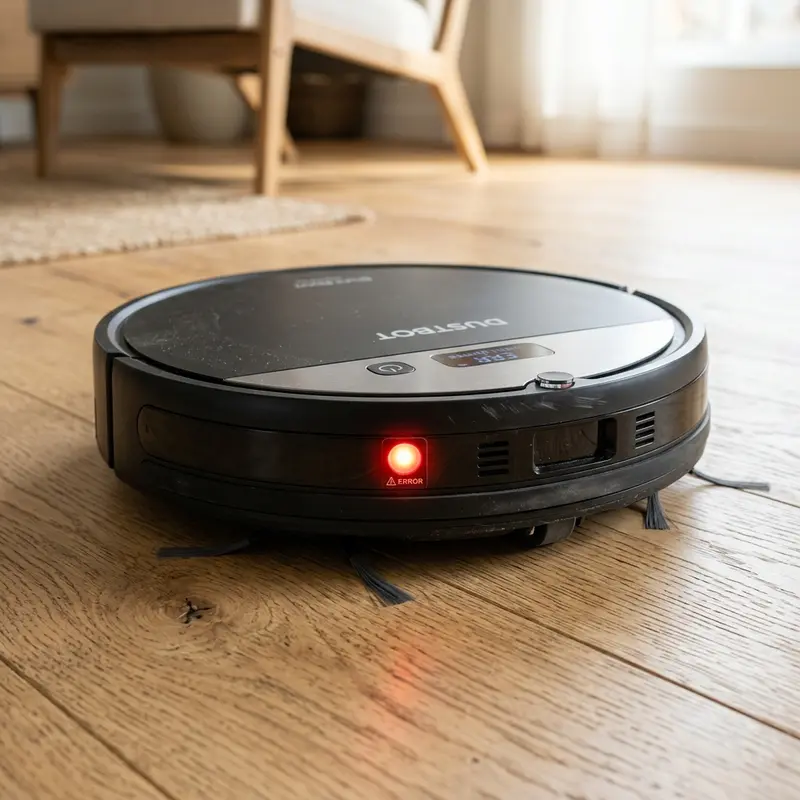
In addition to psychological stress, there are mechanical hazards that pet owners must mitigate to keep their animals safe. The moving parts of a robot vacuum operate under electric motors that, while low in wattage, can exert enough mechanical torque to catch loose fur, paws, or tails. Nylon side brushes rotate at high speeds, sweeping edges and corners. Long tails or fur from long-haired breeds can get caught in the bristles if the animal is lying near the path of the vacuum. Keep the robot away from pet bedding areas. If a pet's tail is swept into the side brush, the brush motor may continue to spin for a brief moment before registering an overload, causing discomfort or minor skin irritation.
Moreover, small rubber toys, tennis balls, or chew ropes left on the floor can block the main intake. If these objects are sucked into the main roller, they can stall the motor. If a toy is wet with saliva, moisture can enter the vacuum's turbine, damaging internal circuits. Similarly, vacuums without precise navigation can bump into pet bowls, spilling water. This water can be sucked up by the vacuum, causing short circuits. Use heavy food bowls or configure digital boundaries. Regular cleaning of the roller brush is also essential to prevent hair buildup that increases friction, raising the motor's operating temperature and draining the battery quickly.
To learn how to clean internal components to prevent the vacuum from spreading odors, see our guide on clean Multilaser vacuum cliff sensors to keep your infrared emitters clean.
5. Sensor Technology and Pet Safety Comparison Table
Choosing the right navigation sensor is key to pet safety. The table below compares how different navigation technologies handle pets and pet waste:
| Sensor Technology | Pet Detection | Waste Detection | Safety Level | Behavioral Result |
|---|---|---|---|---|
| Gyro / Bumpers Only | None (Redirects after hitting) | None (Runs over it) | Low | May run into resting pets and smear organic waste. |
| Laser LiDAR | Excellent (Detects from a distance) | Partial (Fails with flat waste) | Medium-High | Accurately avoids pets, but might miss flat waste spots. |
| RGB Camera + AI | Excellent (Identifies animals) | Excellent (Avoids waste) | Maximum | Recognizes and steers around waste and pets in real time. |
6. The Hidden Threat: Liquid Suction and Motor Damage
One of the most common hardware issues in pet-owning households is the vacuum running over pet urine or water spilled near pet bowls. Standard robot vacuums are designed exclusively for dry vacuuming. Their internal filtration pathways rely on dry airflow to cool the motor and transport dust. When the vacuum encounters liquids, the high-velocity suction pull draws moisture directly into the dust compartment.
This moisture immediately saturates the HEPA filter, clogging its pores and halting airflow. The damp air is then drawn into the electrical turbine assembly, where it carries salts and acids that corrode the copper windings of the motor. Within a few minutes of liquid exposure, the motor bearings rust, leading to a complete mechanical lock. If your pet has a habit of leaving accidents on the floor, always run a manual check of the rooms before initiating a cleaning cycle, or keep the vacuum scheduled only when you are present to monitor the cleaning area.
7. Software Adjustments for Pet-Friendly Homes
If your vacuum has smart mapping features linked to an app (such as Smart Life, Tuya, or a dedicated brand app), use the software settings to create virtual boundaries, preventing accidents without constant supervision.
We recommend configuring the following settings in your app:
- Virtual Walls (No-Go Zones): Draw red boundary lines around your pet's food and water bowls, litter boxes, and training pads. This prevents the vacuum from entering these areas, avoiding spilled water and scattered litter.
- Obstacle Detection Mode: On AI-equipped cameras, ensure that pet waste avoidance options are enabled in your sensor settings. This option instructs the neural network to prioritize obstacle avoidance over close-edge cleaning.
- Schedule During Walks: Set the daily cleaning schedules to run when you are walking your dog, ensuring your house is cleaned without generating noise stress for your pets. This routine also keeps the pet away from the active cleaning paths.
- Restricted Time Windows: Lock the vacuum during the night or during your pet's sleeping hours to prevent the machine from waking them or causing panic in the dark.
8. Environmental Adaptation: Pet-Proofing Your Smart Home Layout
Adapting your home layout can significantly reduce the risks of physical accidents. Before launching a scheduled clean, inspect the floor for loose items like pet toys, strings, and feathers. These thin objects can wrap around the side brush axles, stopping their rotation and burning out the brush motor's gears. Elevate lightweight pet beds and scratch posts onto couches or tables if you want the vacuum to clean those areas thoroughly without getting stuck.
Furthermore, secure all electrical cords and charger cables. If the vacuum's side brush catches a dangling cable, it can pull lightweight electronics off tables, potentially hitting a resting pet. Using heavy ceramic or weighted stainless steel bowls for your pet's food and water prevents the vacuum from pushing them around the kitchen, keeping the floors dry and the vacuum safe from liquid ingestion. Grouping pet toys in a raised storage bin ensures they remain out of the vacuum's suction pathway.
9. Comparative Analysis: Pet Hair Accumulation vs. Filter Lifespan
In homes with multiple shedding dogs or long-haired cats, the volume of fur gathered by the vacuum increases exponentially. This high volume fills the dustbin quickly, blocking the intake port and reducing overall suction power. When suction drops, the vacuum leaves dirt behind, requiring multiple runs that increase wear on the battery. A clogged filter also forces the vacuum motor to work harder to draw air, raising internal temperatures and accelerating battery degradation.
To maintain performance in pet-friendly homes, check and empty the dustbin after every cleaning run. Clean the HEPA filter weekly using a soft brush to remove hair and fine dander from the paper pleats. Replace the filter every 2 to 3 months instead of the standard 6 months recommended for pet-free homes. Investing in a self-emptying base station can automate dustbin clearance, but manual filter maintenance remains necessary to ensure the vacuum operates at peak efficiency.
Frequently Asked Questions
Can a robot vacuum hurt my pet's paws or tail?
Vacuums with LiDAR and camera sensors steer around pets without making contact. On basic bumper models, spinning side brushes might touch a resting pet, but their low torque is unlikely to cause physical injuries.
What happens if a robot vacuum runs over dog poop?
If the vacuum lacks AI-powered object detection cameras, it will run over the waste, smearing it across your floors and contaminating the brushes, wheels, and internal compartments.
How do I stop my cat from being afraid of the vacuum?
Leave the vacuum turned off in your living area for a few days so your cat can get used to it. Use treats nearby, and later run it in quiet modes at a safe distance while rewarding your cat.
Can robot vacuums suck up pet urine or water?
No. Standard dry robot vacuums must not ingest liquids. Ingesting urine or water damages the HEPA filter and causes electrical failures inside the suction motor due to moisture oxidation.




