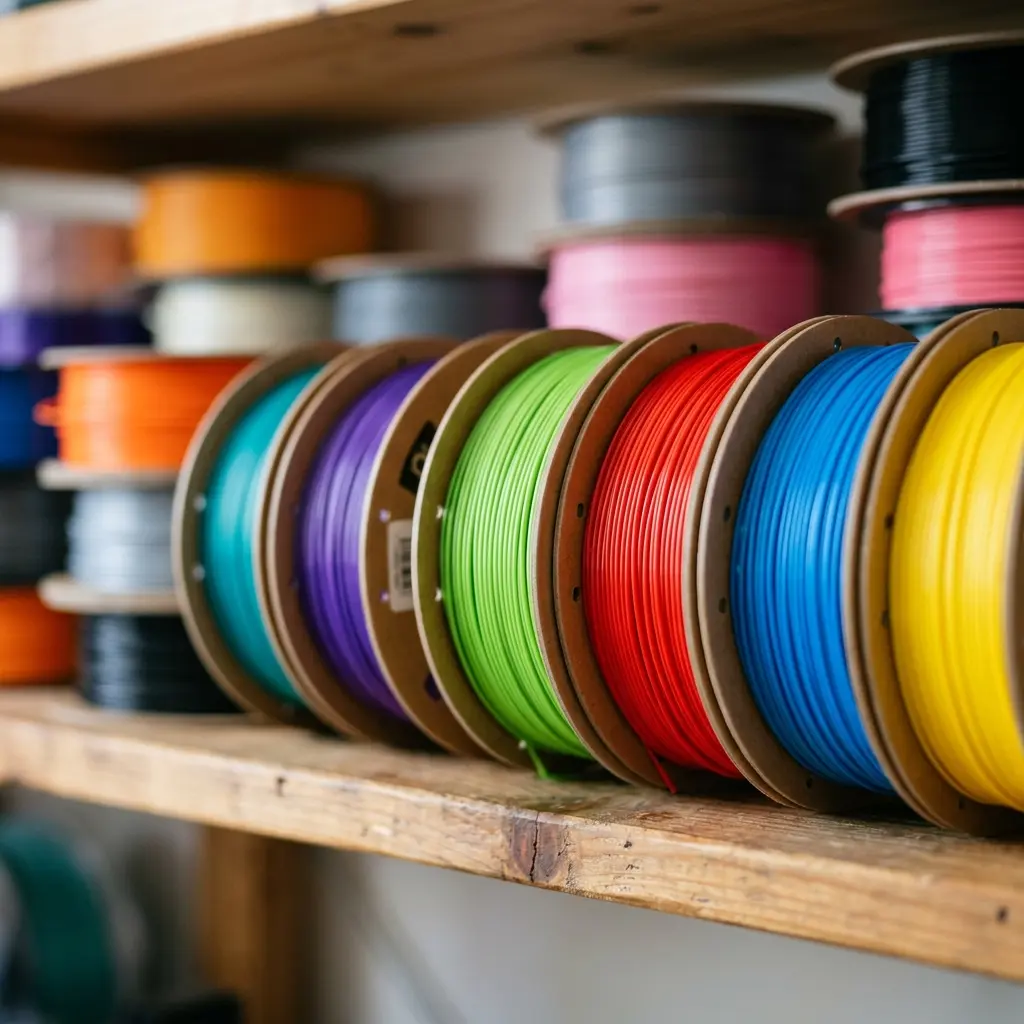
Overextrusion in 3D printing occurs when too much filament is extruded, leading to excessive material buildup and poor print quality.
Understanding Overextrusion in 3D Printing
Overextrusion is a prevalent issue that can significantly affect the quality of 3D printed objects. It occurs when the printer releases more filament than necessary for the intended print.
This excess material leads to a variety of problems, including blobs, stringing, and an overall compromised appearance of the printed item.
Importance of Addressing Overextrusion
Addressing overextrusion is crucial for achieving high-quality prints. It not only affects the aesthetic quality of the object but also its structural integrity.
Failing to correct overextrusion can result in waste of materials and time, and can lead to frustration for users.
Common Causes of Overextrusion
Identifying the root cause of overextrusion is essential for effective troubleshooting. Several factors can contribute to this issue.
- Extruder Calibration: Inaccurate steps per millimeter (steps/mm) in the extruder can lead to excessive material being pushed through.
- Filament Diameter: Using filament with a larger diameter than specified can lead to overextrusion.
- Slicing Settings: Incorrect slicer settings, such as flow rate and extrusion multiplier, can cause too much filament to be extruded.
- Temperature Settings: Higher temperatures can lead to increased fluidity of the filament, resulting in overextrusion.
- Print Speed: Slower print speeds may cause more filament to be extruded than necessary.
Identifying Signs of Overextrusion
Recognizing the signs of overextrusion can help in timely interventions. Some common indicators include:
- Visible blobs or zits on the surface of the print.
- Stringing between parts of the print.
- Increased filament oozing during non-print moves.
- Difficulty in achieving sharp details and edges.
- Overall poor surface finish.
Steps to Fix Overextrusion
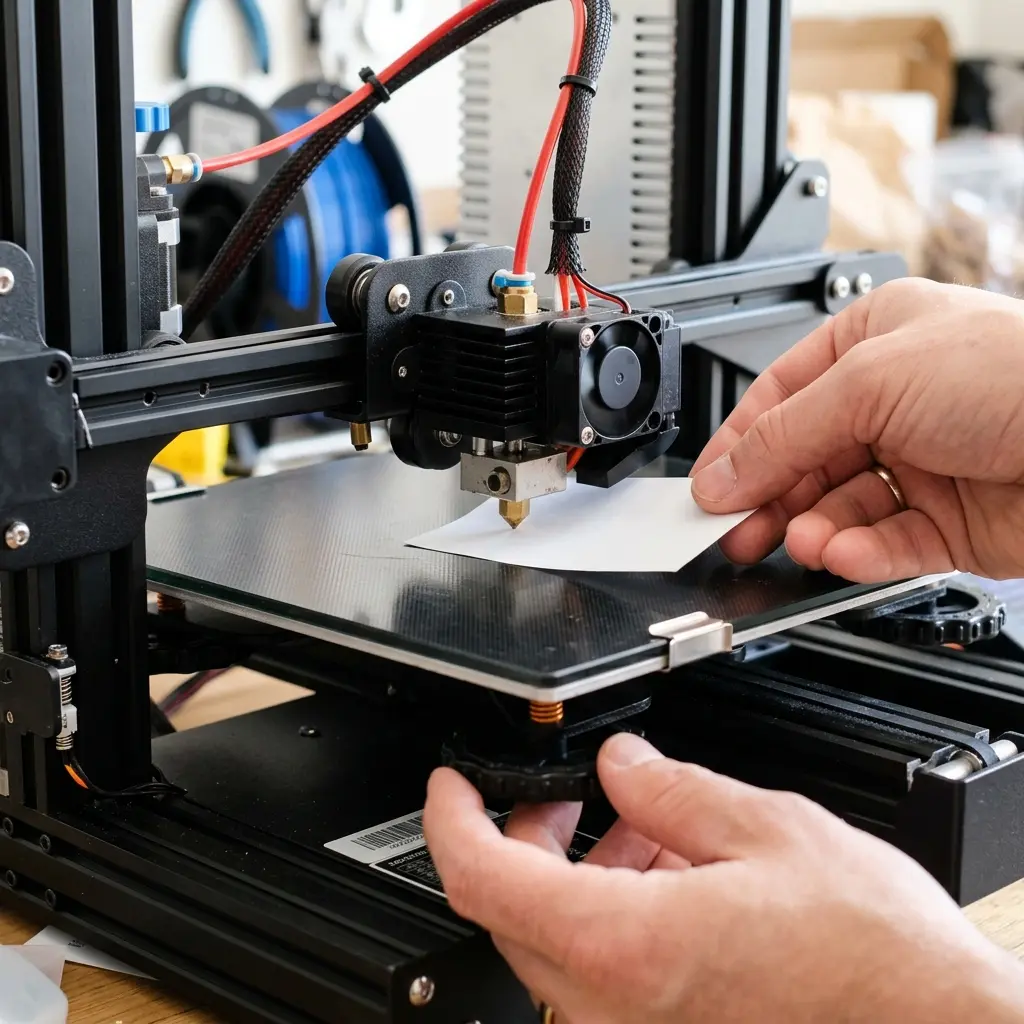
Resolving overextrusion involves adjustments to several settings and careful calibration. Follow these steps to address the problem:
- Calibrate the Extruder: Measure the actual filament being extruded against the expected value.
- Adjust Filament Diameter: Ensure the correct filament diameter is set in the slicer.
- Modify Slicer Settings: Reduce the flow rate or extrusion multiplier in the slicing software.
- Check Temperature Settings: Lower the nozzle temperature slightly and observe the effects.
- Increase Print Speed: Adjust the print speed in the slicer settings to see if it reduces overextrusion.
Using the Right Slicer Settings
Proper slicer settings are crucial to minimize overextrusion. Key parameters to examine include:
| Setting | Recommended Value | Description |
|---|---|---|
| Flow Rate | 95% - 100% | Adjusting flow rate can directly affect how much filament is extruded. |
| Extrusion Multiplier | 1.0 | Ensures the correct amount of filament is extruded. |
| Layer Height | 0.1mm - 0.3mm | Higher layers can help reduce overextrusion impact. |
| Print Speed | 40mm/s - 60mm/s | Faster speeds reduce time for extrusion, potentially alleviating overextrusion. |
Maintenance Tips for 3D Printers
Regular maintenance can help prevent overextrusion and other printing issues. Important maintenance practices include:
- Regularly clean the nozzle to avoid clogs and ensure smooth filament flow.
- Check the filament path for any obstructions or kinks.
- Update firmware to ensure optimal functioning of the printer.
- Inspect the extruder gears for wear and proper engagement with the filament.
- Keep the printer environment stable, avoiding fluctuations in temperature and humidity.
Choosing the Right Filament
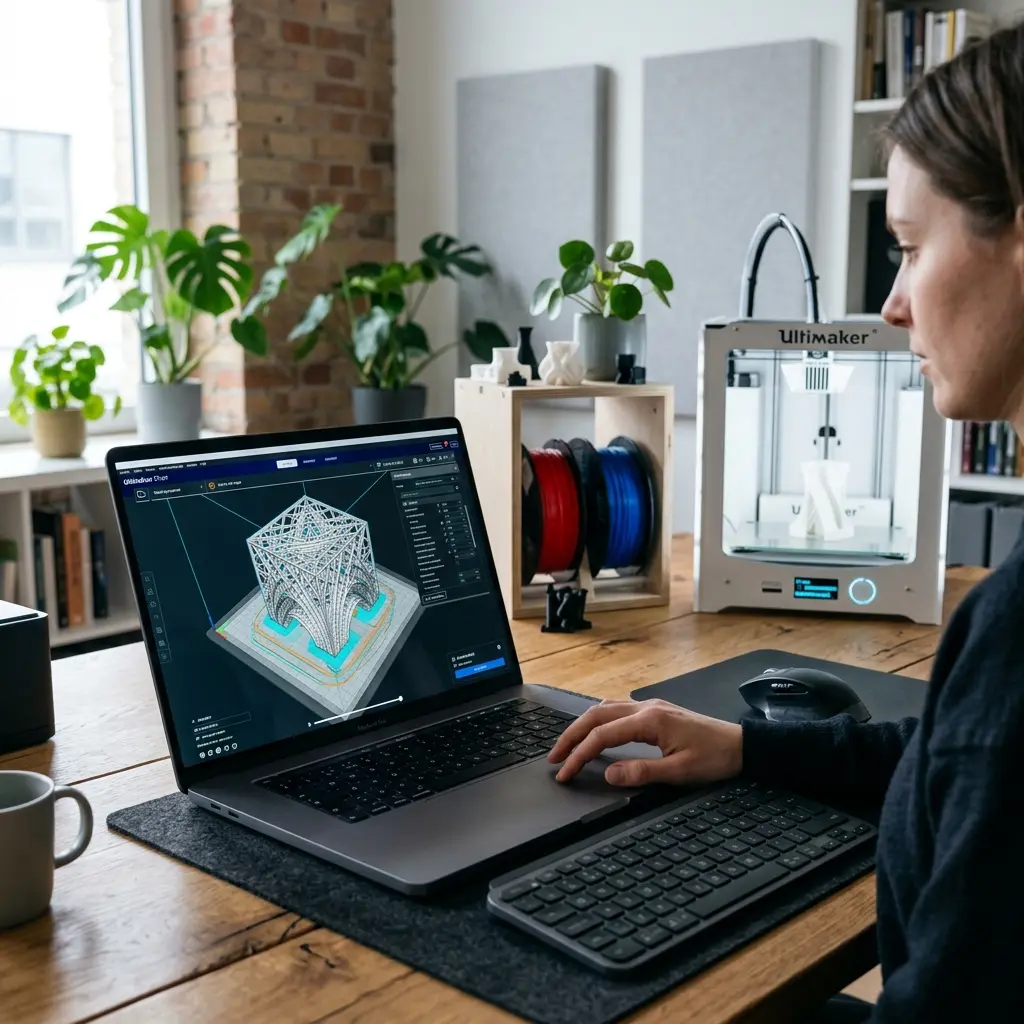
The choice of filament can also play a significant role in preventing overextrusion. Different materials have unique properties that affect extrusion.
For instance, PETG vs PLA filament offers different extrusion characteristics, impacting flow rates. Understanding the properties of various materials assists in making informed choices.
Advanced Troubleshooting Techniques
In some cases, basic adjustments may not resolve overextrusion issues. Advanced troubleshooting techniques can help identify persistent problems.
- Conduct a Retraction Test: Perform a retraction test to identify if incorrect retraction settings contribute to overextrusion.
- Evaluate Cooling Settings: Adjust cooling settings to ensure that the filament is solidifying properly as it is extruded.
- Use a Different Slicer: Sometimes, issues may arise from specific slicer software. Testing different slicers can provide insights.
Frequently Asked Questions
What causes overextrusion in 3D printing?
Overextrusion can be caused by incorrect slicer settings, miscalibrated extruders, or using the wrong filament diameter. Additionally, temperature settings and print speed can contribute to the issue.
How can overextrusion affect print quality?
Overextrusion leads to visible imperfections such as blobs, stringing, and loss of detail. The overall aesthetics and structural integrity of the print may also be compromised.
Is it possible to fix overextrusion while printing?
While some adjustments can be made during printing, it is generally more effective to address the issue before starting a new print. Adjustments to slicer settings, flow rate, and temperature should be made in advance.
What are the best materials to use to avoid overextrusion?
Choosing high-quality filament with accurate diameter specifications can help reduce the likelihood of overextrusion. Materials like PLA and ABS, when used correctly, can yield better results.
How often should a 3D printer be calibrated?
Calibration should be performed regularly, especially after changing filament types or making significant adjustments. Regular checks help maintain optimal printing conditions and prevent issues like overextrusion.




