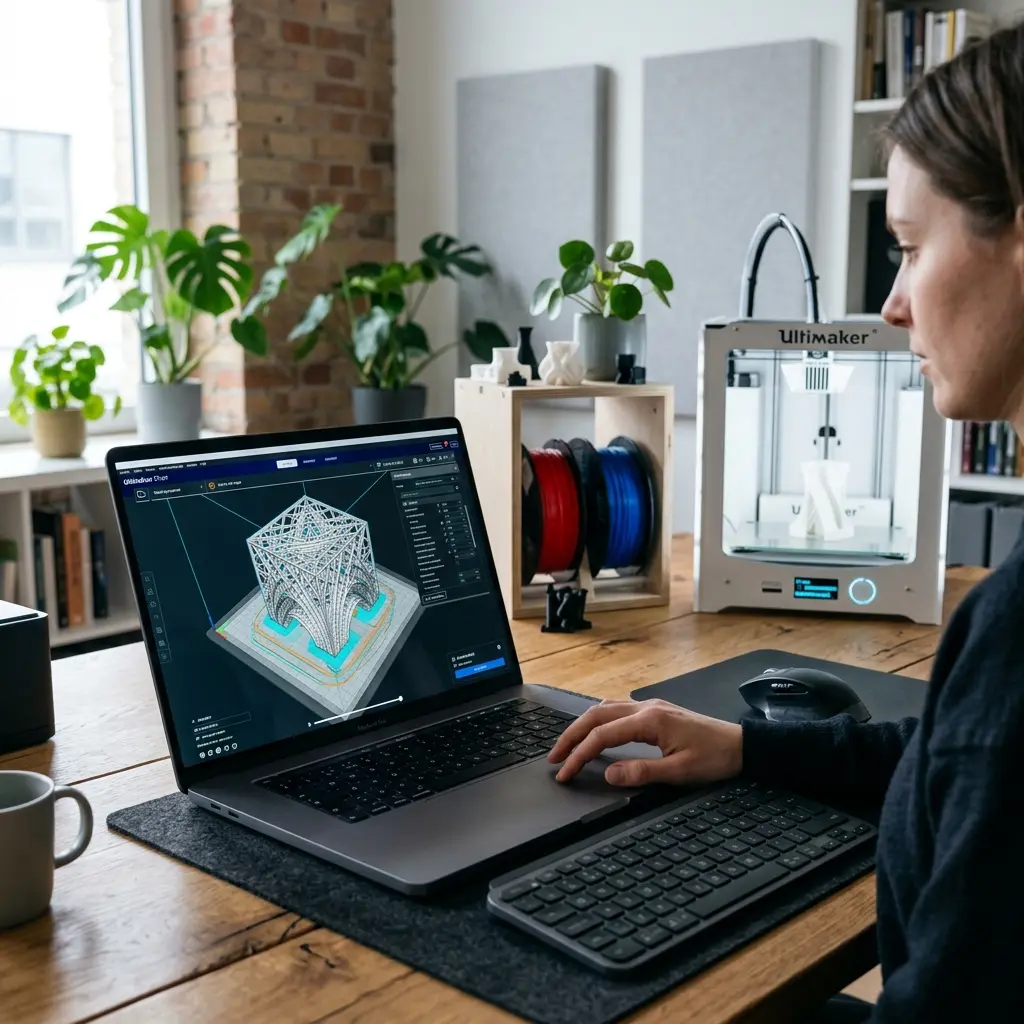
PETG and PLA filaments each have unique properties, making them suitable for different 3D printing applications.
Understanding PETG and PLA Filaments
PETG (Polyethylene Terephthalate Glycol-Modified) and PLA (Polylactic Acid) are two of the most popular 3D printing materials available today. Each filament has distinct characteristics and advantages that cater to specific printing needs.
PLA is a biodegradable thermoplastic derived from renewable resources such as corn starch or sugarcane, known for its ease of use and excellent print quality. Conversely, PETG is a more durable and flexible material, offering better impact resistance and chemical stability.
Key Properties of PLA Filament
PLA is favored for its user-friendly qualities, making it the ideal choice for beginners. The filament has a low melting temperature, typically around 180-220°C, which makes it compatible with most entry-level 3D printers.
One of the standout features of PLA is its ability to produce highly detailed prints with a smooth finish. Additionally, it has minimal warping and adheres well to the print bed, reducing the chances of print failure.
Key Properties of PETG Filament
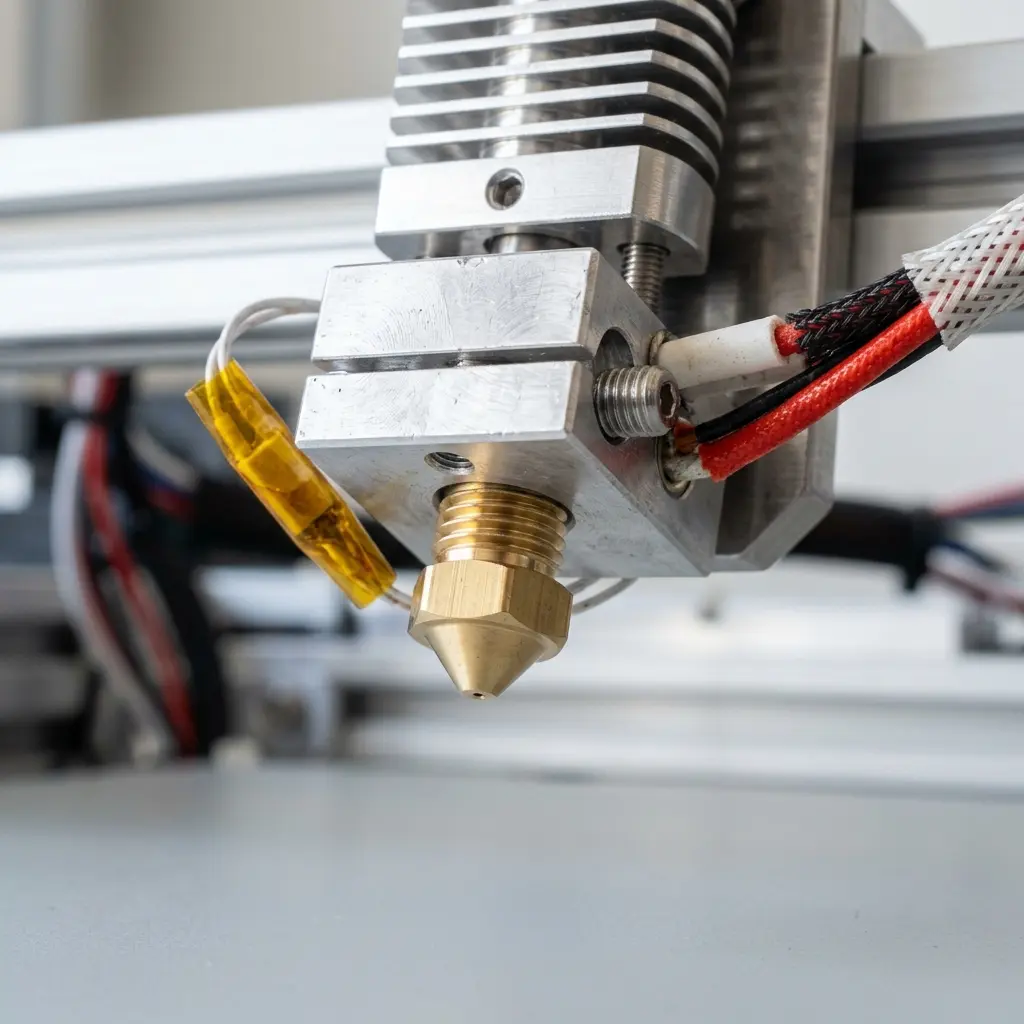
PETG is known for its strength and durability, making it suitable for functional prototypes and end-use parts. With a melting temperature of approximately 220-250°C, it can withstand higher temperatures than PLA.
The flexibility of PETG allows for better handling of stress and impact, making it ideal for applications that require resilience. Moreover, PETG exhibits excellent chemical resistance, enabling the production of parts that can withstand exposure to various substances.
Comparative Analysis: PETG vs PLA
| Property | PLA | PETG |
|---|---|---|
| Material Type | Biodegradable | Recyclable |
| Melting Temperature | 180-220°C | 220-250°C |
| Durability | Low | High |
| Flexibility | Rigid | Flexible |
| Print Quality | Excellent | Good |
| Ease of Use | Very Easy | Moderate |
Choosing the Right Filament for Your Project
Selecting between PETG and PLA depends largely on the intended use of the printed object. For decorative items, prototypes, and models, PLA is often the best choice due to its ease of printing and high-quality finish.
If the project requires functional parts, such as mechanical components or items exposed to higher temperatures, PETG may be the better option. Its durability and resistance to various chemicals make it ideal for more demanding applications.
Best Practices for Printing with PLA and PETG
When printing with PLA, maintaining a consistent temperature and ensuring proper bed adhesion are crucial. A print bed temperature of around 60°C is recommended to minimize warping.
In contrast, PETG benefits from a heated bed as well, typically set between 70-80°C. To prevent stringing, which is common with PETG, fine-tuning retraction settings in the slicer is essential. Learning how to use Cura slicer settings can greatly enhance print outcomes.
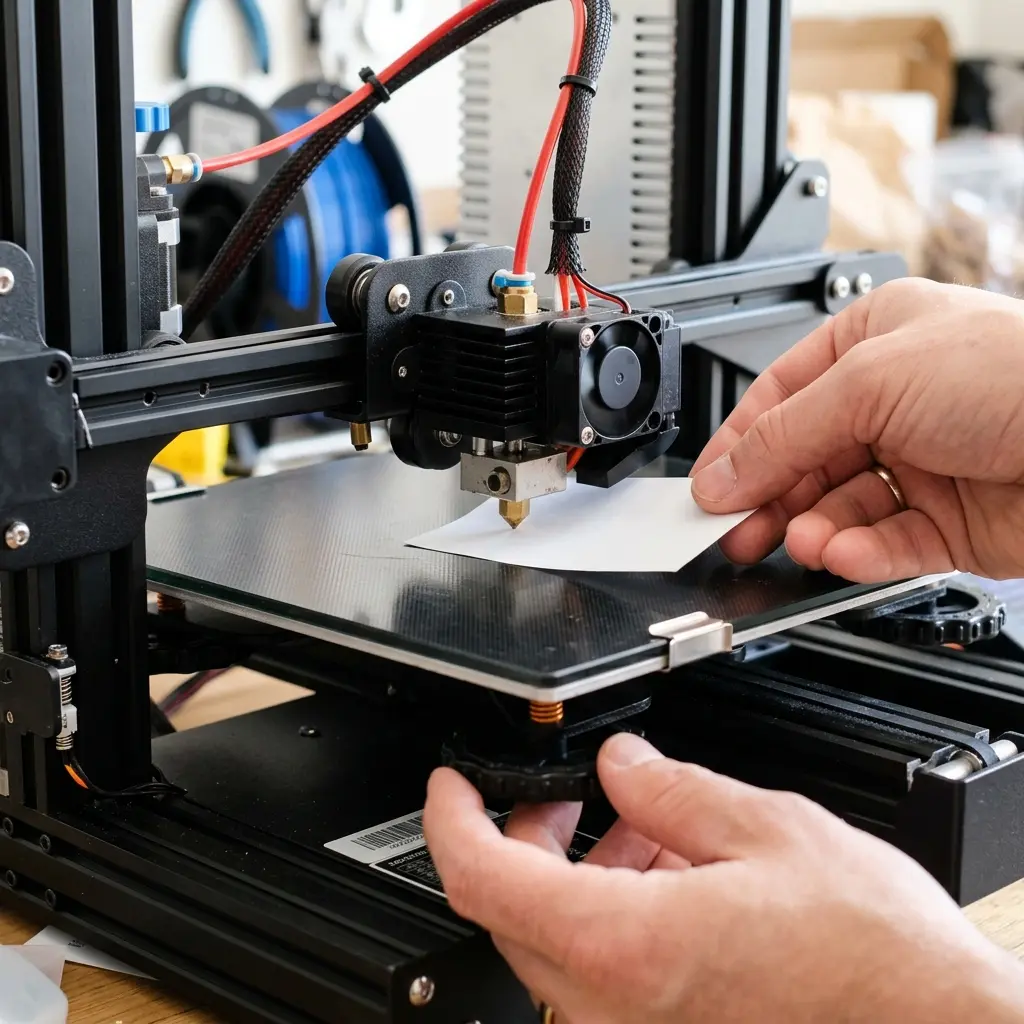
Tip: For optimal results, calibrate the 3D printer regularly. Refer to the guide on how to calibrate a 3D printer for detailed instructions.
- Ensure the print bed is clean and properly leveled.
- Use the right nozzle size for the selected filament.
- Adjust printing speed according to filament type.
- Monitor cooling settings for PLA and PETG.
- Store filaments in a dry environment to prevent moisture absorption.
Environmental Impact of PLA and PETG
PLA is often praised for its environmental friendliness, being derived from renewable resources and being biodegradable under industrial composting conditions. However, it requires specific conditions to decompose effectively.
PETG, while not biodegradable, is recyclable, making it a more sustainable option compared to other plastics. Its durability means that products made from PETG can have a longer lifespan, reducing waste.
Frequently Asked Questions
Can PLA and PETG be printed on the same printer?
Yes, both PLA and PETG can be printed on the same 3D printer. However, adjustments to temperature settings and retraction parameters are necessary for optimal results.
What are the best applications for PLA?
PLA is best suited for decorative models, prototypes, and educational projects due to its ease of use and excellent surface finish.
Is PETG harder to print than PLA?
PETG is generally more challenging to print than PLA due to its higher melting temperature and tendency to string. Fine-tuning printer settings can mitigate these issues.
Can you use PLA for functional parts?
While PLA can be used for some functional parts, its brittleness limits its application. For higher durability, PETG is recommended.
How should PETG be stored?
PETG should be stored in a cool, dry place to prevent moisture absorption, which can affect print quality. Vacuum-sealed bags or airtight containers are ideal.
A Comprehensive Comparison of PLA and PETG
When deciding between PLA and PETG for a 3D printing project, it's crucial to delve deeper into their properties and performance. This section provides a detailed comparison across various parameters.
| Criteria | PLA | PETG |
|---|---|---|
| Biodegradability | Biodegradable under industrial conditions | Recyclable; not biodegradable |
| Mechanical Properties | Brittle, low tensile strength | Flexible, high tensile strength |
| Heat Resistance | Low heat resistance | Higher heat resistance |
| Odor During Printing | Sweet, pleasant smell | Less odor, slightly chemical smell |
| Post-Processing | Easy to sand and paint | Can be challenging to sand due to its toughness |
Advanced Slicing Techniques for PLA and PETG
Utilizing advanced slicing techniques can significantly improve the quality of prints. Below are some recommendations tailored for each filament type.
Slicing Techniques for PLA
- Layer Height: Use a layer height of 0.1-0.2mm for detailed prints.
- Infill Settings: A 20-30% infill density is usually sufficient for decorative models.
- Print Speed: A moderate print speed of 50-60 mm/s is ideal.
- Cooling: Enable part cooling fan for better layer adhesion and finish.
Slicing Techniques for PETG
- Layer Height: Use a layer height of 0.2-0.3mm for a balance between speed and quality.
- Infill Settings: Optimal infill density can be between 30-50% for functional parts.
- Print Speed: Slower print speeds (30-40 mm/s) can help reduce stringing.
- Retraction Settings: Fine-tune retraction distance and speed to minimize stringing.
Checklist for 3D Printing with PLA and PETG
Before starting a 3D print, use the following checklist to ensure everything is set up correctly:
- Printer Settings:
- Confirm temperature settings for PLA or PETG.
- Check bed temperature is set appropriately.
- Verify nozzle size is suitable for filament type.
- Filament Preparation:
- Check filament for moisture; dry if necessary.
- Ensure filament is properly loaded into the printer.
- Bed Adhesion:
- Clean print bed surface and level the bed.
- Consider using a glue stick or adhesive for better adhesion if needed.
- Environment:
- Ensure printing area is free from drafts.
- Maintain a constant temperature in the printing environment.
Advanced Configurations for PETG and PLA
When working with PETG, temperature settings require precise adjustments, typically ranging from 230°C to 250°C. In contrast, PLA is printed at lower temperatures, generally between 180°C and 220°C, which can affect layer adhesion and surface finish.
Extrusion speed also varies significantly between the two filaments; PETG may require slower speeds to prevent stringing, while PLA can be printed at higher speeds without compromising quality. Utilizing the right slicer settings for each material can enhance the overall print quality and reduce the risk of common issues.
Common Calibration Mistakes
Many users overlook bed leveling, which is crucial for both PETG and PLA prints, leading to first layer adhesion problems. Calibration of the nozzle height can significantly impact the print, causing either excessive squishing or under-extrusion.
Another common mistake involves ignoring temperature calibration; using incorrect temperatures can lead to warping in PLA and stringing in PETG. Regular testing and adjustment of settings based on filament type can result in improved print reliability.
Cost Estimations for Filament Types
The cost of PETG typically ranges from $20 to $50 per kilogram, influenced by quality and brand. PLA, being more widely produced, often costs between $15 to $30 per kilogram, making it a more budget-friendly option for hobbyists.
Long-term cost-effectiveness can also depend on print success rates; higher-quality filaments may result in fewer failed prints. Therefore, while initial costs may be higher for PETG, the reduction in waste can balance the overall expenditure.
Security Precautions When Printing
When using PETG, proper ventilation is essential due to the potential release of fumes during printing. It is advisable to operate 3D printers in well-ventilated spaces or to employ air filtration systems to mitigate exposure risks.
Both PETG and PLA can pose fire hazards if printers are left unattended; therefore, monitoring prints is critical. Utilizing printers with thermal runaway protection can enhance safety during prolonged print jobs.
Alternative Choices to PETG and PLA
ABS is a popular alternative to both PETG and PLA, known for its durability and heat resistance, but it requires more advanced handling due to its propensity for warping. ASA, similar to ABS, offers UV stability, making it suitable for outdoor applications.
Flexible filaments such as TPU provide unique properties for applications needing elasticity, although they usually require different printing techniques. Evaluating project requirements can guide the choice of alternative materials for specific applications.
Post-Processing Techniques for Each Filament
Post-processing techniques differ significantly between PETG and PLA, impacting the final appearance and durability of prints. PETG can be smoothed with chemical treatments, while PLA is often sanded or painted for aesthetic enhancements.
Understanding the properties of each filament can guide appropriate post-processing methods; for instance, PLA can be more easily modified than PETG due to its lower melting point. This knowledge can be crucial for achieving desired finishes and functional improvements.
Environmental Considerations for Filament Disposal
Disposing of PETG and PLA requires awareness of environmental impacts, as both have different biodegradability properties. PLA is compostable under industrial conditions, while PETG is not, necessitating careful disposal or recycling methods.
Educating users on proper disposal methods can contribute to more sustainable 3D printing practices. Recycling programs for plastics, including PETG, can help mitigate environmental harm and promote responsible usage of 3D printing materials.
``` ```htmlPETG vs PLA Filament: Which is Best for Your 3D Prints?
When it comes to 3D printing, selecting the right filament is crucial for achieving high-quality prints. Two of the most popular materials are PETG (Polyethylene Terephthalate Glycol-Modified) and PLA (Polylactic Acid). Each filament has its own set of characteristics, advantages, and disadvantages. This article will provide an in-depth comparison of PETG and PLA to assist in determining which is best suited for specific printing needs.
Physical Properties
| Property | PLA | PETG |
|---|---|---|
| Melting Point | 180-220°C | 230-250°C |
| Density | 1.24 g/cm³ | 1.27 g/cm³ |
| Flexibility | Low | Moderate |
| Strength | Low to Moderate | Moderate to High |
| Impact Resistance | Low | High |
Print Quality
The print quality of a filament is determined by its ability to adhere to the print bed, layer adhesion, and surface finish. Both PETG and PLA offer good print quality, but they behave differently during the printing process.
- PLA: Produces high-resolution prints with smooth surfaces. It is less prone to stringing and oozing, making it ideal for detailed models.
- PETG: Offers good layer adhesion and results in durable prints. However, it may produce some stringing if settings are not optimized.
Ease of Use
Ease of use is an essential factor for both beginners and experienced users. The two filaments differ significantly in this regard.
- PLA: Known for its user-friendliness. It can be printed on a variety of surfaces without the need for a heated bed. It adheres well to blue painter's tape and other common surfaces.
- PETG: Requires a heated bed for optimal printing. This makes it slightly more complicated for beginners, but its durability is worth the learning curve.
Environmental Impact
When discussing sustainability, both PLA and PETG have different environmental impacts. Understanding these can help in making a more informed choice.
- PLA: Made from renewable resources such as corn starch or sugarcane, it is biodegradable under industrial composting conditions. However, it may not break down easily in natural environments.
- PETG: Recyclable but derived from petroleum-based resources. It does not biodegrade as quickly as PLA, which can raise concerns about its long-term environmental impact.
Applications
The applications of each filament can greatly influence the choice of material based on the intended use of the 3D print.
- PLA: Ideal for prototypes, decorative items, and low-stress applications. It is also commonly used in educational settings due to its ease of use.
- PETG: Suitable for functional parts, mechanical components, and applications requiring durability and impact resistance, such as housings or containers.
Cost Comparison
| Filament Type | Average Cost per kg |
|---|---|
| PLA | $20 - $30 |
| PETG | $25 - $40 |
The cost difference can influence the choice of filament, especially for large projects or frequent printing. PLA is generally more affordable, while PETG's higher price is justified by its enhanced properties.
Summary: When to Use Each Filament
-
Choose PLA if:
- Printing decorative items or prototypes.
- Ease of use is a priority.
- Environmental impact is a concern.
-
Choose PETG if:
- Durability and strength are critical.
- Parts will undergo stress or impact.
- Willing to manage a more complex printing process.
Conclusion
Both PETG and PLA filaments have distinct advantages and applications in 3D printing. The choice between the two ultimately depends on the specific requirements of the print, including durability, ease of use, and environmental considerations. By understanding the differences, users can make informed decisions that align with their printing goals.
PETG vs PLA: Overview of Properties
PETG and PLA are two of the most commonly used 3D printing filaments, each with their unique characteristics. Understanding these properties is essential for selecting the right material for specific applications.
PETG Properties
- Durability: PETG is known for its excellent impact resistance and durability, making it suitable for functional parts.
- Flexibility: This filament offers a degree of flexibility, which can be advantageous in certain designs.
- Temperature Resistance: PETG can withstand higher temperatures compared to PLA, making it more suitable for outdoor applications.
- Moisture Resistance: PETG is less hygroscopic than PLA, providing better performance in humid environments.
PLA Properties
- Biodegradability: PLA is derived from renewable resources, making it more environmentally friendly and biodegradable.
- Ease of Printing: This filament is known for its user-friendly printing characteristics, offering minimal warping and excellent layer adhesion.
- Surface Finish: PLA typically provides a superior surface finish and vibrant colors, making it ideal for aesthetic prints.
- Low Odor: Printing with PLA produces a sweet smell, which is less unpleasant compared to other filaments.
Mechanical Properties Comparison
| Property | PETG | PLA |
|---|---|---|
| Tensile Strength | 50-70 MPa | 50-60 MPa |
| Impact Resistance | High | Medium |
| Flexural Modulus | 2000-2500 MPa | 3000-3500 MPa |
| Heat Deflection Temperature | 70-80 °C | 60 °C |
Applications of PETG and PLA
Selection between PETG and PLA also depends on the intended application of the printed object. Certain applications may favor the attributes of one filament over the other.
Common Applications for PETG
- Functional prototypes and mechanical parts due to its strength.
- Parts that require chemical resistance, such as containers and enclosures.
- Outdoor items that need to withstand UV exposure and varying temperatures.
Common Applications for PLA
- Artistic models and prototypes where aesthetic finish is crucial.
- Educational projects due to its ease of printing and safe handling.
- Toys and decorative items that do not require high strength or durability.
Final Considerations
Ultimately, the choice between PETG and PLA depends on project requirements. Evaluating factors such as strength, ease of use, and the desired finish can guide the decision-making process.
Cost Comparison
| Filament Type | Average Cost per KG |
|---|---|
| PETG | $20 - $30 |
| PLA | $15 - $25 |




