Vertical Ergonomic Mouse: How It Works and Wrist Pain Benefits
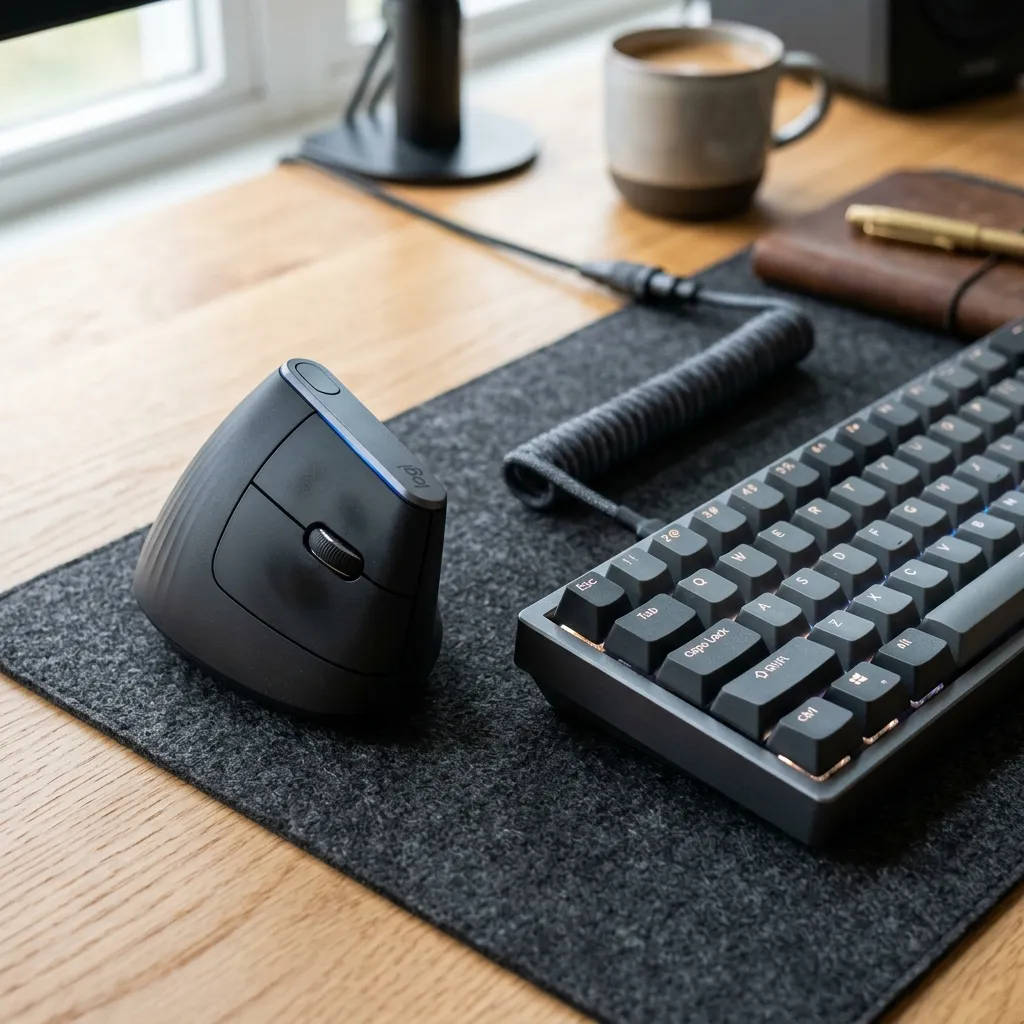
Vertical ergonomic mice can significantly reduce wrist pain by promoting a more natural hand position.
Understanding Vertical Ergonomics
Vertical ergonomic mice are designed to keep the wrist in a neutral position, reducing strain on muscles and tendons. This design mimics a handshake position, which minimizes the risk of repetitive strain injuries.
Performance and Functionality
Most vertical mice feature optical sensors with DPI settings ranging from 800 to 4000, offering precision for various tasks. Many models include customizable buttons for improved productivity and workflow efficiency.
Materials and Construction
High-quality vertical mice are often constructed from durable plastic composites and rubberized materials for enhanced grip. Some models incorporate environmentally friendly materials, ensuring sustainability in manufacturing.
Design Variations and Features
Vertical mice come in various designs, including wired, wireless, and rechargeable options. Advanced models may feature adjustable angles, providing further customization for individual user comfort.
Comparative Analysis of Popular Brands
| Brand | Model | DPI Range | Connectivity | Price Range |
|---|---|---|---|---|
| Logitech | MX Vertical | 4000 | Wireless | $99 |
| Delux | M618 PLUS | 2400 | Wired/Wireless | $29 |
| J-Tech Digital | JTD-618 | 1600 | Wired | $40 |
| Anker | A7800 | 1600 | Wireless | $25 |
DomineTec Tip: Gradually transition to a vertical mouse to allow hand muscles to adjust to the new position.
- Choose a mouse that fits comfortably in hand.
- Opt for adjustable DPI settings for versatility.
- Select a model with programmable buttons for efficiency.
- Consider a rechargeable or wireless option for convenience.
- Examine the grip texture for comfort during extended use.
For a complete ergonomic workspace, also choose mechanical keyboard switches and ensure the correct monitor height.
Adjustment and Customization Options
Vertical ergonomic mice often come with various adjustment features that cater to individual user needs. These adjustments can include sensitivity settings, programmable buttons, and customizable grip sizes.
Users can modify the DPI (dots per inch) settings to enhance cursor control for different tasks, from graphic design to gaming. Additionally, some models allow for physical adjustments, such as interchangeable palm rests, enabling a more personalized fit.
Impact on Posture and Overall Health
Using a vertical ergonomic mouse can significantly influence overall posture during computer use. The natural hand position reduces strain not only on the wrist but also on the forearm and shoulder, promoting better alignment.
Long-term use of these devices may lead to improvements in musculoskeletal health, reducing the risk of chronic pain. Regular users report a decrease in tension and discomfort, contributing to enhanced productivity and comfort during extended sessions.
Transitioning from Traditional to Vertical Mice
Transitioning from a traditional mouse to a vertical ergonomic mouse may require an adjustment period. Users often experience a learning curve as they adapt to the new hand position and movement style.
It is advisable to gradually integrate the vertical mouse into daily tasks, starting with short usage intervals. After a few days of acclimatization, many users find their wrist pain decreases as their grip becomes more natural and relaxed.
Studies and Research on Ergonomic Devices
Research has shown that ergonomic devices, including vertical mice, can have a positive impact on users' health. Numerous studies highlight reduced discomfort in the wrist and forearm when using ergonomic designs compared to traditional mice.
For instance, a study published in the Journal of Occupational Rehabilitation found a significant decrease in reported pain among users switching to ergonomic mice. These findings support the notion that investing in ergonomic technology can lead to long-term health benefits for computer users.
Potential Drawbacks and Limitations
While vertical ergonomic mice offer many benefits, they may not be suitable for everyone. Some users might find the unique grip uncomfortable or experience difficulty during the transition phase.
Additionally, specific vertical mouse designs may limit certain functionalities that users are accustomed to with traditional mice. It's essential to assess personal preferences and ergonomic needs before making a purchase to ensure compatibility with individual work habits.
Integration with Other Ergonomic Tools
Vertical ergonomic mice can be effectively used alongside other ergonomic tools for a comprehensive approach to workplace comfort. Combining these mice with ergonomic keyboards, adjustable chairs, and standing desks enhances overall ergonomics.
This multi-faceted approach can help reduce the risk of repetitive strain injuries and improve general workspace ergonomics. Employers are encouraged to promote the use of various ergonomic tools to foster a healthier work environment for employees.
User Testimonials and Experiences
User testimonials provide valuable insights into the effectiveness of vertical ergonomic mice in alleviating wrist pain. Many users report substantial improvements in comfort and productivity after switching from traditional mice.
Personal stories highlight experiences of reduced wrist strain and enhanced overall satisfaction with their computing experience. Such testimonials can be crucial for prospective buyers, offering real-life evidence of the benefits associated with these ergonomic devices.
Ergonomic Mouse and Its Role in Workplace Productivity
The introduction of ergonomic mice has been linked to increased workplace productivity. By reducing discomfort, users can focus more on their tasks rather than on managing pain.
Studies indicate that employees using ergonomic devices report fewer interruptions due to discomfort, leading to prolonged periods of concentration. This shift can significantly impact overall performance metrics within various industries.
Additionally, the intuitive design of vertical mice can enhance precision during tasks. The natural hand position fosters better control, especially in activities that require fine motor skills.
Organizations investing in ergonomic tools often see a positive return on investment through improved employee satisfaction and reduced turnover rates, which are critical for maintaining productivity levels.
Compatibility with Various Operating Systems
Vertical ergonomic mice are designed to be compatible with multiple operating systems, including Windows, macOS, and Linux. This versatility ensures that users can benefit from ergonomic design regardless of their preferred platform.
The integration of plug-and-play functionality streamlines the setup process for users, minimizing the time spent on installation. Most vertical mice come equipped with universal drivers that facilitate seamless operation across different systems.
Advanced features, such as customizable buttons and sensitivity settings, are typically supported on leading operating systems, allowing users to tailor their experience according to their workflow preferences.
As technology evolves, manufacturers continue to enhance compatibility, ensuring that new operating systems can effectively support the functionality of vertical ergonomic mice.
Environmental Impact and Sustainability
With increasing awareness of environmental issues, the production of ergonomic mice is evolving to prioritize sustainability. Manufacturers are exploring eco-friendly materials and production methods to reduce their carbon footprint.
Some brands are incorporating recycled plastics and biodegradable substances into their designs, appealing to environmentally conscious consumers. This shift not only benefits the planet but also enhances brand loyalty among eco-aware users.
Additionally, companies are focusing on reducing waste through efficient packaging and longer-lasting products. The durability of ergonomic mice can lead to decreased electronic waste over time, aligning with sustainable practices.
As consumers demand more sustainable options, the ergonomic mouse market is likely to see continued innovation in eco-friendly materials and processes, contributing to a more sustainable future.
Maintenance and Care for Longevity
Proper maintenance of vertical ergonomic mice is essential for ensuring their longevity and optimal performance. Regular cleaning can prevent buildup of dust and grime that may affect functionality.
Users are advised to periodically check for loose components or signs of wear, especially in frequently used buttons and scroll wheels. Addressing minor issues early can prevent more significant problems down the line.
Storing the mouse in a protective case when not in use can also extend its lifespan. This practice helps shield the device from potential damage caused by external factors.
Furthermore, following the manufacturer's recommendations for maintenance and care can ensure that the ergonomic mouse continues to provide optimal comfort and efficiency for its user over time.
Future Trends in Ergonomic Mouse Design
The future of ergonomic mouse design is poised for innovation, with trends focusing on enhanced user experience and advanced technology integration. Features like adaptive technology that adjusts to user preferences are gaining traction.
Smart ergonomic mice with integrated sensors may monitor hand position and provide real-time feedback to users, promoting better posture and reducing strain. This technology aims to create a more interactive and responsive user experience.
Furthermore, advancements in wireless technology are expected to enhance connectivity and reduce latency, making ergonomic mice faster and more efficient for professional use.
As the demand for personalized ergonomic solutions grows, manufacturers are likely to explore customizable designs, allowing users to modify their devices according to their unique needs and preferences.
Ergonomic Benefits Beyond Wrist Pain
The advantages of using a vertical ergonomic mouse extend beyond alleviating wrist pain. These devices can also reduce strain on the forearm and shoulder, promoting a more comfortable hand position during extended computer use.
By encouraging a neutral grip, users may experience less muscle tension and fatigue. Moreover, vertical mice can contribute to improved circulation in the arm and hand.
Traditional mice can cause compression in the wrist and reduce blood flow, leading to discomfort and numbness. A vertical design allows for a more natural arm angle, which can enhance blood circulation and reduce the likelihood of developing conditions such as carpal tunnel syndrome.
Another benefit is the potential reduction of repetitive strain injuries (RSIs). By minimizing unnatural wrist movements, vertical mice help prevent the overuse of muscles and tendons, decreasing the risk of RSIs that can occur from prolonged use of conventional mice.
This can lead to a healthier work environment and less time away from work due to injuries. Additionally, users may find that using a vertical mouse can enhance their overall computing experience.
With less discomfort, users can focus more on their tasks and maintain productivity without interruptions caused by pain or discomfort. This holistic approach to ergonomic design can significantly improve workplace satisfaction.
Vertical Mouse Selection Criteria
Selecting the right vertical ergonomic mouse involves several critical criteria that can affect user experience and health benefits. One of the primary factors to consider is the size of the mouse, as it should fit comfortably in the user's hand.
A properly sized mouse allows for a relaxed grip, reducing strain on the wrist and forearm. The weight of the mouse is another important aspect to evaluate.
A lighter mouse can facilitate more natural movements, while a heavier device may provide stability but could also contribute to fatigue over extended use. Users should aim for a balance that feels comfortable based on their personal preferences and usage habits.
Customization features are also significant when selecting a vertical mouse. Options for adjustable sensitivity, programmable buttons, and scroll wheel functions can enhance usability, allowing users to tailor the device to their specific needs.
This level of customization can lead to improved efficiency and comfort during daily tasks. Lastly, users should assess the compatibility of the vertical mouse with their existing hardware and software.
Ensuring that the mouse works seamlessly with different operating systems and devices is essential for maximizing its ergonomic benefits and overall functionality.
Long-Term Adaptation and Habit Formation
Transitioning to a vertical ergonomic mouse requires a period of adaptation, during which users may need to form new habits. Initially, the different grip and movement mechanics can feel unfamiliar, leading to a learning curve.
Users should be patient and allow themselves time to adjust to the new device. To facilitate this transition, it may be beneficial to practice using the vertical mouse in short sessions.
Gradually increasing the duration of use can help the user acclimate to the new ergonomic position. Incorporating stretches and exercises for the hand, wrist, and forearm during breaks can also support the adaptation process.
Over time, users can build muscle memory and find that their efficiency improves as they become accustomed to the vertical mouse. With consistent use, the vertical ergonomic mouse can lead to lasting changes in posture and a significant reduction in discomfort, enhancing overall productivity and well-being in the workplace.
Enhancing User Comfort through Customizable Features
Customizable features in ergonomic vertical mice can significantly enhance user comfort and efficiency. Users can often adjust the mouse's sensitivity settings, allowing for a tailored experience that matches individual preferences and tasks.
This level of customization can help reduce strain during prolonged use, making it easier to adapt the device to various applications, from graphic design to data entry. Many vertical mice also include programmable buttons that can be assigned to specific functions or shortcuts.
This reduces the need for excessive wrist movement and can streamline workflows, particularly in professional settings where efficiency is paramount. Customizable buttons allow users to optimize their mouse interactions, minimizing unnecessary strain and improving overall productivity.
Another aspect of comfort enhancement is the option to adjust the angle and height of the mouse. Some models provide adjustable bases that allow users to find the most comfortable position for their hand and wrist.
This feature can be particularly beneficial for individuals with pre-existing wrist issues, as it facilitates a more natural hand position while using the mouse. Finally, the integration of software that tracks usage patterns can provide valuable insights for users.
By analyzing how the mouse is used, individuals can identify areas where they may be overexerting their wrists or making inefficient movements. This data can guide users in making necessary adjustments to their technique, further promoting ergonomic practices.
The Role of Vertical Mice in Rehabilitation and Injury Prevention
Vertical mice play a significant role in rehabilitation and injury prevention for individuals suffering from repetitive strain injuries (RSIs). These devices are designed to promote a neutral wrist position, which can alleviate pain and discomfort associated with conditions like carpal tunnel syndrome.
By encouraging proper alignment, vertical mice help reduce the risk of developing further complications. Therapists often recommend vertical mice as part of a broader rehabilitation program for patients recovering from wrist injuries.
The ergonomic design encourages natural hand movements, aiding in the recovery process while also preventing the exacerbation of existing conditions. This proactive approach can lead to improved outcomes and a quicker return to daily activities.
Moreover, incorporating vertical mice into workplace ergonomics can serve as a preventative measure against RSIs. By educating employees on the benefits of using such devices, organizations can promote healthier work habits that reduce the likelihood of injuries.
This not only improves employee well-being but can also lead to lower healthcare costs for employers in the long run. In addition to physical benefits, the psychological impact of using an ergonomic vertical mouse should not be overlooked.
Users often report feeling more capable and comfortable while working, which can enhance overall job satisfaction. This positive mindset can be crucial in maintaining productivity and focus, further underscoring the importance of ergonomic tools in the workplace.
Frequently Asked Questions
What is the main benefit of a vertical mouse?
A vertical mouse helps maintain a neutral wrist position, reducing the risk of strain and injury.
Are vertical mice suitable for gaming?
While some vertical mice are designed for gaming, they may not offer the same performance as traditional gaming mice.
How do I choose the right vertical mouse?
Consider hand size, grip style, and specific features required for your tasks when selecting a vertical mouse.
Can a vertical mouse help with carpal tunnel syndrome?
Many users report




