Mechanical Keyboard Switches: In-Depth Comparison and Typing Guide
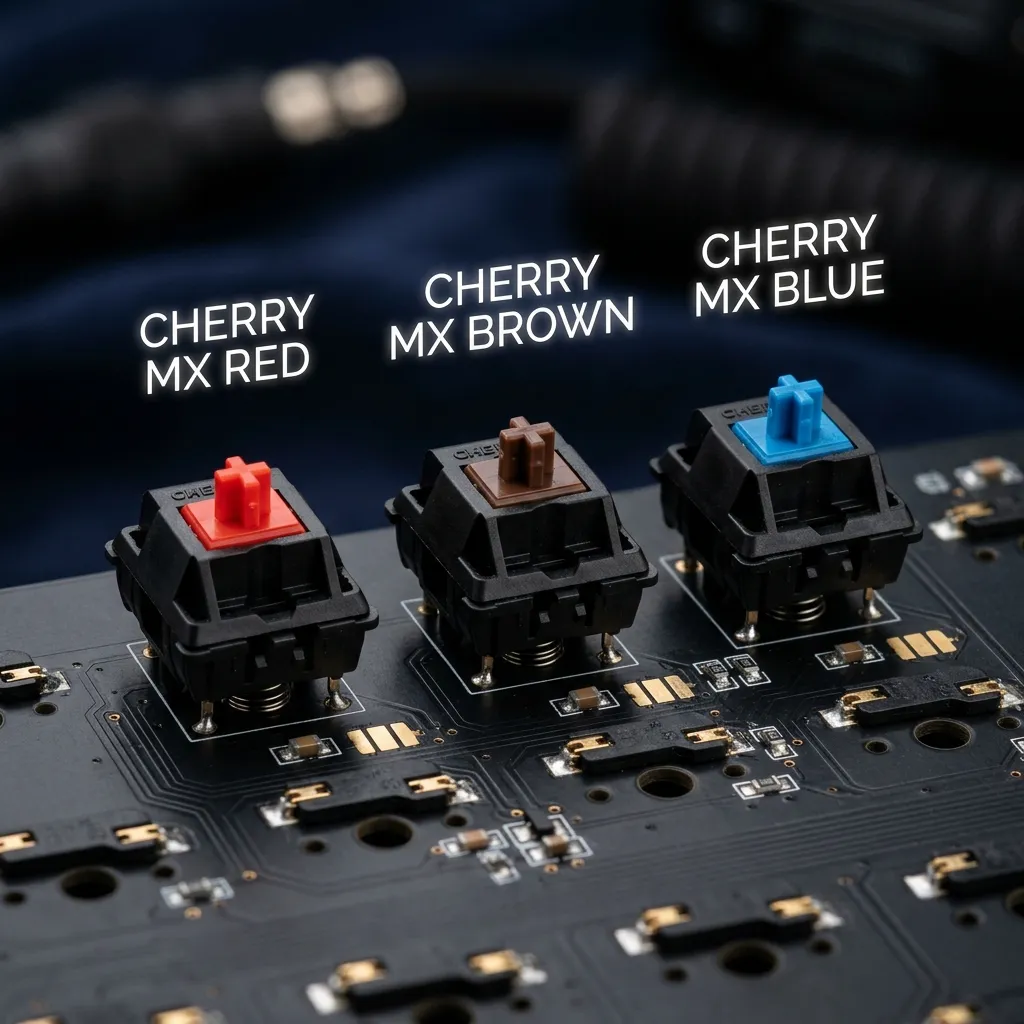
Mechanical keyboard switches vary significantly in design, feel, and performance, affecting typing experiences.
Ergonomics of Mechanical Switches
The ergonomic design of mechanical keyboard switches can enhance typing comfort and reduce fatigue. Key features such as actuation force and travel distance are critical in determining user comfort during extended typing sessions.
Performance Metrics for Gaming and Typing
Switch performance is often measured by responsiveness, actuation speed, and durability. Different switch types cater to varying preferences for gaming or typing, influencing overall performance.
Materials Used in Switch Construction
Mechanical switches are typically constructed from high-quality plastics with metal components for durability. Materials such as PBT (polybutylene terephthalate) and nylon are popular for keycaps due to their resistance to wear and fade.
Design Variations Across Brands
Different manufacturers produce switches with unique designs that offer distinct tactile experiences. Brands like Cherry, Gateron, and Kailh provide a range of options that vary in feel, sound, and aesthetics.
Comparative Analysis of Popular Switch Types
The table below highlights the specifications and characteristics of popular mechanical switches.
| Switch Type | Actuation Force (g) | Travel Distance (mm) | Switch Life (Million Keystrokes) | Tactile Feedback |
|---|---|---|---|---|
| Cherry MX Red | 45 | 2.0 | 50 | Linear |
| Cherry MX Brown | 45 | 2.0 | 50 | Tactile |
| Cherry MX Blue | 50 | 2.2 | 50 | Clicky |
| Kailh Box White | 50 | 1.8 | 80 | Clicky |
| Gateron Yellow | 50 | 2.0 | 50 | Linear |
DomineTec Tip: Consider keycap profiles and switch height to optimize your typing posture and reach.
- Identify typing or gaming preferences.
- Test various switch types to assess tactile feedback.
- Consider the build quality and materials of the keyboard.
- Evaluate noise levels based on work environment.
- Research brands for warranty and customer support options.
For optimal ergonomics, ensure the correct monitor height is maintained. An ergonomic office chair can further enhance comfort during long typing sessions.
Customization Options for Mechanical Switches
Many mechanical keyboard enthusiasts appreciate the ability to customize their switches for a tailored experience. Switches can be modified through lubing, swapping springs, or using different keycap profiles to achieve specific tactile feedback and sound.
DIY enthusiasts often engage in switch modding, which can lead to enhanced performance characteristics and a more enjoyable typing experience. Custom switches can also provide a unique aesthetic, allowing users to select colors and designs that match their personal style or gaming setup.
Impact of Switch Actuation Force on Typing Experience
The actuation force of a switch plays a significant role in how a keyboard feels during use. Switches with lighter actuation forces require less effort to press, making them ideal for rapid typing and gaming scenarios.
Conversely, heavier actuation forces can help prevent accidental keystrokes, which may be beneficial for users who prefer deliberate typing. Understanding the relationship between actuation force and user preferences can aid in selecting the right switch for individual needs.
Sound Profiles of Mechanical Switches
The sound produced by mechanical switches is a crucial factor for many users, influencing their overall satisfaction. Different switch types generate distinct sound profiles, ranging from the quiet, muted tones of linear switches to the pronounced clicks of tactile and clicky switches.
Users should consider their environment when choosing a switch, as noisy switches may be disruptive in shared spaces, while quieter options may be preferred in office settings. Sound dampening techniques, such as O-rings or switch dampers, can further modify the acoustic properties of switches for a more pleasant typing experience.
Switch Longevity and Durability
Mechanical switches are renowned for their durability, often rated for tens of millions of keystrokes. Factors such as switch design, materials, and manufacturing quality contribute significantly to the longevity of a switch.
Regular maintenance, including cleaning and lubrication, can extend the lifespan of mechanical switches, ensuring consistent performance over time. Users should consider the expected durability when selecting switches, particularly for intensive gaming or heavy typing workloads.
Switch Compatibility with Keyboards
Not all mechanical switches are compatible with every keyboard, making it essential to understand the variations in switch designs. Switch types, such as MX-style or low-profile, dictate the keyboards they can be used with, affecting customization and upgrade options.
Users should also consider the PCB layout, as some keyboards offer hot-swappable sockets while others require soldering for switch installation. Researching compatibility ensures that users can effectively utilize their preferred switches without encountering technical limitations.
Switches for Specific Use Cases
Different use cases require distinct characteristics from mechanical switches, guiding users in their selection process. Gamers often favor fast-acting switches with low actuation points for quick response times, while typists may prefer tactile feedback for better accuracy.
Content creators may prioritize quiet switches to avoid audio interference during recording sessions. Considering the primary use case allows users to select switches that enhance their productivity and enjoyment while using the keyboard.
The Role of Community Feedback in Switch Development
The mechanical keyboard community plays a vital role in the evolution and refinement of switch designs. Feedback from enthusiasts influences manufacturers to produce better switches, respond to consumer needs, and innovate with new features.
Community-driven initiatives, such as group buys for custom switches, showcase the demand for unique and tailored options. Engaging with fellow users can provide valuable insights and recommendations for selecting the most suitable switches for individual preferences.
Environmental Impact of Mechanical Switches
The production and disposal of mechanical keyboard switches have significant environmental implications, particularly concerning the materials used and the manufacturing processes involved. Many switches incorporate plastics and metals, which can contribute to pollution and resource depletion if not sourced sustainably.
Recycling programs for electronic components are becoming increasingly important as consumers seek to minimize their environmental footprint. However, the recycling rates for mechanical switches and keyboards remain low, highlighting the need for manufacturers to adopt more eco-friendly practices.
Additionally, the longevity of mechanical switches can have a positive environmental impact by reducing electronic waste. Switches designed for extended use not only provide better value for consumers but also decrease the frequency of disposal and replacement.
Overall, addressing the environmental impact of mechanical switches requires collaboration among manufacturers, consumers, and recycling organizations to promote sustainable practices across the industry.
The Evolution of Mechanical Switch Technology
Mechanical switch technology has undergone significant advancements since its inception, evolving from basic designs to sophisticated mechanisms that cater to diverse user preferences. The early mechanical switches were primarily designed for durability and reliability, focusing on functionality over user experience.
With the rise of gaming and esports, the development of specialized switches has accelerated, leading to features like customizable actuation points and varying tactile feedback. This evolution reflects the growing demand for personalized typing experiences, as users seek switches that enhance their performance and comfort.
Recent innovations also include the introduction of optical switches, which utilize light-based actuation for faster response times. This cutting-edge technology represents a shift towards more responsive and efficient keyboard designs, further expanding the options available to consumers.
The continuous evolution of mechanical switch technology demonstrates the industry's commitment to meeting the changing needs of users, ensuring that mechanical keyboards remain relevant and appealing in a competitive market.
Switch Maintenance and Care
Proper maintenance of mechanical switches is essential for ensuring optimal performance and longevity. Dust and debris accumulation can hinder the functionality of switches, leading to a decline in typing experience and responsiveness over time.
Regular cleaning routines should involve the careful removal of keycaps and the use of compressed air or a soft brush to eliminate particles trapped within the keyboard. Additionally, users should consider using switch lubricants specifically designed for mechanical switches to enhance smoothness and reduce friction.
It is also advisable to keep keyboards in a controlled environment, away from extreme temperatures and humidity levels, which can adversely affect switch performance. Maintaining a stable environment helps preserve the integrity of the switch materials over time.
By implementing these maintenance practices, users can significantly extend the lifespan of their mechanical switches, ensuring that their keyboards remain functional and enjoyable for many years.
Future Trends in Mechanical Switch Design
The future of mechanical switch design is poised for exciting advancements as technology and consumer preferences continue to evolve. Innovations such as smart switches that integrate programmable features and customizable lighting are becoming increasingly popular among tech-savvy users.
Moreover, the integration of artificial intelligence into mechanical keyboards could revolutionize the typing experience, providing adaptive feedback and personalized settings based on user behavior and preferences. This level of customization will likely cater to a wide range of users, from gamers to professionals.
Sustainability trends are also influencing switch design, with a growing emphasis on eco-friendly materials and manufacturing processes. As consumers become more environmentally conscious, manufacturers are likely to prioritize sustainable practices to meet market demands.
As technology progresses, the mechanical switch landscape will continue to diversify and innovate, offering users an ever-expanding array of options tailored to their unique needs and preferences.
Impact of Switch Design on Typing Speed and Accuracy
The design of mechanical switches significantly influences both typing speed and accuracy. Key features such as travel distance, actuation point, and tactile feedback contribute to how quickly and accurately a typist can perform.
Switches with shorter actuation distances often allow for faster typing as they require less finger travel, while tactile switches provide feedback that can help prevent accidental key presses. Research indicates that typists tend to perform better with switches that match their personal preferences in terms of feedback.
Moreover, the positioning of the actuation point plays a crucial role in typing dynamics. Switches designed with a lower actuation point can reduce the effort needed to register a keystroke, potentially leading to increased typing speed. However, this design may sacrifice accuracy for some users who may inadvertently strike keys when they do not intend to.
Ultimately, the impact of switch design on typing speed and accuracy underscores the importance of personal preference and ergonomic fit. Users are encouraged to try different switches to identify which design complements their typing style, thus optimizing their performance in both casual and professional scenarios.
Switch Color Coding and Its Significance
Switch color coding serves as a vital tool for identifying the characteristics of mechanical switches at a glance. Each color typically signifies specific properties, such as tactile feedback, actuation force, and sound profile.
This color coding system is particularly beneficial for newcomers to mechanical keyboards, allowing them to quickly understand the switch types available. However, users should be aware that color coding can vary between manufacturers, making it crucial to consult the specifications provided by keyboard manufacturers for accurate information regarding the switches they offer.
Additionally, the significance of switch color coding extends beyond mere identification; it helps users make informed decisions based on their typing preferences. For instance, gamers might opt for linear switches that allow for rapid key presses without tactile bumps, whereas typists may prefer tactile switches for the feedback they provide.
In summary, switch color coding not only simplifies the selection process but also enhances the user experience by aligning switch characteristics with individual typing or gaming needs. Understanding this coding system is essential for anyone looking to invest in a mechanical keyboard tailored to their specific requirements.
Switch Design Innovations and Their Impact on User Experience
Recent innovations in mechanical switch design have significantly influenced user experience and interaction with keyboards. Manufacturers are increasingly focusing on creating switches that cater to a diverse range of preferences, which has led to the development of hybrid switches combining characteristics of different switch types.
One notable innovation is the introduction of optical switches, which use light-based actuation instead of traditional metal contacts. This design change not only enhances the speed of actuation but also reduces debounce time, leading to more accurate keystrokes.
Furthermore, advancements in switch housing materials have improved the overall feel and sound profile of keystrokes. For example, the use of polycarbonate and PBT plastics has become more common, enhancing the durability and acoustics of switches.
Lastly, the integration of customizable features such as RGB lighting and programmable actuation points has become a standard expectation among users. This level of personalization allows individuals to create a unique keyboard setup that aligns with their specific preferences, further enhancing the overall user experience.
Regional Preferences and Cultural Influences on Switch Selection
Different regions around the world exhibit distinct preferences for mechanical keyboard switches, often influenced by cultural factors and typing habits. In Asia, for instance, there is a strong inclination towards linear switches, such as Cherry MX Reds, due to their smooth keystroke and quiet operation.
Conversely, Western countries, particularly in North America and Europe, show a diverse range of preferences that include tactile and clicky switches. The tactile feedback and audible click of these switches are often favored by typists who appreciate the sensory confirmation of a keypress.
Additionally, local keyboard communities and forums significantly impact switch selection, as they share insights, recommendations, and personal experiences. These platforms foster discussions that shape consumer preferences and highlight the importance of community in shaping market trends.
Lastly, the availability of local mechanical keyboard brands also plays a crucial role in switch preference. Brands that resonate with local culture and values often gain a loyal following, leading to a unique selection of switches tailored to meet the specific desires of their target audience.
Frequently Asked Questions
What is the difference between linear, tactile, and clicky switches?
Linear switches provide smooth keystrokes without tactile feedback, tactile switches offer a noticeable bump at the actuation point, and clicky switches provide an audible click along with tactile feedback.
How long do mechanical switches last?
Most mechanical switches are rated for 50 million keystrokes, though some high-end options can exceed this lifespan significantly.
Can switches be replaced or modified?
Many mechanical keyboards allow for switch replacement or modification, especially those designed for this purpose, such as hot-swappable options.
What factors should be considered when choosing a switch?
Consider the actuation force, travel distance, tactile feedback, and personal typing or gaming style to select the most suitable switch.
Are all mechanical keyboards the same?
No, mechanical keyboards vary in terms of switch types, materials, build quality, and additional features, affecting user experience.