How to Setup a Vertical Stacked Dual Monitor Mount Using ELG F160N
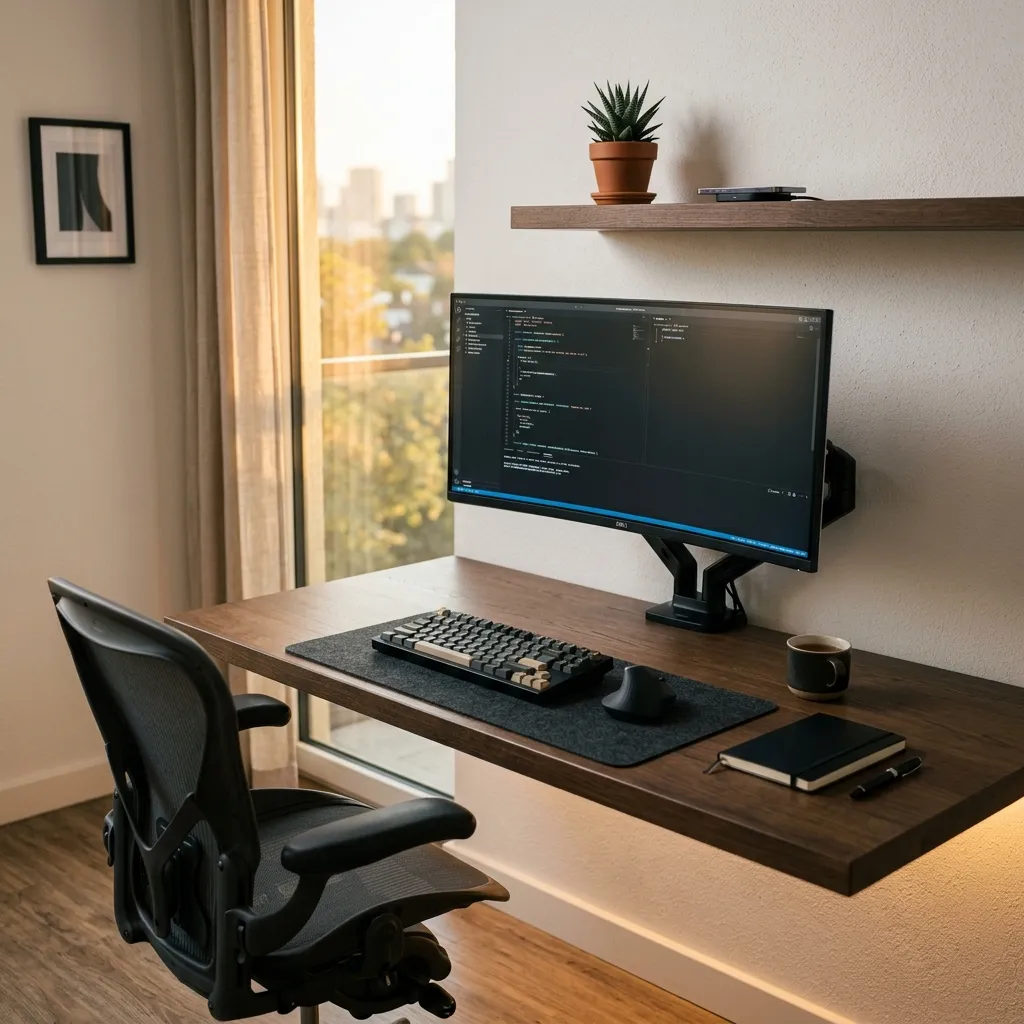
A vertical stacked dual monitor mount using the ELG F160N enhances workspace ergonomics and productivity efficiently.
Ergonomic Benefits of Vertical Stacking
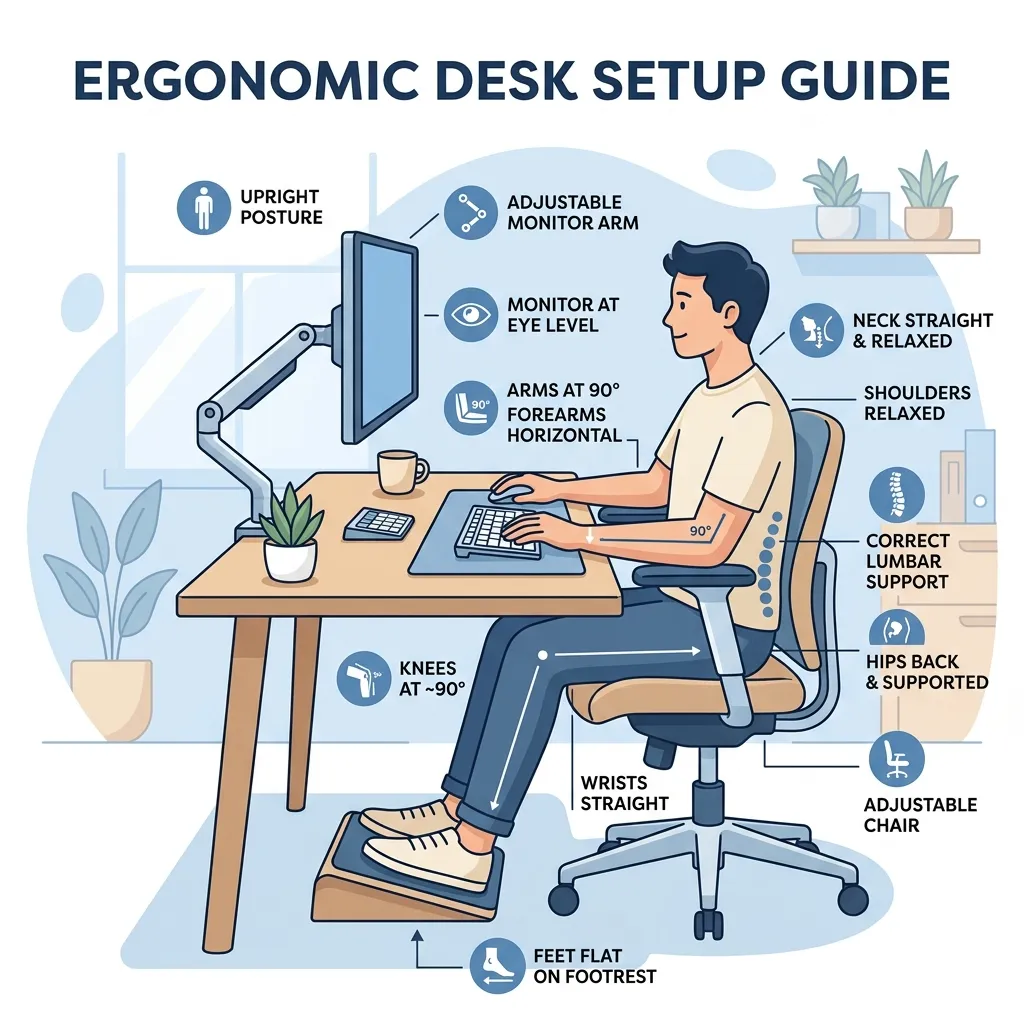
Utilizing a vertical stacked monitor setup minimizes neck strain by aligning screens within the natural line of sight. This configuration encourages an upright posture, reducing fatigue during extended work hours.
Performance and Productivity Gains
Studies indicate that dual monitors can increase productivity by up to 20-30%. The ELG F160N allows seamless multitasking, providing ample screen real estate for various applications.
Materials and Build Quality
The ELG F160N is constructed from high-grade steel, ensuring durability and stability. Its powder-coated finish prevents scratches and maintains a clean appearance over time.
Design and Aesthetics
The sleek design of the ELG F160N complements modern workspaces, offering an unobtrusive yet stylish solution. Cable management features further enhance the aesthetic by reducing clutter.
Comparison with Other Monitor Mounts
| Feature | ELG F160N | Brand X | Brand Y |
|---|---|---|---|
| Max Weight Capacity | 10 kg per monitor | 8 kg per monitor | 12 kg per monitor |
| Material | Steel | Aluminum | Steel |
| Height Adjustment | Yes | No | Yes |
| VESA Compatibility | 75x75 mm, 100x100 mm | 100x100 mm | 75x75 mm, 100x100 mm |
| Cable Management | Integrated | None | External clips |
DomineTec Tip: Consider adjusting the height of the monitors based on eye level to further improve ergonomic efficiency.
- Gather necessary tools: screwdriver, level, and measuring tape.
- Decide on the optimal desk height for the monitor setup.
- Measure and mark the wall or desk for mounting points.
- Install the mounting bracket securely, ensuring it can support the monitors' weight.
- Attach monitors to the mount, ensuring they are level and properly secured.
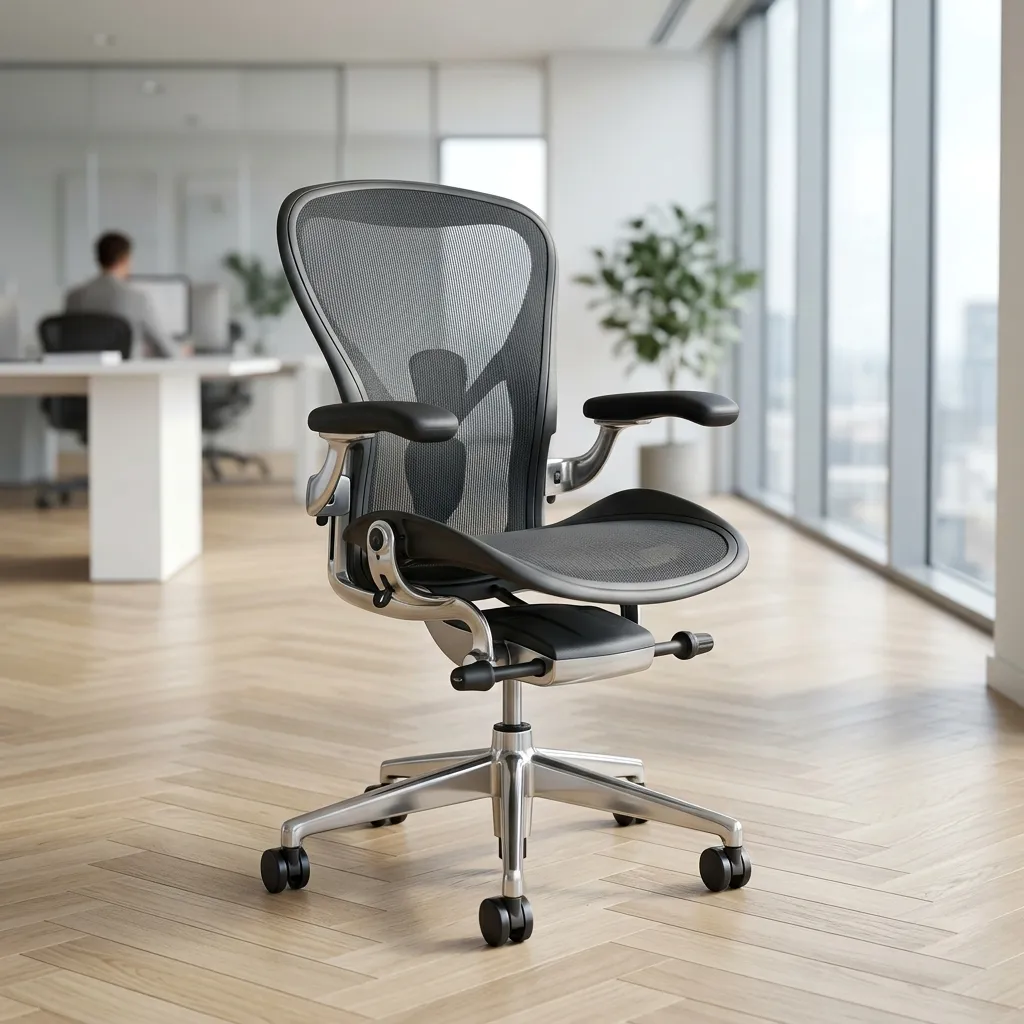
For an optimal typing experience, choose mechanical keyboard switches that suit personal preferences.
To maintain proper posture, refer to guidelines on correct monitor height for enhanced comfort.
Installation Process Overview
The installation process of the ELG F160N vertical stacked dual monitor mount is crucial for ensuring optimal performance and stability. First, gather all necessary tools and components included in the package.
Begin by identifying the mounting plate and the pole structure, as these will serve as the core components for attachment. Ensure that the workspace is tidy and free from distractions to streamline the assembly process.
After assembling the mount, securely attach it to the desk or wall. Proper anchoring is vital to prevent accidents or damage to the monitors.
Finally, carefully attach the monitors to the brackets. Adjustments may be necessary to achieve the desired height and angle for optimal viewing.
Cable Management Solutions
Effective cable management is a key consideration when setting up a dual monitor mount. The ELG F160N is designed with built-in cable management features that help keep wires organized and out of sight.
Start by identifying the cables that will be used for each monitor, including power cables and data connections. Planning the cable routes before installation can significantly reduce clutter.
For optimal results, consider color-coding cables or labeling them according to their function. This practice simplifies troubleshooting and makes it easier to identify cables when adjustments or replacements are necessary.
In addition to aesthetic benefits, effective cable management can enhance airflow around the monitors, preventing overheating and prolonging the lifespan of the equipment.
Compatibility and Adjustability Features
The ELG F160N monitor mount is designed for compatibility with a wide range of monitor sizes and weights. This versatility allows users to install monitors ranging from 13 to 27 inches, making it suitable for various setups.
Adjustability is a standout feature of the ELG F160N. Users can modify the height, tilt, and swivel of each monitor independently, providing flexibility for different viewing preferences.
To optimize the viewing experience, users should regularly assess their preferred settings and make adjustments as necessary. The ability to reposition monitors can significantly improve comfort and reduce eye strain during prolonged use.
Ensure that the mount is compatible with the VESA mounting standards of the monitors being used. This standardization simplifies the installation process and guarantees that the monitors will fit securely on the mount.
Safety Considerations and Best Practices
Safety is paramount when setting up a dual monitor mount. Adhering to the manufacturer's guidelines during installation can prevent accidents and equipment damage. Ensure that the mount is securely attached and that the monitors are properly fastened.
Regular checks of the mount's stability are recommended, especially after the initial installation. Over time, vibrations or shifts in the workspace can affect the setup.
Avoid overloading the mount beyond its specified weight limit. Doing so can compromise the structural integrity and lead to potential hazards.
Consider the placement of the monitor setup in relation to other objects in the workspace. Ensuring sufficient clearance around the mounted monitors can prevent accidental bumps and falls.
Customization Options for Enhanced Functionality
Customization options can greatly enhance the functionality of the ELG F160N dual monitor mount. Users can explore various accessories that complement the mount, such as additional shelving or monitor arms.
For instance, integrating a keyboard tray or a document holder can optimize desk space and improve workflow. Positioning these accessories within easy reach can enhance productivity and reduce strain during use.
Consideration of the workspace layout is also crucial when customizing the setup. Users may choose to incorporate adjustable lighting or ergonomic accessories to improve comfort.
Aesthetic customization can contribute to a more personalized workspace. Choosing monitor stands or cable sleeves that match the overall décor can enhance the visual appeal.
Environmental Considerations and Sustainability
When setting up a dual monitor mount, environmental considerations should not be overlooked. The ELG F160N is constructed from durable materials, contributing to its longevity.
Users can explore recycling options for old monitors and mounts when upgrading their setups. Many local electronic stores and recycling centers offer programs to dispose of electronic waste responsibly.
Choosing energy-efficient monitors can significantly reduce power consumption in a dual monitor setup. Look for Energy Star-rated monitors that consume less energy while providing high performance.
Implementing measures such as reducing paper usage and promoting digital workflows can lead to a more sustainable office environment.
Future-Proofing Your Setup
Future-proofing your dual monitor setup is essential as technology continues to evolve. The ELG F160N mount is designed with adaptability in mind, accommodating various monitor sizes and configurations.
Investing in high-quality cables and connectors can also contribute to a future-ready setup. Ensuring that cables support current standards prepares users for emerging technologies.
Staying informed about advancements in monitor technology can help users make educated decisions about future purchases. Regularly assessing the performance of existing monitors can identify when it's time for an upgrade.
Consider the workspace's layout and technology needs over the long term. Planning for potential expansions can simplify future transitions.
Maintenance and Care for Your Vertical Stacked Monitor Mount
Regular maintenance of your vertical stacked monitor mount is crucial for ensuring longevity and optimal performance. Periodically check the mount's screws and joints for any signs of looseness or wear, tightening them as necessary.
Dust accumulation can affect the functionality of the monitor mount. A gentle cleaning routine using a microfiber cloth can help prevent dust buildup.
Inspect the cables and wiring for any signs of wear or damage. Replacing frayed or damaged cables improves performance and enhances safety.
Avoid locations with excessive humidity or direct sunlight, as these factors can degrade the materials over time.
Multi-Monitor Setup Scenarios
Understanding the various multi-monitor setup scenarios can help users maximize the benefits of a vertical stacked monitor mount. For instance, professionals in design or video editing may prefer a setup that allows for easy viewing of multiple timelines or palettes simultaneously.
Gamers can benefit from a vertical stacked mount by gaining a broader view of in-game information and enhancing immersion. This setup allows for a more extensive field of vision, crucial in competitive gaming scenarios.
Office workers might find that a vertical stacked configuration facilitates better multitasking, allowing them to have documents, spreadsheets, or communication tools easily accessible.
Educators and presenters can benefit from a vertical monitor setup during online classes or presentations, enabling them to display their teaching materials effectively.
Software Configuration for Optimal Dual Monitor Use
Setting up your monitors effectively goes beyond physical installation; software configuration is crucial for enhancing your workflow. Operating systems like Windows and macOS offer built-in features for managing display settings easily.
For Windows users, accessing the Display Settings allows for adjusting the resolution and orientation of each monitor. This is particularly important when using a vertical stacked setup.
macOS users can take advantage of the System Preferences to configure their displays. Features such as Mission Control can significantly improve multitasking capabilities.
Third-party software like DisplayFusion or UltraMon can provide advanced functionalities, including customizable hotkeys for window management, optimizing monitor usage.
Common Troubleshooting Tips for Dual Monitor Issues
Even with a carefully planned setup, users may encounter issues with their dual monitor configuration. Common problems include display detection errors, resolution mismatches, and screen flickering.
If a monitor is not detected, checking the connection cables and ensuring they are securely plugged in is the first step. A quick restart of the computer can sometimes resolve detection issues.
Resolution mismatches can be adjusted in the display settings of your operating system. Ensuring both monitors are set to their native resolutions will provide the best visual experience.
For issues like screen flickering, checking the refresh rate settings in the display configuration is essential. Adjusting the refresh rate to match the monitor’s specifications can eliminate flickering problems.
Optimizing Workspace Layout for Vertical Stacked Monitors
Creating an efficient workspace layout is crucial when utilizing a vertical stacked dual monitor setup. The positioning of monitors can significantly influence how easily users can access their tasks and applications.
When implementing a vertical stack, ensure that both monitors are at eye level. Adjusting the height of the lower monitor allows for a comfortable viewing angle.
Keeping frequently used tools and documents within arm's reach can minimize distractions and improve workflow. This careful arrangement fosters an environment conducive to productivity.
Consider the lighting conditions in the workspace. Natural light should be utilized to reduce eye strain, but it should not cause glare on the monitors.
Enhancing Collaboration with Vertical Stacked Monitors
Vertical stacked dual monitors are beneficial for individual productivity and can enhance collaboration among teams. These setups allow multiple users to view content simultaneously, facilitating discussions and teamwork.
Teams can leverage the top monitor for shared content, while the bottom monitor can be used for note-taking or referencing additional materials. This dual-functionality encourages active participation during meetings.
Vertical stacked monitors can support various collaborative software applications, allowing teams to work on projects in real-time. The enhanced visibility of both monitors can help clarify complex ideas.
When integrating vertical stacked monitors into collaborative spaces, ensure that the setup is user-friendly. Incorporating adjustable features allows different team members to customize the height and angle of the monitors.
Troubleshooting Common Dual Monitor Setup Issues
Setting up a dual monitor configuration can sometimes result in unexpected issues that disrupt productivity. Troubleshooting these problems requires a systematic approach to identify and resolve errors efficiently.
One common issue is the monitors not being detected by the operating system. To address this, verify that all cables are securely connected and that the monitors are powered on. On Windows, right-click on the desktop and select "Display settings," then click on "Detect" to see if the system recognizes the connected monitors.
If the monitors are detected but not displaying correctly, it may be necessary to adjust the display settings. In the same "Display settings" menu, ensure the correct resolution and orientation are selected for each monitor. A mismatch in these settings can lead to a blank screen or distorted images.
Another frequent issue involves the refresh rate. Right-click on the desktop, choose "Display settings," and then navigate to "Advanced display settings" to check the refresh rate for each monitor. Setting a refresh rate incompatible with the monitor can cause flickering or display errors.
Lastly, if there are issues with the mouse not moving across both screens or applications not opening in the intended monitor, the arrangement of monitors within the display settings needs to be checked. Drag and drop the monitor icons to match their physical layout to ensure seamless cursor movement.
Security Measures for Multi-Monitor Setups
As multi-monitor setups become increasingly popular, security considerations must not be overlooked. Implementing robust security measures is essential to protect sensitive information displayed across multiple screens.
One effective method is to use software solutions that allow for locking the displays when the user is away from the workstation. For instance, Windows provides a Group Policy setting that can enable automatic screen locking after a specified period of inactivity, reducing the risk of unauthorized access.
Additionally, consider the use of privacy screens. These filters can be applied to monitors to limit the viewing angles, ensuring that only the user directly in front of the screen can see the content. This is particularly useful in shared or public environments.
Another layer of security can be added by utilizing network monitoring tools. These tools can track any unauthorized access attempts or unusual network activity that may arise from using multiple monitors connected to a networked system. Regularly monitoring logs and alerts can help in identifying potential security threats.
Lastly, maintaining updated antivirus and anti-malware software is crucial for all devices connected to a multi-monitor setup. Regular scans and updates can help mitigate the risks of malware that may exploit vulnerabilities, especially when multiple sources of information are displayed simultaneously.
Frequently Asked Questions
What is the weight limit for the ELG F160N?
The ELG F160N supports up to 10 kg per monitor, allowing for a wide range of monitors.
Is the ELG F160N compatible with all monitors?
This mount is compatible with monitors that have VESA 75x75 mm or 100x100 mm mounting patterns.
Can the mount be adjusted after installation?
Yes, the ELG F160N allows for height adjustments after installation to suit user preferences.
What tools are needed for installation?
A screwdriver, level, and measuring tape are recommended for a successful setup.
Does it include cable management features?
Yes, the ELG F160N comes with integrated cable management to help maintain a tidy workspace.




