How to Configure USW Switch Port Isolation While Keeping Router Access on UniFi
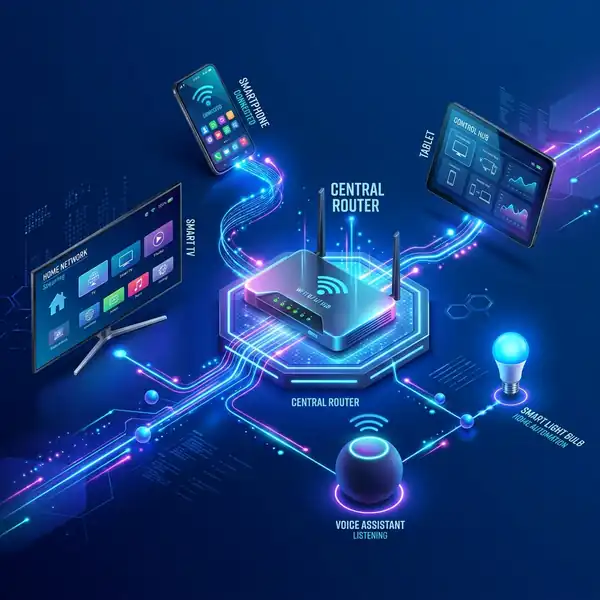
USW switch port isolation can be configured while maintaining router access by adjusting VLAN settings and port configurations.
Understanding Port Isolation
Port isolation prevents devices connected to specific switch ports from communicating with each other. This enhances security in multi-tenant environments.
Requirements for Configuration
The following items are required for the setup: a UniFi Switch (USW), UniFi Controller software, and knowledge of the current VLAN configuration.
VLAN Configuration Overview
Each switch port must be assigned to a specific VLAN to enable isolation. A standard VLAN setup utilizes VLAN IDs to segment network traffic.
Key Configuration Commands
Use the following commands for configuring port isolation:
        set interfaces switch switch0 switch-port isolation
        set interfaces switch switch0 switch-port access-vlan [VLAN_ID]
Comparison of Port Isolation and VLAN Configuration
| Feature | Port Isolation | VLAN Configuration |
|---|---|---|
| Communication Between Ports | No | Depends on VLAN settings |
| Security Level | High | Medium to High |
| Complexity | Low | Medium |
DomineTec Tip: Ensure to document all VLAN IDs used to avoid confusion during troubleshooting.
Step-by-Step Configuration Process
- Access the UniFi Controller dashboard.
- Select the switch that requires port isolation.
- Navigate to the "Ports" section.
- Choose the port to be isolated and click on "Edit".
- Set the "Port Profile" to the desired VLAN that allows router access.
- Enable "Port Isolation" for the selected port.
- Save changes and apply the configuration.

Advanced Security Features of USW Switches
USW switches provide a multitude of advanced security features beyond port isolation. These include dynamic ARP inspection, DHCP snooping, and port security, enhancing the overall security posture of the network.
Dynamic ARP inspection helps prevent ARP spoofing attacks by validating ARP packets on the network. DHCP snooping ensures that only trusted DHCP servers can assign IP addresses, mitigating the risk of rogue DHCP servers.
Port security allows administrators to limit the number of MAC addresses that can be learned on a port, providing another layer of protection against unauthorized access.
Monitoring Traffic on Isolated Ports
Monitoring traffic on isolated ports is crucial for understanding network behavior and performance. UniFi's built-in traffic statistics and monitoring tools can be utilized to keep track of data flows on isolated ports.
Network administrators can analyze traffic patterns and detect anomalies that might indicate security issues. Regularly reviewing logs and metrics from isolated ports can provide insights into potential vulnerabilities, enabling proactive measures to be taken.
Integrating Port Isolation with Other Security Protocols
Integrating port isolation with other security protocols enhances the network's defense mechanisms. Implementing 802.1X authentication alongside port isolation can ensure that only authorized devices gain access to the network.
This combination significantly reduces the risk of unauthorized access while maintaining necessary connectivity for legitimate devices. Utilizing protocols like RADIUS for 802.1X can centralize authentication, making it easier to manage user credentials and access policies.
Impact on Network Performance and Latency
Understanding the impact of port isolation on network performance is essential for effective configuration. Port isolation can sometimes introduce additional latency due to the processing of isolation rules by the switch.
However, when configured correctly, the performance impact is minimal, and benefits outweigh potential drawbacks. Monitoring tools can help assess the impact of port isolation, providing data on latency and throughput.
Best Practices for Managing Port Isolation
Following best practices is key to effectively managing port isolation on USW switches. Regularly reviewing port isolation settings ensures they align with current organizational policies and network requirements.
Documentation of changes and configurations aids in troubleshooting and maintaining network integrity. Conducting periodic audits can help identify any misconfigurations or security gaps that may arise over time.
Troubleshooting Common Issues with Port Isolation
Troubleshooting is an integral part of managing port isolation effectively. Common issues include devices unable to communicate due to misconfigured isolation settings.
Ensuring that isolation rules are correctly applied to the intended ports can resolve many connectivity problems. Utilizing diagnostic tools, such as ping and traceroute, can help pinpoint issues related to isolated ports.
Future Trends in Network Isolation Techniques
Staying informed about future trends in network isolation techniques is vital for proactive network management. Emerging technologies such as AI-driven security solutions are beginning to influence how network isolation is implemented.
These advancements can provide real-time analysis and automated responses to security threats, enhancing the effectiveness of port isolation. Keeping abreast of these trends ensures that organizations can adapt their security strategies as needed, maintaining robust network protections.
Understanding the Role of Subnetting in Port Isolation
Subnetting is an essential concept in network design, particularly when implementing port isolation. By dividing a larger network into smaller sub-networks, subnetting enhances security and improves performance.
In the context of port isolation, subnetting allows for more granular control over traffic flow. Each subnet can have its own security policies, further isolating devices from one another.
Managing Network Access Control Lists (ACLs)
Access Control Lists (ACLs) play a significant role in managing traffic on isolated ports. They define what traffic is permitted or denied, adding another level of security to the network.
When configuring ACLs, it is crucial to align the rules with the isolation policy. This ensures that the intended devices can communicate with the router while preventing unauthorized access between isolated devices.
Utilizing Monitoring Tools for Enhanced Security
Monitoring tools are vital for overseeing the performance and security of isolated ports. These tools can track traffic patterns, identify anomalies, and provide insights into potential security threats.
Integrating monitoring solutions with the USW switches allows for real-time visibility into network activities. This aids in promptly addressing any irregularities that may arise.
Impact of Port Isolation on Network Design
The implementation of port isolation significantly influences overall network design. It necessitates careful planning to ensure that devices can still perform their intended functions while adhering to security protocols.
Designers must consider the placement of switches and routers to optimize communication paths. This can involve strategically locating devices to minimize latency while maintaining isolation standards.
Evaluating the Cost Implications of Port Isolation
Implementing port isolation may have cost implications that organizations need to evaluate. Initial setup costs may include investment in hardware and software to support the configuration.
However, the long-term benefits of enhanced security and reduced risk of data breaches often outweigh these initial investments. Organizations should conduct a thorough cost-benefit analysis before implementing port isolation.
Implementing Quality of Service (QoS) with Port Isolation
Quality of Service (QoS) is a critical component in network management, particularly when working with port isolation on UniFi switches. By prioritizing certain types of traffic, QoS ensures that essential services receive the bandwidth necessary for optimal performance.
Configuring QoS alongside port isolation requires a strategic approach to traffic classification. Each isolated port can be assigned different QoS profiles based on the type of traffic it generates or the priority of the devices connected.
Enhancing Network Security with MAC Address Filtering
MAC address filtering is a powerful tool that complements port isolation in enhancing network security. By allowing or blocking devices based on their MAC addresses, network administrators can create a more secure environment.
When implementing MAC address filtering in conjunction with port isolation, each port can be configured to only allow traffic from recognized devices. This adds an additional layer of security, preventing unauthorized access while still allowing necessary communications through the router.
Evaluating Security Risks Associated with Port Isolation
While port isolation provides significant security benefits, it is essential to evaluate potential security risks that may arise. Isolated ports can create a false sense of security, leading network administrators to overlook other vulnerabilities present in the network.
Regular audits and monitoring of isolated ports are critical. Ensuring that all devices remain compliant with security policies and are updated regularly can help in maintaining a secure network environment.
Implementing SNMP for Enhanced Monitoring of Isolated Ports
Simple Network Management Protocol (SNMP) can be an essential tool when managing USW switch port isolation. By employing SNMP, network administrators can monitor the status and performance of isolated ports effectively, allowing for real-time insights into network behavior.
To enable SNMP on a UniFi switch, access the UniFi Network Controller and navigate to the device settings. Within the 'Services' section, locate the SNMP settings and activate it by enabling the SNMP agent, which will allow the switch to respond to SNMP queries.
Configuring SNMP involves specifying a community string, typically a password that grants access to the SNMP data. For security, it is recommended to use SNMPv3, which allows for authentication and encryption, thus protecting sensitive network data from unauthorized access.
Once SNMP is enabled, you can utilize monitoring tools like PRTG, Zabbix, or SolarWinds to poll the USW switch for port-specific data. This data can include traffic statistics, operational status, error counts, and any other pertinent metrics to observe the behavior of isolated ports.
Implementing Additional Security Measures with Port Isolation
Beyond basic port isolation, additional security measures can fortify the network against potential threats. One vital complement to port isolation is the implementation of Port Security, which restricts the number of MAC addresses that can be learned on a port.
Port security can be configured by accessing the switch settings in the UniFi Controller. Within the port configuration, set the 'Port Security' option to 'Enabled' and define the maximum number of MAC addresses allowed on that port, ensuring that no unauthorized devices can connect.
Another layer of security involves configuring DHCP Snooping, which helps prevent rogue DHCP servers from distributing incorrect IP addresses. In the UniFi settings, enable DHCP Snooping under the security features and specify trusted ports to ensure only legitimate DHCP servers can operate.
Implementing these additional security measures alongside port isolation creates a more comprehensive defense strategy. Regular audits of port configurations, including reviewing MAC address tables and monitoring for unauthorized devices, will help maintain security integrity over time.
Configuring DHCP Snooping for Enhanced Security
Dynamic Host Configuration Protocol (DHCP) snooping is a security feature that helps prevent unauthorized DHCP servers from distributing IP addresses within a network. By enabling DHCP snooping on the UniFi Switch, only trusted DHCP servers are allowed to provide IP addresses, which helps in maintaining the integrity of the network.
To configure DHCP snooping, access the UniFi Controller and navigate to the switch settings. Under the "Advanced" tab, locate the "DHCP Snooping" section and enable it. It is crucial to identify which ports are connected to trusted DHCP servers and mark them as trusted by selecting the corresponding ports in the settings.
After enabling DHCP snooping, it is imperative to create a binding table that contains the MAC addresses, IP addresses, lease times, and VLANs of the devices that successfully obtain IP addresses. This can be done by issuing the command show ip dhcp snooping binding. This command verifies the devices registered in the DHCP binding table and ensures that only legitimate devices receive IP addresses.
In addition to enabling DHCP snooping, consider configuring the rate limit for DHCP packets on untrusted ports. This can be accomplished by using the command ip dhcp snooping limit rate , where
Implementing Port Mirroring for Traffic Analysis
Port mirroring is a powerful network monitoring technique that allows the duplication of network traffic from one port to another for analysis. In the context of a UniFi Switch, configuring port mirroring enables the capture of traffic for specific ports, which is essential for troubleshooting and performance analysis.
To set up port mirroring, access the UniFi Controller and navigate to the "Switch Ports" section. From there, select the port that requires monitoring and designate it as a "Mirror" port by specifying the destination port that will receive the mirrored traffic. This setup allows for real-time analysis of traffic without disrupting the actual data flow.
For deeper insights, use packet capture tools such as Wireshark on the destination port to analyze the mirrored traffic. This can be achieved by connecting a device running Wireshark to the designated mirror port. The command tcpdump -i can also be employed to capture traffic on Linux-based systems for later analysis.
It is essential to implement port mirroring judiciously, as excessive mirroring can lead to performance degradation on the switch. Therefore, it is advisable to monitor the resource utilization of the switch and ensure that mirroring is limited to critical ports and times when necessary analysis is required.
Frequently Asked Questions
What is port isolation?
Port isolation restricts traffic between specific switch ports while allowing access to shared resources, enhancing security.
How does VLAN affect port isolation?
VLAN can enhance port isolation by grouping ports into separate networks, each with its own communication rules.
Can all UniFi switches support port isolation?
Most UniFi switches support port isolation; however, specific features may vary by model.
Is router access still possible with port isolation enabled?
Yes, router access can be maintained by configuring the isolated ports to belong to a VLAN that routes traffic to the router.
What are the benefits of using port isolation?
Benefits include enhanced security, reduced broadcast traffic, and improved network performance in multi-user environments.
For further exploration, consider reading about VLAN on PfSense and stabilizer vs UPS.
For additional security measures, refer to our article on UniFi switch security.




