How to Configure USW Switch Port Isolation Without Creating VLANs on UniFi
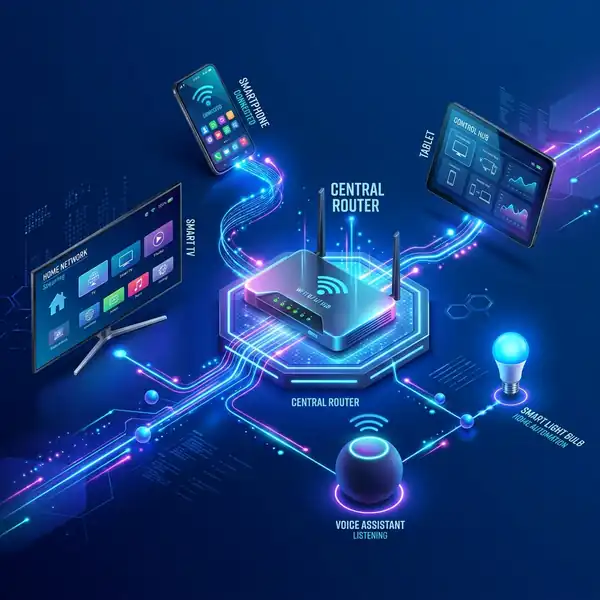
Port isolation on USW switches can be configured without creating VLANs by adjusting settings in the UniFi Controller.
Understanding Port Isolation
Port isolation is a network configuration that prevents devices connected to the same switch from communicating with each other.
This is particularly useful in environments where privacy and security of connected devices are essential.
Requirements for Configuration
Access to the UniFi Controller is required for configuring port isolation settings.
Ensure that the USW switch is running the latest firmware for optimal performance.
Steps to Enable Port Isolation
Port isolation can be enabled through the UniFi Controller interface. The configuration does not require VLAN creation.
- Log into the UniFi Controller.
- Select the "Devices" section from the dashboard.
- Locate the USW switch and click on it to open the configuration menu.
- Navigate to the "Ports" tab.
- Select the specific port to be isolated.
- Enable the "Port Isolation" toggle for the selected port.
- Save changes and apply the configuration.
Electrical Properties of Port Isolation
When ports are isolated, the electrical characteristics of the network can be affected.
Reduced broadcast traffic can lead to improved performance and reduced latency on the switch.
Comparative Analysis of Port Isolation vs VLANs
| Feature | Port Isolation | VLANs |
|---|---|---|
| Configuration Complexity | Simple | More Complex |
| Security Level | Moderate | High |
| Broadcast Domain | Single | Multiple |
| Cost | Low | Potentially High |
DomineTec Tip: Always test port isolation settings in a controlled environment before deploying in production to avoid unintended disruptions.
Visual Configuration Example

Connection Security Considerations
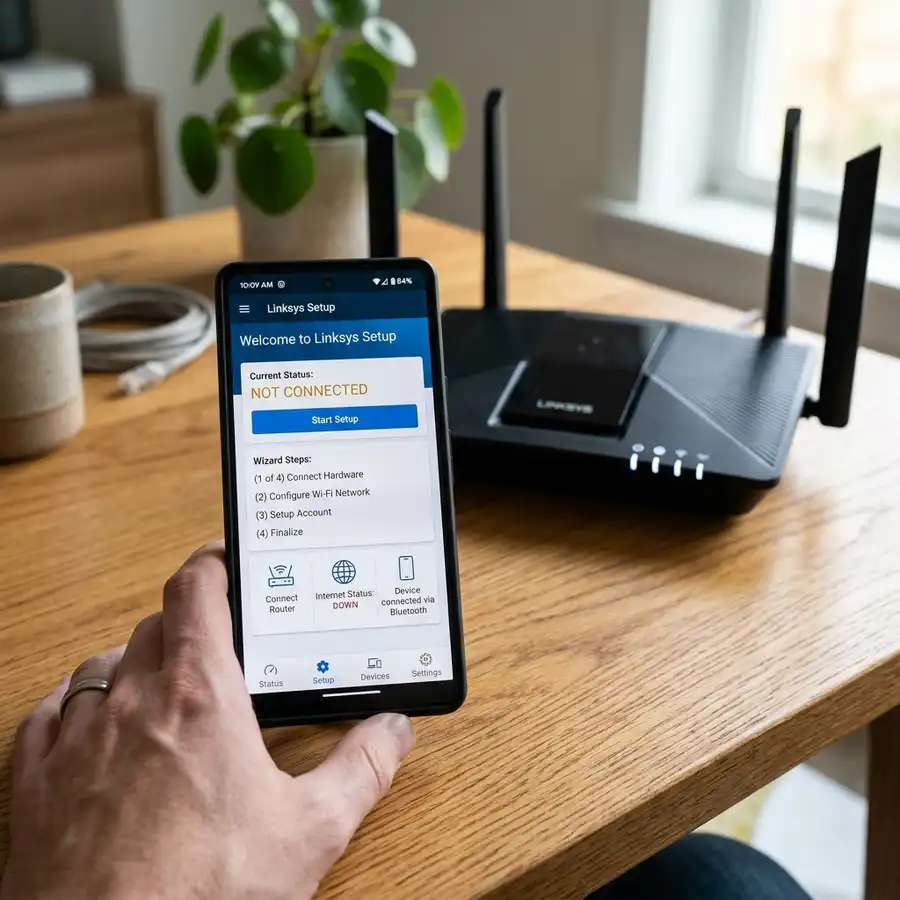
Ensure that all devices connected to isolated ports are secured to prevent unauthorized access.
Regularly monitor network traffic to identify any potential security threats.
Advanced Networking Concepts Related to Port Isolation
Port isolation is closely related to several advanced networking concepts that enhance network performance and security.
Understanding broadcast domain segmentation helps in leveraging isolation effectively.
Additionally, multicast traffic can be efficiently managed through port isolation, improving network efficiency.
Integrating port isolation with Quality of Service (QoS) settings can enhance user experience by prioritizing critical traffic.
Monitoring Port Isolation Effectiveness
Monitoring the effectiveness of port isolation is crucial for maintaining network integrity.
Traffic analysis can reveal whether isolation is effectively preventing unnecessary communications.
Logging features on switches provide insights into the behavior of isolated ports, aiding in proactive troubleshooting.
Impact of Port Isolation on Network Performance
The implementation of port isolation can significantly impact network performance by limiting unnecessary traffic.
Isolated ports also lead to decreased latency for critical applications.
Evaluating performance metrics before and after the implementation of isolation helps quantify the benefits gained.
Common Misconfigurations and Troubleshooting Tips
Misconfigurations during the port isolation setup can lead to unintended network behavior.
One frequent mistake is failing to apply isolation settings to all necessary ports, leaving vulnerabilities.
To troubleshoot, incrementally implement isolation to identify problematic areas more easily.
Integrating Port Isolation with Other Security Measures
Port isolation can be effectively integrated with other security measures to create a multi-layered defense.
Combining port isolation with intrusion detection systems (IDS) can provide real-time alerts on suspicious activities.
Regularly updating security policies alongside port isolation settings fortifies defenses.
Scalability Considerations for Port Isolation
Scalability is an important factor when considering port isolation in larger networks.
Establishing a strategy for scaling port isolation is essential as new devices are added to the network.
Automation tools can assist in managing port isolation settings efficiently across multiple switches.
Future Trends in Port Isolation Technologies
As networking technologies evolve, methods of implementing port isolation are also changing.
Machine learning algorithms are expected to optimize port isolation settings based on traffic patterns.
Cloud-based management platforms will simplify the configuration of port isolation, enhancing flexibility.
Understanding the Role of Switch Hardware in Port Isolation
Switch hardware plays a critical role in the implementation of port isolation.
UniFi switches come equipped with advanced hardware features that support efficient traffic management.
Understanding the specifications of the switch can guide users in optimizing performance for isolation strategies.
Best Practices for Implementing Port Isolation
Implementing port isolation effectively requires adherence to best practices.
Establishing clear policies on which devices require isolation can prevent unnecessary complexity.
Regularly reviewing and updating isolation configurations is crucial for maintaining network security.
Documenting the port isolation strategy aids in troubleshooting and future configurations.
Impact of Port Isolation on Network Topology
Port isolation can significantly influence the overall network topology.
Designing the network topology with port isolation in mind enhances security and performance.
Incorporating port isolation into an existing topology may require reevaluation of device placements.
Integrating Port Isolation with Network Policies
Integrating port isolation with broader network policies enhances overall security.
Establishing access control lists (ACLs) alongside port isolation can provide an additional layer of security.
Regular audits of network policies are essential to ensure compliance and effectiveness.
Configuring Access Control Lists (ACLs) Alongside Port Isolation
Access Control Lists (ACLs) serve as an additional layer of security to complement port isolation.
To configure ACLs effectively alongside port isolation, identify the devices that require communication access.
Implementation of ACLs should follow the principle of least privilege, granting permissions only as necessary.
Monitoring and auditing ACL configurations are necessary to ensure ongoing security.
Performance Metrics for Evaluating Port Isolation Efficiency
Evaluating the efficiency of port isolation involves tracking various performance metrics.
Specific tools can be employed to measure these performance metrics accurately.
Establishing baseline performance metrics before implementing port isolation is crucial for comparison.
Leveraging Port Isolation for Enhanced Security Policies
Port isolation can serve as a vital component of a comprehensive network security policy.
Implementing port isolation allows network administrators to enforce stricter security measures on critical devices.
Combining port isolation with other security measures creates a multi-layered defense strategy.
Optimizing Network Management with Port Isolation
Port isolation can significantly enhance network management capabilities by simplifying traffic control and monitoring.
This clarity assists in identifying anomalies and optimizing performance metrics effectively.
Ultimately, optimizing network management through port isolation leads to improved resource allocation and streamlined operations.
Implementing SNMP for Enhanced Monitoring of Port Isolation
Simple Network Management Protocol (SNMP) serves as an essential tool for monitoring and managing network devices, including UniFi switches configured with port isolation.
By enabling SNMP on the UniFi switch, network administrators can gather real-time statistics related to port isolation, such as traffic flow, error rates, and the status of isolated ports.
To enable SNMP on a UniFi switch, navigate to the device settings in the UniFi Network Controller interface and locate the SNMP configuration section.
From there, enter the SNMP community string and select the desired SNMP version, typically SNMP v2c or v3 for added security.
Once SNMP is enabled, network monitoring tools such as PRTG, Nagios, or Zabbix can be configured to poll the switch for specific OIDs (Object Identifiers) that provide insights into port status and performance.
For example, OID .1.3.6.1.2.1.2.2.1.8 can be used to check the operational status of interfaces, while .1.3.6.1.2.1.2.2.1.10 provides traffic input statistics.
These metrics are crucial for determining whether port isolation is functioning correctly and can help in identifying any issues related to network congestion or unauthorized access attempts.
In addition, configuring alerts for specific SNMP traps can notify administrators of significant events, such as changes in port status, allowing for rapid response to potential security breaches.
Regularly reviewing SNMP data can also assist in fine-tuning port isolation settings, ensuring that network performance remains optimal while maintaining security protocols.
Implementing RADIUS Authentication for Port Security
Remote Authentication Dial-In User Service (RADIUS) provides a robust authentication mechanism that can enhance port isolation security in UniFi switches.
Integrating RADIUS allows for centralized management of user access controls while maintaining the isolation policy across multiple switches within the network.
To configure RADIUS on a UniFi switch, first access the UniFi Network Controller and navigate to the RADIUS settings under the “Settings” menu.
Input the RADIUS server’s IP address, the shared secret, and specify the authentication port, typically set to 1812.
After completing the basic configuration, assign RADIUS profiles to specific switch ports that require user authentication before accessing the network.
This ensures that any device connecting to an isolated port must first authenticate against the RADIUS server, significantly reducing the risk of unauthorized access.
Furthermore, defining user roles in the RADIUS server can simplify the management of access levels, allowing different permissions for various user types while still adhering to port isolation policies.
Regular audits of RADIUS logs can also help identify unusual authentication attempts, which may indicate potential security threats that need immediate attention.
Combining port isolation with RADIUS authentication not only fortifies network security but also enhances the overall management of network access, making it a vital practice for network administrators.
Implementing Traffic Monitoring for Isolated Ports
Traffic monitoring is crucial in environments utilizing port isolation, as it enables network administrators to observe traffic patterns and detect anomalies. Employing tools such as the UniFi Network Application, administrators can analyze traffic flow through isolated ports, ensuring that no unauthorized communication occurs between isolated devices.
To begin monitoring, access the UniFi Network Application dashboard and navigate to the 'Insights' section. Here, traffic statistics can be filtered by device or port, allowing for an in-depth view of packet transmission rates and types.
For advanced monitoring, consider integrating SNMP (Simple Network Management Protocol) with the UniFi switch. This can be done by configuring the switch to send SNMP traps to a network management system, which can provide real-time alerts and historical data on traffic behavior.
Utilizing packet capture tools like Wireshark can also be beneficial for detailed traffic analysis on a specific port. By configuring port mirroring on the switch, packets can be copied to another port where they can be analyzed without disrupting the normal flow of traffic.
Best Practices for Enhancing Port Isolation Security
Enhancing security when implementing port isolation involves several best practices that ensure maximum effectiveness. First, regularly updating the switch firmware is essential to protect against vulnerabilities and to benefit from the latest security features.
Additionally, implementing strong access control policies is crucial. This can involve defining which devices are permitted to connect to isolated ports, thereby minimizing potential attack vectors.
Furthermore, consider employing MAC address filtering alongside port isolation. By allowing only specific MAC addresses on isolated ports, unauthorized devices can be effectively prevented from gaining access.
Lastly, regular security audits are recommended to evaluate the effectiveness of the port isolation strategy. This includes reviewing logs for unauthorized access attempts and assessing the overall network configuration to identify any potential weaknesses.
Leveraging Syslog for Enhanced Port Isolation Monitoring
Syslog serves as a powerful tool for logging and monitoring network events, including those related to port isolation on UniFi switches. By configuring Syslog settings within the UniFi Controller, administrators can centralize logs from various network devices, facilitating an efficient analysis of port isolation activity.
To enable Syslog on a UniFi switch, access the UniFi Controller dashboard, navigate to the settings, and select "Site." Under the "Logging" section, input the Syslog server's IP address and choose the log severity level that aligns with the monitoring needs. Typically, severity levels such as 'Warning' or 'Error' are sufficient for capturing significant events without overwhelming the logging server with unnecessary data.
Once configured, all relevant events regarding port isolation, including when ports are isolated or reconnected, will be sent to the Syslog server. This centralized logging approach enables network administrators to quickly identify anomalies or unauthorized access attempts, enhancing overall security.
For analyzing the logs, tools like Splunk or Graylog can ingest Syslog data and offer advanced querying capabilities. Creating alerts based on specific log patterns, such as repeated isolation events from a particular port, can further bolster the security posture of the network.
Implementing Layer 2 Security Protocols Alongside Port Isolation
Layer 2 security protocols enhance the effectiveness of port isolation by providing additional safeguards against unauthorized access and network attacks. Protocols such as Dynamic ARP Inspection (DAI), DHCP Snooping, and IP Source Guard can be implemented to reinforce the security of isolated ports.
Dynamic ARP Inspection helps prevent ARP spoofing attacks by ensuring that only valid ARP requests and responses are relayed. It requires the configuration of trusted ports, which can be accomplished via the UniFi Controller by designating specific ports as trusted, thus ensuring that only legitimate ARP packets are processed.
DHCP Snooping adds another layer of protection by controlling which devices can request IP addresses from the DHCP server. By enabling DHCP Snooping on the UniFi switch and specifying trusted DHCP servers, administrators can block rogue DHCP servers from allocating IP addresses to unauthorized devices.
IP Source Guard complements these features by preventing IP address spoofing attacks. This can be configured by associating specific IP addresses with corresponding MAC addresses and applying access control lists to isolated ports, ensuring that only legitimate traffic is allowed through.
Frequently Asked Questions
What is port isolation?
Port isolation prevents devices connected to the same switch from communicating with each other, enhancing security.
Can port isolation be used with VLANs?
Yes, port isolation can be implemented alongside VLANs for enhanced network segmentation.
Does port isolation affect network performance?
Port isolation can improve overall network performance by reducing unnecessary broadcast traffic.
Is it possible to revert port isolation settings?
Yes, port isolation settings can be easily reverted by toggling the isolation option off in the UniFi Controller.
Where can I learn more about network setups?
Additional resources can be found on topics such as how to power WiFi router with a battery, UPS backup for PoE switches, or network rack organization.




