How to Organize a Small Network Server Rack for Home Office and CCTV
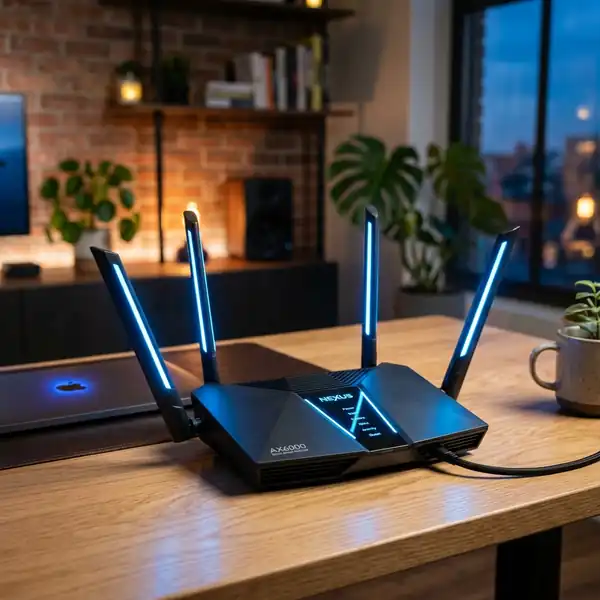
Efficiently organizing a small network server rack enhances connectivity and improves system management.
Assessing Power Requirements
Calculate the total power consumption of all devices in the rack. For example, if each device consumes 50W, and five devices are present, the total requirement is 250W.
Choosing the Right Rack Size
Select a rack that accommodates all devices while allowing for airflow. A 12U rack is typically sufficient for a home office setup with networking equipment.
Networking Equipment Layout
Position switches and routers at the top for optimal cable management. Use a cable management tray to guide cables downwards, minimizing clutter.
Cooling Solutions
Ensure proper ventilation by using rack-mounted fans. A fan rated at 120 CFM can effectively cool a 12U rack.
Testing Connectivity
Use a network cable tester to verify that all connections are functional. This step ensures devices are communicating as intended.
| Device Type | Power Consumption (W) | Network Speed (Mbps) |
|---|---|---|
| Router | 20 | 1000 |
| Switch | 30 | 1000 |
| Server | 150 | 1000 |
| PoE Camera | 10 | 100 |
DomineTec Tip: Utilize a UPS with a minimum of 1500VA to ensure uninterrupted power during outages.
- Measure the space available for the rack.
- Calculate total power requirements of devices.
- Select an appropriate size for the server rack.
- Install devices starting with the heaviest at the bottom.
- Connect power and data cables, ensuring proper management.
- Test all connections using a network cable tester.
- Monitor temperatures and adjust airflow as necessary.
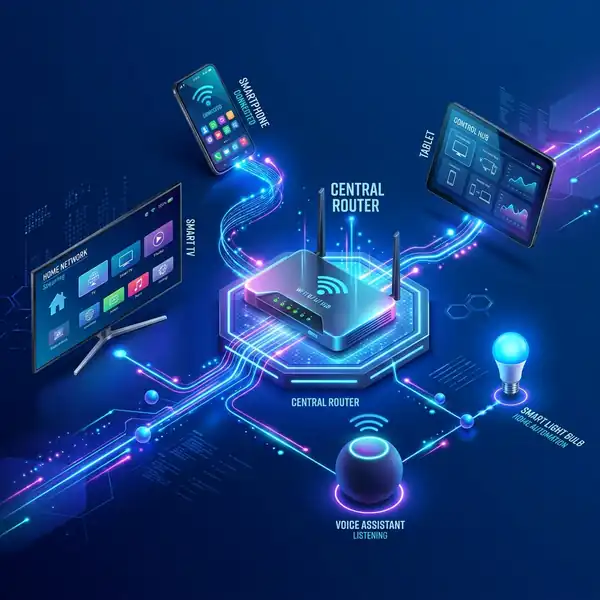

For advanced configurations, refer to VLAN on PfSense or learn how to power WiFi router with a battery. Backup solutions can be found at battery backup for PoE cameras.
Cable Management Techniques
Effective cable management is crucial for maintaining a tidy server rack. Using cable ties, Velcro straps, and cable organizers can prevent tangling and improve airflow.
Labeling cables will assist in identification and troubleshooting during maintenance. Consider using vertical cable management panels to keep cables organized and off the rack floor.
Security Measures for Network Equipment
Implementing security measures protects sensitive data and equipment from unauthorized access. Lockable racks and enclosures can deter physical tampering with network devices.
Network security should also include firewalls and intrusion detection systems to safeguard data. Regular software updates and strong password policies are essential for preventing cyber threats.
Monitoring and Management Tools
Utilizing monitoring tools can provide real-time insights into network performance and health. Network management software helps in tracking bandwidth usage, device status, and alerts for failures.
Consider implementing SNMP (Simple Network Management Protocol) for efficient monitoring. Regularly reviewing logs and alerts can help identify potential issues before they escalate.
Backup Power Solutions
Uninterruptible Power Supplies (UPS) are vital for maintaining network uptime during power outages. Choosing a UPS with sufficient capacity ensures that critical equipment remains operational.
Regularly testing and maintaining the UPS system can prevent unexpected failures. Consider integrating generators for extended outages, especially for critical applications.
Environmental Considerations
Environmental factors play a significant role in the performance of network equipment. Monitor temperature and humidity levels to ensure optimal operating conditions for devices.
Utilizing climate control systems can prevent overheating and equipment damage. Regular dusting and cleaning of the rack and equipment can also enhance longevity and efficiency.
Documentation and Labeling Best Practices
Thorough documentation of the network setup aids in maintenance and troubleshooting procedures. Creating a network diagram can visually represent connections and configurations.
Consistent labeling of ports, devices, and cables enhances clarity and reduces confusion. Maintain an updated inventory list of all equipment for easy reference and management.
Future-Proofing Your Setup
When organizing a server rack, consider future scalability and potential upgrades. Choose equipment that supports the latest standards to avoid obsolescence.
Design the layout to accommodate additional devices without requiring a complete overhaul. Investing in modular components can simplify expansion and enhance flexibility in the future.
Choosing the Right Equipment for CCTV Integration
When integrating CCTV systems into a small network server rack, the selection of appropriate cameras is crucial. Consider factors such as resolution, field of view, and night vision capabilities.
IP cameras tend to offer superior image quality and remote access capabilities compared to analog cameras. Ensure compatibility with existing network infrastructure to avoid potential issues.
Storage solutions for CCTV footage should also be evaluated. Network Video Recorders (NVRs) are recommended for managing video streams efficiently and providing easy access to recorded data.
Lastly, assess the bandwidth requirements for the CCTV system. High-resolution cameras consume significant bandwidth, which may impact the performance of other network services if not properly managed.
Implementing VLANs for Network Efficiency
Virtual Local Area Networks (VLANs) can significantly enhance network efficiency in a small server rack environment. By segmenting traffic, VLANs minimize congestion and improve overall performance.
Each department or application can be assigned its own VLAN, allowing for better traffic management and security. For instance, separating CCTV feeds from general office data traffic can enhance bandwidth allocation.
Implementing VLANs also simplifies troubleshooting. Isolating issues within a specific VLAN can lead to quicker resolutions without affecting the entire network.
Lastly, ensure that the network switches support VLAN configurations. Managed switches provide the flexibility required to efficiently implement and manage VLAN settings.
Selecting Appropriate Rack Accessories
Enhancing the functionality of a small network server rack often requires selecting the right accessories. Rack shelves, drawers, and trays can help organize equipment effectively.
Adjustable rack shelves provide versatile storage options for non-rackmount devices. These shelves can support devices such as routers, switches, and even small servers.
Additionally, cable trays and wire management panels keep cables organized and out of the way. This organization not only improves airflow but also simplifies maintenance tasks.
Consider also adding a rack-mounted power distribution unit (PDU). A PDU allows for efficient power management and ensures that all devices can be powered safely without overloading circuits.
Regular Maintenance Practices
Regular maintenance is essential for ensuring the longevity and performance of a small network server rack. Schedule routine checks of all equipment to identify any potential issues early.
Cleaning dust and debris from equipment and rack spaces helps maintain optimal cooling and prevents overheating. Using compressed air can effectively remove dust from hard-to-reach areas.
Another key aspect of maintenance is monitoring system logs. Regularly reviewing logs can help identify patterns that may indicate hardware failures or security breaches.
Updating firmware and software on network devices is also crucial. Keeping systems current ensures that they benefit from the latest security updates and performance enhancements.
Understanding Network Protocols for Enhanced Performance
Familiarity with network protocols is essential for optimizing the performance of a small server rack. Common protocols include TCP/IP, HTTP, and FTP, each serving distinct purposes.
TCP/IP is the foundational protocol for network communication. Understanding its structure and functionality can help in troubleshooting network issues effectively.
HTTP and FTP play critical roles in web and file transfer services, respectively. Knowing how to configure and optimize these protocols can enhance service delivery in a home office environment.
Additionally, consider implementing Quality of Service (QoS) settings. QoS allows prioritization of critical traffic, ensuring that essential services receive the bandwidth they need during peak usage times.
Integrating IoT Devices into Your Network
The integration of Internet of Things (IoT) devices into a small network server rack can enhance functionality. Smart devices, such as sensors and thermostats, can improve overall efficiency and security.
When adding IoT devices, ensure that they are compatible with existing network protocols. This compatibility is essential for seamless integration and performance optimization.
Additionally, consider the security implications of adding IoT devices. Implementing strong authentication methods and isolating IoT traffic can help mitigate potential vulnerabilities.
Lastly, monitor the performance of IoT devices regularly. Keeping track of their connectivity and functionality will ensure they contribute positively to the network environment.
Implementing Redundancy for Reliability
Redundancy is a critical aspect of network design, particularly for home offices relying on consistent connectivity. Implementing redundant components can minimize the risk of downtime due to equipment failure.
Network redundancy can be achieved through various methods, including using multiple power supplies for servers and networking equipment. This ensures that if one power supply fails, the other can take over without interrupting service.
Additionally, employing secondary network paths can enhance reliability. Redundant connections using different ISPs or multiple routers can provide alternative routes for data traffic, ensuring continuous connectivity.
Regularly testing these redundancy systems is essential. Scheduled drills can help identify potential weaknesses and ensure that failover systems operate correctly when needed.
Optimizing Network Performance with QoS
Quality of Service (QoS) is a vital feature for managing network performance in environments with diverse traffic types. Implementing QoS allows prioritization of critical data packets, ensuring that essential applications receive the bandwidth they require.
Different traffic types can be categorized based on their importance. For instance, video streaming for CCTV should be prioritized over less critical data transfers to maintain smooth operation and reduce latency.
Configuring QoS settings on routers and switches can be complex but is essential. Properly set parameters will ensure that bandwidth is allocated dynamically and efficiently across all devices in the network.
Monitoring network traffic and adjusting QoS settings as necessary ensures optimal performance. Continuous assessment helps adapt to changing usage patterns and maintains high service quality.
Implementing an Effective Firewall Strategy
An effective firewall strategy is crucial for protecting network integrity. Firewalls act as a barrier between trusted internal networks and untrusted external sources, thereby preventing unauthorized access.
Choosing between hardware and software firewalls depends on the specific needs of the network. Hardware firewalls offer robust security features and are suitable for environments with multiple connected devices.
Regularly updating firewall rules and configurations is vital. Keeping security measures current helps guard against evolving threats and vulnerabilities in network security.
Log analysis is an essential part of firewall management. Monitoring firewall logs can reveal unusual activity, enabling prompt action to mitigate potential breaches.
Implementing Effective Network Segmentation
Network segmentation is a critical strategy in enhancing both performance and security. By dividing the network into smaller, manageable segments, it is possible to reduce congestion and limit the impact of potential security breaches.
Each segment can be tailored to specific functions, such as separating CCTV traffic from general office data. This not only improves speed but also ensures that sensitive video feeds are less vulnerable to external threats.
Utilizing technologies such as VLANs (Virtual Local Area Networks) allows for more granular control over traffic. Administrators can enforce policies that prioritize bandwidth for critical applications while reducing resource allocation for less important functions.
Monitoring tools can provide insights into traffic patterns within each segment. This data can guide further optimization and adjustments to maintain an efficient and secure network environment.
Regular Software Updates and Patching
Keeping network equipment and associated software up to date is essential for security and performance. Regular updates and patching can address vulnerabilities that may be exploited by malicious actors.
Establishing a routine schedule for checking firmware and software updates ensures that all devices are running the latest versions. This proactive approach can prevent potential breaches and enhance the overall stability of the network.
Automated update systems, where available, can simplify this process. They allow for timely updates without requiring constant manual intervention, reducing the chances of human error.
In addition to security enhancements, updates often include performance improvements. Staying current can result in better network efficiency and a smoother user experience across all connected devices.
Implementing Effective Network Monitoring Solutions
Network monitoring is essential for maintaining optimal performance and security in a small network server rack. It involves continuously observing network traffic, analyzing data packets, and detecting anomalies that could indicate potential issues.
Utilizing tools such as SNMP (Simple Network Management Protocol) can help streamline the monitoring process. These tools provide valuable insights into network performance metrics, including bandwidth usage, device health, and latency.
Setting up alerts for critical thresholds ensures immediate action can be taken in the event of network degradation or failure. This proactive approach minimizes downtime and enhances overall network reliability.
Incorporating a centralized monitoring dashboard that consolidates data from various devices facilitates quick decision-making. Such visibility aids in identifying trends and planning for future network upgrades or expansions.
Utilizing Virtualization for Resource Efficiency
Virtualization technology can significantly enhance the efficiency of a small network server rack setup. By allowing multiple virtual machines (VMs) to run on a single physical server, organizations can maximize hardware utilization.
This approach reduces the need for additional physical equipment, lowering costs and energy consumption. It also simplifies management, as resources can be allocated dynamically based on demand.
Implementing a hypervisor, such as VMware or Hyper-V, enables the seamless creation, deployment, and management of VMs. Each VM can operate independently, providing flexibility for various applications and services.
Furthermore, virtualization enhances disaster recovery capabilities. In the event of a hardware failure, VMs can be quickly migrated to other servers, ensuring business continuity and minimizing disruption.
Frequently Asked Questions
What is the ideal rack size for a home office?
A 12U rack typically accommodates standard office networking equipment.
How to determine power needs?
Sum the wattage of all devices; ensure the UPS can handle this load.
What cooling options are available?
Rack-mounted fans or external air conditioning units can be utilized for cooling.
How to manage cables effectively?
Use cable management trays and ties to organize and route cables neatly.
What tools are needed for setup?
A power meter, screwdriver, and network cable tester are essential for setup.