How to Set Up a VLAN in PfSense for a Dedicated WiFi Router
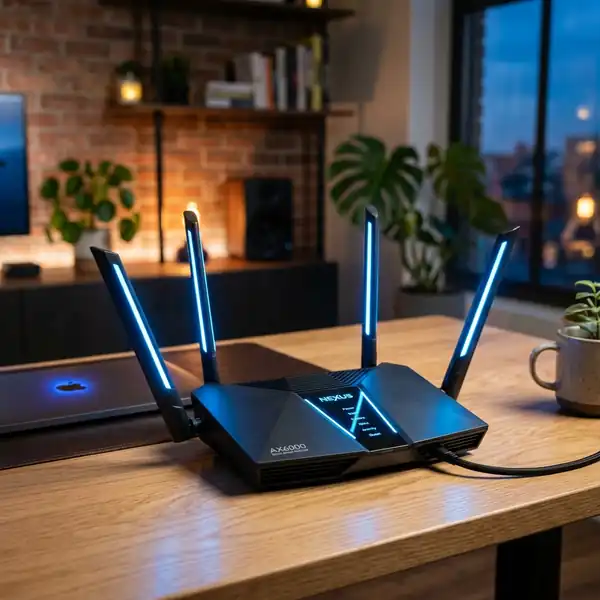
Setting up a VLAN in PfSense for a dedicated WiFi router involves creating VLAN interfaces and configuring firewall rules.
Understanding VLANs and Their Importance
VLANs (Virtual Local Area Networks) segment network traffic, improving performance and security. Each VLAN operates as a separate broadcast domain.
Prerequisites for VLAN Setup
Ensure that the PfSense firewall is installed and functioning correctly. A dedicated WiFi router that supports VLAN tagging is also required.
Configuration Steps in PfSense
- Log in to the PfSense web interface.
- Navigate to Interfaces > Assignments.
- Select the VLANs tab and click on the Add button.
- Enter the VLAN tag (e.g., 10) and select the physical interface (e.g., em0).
- Click Save, then click Apply Changes.
- Navigate to Interfaces > [VLAN interface] to configure IP settings.
- Assign a static IP address to the VLAN interface.
- Define firewall rules under Firewall > Rules > [VLAN interface] to control traffic.
Firewall Rules Configuration
Creating firewall rules determines the traffic allowed through the VLAN. Rules should specify source, destination, and action (allow/deny).
Testing the VLAN Setup
After configuration, connect devices to the dedicated WiFi router using appropriate SSID settings. Verify connectivity using ping tests.
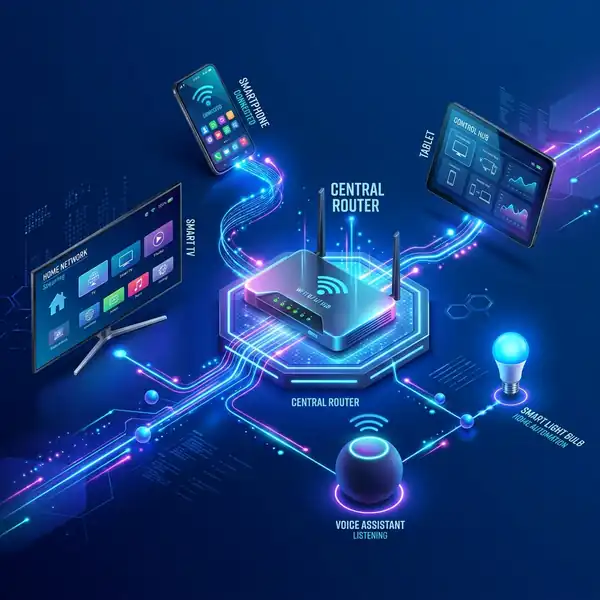
Technical Specifications
| Feature | Specification |
|---|---|
| VLAN Tagging | 802.1Q |
| IP Addressing | Static/Dynamic |
| Max VLANs | 4096 |
| Interface Types | Ethernet, Wireless |
| QoS Support | Yes |
DomineTec Tip: Consider using a managed switch for enhanced VLAN management and traffic prioritization.
Securing the VLAN
Implement security measures such as strong passwords and WPA3 encryption on the dedicated WiFi router. Regularly update firmware to mitigate vulnerabilities.

Conclusion
VLAN configuration in PfSense enhances network management and security for dedicated WiFi routers. Following these steps ensures effective isolation of network segments.
Monitoring VLAN Traffic
Effective monitoring of VLAN traffic is essential for maintaining network performance and security. Tools such as Wireshark or PRTG can be used to capture and analyze traffic, providing insights into data flow and potential bottlenecks.
Implementing SNMP (Simple Network Management Protocol) in PfSense can facilitate real-time monitoring of network devices within the VLAN. By configuring SNMP, administrators can receive alerts regarding performance issues or unusual traffic patterns, enabling timely intervention.
Utilizing flow monitoring tools, such as NetFlow, can also provide valuable metrics about traffic types and volume. This data can help identify excessive bandwidth usage or unauthorized access attempts, reinforcing VLAN security.
Regularly reviewing traffic logs is crucial for maintaining an efficient VLAN setup. These logs can reveal trends over time, allowing for proactive adjustments to configurations or firewall rules in response to changing network demands.
Advanced Routing Techniques
In complex network environments, advanced routing techniques can optimize VLAN performance and connectivity. Utilizing dynamic routing protocols, such as OSPF (Open Shortest Path First) or BGP (Border Gateway Protocol), can enhance inter-VLAN routing efficiency.
Static routes may also be configured in PfSense to direct traffic more effectively between VLANs. This approach ensures that specific traffic flows through designated paths, which can help in managing bandwidth and improving overall network reliability.
Implementing policy-based routing allows for different types of traffic to be routed based on criteria such as source IP address or application type. This capability can be invaluable in prioritizing critical business applications while managing less important traffic.
Integrating Quality of Service (QoS) settings into routing configurations can further enhance performance. By prioritizing specific VLAN traffic, such as video conferencing or VoIP, network administrators can ensure that these applications receive the necessary bandwidth for optimal performance.
Integrating VLAN with DHCP Services
Dynamic Host Configuration Protocol (DHCP) is essential for assigning IP addresses within a VLAN. Configuring DHCP relay in PfSense allows devices in a VLAN to obtain IP addresses from a centralized DHCP server, simplifying network management.
Each VLAN should have its own DHCP scope to prevent IP address conflicts. By specifying a range of IP addresses for each VLAN, administrators can ensure that devices are correctly assigned addresses without overlap.
Configuring options such as domain name servers and default gateways in the DHCP settings is also crucial. This configuration ensures that devices can effectively communicate with each other and access external resources.
Monitoring DHCP leases can provide insights into device connectivity and network usage. Keeping track of active leases helps in troubleshooting connectivity issues and optimizing the allocation of IP addresses within each VLAN.
Implementing VLANs with Wireless Networks
Integrating VLANs with a wireless network involves configuring access points to recognize and separate traffic based on VLAN tags. This setup ensures that wireless clients are segmented properly, enhancing both security and performance.
Configuring SSIDs (Service Set Identifiers) corresponding to different VLANs allows for tailored access based on user roles. For instance, a guest SSID can be linked to a guest VLAN, ensuring that guests cannot access sensitive internal resources.
Employing WPA3 encryption on wireless networks further secures data transmission. When combined with VLAN configurations, WPA3 ensures that even if a wireless segment is compromised, the attack surface is limited to that specific VLAN.
Regularly updating firmware on wireless access points is critical for maintaining security. Ensuring that the latest security patches are applied helps protect against vulnerabilities that could impact VLAN integrity.
Scaling VLANs for Future Growth
As organizations grow, scaling VLANs becomes essential for accommodating increased network demands. Planning for future growth involves creating a flexible VLAN architecture that can be easily expanded without disrupting existing services.
Employing a hierarchical VLAN design can facilitate scalability. This design groups VLANs logically based on departments or functions, allowing for efficient management and resource allocation as the organization expands.
Regularly reviewing and updating VLAN configurations is vital for scalability. As new services or departments are added, adjustments may be necessary to ensure that VLANs continue to meet the evolving needs of the organization.
Documenting VLAN configurations and changes creates a roadmap for future growth. A well-maintained documentation process ensures that new administrators can quickly understand the network infrastructure and contribute to its ongoing development.
Best Practices for VLAN Management
Implementing best practices for VLAN management enhances both security and performance. Regular audits of VLAN configurations can identify vulnerabilities or misconfigurations that may compromise network integrity.
Segmentation of VLANs based on function or security level is crucial. By isolating sensitive data or critical applications in dedicated VLANs, organizations can mitigate the risk of unauthorized access or data breaches.
Establishing clear naming conventions for VLANs aids in better management and reduces the chance of configuration errors. This practice ensures that all network administrators can quickly identify the purpose and scope of each VLAN.
Training staff on VLAN management is essential for maintaining a secure network environment. Regular workshops or training sessions can keep administrators updated on the latest technologies and practices, fostering a culture of proactive network management.
Additional Tuning and Diagnostics
After successfully setting up a VLAN in PfSense, it is essential to perform additional tuning and diagnostics to ensure optimal performance. This involves adjusting various settings and utilizing diagnostic tools to monitor traffic flow and identify potential bottlenecks.
One critical aspect of tuning involves reviewing the MTU (Maximum Transmission Unit) settings for the VLAN. Mismatched MTU sizes can lead to fragmentation and degraded performance. Adjusting the MTU settings on both PfSense and connected devices can enhance network efficiency and reliability.
Utilizing the built-in diagnostic tools in PfSense, such as the Traffic Graphs and Packet Capture utilities, allows for real-time monitoring of VLAN performance. These tools provide insights into bandwidth usage, packet loss, and latency, which can be pivotal in troubleshooting issues.
Moreover, regularly analyzing system logs can reveal patterns or recurring problems that may not be immediately evident. Setting up alerts for unusual traffic spikes or unauthorized access attempts can bolster overall network security and performance.
Inter-VLAN Routing Considerations
Implementing inter-VLAN routing is crucial when multiple VLANs need to communicate with one another. PfSense allows for efficient inter-VLAN routing, which can be configured to enable or restrict traffic between VLANs based on specific networking needs.
To facilitate inter-VLAN routing, it is necessary to configure appropriate firewall rules that dictate how traffic is handled between VLANs. These rules should be carefully crafted to allow necessary communication while preventing unauthorized access, ensuring a secure and efficient network environment.
Another consideration is the use of static routes, which can simplify the routing process between VLANs. Static routes can help optimize traffic flow by directing packets through the most efficient paths, thereby reducing latency and improving overall performance.
Additionally, monitoring inter-VLAN traffic can provide valuable insights into how resources are utilized across the network. Regular analysis of this traffic can inform future adjustments to routing policies and firewall rules, ensuring the network remains agile and responsive to changing demands.
VLAN Tagging Techniques
VLAN tagging is an essential technique that allows multiple VLANs to coexist on the same physical network infrastructure. Understanding different VLAN tagging methods, such as IEEE 802.1Q, is vital for effective network segmentation.
IEEE 802.1Q operates by inserting a tag into the Ethernet frame, which identifies the VLAN to which the frame belongs. This tagging process ensures that switches and routers can properly forward packets to their intended destinations without confusion between VLANs.
Properly configuring trunk ports on switches connected to PfSense is crucial for supporting VLAN tagging. Trunk ports must be set to recognize and forward traffic for all VLANs that pass through them, ensuring seamless communication across the network.
In addition, implementing Quality of Service (QoS) settings can help prioritize VLAN traffic based on specific needs. This ensures critical applications receive the necessary bandwidth while minimizing congestion and enhancing overall network performance.
VLAN Performance Optimization Techniques
Optimizing VLAN performance is essential to achieve the best results from the network configuration. Techniques such as load balancing and traffic shaping can significantly improve the efficiency of VLANs in a PfSense environment.
Load balancing across VLANs can distribute network traffic more evenly, preventing any single VLAN from becoming a bottleneck. Implementing techniques such as Link Aggregation can combine multiple network connections into a single logical link, enhancing throughput and providing redundancy.
Traffic shaping is another vital tool for managing bandwidth usage across VLANs. By defining maximum bandwidth limits for specific types of traffic, it is possible to ensure that critical applications maintain performance even during peak usage periods.
Regular performance assessments and adjustments to these optimization techniques can help maintain a high level of service. Continuous monitoring and analysis will enable timely responses to any changes in network demands, ensuring the VLAN infrastructure remains robust and efficient.
Common VLAN Misconfigurations and Troubleshooting
VLAN misconfigurations can lead to various network issues, including traffic not being properly segregated or devices failing to communicate as intended. One common mistake is neglecting to assign the correct VLAN IDs to switch ports, which can result in devices being placed in the wrong network segment and experiencing connectivity problems.
Another frequent issue arises from improper trunking configurations on switches. If trunk ports are not correctly set to allow specific VLANs, devices on those VLANs may not be able to communicate with the PfSense router or other VLANs, leading to significant disruptions in network functionality.
Additionally, misconfigured firewall rules can impede traffic flow between VLANs. When rules are too restrictive or incorrectly defined, legitimate traffic can be blocked, causing confusion and requiring careful review to ensure that the intended traffic is allowed through the firewall.
To troubleshoot VLAN issues effectively, systematic testing is crucial. Utilizing network analysis tools such as packet sniffers can help identify where traffic is being blocked or misrouted, enabling the network administrator to pinpoint the source of the problem more efficiently.
Optimizing VLAN Performance in High-Density Environments
In environments with a high density of devices, VLAN performance can be significantly impacted by factors such as broadcast traffic and network congestion. Proper segmentation and careful planning are essential to maintain optimal performance in such scenarios.
Implementing Quality of Service (QoS) settings can greatly enhance VLAN performance by prioritizing network traffic. By configuring QoS policies within PfSense, critical applications can be allotted more bandwidth, thereby reducing latency and ensuring that important data packets are transmitted without delay.
Regular monitoring of VLAN traffic patterns is also vital in identifying potential bottlenecks. Utilizing network monitoring tools can help visualize traffic flow and highlight any unusual spikes that may indicate the need for additional resources or reconfiguration.
Lastly, the deployment of Layer 3 switches can further improve performance by allowing inter-VLAN routing to occur at the switch level rather than routing all traffic through the PfSense device. This approach reduces latency and enhances overall network efficiency, especially in environments with significant inter-VLAN communication.
Frequently Asked Questions
What is a VLAN?
A VLAN is a logical separation of networks that allows devices to communicate as if they were on the same physical network.
How many VLANs can be created?
Up to 4096 VLANs can be created using the 802.1Q standard, which defines the VLAN tagging protocol.
Do I need special hardware for VLANs?
A switch that supports VLAN tagging is necessary for effective VLAN management in a network environment.
Can VLANs improve network performance?
Yes, VLANs reduce broadcast traffic and can improve network performance by segmenting traffic types.
Is it possible to configure multiple SSIDs for a single VLAN?
Multiple SSIDs can be configured under a single VLAN if the access point supports this feature, allowing for different access policies.