60% Keyboard Layout: Is a Compact Mechanical Keyboard Worth It?
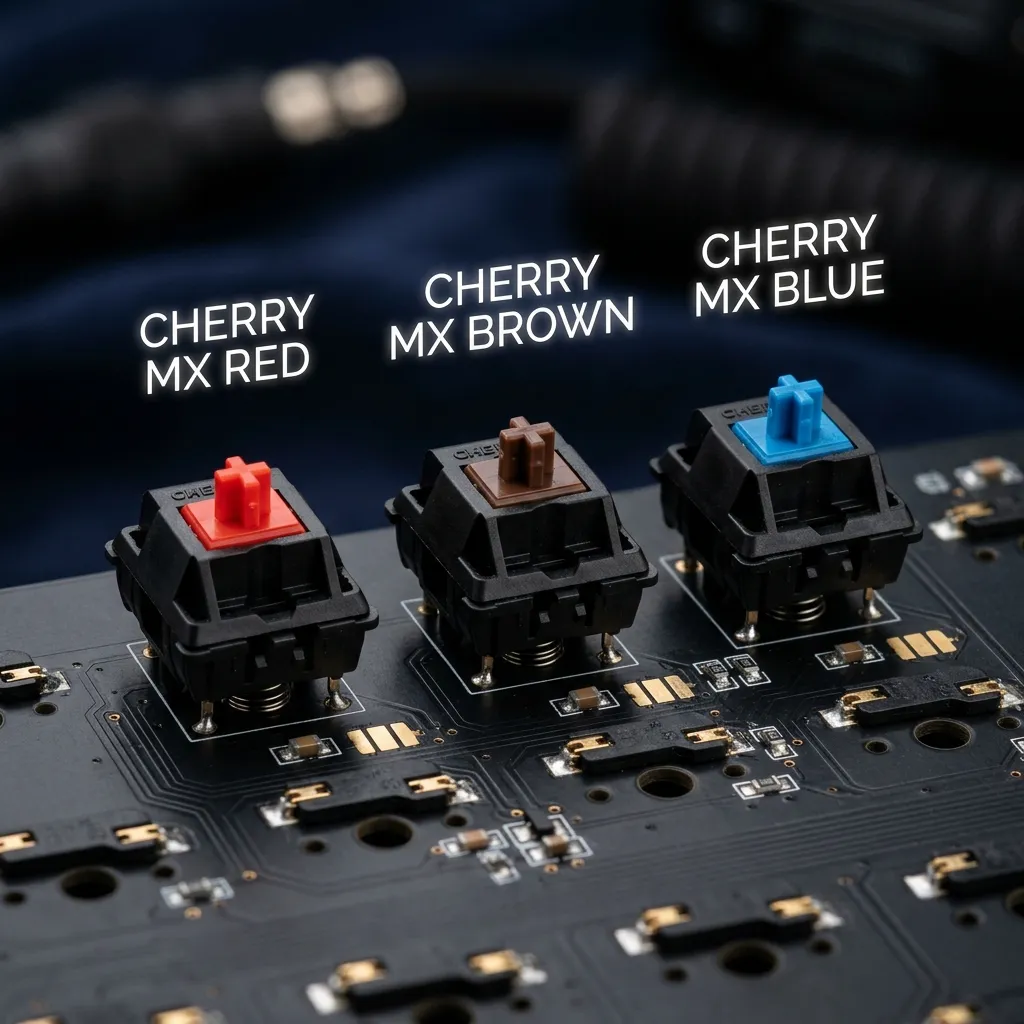
Yes, a compact 60% mechanical keyboard is worth it for users seeking efficiency and portability without sacrificing performance.
Ergonomics: Comfort in a Compact Design
60% keyboards eliminate the number pad and function row, promoting a more natural hand position, reducing shoulder strain.
Many users report less wrist fatigue due to the shorter reach required for mouse movement.
Performance: Speed and Precision
These keyboards are designed with mechanical switches that provide tactile feedback, enhancing typing speed and accuracy.
High polling rates reduce input lag, making them suitable for competitive gaming environments.
Materials: Durability and Aesthetics
Common materials include ABS plastic for keycaps and aluminum for the chassis, offering a balance of durability and weight.
Higher-end models feature PBT keycaps, which resist wear and provide a premium feel over time.
Design: Form Meets Function
The minimalist design of a 60% keyboard enhances desk aesthetics while maximizing space utilization.
Customization options, including RGB lighting and programmable keys, cater to personal preferences and enhance user experience.
Comparison Table: Features of Popular 60% Keyboards
| Keyboard | Switch Type | Keycap Material | Price (Approx.) | Weight |
|---|---|---|---|---|
| Ducky One 2 Mini | Cherry MX | PBT | $109 | 1.2 lbs |
| Anne Pro 2 | Gateron | PBT | $89 | 1.1 lbs |
| Keychron K6 | Gateron | ABS | $74 | 1.3 lbs |
| Razer Huntsman Mini | Razer Opto-Mechanical | ABS | $119 | 1.1 lbs |
DomineTec Tip: To enhance ergonomics, consider using a wrist rest to maintain a neutral wrist position during typing.
- Assess personal typing habits and preferences before choosing a keyboard layout.
- Test different switch types to find the best tactile feedback for comfort and speed.
- Consider the available space on the desk to ensure proper mouse movement.
- Look for keyboards with customizable RGB lighting to enhance the gaming experience.
- Check compatibility with operating systems, especially for wireless models.
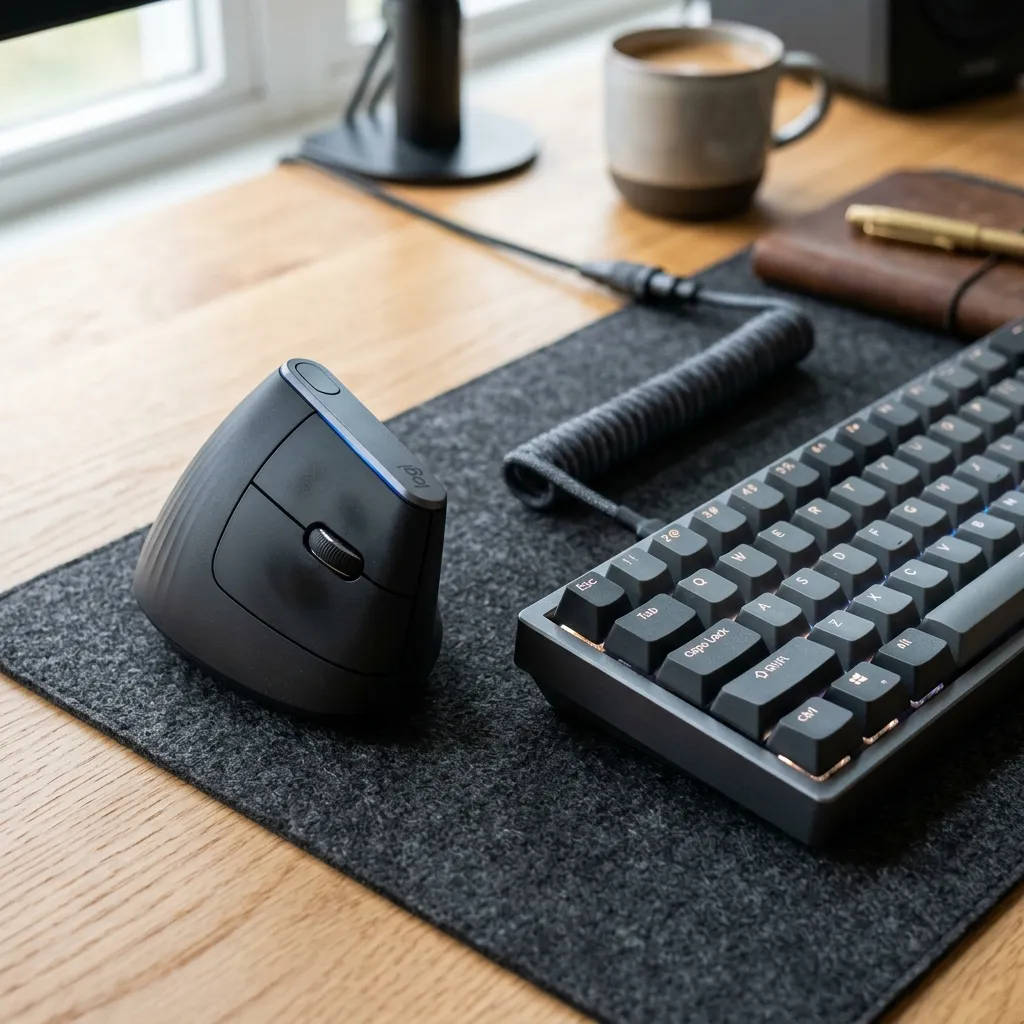

For optimal ergonomics, ensure that monitor height is properly adjusted to reduce neck strain.
When selecting a keyboard, consider the mechanical keyboard switches that best suit typing style.
Customization: Tailoring Your Typing Experience
One of the standout features of 60% keyboards is their high level of customization. Many models allow users to swap out keycaps, program macros, and even change the keyboard's firmware.
This flexibility enables users to create a keyboard that meets their functional needs and reflects their personal style. Custom keycap sets can be found in various colors, materials, and designs.
Additionally, programming options can include remapping keys and creating custom shortcuts, significantly enhancing productivity for gamers and professionals alike.
Communities and resources are available for enthusiasts looking to dive deeper into keyboard customization, providing guidance and inspiration for creating a unique typing experience.
Portability: The Advantage of a Smaller Footprint
60% keyboards are designed with portability in mind, making them an excellent choice for users on the go. Their compact size allows them to fit easily into a backpack or laptop case without taking up much space.
This portability is particularly beneficial for those who attend LAN parties, work remotely, or prefer a minimalist workspace. Fewer cables and accessories are needed, reducing clutter.
Despite their small size, many 60% keyboards offer robust features, including wireless connectivity options, enhancing their portability. Users can enjoy the freedom of typing without being tethered to a desk.
Overall, the compact design caters to a lifestyle that values mobility, making these keyboards a practical choice for modern users.
Key Switch Options: Finding the Right Feel
The choice of key switches is critical when selecting a 60% keyboard. Users can choose between mechanical, optical, or hybrid switches, each offering different tactile experiences.
Mechanical switches, such as Cherry MX, Gateron, or Kailh, come in various types, including linear, tactile, and clicky, allowing users to select a switch that suits their typing style and preferences.
Optical switches are gaining popularity due to their faster response times and durability, making them a great option for gamers looking for a competitive edge. Hybrid switches provide a balance, combining aspects of both mechanical and optical technologies.
Ultimately, the choice of key switch can significantly influence the typing experience, and users are encouraged to try different options before making a decision.
Compatibility: Ensuring Versatile Use
Compatibility is an essential consideration when selecting a 60% keyboard. Most modern keyboards are designed to work with various operating systems, including Windows, macOS, and Linux.
Many keyboards offer simple plug-and-play functionality, while others might require specific drivers or software for full customization. Users should ensure that their chosen keyboard meets their compatibility needs.
Additionally, some keyboards come with adjustable layouts, allowing users to switch between different modes, such as gaming and office use. This versatility enhances the overall user experience.
Understanding compatibility ensures that users can enjoy a seamless transition between devices and operating systems, making 60% keyboards a versatile addition to any setup.
Community and Support: Engaging with Enthusiasts
The 60% keyboard community is vibrant and active, providing a wealth of resources for both new and experienced users. Online forums, social media groups, and dedicated websites offer discussions, reviews, and troubleshooting tips.
Engaging with the community can enhance the ownership experience, as users can share their setups, seek advice, and participate in group buys for exclusive keycap sets or keyboard kits.
This communal knowledge base helps users get the most out of their keyboards, ensuring they can customize and maintain their devices effectively. Tutorials and guides are also widely available.
Participating in this community can also lead to friendships and collaborations, making the journey of keyboard customization an enjoyable social experience.
Gaming Experience: Enhancing Competitive Play
For gamers, a 60% keyboard can provide significant advantages in both performance and comfort. The compact layout allows for more mouse movement, making it easier to execute precise maneuvers in fast-paced games.
Furthermore, many 60% keyboards feature programmable keys and macros, enabling gamers to customize their setups for specific titles or play styles. This can lead to improved gameplay efficiency and reaction times.
The reduced size also makes it easier to position the keyboard in a way that suits the user's gaming posture, helping to minimize fatigue during long gaming sessions.
As a result, a 60% keyboard can be an excellent investment for gamers looking to enhance their competitive edge and overall gaming experience.
Price Range: Evaluating Cost vs. Benefit
The price range of 60% keyboards can vary significantly, from budget models to high-end options with premium features. Understanding the cost vs. benefit is crucial for potential buyers.
Entry-level models can offer a great introduction to mechanical keyboards without breaking the bank, while mid-range options often provide better build quality and additional features such as customizable RGB lighting.
High-end keyboards may include premium materials, advanced switch technology, and extensive customization options, appealing to enthusiasts willing to invest in their setup.
Ultimately, users should assess their budget and determine what features are most important to them, ensuring they get the best value for their investment.
Maintenance: Keeping Your 60% Keyboard in Top Condition
Regular maintenance of a 60% keyboard is essential for ensuring its longevity and optimal performance. Dust and debris can accumulate under the keycaps, affecting the tactile feedback and overall functionality of the keys.
To maintain your keyboard, periodic cleaning is recommended. This can be achieved by gently removing the keycaps and using compressed air to blow out any particles trapped underneath, followed by wiping the surface with a microfiber cloth.
Additionally, lubricating the key switches can enhance the typing experience. Proper lubrication reduces friction and can provide a smoother keystroke, significantly improving the feel of the keyboard over time.
Finally, keeping the keyboard in a suitable environment is crucial. Avoiding exposure to extreme temperatures and humidity can prevent damage to the electronic components and prolong the lifespan of the keyboard.
Typing Experience: The Impact of Layout on Efficiency
The layout of a 60% keyboard significantly affects the typing experience and efficiency. With fewer keys, users often rely on function layers to access additional commands, which can alter their typing rhythm.
Many users report a steeper learning curve when transitioning from a full-sized keyboard to a 60% layout. However, with practice, many find that they achieve a higher typing speed and increased accuracy due to minimized finger movement.
Additionally, the lack of a number pad and function keys can lead to a cleaner workspace, promoting better focus and reducing distractions. This streamlined design can be particularly beneficial for typists who prioritize efficiency in their work.
Ultimately, the transition to a 60% keyboard can enhance the typing experience for those willing to adapt, making it a worthwhile consideration for serious typists and gamers alike.
Accessibility: Considerations for All Users
While 60% keyboards offer various advantages, accessibility is an important factor to consider. Users with specific needs may find the compact layout challenging, as the smaller key arrangement can lead to mispresses and discomfort.
For users with disabilities or those who require assistive technology, the absence of dedicated keys can complicate the typing experience. It is essential to evaluate whether the layout can accommodate any necessary modifications for ease of use.
Moreover, the learning curve associated with a 60% keyboard might deter some users. Those accustomed to full-sized keyboards may need additional time to adjust, which could impact productivity during the transition period.
In summary, while 60% keyboards are designed with efficiency in mind, it is crucial to assess individual needs and preferences to ensure that the compact layout aligns with the user's typing requirements.
Trends: The Evolution of Keyboard Design
The popularity of 60% keyboards is part of a broader trend in keyboard design that emphasizes compactness and minimalism. As remote work and portable devices become more prevalent, users are increasingly seeking keyboards that fit their mobile lifestyles.
These keyboards have evolved from niche products to mainstream options, appealing to a diverse range of users, including gamers, programmers, and casual typists. The demand for customizable features and aesthetic options has also driven innovation in this market.
Moreover, advancements in technology have enabled manufacturers to create keyboards that are not only compact but also feature enhanced functionalities, such as wireless connectivity and programmable keys. This versatility has contributed to the growing appeal of 60% keyboards.
As trends continue to shift toward smaller, more efficient devices, the 60% keyboard is likely to remain a significant player in the keyboard market, reflecting the changing needs and preferences of users worldwide.
Sound Profile: The Acoustic Signature of Compact Keyboards
The sound profile of a keyboard is an often-overlooked aspect that can significantly impact the typing experience. For 60% keyboards, the choice of key switches and materials can lead to distinctive acoustics that appeal to different users.
Mechanical switches, commonly used in 60% keyboards, offer a variety of sound options, from the satisfying click of blue switches to the quieter thock of red switches. This diversity allows users to select a keyboard that aligns with their auditory preferences, whether they seek more tactile feedback or quieter operation.
Additionally, the overall construction of the keyboard, including the case material and internal dampening, contributes to its acoustic profile. A well-built keyboard can minimize unwanted vibrations and enhance the sound quality, resulting in a more enjoyable typing experience.
Ultimately, the sound profile can influence not only personal satisfaction but also the suitability of the keyboard for different environments, such as offices or shared spaces, where noise levels may be a concern.
Connectivity: Wired vs. Wireless Options in 60% Keyboards
Connectivity is a crucial factor when evaluating the practicality of a 60% keyboard. Users can choose between wired and wireless options, each offering distinct advantages and potential drawbacks.
Wired keyboards typically provide a stable connection with zero latency, making them ideal for gaming and professional typing. They do not require charging or battery replacements, ensuring consistent performance without interruptions.
On the other hand, wireless keyboards offer unparalleled convenience, allowing users to declutter their workspace and enjoy greater freedom of movement. However, they may face connectivity issues, especially in environments with multiple wireless devices, which can affect performance.
Ultimately, the choice between wired and wireless comes down to the user’s specific needs and preferences, making it essential to consider how the keyboard will be utilized in various settings.
Software Features: Enhancing Functionality Beyond Physical Design
Modern 60% keyboards often come equipped with software that allows users to customize their typing experience significantly. Through this software, users can remap keys, create macros, and adjust lighting effects, enhancing functionality without altering the keyboard's physical layout.
For gamers, these software features can be particularly beneficial, allowing for complex commands to be executed with a single keypress. This customization can lead to increased efficiency in gameplay and provide a competitive edge in fast-paced environments.
Additionally, some keyboards support open-source firmware, enabling users to further tweak and personalize their keyboard settings. This flexibility attracts tech-savvy users who enjoy exploring the depths of their hardware capabilities.
Overall, the software features associated with 60% keyboards significantly amplify their usability, transforming a simple keyboard into a highly customizable tool tailored to each user's needs.
Environmental Impact: Sustainability in Keyboard Manufacturing
The environmental impact of keyboard manufacturing is a growing concern in today's market. Many manufacturers are beginning to adopt sustainable practices, such as using recycled materials and reducing waste in production processes.
Furthermore, the compact design of 60% keyboards inherently leads to less material usage compared to full-sized keyboards. This reduction in size minimizes the environmental footprint of production and supports more efficient shipping practices, lowering carbon emissions during transportation.
Consumers are increasingly prioritizing sustainability in their purchasing decisions, prompting brands to highlight their eco-friendly initiatives. This trend is reflected in the rise of manufacturers offering keyboards made from biodegradable materials or those that focus on a longer lifespan, reducing electronic waste.
As the demand for environmentally responsible products continues to grow, the 60% keyboard market is likely to evolve, paving the way for more sustainable innovations in design and manufacturing.
Frequently Asked Questions
What is a 60% keyboard?
A 60% keyboard is a compact keyboard layout that omits the function row, number pad, and dedicated arrow keys, offering a minimalist design.
Are 60% keyboards suitable for gaming?
Yes, they are often preferred by gamers for their compact size, allowing for quicker mouse movements and enhanced desk space.




