What is the Safe Distance and Angle Between Your Eyes and the Monitor?
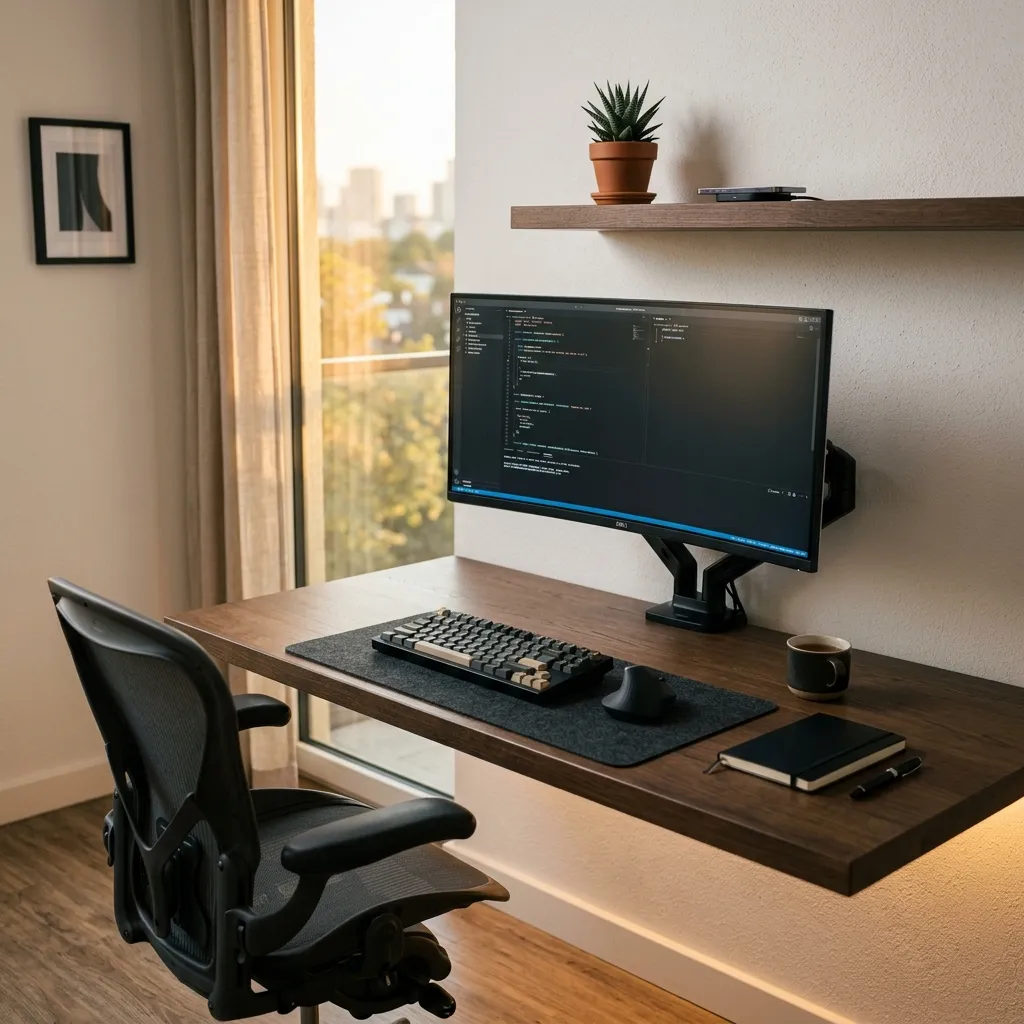
The safe distance between your eyes and the monitor should be between 20 to 30 inches, with an angle of 15 to 20 degrees.
Understanding Ergonomic Guidelines
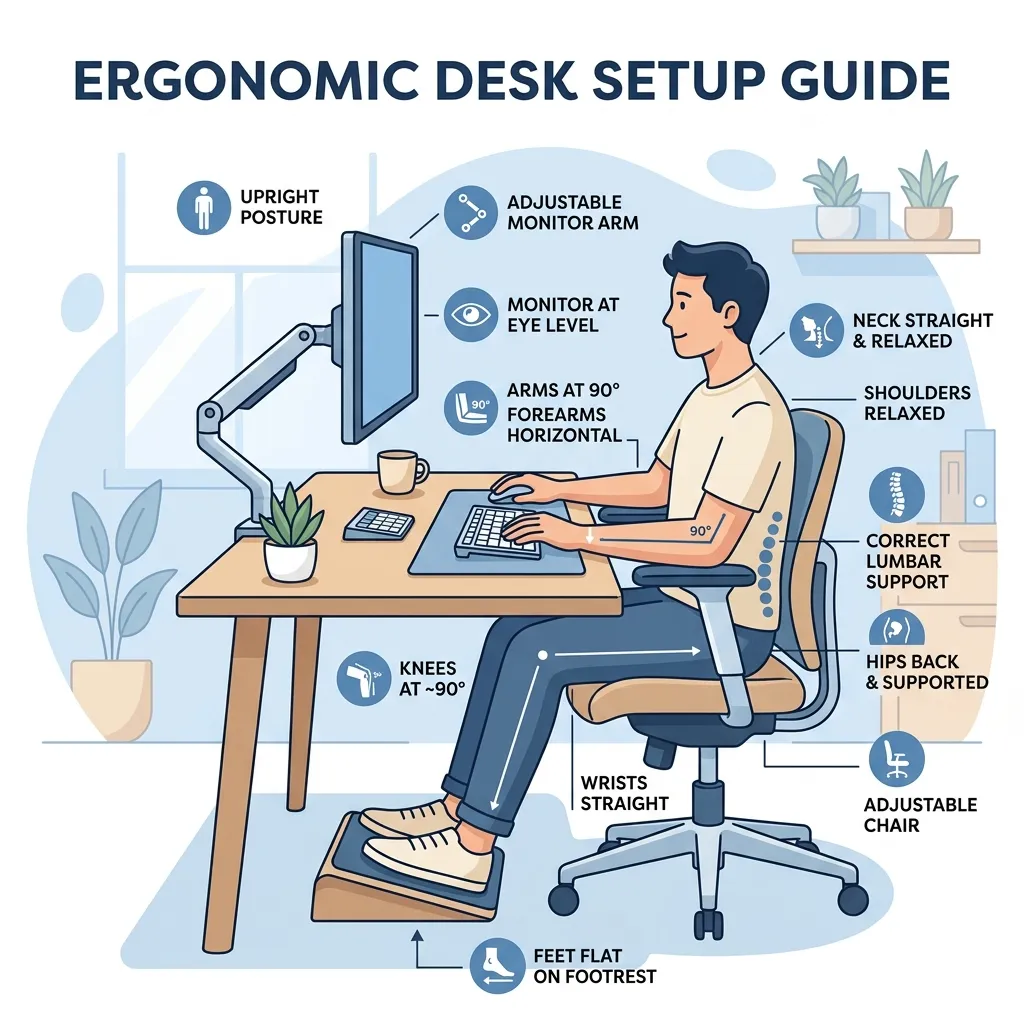
Ergonomic guidelines recommend positioning the monitor so that the top of the screen is at or just below eye level. This positioning promotes a neutral neck posture and reduces eye strain.
Optimal Viewing Distance
The recommended viewing distance varies based on screen size; for most monitors, 20 to 30 inches is ideal. Larger screens may require a greater distance to maintain comfort and visibility.
Monitor Angle Considerations
An optimal monitor angle is achieved when the screen tilts slightly backward, typically between 10 to 20 degrees. This angle minimizes glare and allows for a more natural line of sight.
Material Impact on Eye Comfort
Modern monitors often utilize anti-glare coatings that can reduce reflections and improve visibility. Investing in screens with high-quality displays, like IPS or OLED, can enhance color accuracy and reduce eye fatigue.
Performance and Productivity Factors
Research indicates that proper monitor setup can improve focus and productivity. Maintaining safe distances and angles decreases distractions and promotes sustained attention during tasks.
| Monitor Size (Inches) | Recommended Distance (Inches) | Optimal Angle (Degrees) |
|---|---|---|
| 21 - 24 | 20 - 24 | 15 - 20 |
| 25 - 27 | 24 - 28 | 10 - 15 |
| 28 - 32 | 28 - 30 | 5 - 10 |
DomineTec Tip: Regularly adjust screen brightness and contrast to match surrounding light conditions, enhancing visual comfort.
- Determine monitor size to establish required distance.
- Adjust the monitor height to align with eye level.
- Set the screen angle to reduce glare.
- Maintain a clean workspace to avoid distractions.
- Incorporate regular breaks to prevent eye strain.
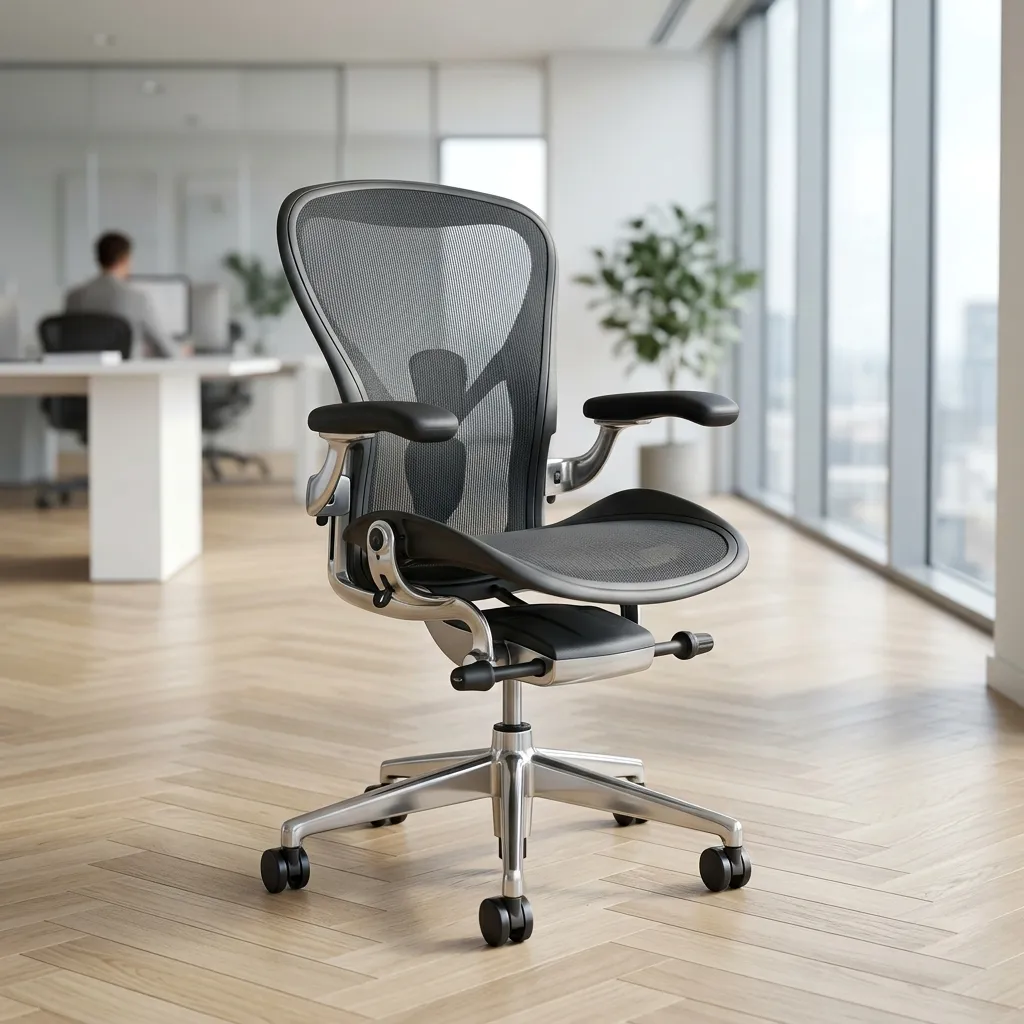
For further enhancing your workspace, consider how to correct monitor height or choose mechanical keyboard switches.
Impact of Screen Resolution on Eye Strain
The resolution of a monitor can significantly influence eye comfort during prolonged use. Higher resolution screens present clearer images, which can reduce the strain associated with pixelation and blurriness.
Users exposed to lower resolution displays may find themselves squinting or leaning closer to the screen, inadvertently increasing eye strain. Conversely, high-resolution monitors allow for easier reading of text and detailed graphics.
It is recommended to use monitors with at least 1080p resolution for standard use, while professionals in design or video editing may benefit from 4K displays. The clarity provided by these higher resolutions can enhance viewing comfort and reduce fatigue.
Additionally, the sharpness of text and images can allow for longer viewing periods without discomfort. Ensuring you have the right resolution tailored to your tasks can contribute to overall eye health.
Blue Light Emission and Its Effects
Monitors emit blue light, which has been associated with digital eye strain and disrupted sleep patterns. Understanding the impact of blue light is crucial for users who spend extensive hours in front of screens.
Research suggests that prolonged exposure to blue light can lead to discomfort, including dry eyes and blurred vision. Implementing blue light filters or using software that adjusts screen color temperature can mitigate these effects.
Many modern monitors come with blue light reduction features, which can be activated during evening hours. Users are encouraged to take breaks and use these settings to promote eye comfort.
Furthermore, adopting a 20-20-20 rule, where users look at something 20 feet away for 20 seconds every 20 minutes, can help alleviate the strain associated with blue light exposure.
Importance of Ambient Lighting
The surrounding lighting conditions can have a direct impact on eye comfort while using a monitor. Insufficient or excessive ambient lighting can lead to increased glare or reflections on the screen, making it harder to see.
Optimal lighting should be soft and diffused, reducing contrast between the monitor and the surrounding environment. This balance helps minimize eye strain and improves visibility.
Ideally, the light source should be positioned behind the user or to the side to prevent glare while maintaining a well-lit workspace. Using adjustable lamps can allow for better control over lighting conditions.
Users are advised to avoid working in complete darkness or overly bright spaces, as both extremes can exacerbate eye fatigue. A well-lit environment contributes positively to overall visual comfort.
Choosing the Right Monitor Size
The size of a monitor can affect the distance at which it should be viewed to avoid eye strain. Larger screens often require users to sit further back to take in the entire display without straining their necks or eyes.
Typically, a monitor size of 24 to 32 inches is recommended for optimal viewing at a distance of about 20 to 30 inches. Users should consider the screen size in relation to their workspace and viewing habits.
Additionally, larger screens can enhance multitasking abilities, allowing for multiple windows to be viewed simultaneously. This can reduce the need for excessive eye movement, contributing to a more comfortable experience.
However, the choice of monitor size should also be aligned with the user's specific needs, such as gaming or professional work, to ensure the best ergonomic setup.
Adjustable Monitors and Stands
Using adjustable monitors and stands can play a crucial role in achieving an ergonomic setup. Monitors that can tilt, swivel, and adjust in height allow users to customize their viewing experience to match their eye level and comfort.
Proper adjustments can prevent awkward head and neck positions, which contribute to discomfort and fatigue. An ideal monitor height should allow the top of the screen to be at or slightly below eye level.
Additionally, adjustable stands can help maintain the optimal viewing angle, reducing glare and reflections. This flexibility is especially beneficial for shared workspaces where multiple users access the same equipment.
Users are encouraged to regularly evaluate their monitor setups and make necessary adjustments. This proactive approach can lead to improved comfort and productivity over time.
Effects of Screen Flicker on Eye Health
Screen flicker, often unnoticed, can significantly impact eye health over time. Many monitors operate at refresh rates that can create subtle flickering, leading to discomfort and fatigue.
Higher refresh rates, typically above 60Hz, can minimize flickering and enhance visual stability. Users should consider investing in monitors with higher refresh rates to reduce eye strain.
Furthermore, individuals sensitive to flicker may experience symptoms such as headaches and blurred vision. Regular breaks and adjusting monitor settings can help alleviate these issues.
Awareness of flicker effects is essential, and users should test different monitors to find one that offers a stable viewing experience. Prioritizing flicker-free technology can contribute to long-term eye comfort.
Regular Eye Exams and Screen Time Management
Regular eye exams are crucial for maintaining eye health, especially for those who spend extended periods in front of screens. Eye care professionals can identify issues early and provide tailored recommendations.
Proper screen time management is equally important. Users should establish a schedule that includes regular breaks and offline activities to reduce the total time spent staring at screens.
Implementing strategies such as the Pomodoro Technique, where users work for 25 minutes followed by a 5-minute break, can effectively manage screen time. These breaks are essential for eye recovery and overall well-being.
Ultimately, a combination of regular eye check-ups and mindful screen habits can significantly enhance visual comfort and protect against long-term damage.
Understanding Visual Acuity and Its Relation to Monitor Distance
Visual acuity refers to the clarity or sharpness of vision, which can significantly influence how far away one should sit from a monitor. Individuals with higher visual acuity may be able to sit closer to the screen without experiencing discomfort or strain.
Research suggests that the ideal viewing distance can also depend on the size of the text and images displayed on the monitor. For instance, smaller text may necessitate a greater distance to maintain clarity and minimize eye strain.
Regular visual acuity assessments can help determine if adjustments to monitor distance are necessary. Those with deteriorating vision may need to increase their distance from the screen to ensure comfortable viewing.
Ultimately, understanding personal visual acuity and its relation to monitor distance can help users optimize their workspace for better eye health and comfort.
Impact of Monitor Refresh Rates on Eye Comfort
Monitor refresh rates, measured in hertz (Hz), indicate how many times per second the display updates the image. Higher refresh rates can lead to smoother visuals, which may reduce eye strain during prolonged use.
For activities that involve rapid motion, such as gaming or video editing, a monitor with a refresh rate of at least 60 Hz is recommended. Lower refresh rates can cause flickering, which is often imperceptible but can lead to fatigue over time.
Users should consider their primary use cases when selecting a monitor refresh rate. For general office tasks, a standard refresh rate may suffice, while more demanding visual tasks may warrant a higher refresh rate for enhanced comfort.
As technology evolves, many monitors now offer variable refresh rates, which automatically adjust to the content being displayed. This feature can enhance eye comfort and reduce strain for users engaged in varied activities.
Incorporating Breaks and Eye Exercises into Your Routine
Incorporating regular breaks into your screen time can significantly contribute to eye health. The 20-20-20 rule is a simple guideline where users should look at something 20 feet away for 20 seconds every 20 minutes.
Additionally, eye exercises such as blinking frequently and focusing on distant objects can help alleviate eye strain. These exercises encourage eye movement and reduce fatigue caused by prolonged screen exposure.
Creating a structured routine that includes breaks and eye exercises can foster better long-term visual health. Users should strive to integrate these practices into their daily work habits.
Employers and organizations can support eye health initiatives by promoting awareness of these practices among employees, ensuring a healthier and more productive work environment.
Importance of Proper Posture While Using a Monitor
Maintaining proper posture while using a monitor is crucial for overall comfort and health. Poor posture can lead to a range of problems, including neck, shoulder, and back pain, which can detract from productivity and increase discomfort during prolonged computer use.
To achieve an ergonomic posture, it is important to sit with your feet flat on the ground and your knees at a 90-degree angle. The monitor should be positioned at eye level to prevent straining the neck, and the back should be supported by a chair that promotes good spinal alignment.
Additionally, the arms should rest comfortably at the sides, with elbows bent at approximately 90 degrees while using the keyboard and mouse. This alignment helps reduce tension in the upper body and minimizes the risk of repetitive strain injuries.
Regularly assessing and adjusting your posture throughout the day can contribute significantly to reducing discomfort and promoting a healthier workspace. It is advisable to incorporate reminders or ergonomic assessments periodically.
The Role of Monitor Calibration in Eye Comfort
Monitor calibration plays a vital role in ensuring visual comfort and minimizing eye strain. Proper calibration allows users to achieve accurate color representation, which can reduce fatigue when working with graphics or detailed visual content.
Brightness and contrast settings should be adjusted to match the ambient lighting of the workspace. A monitor that is too bright or too dim can cause significant strain on the eyes, leading to discomfort over extended periods of use.
Color temperature is another aspect to consider during calibration. A warmer color temperature can reduce blue light exposure, thus potentially decreasing eye strain and improving overall viewing comfort.
Regularly recalibrating a monitor, especially after environmental changes or prolonged use, is essential for maintaining optimal eye comfort. Users should consider using professional calibration tools or software for more accurate adjustments.
Influence of Monitor Technology on Eye Comfort
The advancement of monitor technology has significantly impacted eye comfort during prolonged usage. Modern displays, including LCD, LED, and OLED technologies, offer various benefits and drawbacks concerning eye strain. Understanding these technologies can help users select a monitor that minimizes discomfort.
LCD monitors, for instance, provide sharp images and colors but can produce reflections that may contribute to glare. Conversely, LED monitors are known for their energy efficiency and improved brightness, but they may emit blue light, which can lead to digital eye strain. OLED displays offer deeper blacks and better contrast, reducing the need for high brightness levels, yet they can still emit harmful blue light.
Choosing a monitor with adaptive brightness features can enhance comfort by adjusting screen brightness according to ambient light conditions. Furthermore, monitors equipped with flicker-free technology reduce the risk of eye fatigue by eliminating screen flicker, a common issue that can go unnoticed but significantly impacts visual comfort over time.
Ultimately, selecting the right monitor technology involves balancing visual clarity, brightness, and blue light emission levels. Users should consider their specific needs and usage patterns when making this choice to promote better eye health.
Environmental Factors Affecting Eye Comfort
The environment in which a monitor is used plays a crucial role in determining eye comfort and reducing strain. Factors such as room lighting, wall colors, and even furniture placement can influence how comfortable the viewing experience is. A well-optimized environment can significantly enhance visual ergonomics.
Bright overhead lights can create glare on the monitor screen, making it harder to see clearly and straining the eyes. It is advisable to use diffused lighting sources, like desk lamps with adjustable intensity, to create a balanced lighting scenario. Additionally, minimizing reflections by positioning the monitor away from windows or using anti-glare screens can further improve comfort.
The color of the walls and furniture can also impact visual comfort. Soft, neutral colors are generally more soothing to the eyes compared to bright or contrasting hues, which may cause distraction and fatigue. Incorporating plants or other natural elements can enhance the overall environment and contribute positively to eye comfort.
Lastly, the arrangement of the workspace should be considered to reduce unnecessary strain. Ensuring that the monitor is positioned at eye level and that there is adequate distance from the screen minimizes discomfort. A well-planned workspace can lead to improved posture and reduced eye strain, promoting overall eye health.
Frequently Asked Questions
What is the ideal height for a monitor?
The ideal height positions the top of the monitor screen at or slightly below eye level to maintain a neutral neck posture.
How does screen size affect distance?
Larger screens typically require a greater distance to avoid discomfort and ensure that all screen areas are easily viewable.
Can monitor angle influence eye strain?
Yes, improper angles can cause glare and require eye muscles to work harder, contributing to eye strain over time.
How important is monitor resolution?
A higher resolution allows for clearer images and text, reducing the need to squint or lean forward, thus minimizing eye fatigue.
Should lighting be considered in monitor setup?
Yes, ambient lighting should complement monitor brightness to reduce glare and improve overall visual comfort.