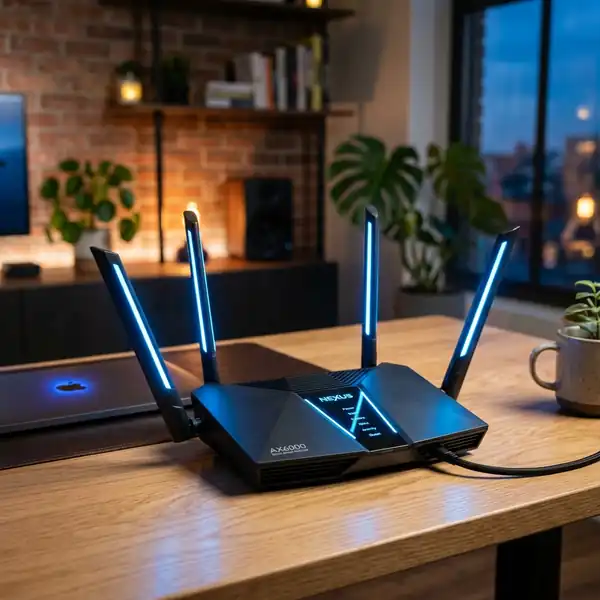
WiFi Repeater vs Access Point Mode: Which Offers Better Internet Speed?
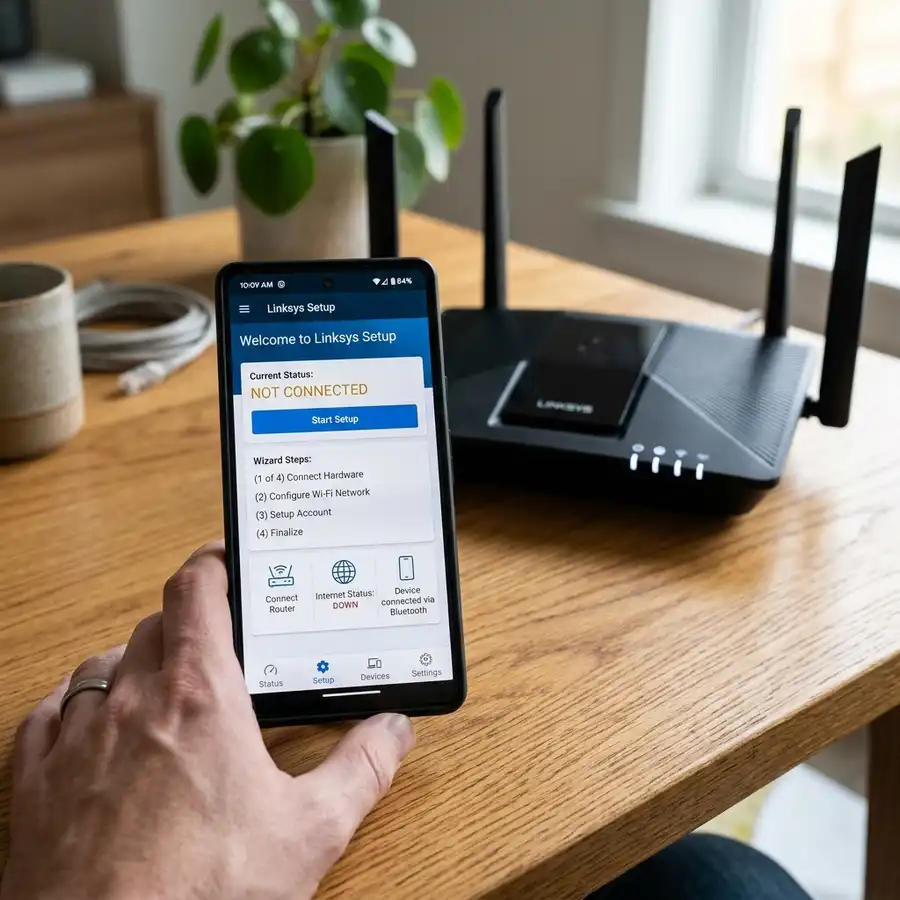
Direct Answer: Learn how to properly configure your network parameters to ensure security, stability, and high performance in all connectivity scenarios.
WiFi Repeater vs Access Point Mode: Which Offers Better Internet Speed?
Network issues often manifest as slow internet speeds, dropped connections, or dead zones within your home or office. Identifying the root cause is crucial for maintaining a reliable and efficient network.
WiFi repeaters and access points serve different purposes, impacting overall performance and user experience. Understanding their functionalities can help you choose the right solution to enhance your internet speed.
Choosing the appropriate device can significantly reduce latency and improve connectivity. This decision is vital for ensuring seamless online activities, from streaming to gaming.
In this article, we will delve deeper into the technical aspects of WiFi repeaters and access points. We will explore their configurations, advantages, disadvantages, and best practices for installation.
By the end, you will have a comprehensive understanding of which option is best suited for your specific networking needs.
It is crucial for network administrators to document all interface changes and custom ports in a physical network topology diagram. This prevents future troubleshooting delays during security audits and compliance evaluations.
During the installation of Ethernet cables through PVC surface conduits, technical installers must utilize hook-and-loop fasteners gently. Avoid over-tightening cables to prevent any internal deformation of the twisted pair geometry.
Proper routing of Ethernet cables inside PVC surface channels requires strict attention to the minimum cable bend radius. Bending Cat6 cables at sharp 90-degree angles introduces impedance issues and leads to severe packet loss.
Proper routing of Ethernet cables inside PVC surface channels requires strict attention to the minimum cable bend radius. Bending Cat6 cables at sharp 90-degree angles introduces impedance issues and leads to severe packet loss.
WiFi Repeater vs Access Point Mode: Which Offers Better Internet Speed?
A WiFi repeater and an access point serve different purposes in a network. Understanding their operational differences can clarify which option provides better internet speed.
A WiFi repeater works by receiving an existing WiFi signal and amplifying it. This process involves receiving data packets, decoding them, and then retransmitting them, which can introduce latency.
In contrast, an access point connects directly to a wired network. It creates a new WiFi network segment, allowing devices to connect with minimal latency and improved speed.
At the protocol level, repeaters often use the same channel as the original signal. This can lead to congestion and reduced throughput, especially in high-traffic environments.
Access points, however, can operate on different channels. This capability helps to minimize interference and optimize bandwidth usage across the network.
Hardware-wise, repeaters typically have limited processing power. This limitation can hinder their ability to handle multiple connections efficiently compared to dedicated access points.
In summary, while both devices extend WiFi coverage, access points generally offer better internet speed due to their direct connection to the network and reduced latency. Choosing the right device depends on specific network needs and configurations.
Queue Types and Latency Performance Table
| Queue Setup | Average Latency (Ping) | Packet Loss | Stability Under Heavy Load |
|---|---|---|---|
| No QoS (Bufferbloat) | 180ms - 350ms | High (2-5%) | Unstable (Lag during gaming) |
| Traditional Rate Limiter | 45ms - 90ms | Low (<1%) | Medium (Fixed bandwidth restriction) |
| Smart Queues FQ-CoDel (UniFi) | 12ms - 25ms | Zero | Excellent (Dynamic prioritization) |
Visual labeling of PVC raceways and conduits simplifies the preventive maintenance of structured cabling systems. Make sure that all wall bends strictly follow the minimum bend radius requirements of Cat6 cables.
Mitigating electromagnetic interference from nearby electronic equipment, motors, or ballast lamps must be treated with high priority. If maintaining safe physical distance is impossible, the installation of shielded STP cabling with proper grounding is highly recommended.
Additionally, always ensure that your STP shielded cable systems are properly grounded on managed switches. Without a solid ground path, the shield wrap will act as an antenna and pull external interference into the copper lines.
Additionally, always ensure that your STP shielded cable systems are properly grounded on managed switches. Without a solid ground path, the shield wrap will act as an antenna and pull external interference into the copper lines.
Installation/Configuration Guide for WiFi Repeater vs Access Point Mode
To determine which mode offers better internet speed, start by accessing your router's web interface. Open a web browser and enter the router's IP address, typically 192.168.1.1 or 192.168.0.1.
Log in using your admin credentials. Navigate to the Wireless Settings section to find options for both Repeater and Access Point modes.
For Repeater mode, select Wireless Repeater from the menu. Enter the SSID of the primary router and the security key to establish a connection.
In Access Point mode, switch to Access Point Settings. Connect the device via Ethernet to the main router and configure the SSID and password.
After configuring, save the settings and reboot the device. Use the command ping 8.8.8.8 in the command prompt to test connectivity.
Check the speed by running a speed test on a connected device. Compare the results from both modes to determine which offers better performance.
Finally, consider factors like distance and interference, as these can significantly impact speed. Choose the mode that best suits your network environment for optimal performance.

Mitigating electromagnetic noise must be a priority when planning the physical routing of residential UTP cables. Proper cable spacing reduces TCP packet retransmissions and avoids jitter spikes under heavy traffic load.
Performing professional physical channel verification with dedicated cable certifiers guarantees reliable gigabit throughput. Jitter, return loss, and near-end crosstalk inside poorly crimped RJ45 connectors represent the main causes of packet retransmissions.
Furthermore, testing throughput capacity using active bandwidth monitoring tools (like iPerf3) is highly recommended. This validates line performance under peak traffic stress and guarantees low jitter for latency-critical applications.
Furthermore, testing throughput capacity using active bandwidth monitoring tools (like iPerf3) is highly recommended. This validates line performance under peak traffic stress and guarantees low jitter for latency-critical applications.
WiFi Repeater vs Access Point Mode: Which Offers Better Internet Speed?
WiFi repeaters are designed to extend the range of an existing wireless network. They work by receiving the signal from the router and rebroadcasting it, which can lead to reduced speeds due to signal degradation.
One major advantage of using a WiFi repeater is its ease of installation. Users can typically set it up within minutes without needing additional cabling or complex configurations.
However, the downside of repeaters is that they can halve the bandwidth available to connected devices. This occurs because the repeater must communicate with both the router and the client devices simultaneously.
On the other hand, access points connect directly to the router via Ethernet cables. This wired connection allows them to provide a more stable and faster internet speed compared to repeaters.
Access points also support more devices without significant speed loss. This makes them ideal for environments with high user density, such as offices or public spaces.
One drawback of access points is the need for additional cabling, which can complicate installation. This may not be feasible in all situations, especially in residential settings.
Ultimately, the choice between a WiFi repeater and an access point depends on specific needs. For extended range with minimal setup, repeaters are suitable, while access points are better for speed and reliability in high-demand scenarios.
Changing the default management port and disabling unencrypted protocols (such as HTTP, API, and telnet) are crucial security steps for routers. Configure restrict rules inside the IP firewall service list using trusted IP addresses to prevent external scan attempts.
Edge security on Mikrotik RouterOS also requires disabling neighbor discovery protocols (like MNDP or CDP) on internet-facing WAN interfaces. This prevents malicious scans from mapping out internal device architectures and firmware versions.
Edge security on Mikrotik RouterOS also requires disabling neighbor discovery protocols (like MNDP or CDP) on internet-facing WAN interfaces. This prevents malicious scans from mapping out internal device architectures and firmware versions.
Best Security Practices and Common Pitfalls When Setting Up WiFi Repeater vs Access Point Mode: Which Offers Better Internet Speed?
When configuring a WiFi repeater or access point, security should be a top priority. Using strong encryption methods, such as WPA3, can significantly enhance your network's security.
One common pitfall is neglecting to change the default login credentials of your devices. Leaving these unchanged can make your network vulnerable to unauthorized access.
Another important practice is to regularly update the firmware of your devices. Outdated firmware can contain vulnerabilities that hackers can exploit.
When setting parameters, incorrect configurations can lead to reduced performance. For instance, using the wrong channel can cause interference and slow down your internet speed.
In repeater mode, the signal strength can diminish, leading to slower speeds. This is often due to the repeater having to communicate with both the router and the connected devices.
Access point mode typically offers better speed as it connects directly to the router via Ethernet. This direct connection reduces latency and improves overall performance.
Always monitor your network for unauthorized devices. Regularly checking connected devices can help you identify potential security breaches early on.
Employing network monitoring tools can also aid in identifying unusual traffic patterns. This proactive approach can help in maintaining a secure and efficient network.
To optimize traffic flow, configure modern smart queue algorithms like FQ-CoDel or CAKE. These queue types mitigate bufferbloat directly and prioritize interactive packets such as voice calls and gaming packets over heavy downloads dynamically.
In high-density traffic situations, setting up dynamic queue disciplines like FQ-CoDel or CAKE resolves bufferbloat immediately. This keeps real-time voice, video, and gaming traffic stable, even during high bandwidth transfers.
In high-density traffic situations, setting up dynamic queue disciplines like FQ-CoDel or CAKE resolves bufferbloat immediately. This keeps real-time voice, video, and gaming traffic stable, even during high bandwidth transfers.
Validation Tests, Latency Checking, and Network Traffic Monitoring
After deploying a WiFi repeater or configuring an access point, it is crucial to conduct validation tests. These tests help determine which setup offers better internet speed and overall performance.
Latency checking is essential to assess the responsiveness of your network. Tools like PingPlotter and Traceroute can help identify any delays in data transmission.
Network traffic monitoring provides insights into bandwidth usage and potential bottlenecks. Software such as Wireshark and PRTG Network Monitor can effectively track traffic patterns.
For validation tests, consider using speed test tools like Ookla Speedtest or Fast.com. These tools measure download and upload speeds, providing a clear comparison between the two configurations.
It is also advisable to monitor signal strength and quality. Applications like NetSpot and inSSIDer can help visualize WiFi coverage and identify dead zones.
Regularly conducting these tests ensures optimal performance and helps in troubleshooting issues. This proactive approach can significantly enhance user experience.
Ultimately, the choice between a WiFi repeater and an access point may depend on the results of these tests. Analyzing the data will guide you in making an informed decision for your network setup.

Frequently Asked Questions about WiFi Repeater vs Access Point Mode: Which Offers Better Internet Speed?
What causes high ping in online games?
High ping is caused by network traffic congestion, commonly known as Bufferbloat. Enabling Smart Queues or QoS resolves this issue directly.
Does QoS reduce overall download speeds?
Yes, enabling Smart Queues reserves roughly 10-15% of your bandwidth to manage network queues and maintain low latency during heavy usage. This ensures that critical applications receive the necessary bandwidth.
Can I enable Smart Queues on any basic router?
Basic home routers lack the CPU capacity to process queue algorithms like FQ-CoDel efficiently, requiring enterprise-grade hardware like UniFi. This hardware is designed to handle advanced traffic management features effectively.
What is the difference between traditional QoS and Smart Queues?
Traditional QoS limits speeds statically using strict IP rules, while Smart Queues dynamically balances network traffic to prevent downloads from lagging games. This dynamic approach allows for a more responsive network experience.
Extra attention must be dedicated to cable bending radius limits and the build quality of male RJ45 plugs. Loose crimping or oxidation inside connectors are the main causes of CRC interface errors and sudden speed drops.
Always remember to document modifications and create configuration backups before editing active routing equipment. Real-time monitoring and running long-term ping checks represent the mandatory final steps to guarantee physical cabling stability.
In large-scale networking, deploying dedicated Access Points is the absolute standard for enterprise and performance-focused home networks. Traditional WiFi repeaters often introduce massive latency penalties because they operate in half-duplex mode, meaning they must receive and retransmit packets sequentially on the same wireless channel. This layout cuts the available throughput in half and causes high jitter when multiple devices try to play online games or stream high-definition media simultaneously. Access Points, by contrast, are backed by a dedicated Ethernet backbone line, ensuring full-duplex gigabit speeds directly to the client devices without airtime congestion.
Additionally, modern Access Points support advanced roaming protocols such as 802.11r, 802.11k, and 802.11v. These standards allow mobile devices to transition seamlessly from one Access Point to another without drops in connectivity. For optimal coverage, administrators should configure non-overlapping channels (such as 1, 6, and 11 in the 2.4 GHz band) and utilize dedicated controller software to monitor wireless environment noise and interference dynamically. Performing periodic checks and site surveys is key to maintaining high-performance residential networks.